A local driver says a quick evening errand turned into an unexpected “overnight” charge, even though he insists he was back on the street well before midnight. The dispute is now sparking the kind of familiar question that makes people squint at their receipts: when does “overnight” actually start, and who gets to decide?
The driver, who asked to be identified only as Marcus, said he parked downtown for dinner and a movie and returned to his car around 11:40 p.m. He paid at the exit kiosk, drove out, and didn’t think twice until he checked his card statement the next day. That’s when he says he saw an extra fee labeled “overnight.”
“I was home before midnight—how is that overnight?”
Marcus describes the moment he noticed the charge as equal parts annoying and confusing. “I’m not trying to get out of paying,” he said. “I just don’t understand how leaving at 11:40 counts as overnight.”
He said the base parking fee looked normal for a few hours in the garage, but the additional overnight line item stood out. His first thought was a mistake—maybe the system logged the wrong exit time, or maybe the machine had applied the wrong rate. “It’s one of those things where you think, ‘Surely this is just a glitch,’” he said.
The receipt that raised eyebrows
According to Marcus, his printed receipt shows an entry time in the early evening and an exit time still in the 11 p.m. hour. The confusing part is that the total includes what he believes is the garage’s overnight surcharge, which he says is normally meant for cars staying past midnight. He’s kept the receipt and a screenshot of the card transaction, hoping it’ll help get the charge reversed.
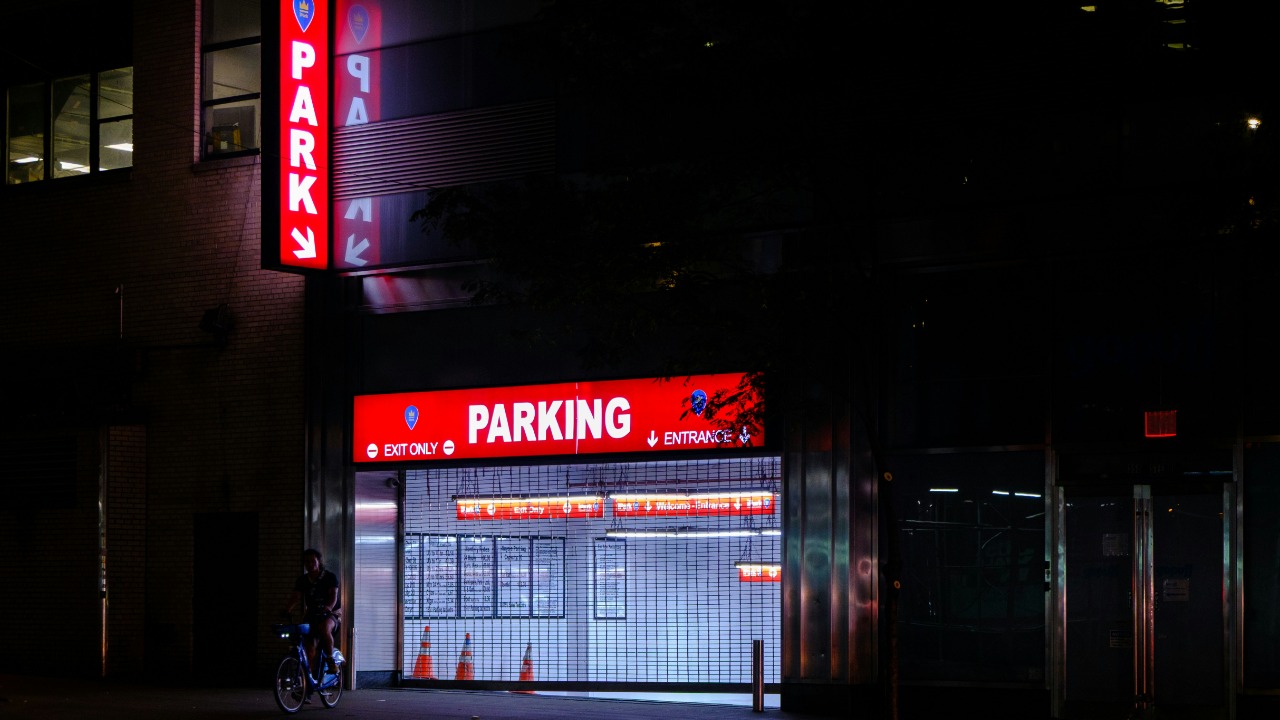
Anyone who’s ever tried to decode parking rules knows the signs can feel like they were designed by someone who moonlights as a riddle writer. Big numbers for the hourly rate, smaller text for special windows, and a few asterisks tossed in for fun. Marcus says there were posted rates, but nothing that clearly suggested “overnight starts before midnight.”
How parking garages define “overnight” (and why it can get weird)
Here’s the part that tends to surprise people: some garages don’t define “overnight” strictly as “after 12:00 a.m.” Instead, they treat it as a pricing block tied to staffing, security, or a flat-rate period that begins earlier in the evening. In those setups, “overnight” can mean “the overnight pricing program,” not literally “you stayed overnight.”
Many garages set a cutoff time—say 9 p.m. or 10 p.m.—when the pricing structure changes. The logic, from an operator’s perspective, is that late-night parking behaves differently than daytime parking. Fewer people come and go, the facility may reduce staffing, and the garage wants a predictable rate for the late hours.
Still, Marcus’s complaint is pretty relatable: if the sign says “overnight,” most drivers translate that as “past midnight.” When the label doesn’t match how people use the word in real life, it’s easy to feel like you’ve been tricked, even if the policy technically allows it.
What the garage operator says
A representative for the parking facility’s management company, reached by phone, said overnight pricing is based on a time window rather than the calendar date. They said the garage uses an automated rate schedule that can apply an overnight fee if a vehicle exits during certain late hours or if the stay overlaps a defined “overnight period.”
The representative didn’t address Marcus’s specific receipt, citing customer privacy, but said drivers can dispute charges by providing their ticket number, receipt, and approximate exit time. They also said signage at the entrance and near payment kiosks lists the overnight policy, including the hours when it applies. In other words: they’re saying it’s not about midnight, it’s about the posted schedule.
Could it also be a simple system error?
Consumer advocates note that parking systems aren’t immune to glitches, especially when they rely on license-plate recognition, gate sensors, and time-stamped tickets. A misread plate, a stuck session in the system, or an exit that didn’t properly close out can all cause a stay to look longer than it really was. Even a few minutes’ difference around a cutoff time can change the price category.
If the overnight fee kicks in at, say, 11:30 p.m., Marcus leaving at 11:40 wouldn’t be an error at all—it would just be a frustratingly timed policy. But if the cutoff is midnight and the system still billed overnight, that’s where the receipt details matter. The key is identifying what rule triggered the surcharge.
What drivers can do if a parking charge doesn’t make sense
Experts say the fastest path to a fix is usually the garage operator first, not a bank dispute right away. Keep the printed receipt if you have it, take photos of posted rate signs when you enter or when you’re back at the pay station, and note the exact times you parked and exited. If you used a mobile app, grab screenshots of the session details.
When you contact the operator, ask one very specific question: “What rule triggered the overnight fee on this transaction?” That wording nudges the conversation away from general explanations and toward the exact line item on your receipt. If the operator can’t explain it clearly, ask for a supervisor or for the rate schedule in writing.
If you still don’t get traction, a card dispute can be an option, but it’s not always the smoothest route. Banks may ask whether you attempted to resolve it with the merchant first, and parking operators may respond with their posted policies. It can work, but it’s often slower than a straightforward refund from the garage—assuming the garage agrees it was wrong.
A small fee, a bigger irritation
Marcus says the amount isn’t huge, but the principle of it bugs him. “It’s the label,” he said. “Call it ‘late-night surcharge’ or something. ‘Overnight’ sounds like I left my car there until morning.”
He’s filed a dispute with the garage and is waiting to hear back. In the meantime, he says he’s started doing what a lot of people do after a parking surprise: taking quick photos of the rate sign before walking away. It’s not the most glamorous part of a night out, but it beats waking up to a charge that makes you wonder if midnight secretly moved.
Why this keeps happening
Parking pricing is a mix of old-school rules and modern automation, and the words don’t always keep up. “Overnight” sounds simple, but it can mean “after a certain hour,” “a flat rate window,” or “a category that starts when the garage switches to night operations.” Without clear signage, drivers are left to guess—and guessing usually ends with someone staring at a receipt like it’s a pop quiz.
For now, Marcus just wants the garage to explain the math in plain English. If the rule was posted and he missed it, he says he’ll chalk it up as an expensive reminder to read the fine print. But if the system truly tagged him as “overnight” when he wasn’t, he hopes the garage fixes the charge—and maybe rethinks what it calls the fee in the first place.
More from Fast Lane Only