For a few brief years in the late 1980s and early 1990s, car designers fell hard for a look that now feels almost surreal: rounded “jellybean” bodies with flush glass, minimal ornament and soft, wind-tunnel sculpting. The fad faded quickly as tastes swung back toward sharp creases and retro cues, yet that short phase quietly rewired how modern cars are shaped. The clean surfacing, integrated bumpers and aero-first thinking that defined the era still echo in showrooms and on highways today.
What seemed like a quirky styling detour turned out to be a reset button. It pushed automakers to treat aerodynamics, efficiency and brand identity in new ways, and it set expectations for how much design can change in a single product cycle.
From jellybeans to design labs: what actually changed
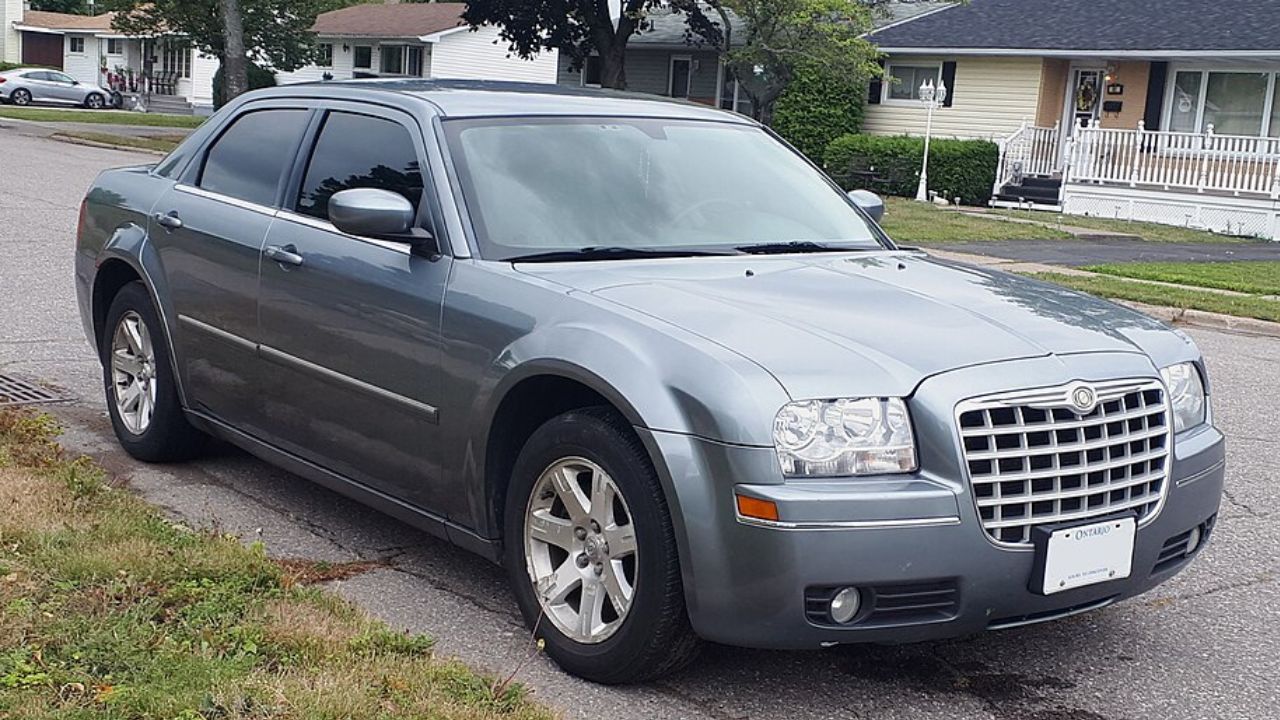
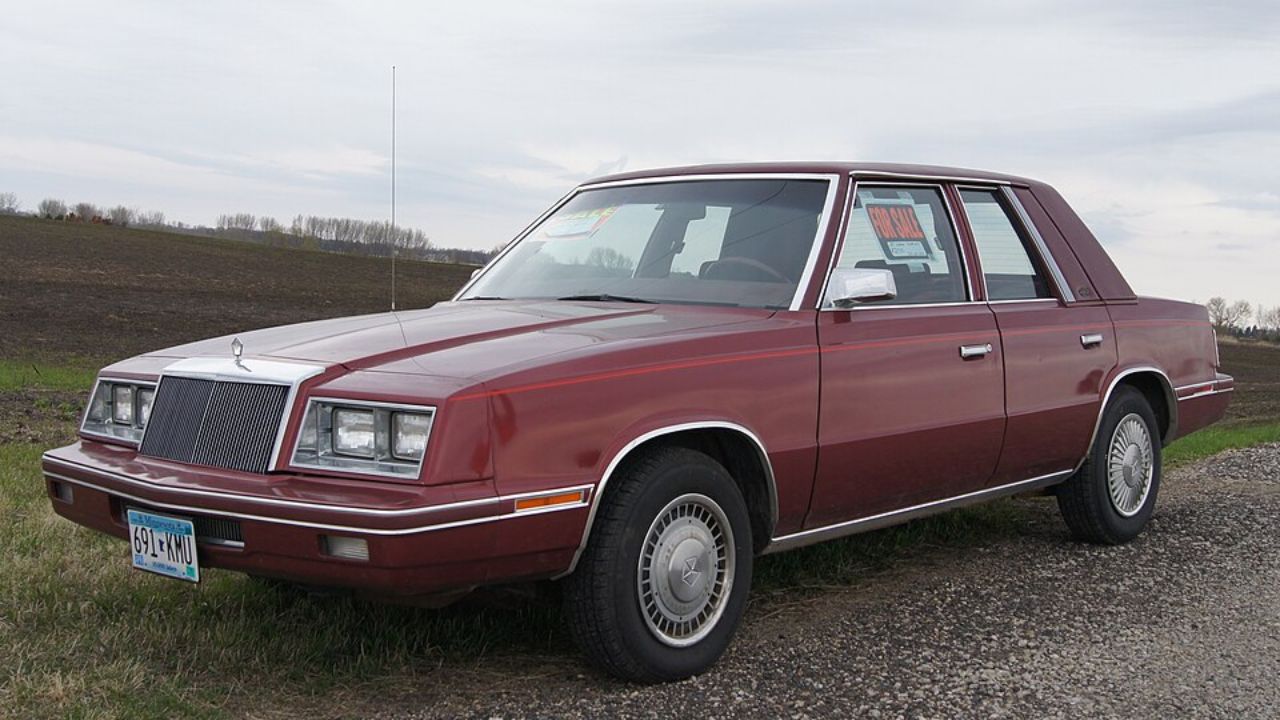
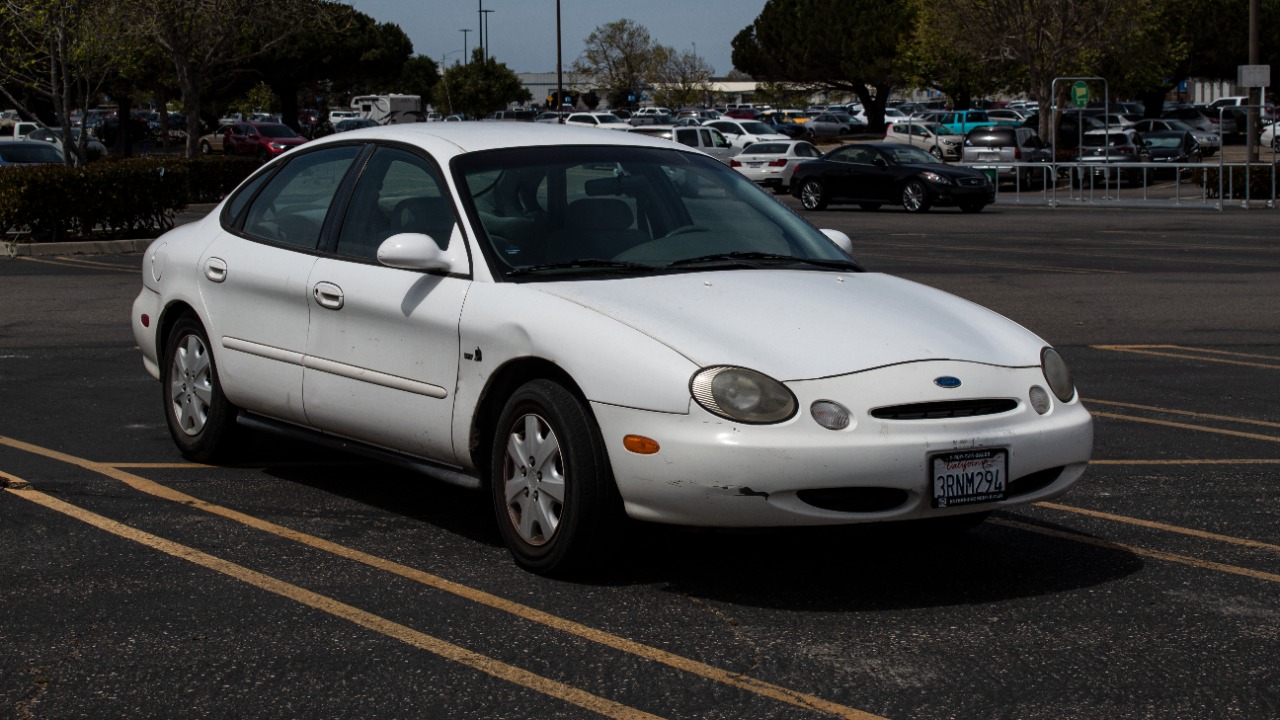
The rounded-aero moment did not appear from nowhere. Rising fuel prices, tightening emissions rules and new computer modeling tools all nudged designers toward smoother shapes. Cars like the Ford Taurus, third-generation Honda Civic and first-generation Lexus LS traded chrome-heavy edges for slippery silhouettes, with integrated bumpers and headlamps that wrapped into the fenders. The look was often mocked as anonymous, yet it gave studios a new baseline for how to reduce drag and wind noise without sacrificing cabin space.
That shift mirrored what fashion analysts now track in digital culture. Short, intense waves of popularity can push an entire industry to experiment, even if the specific look burns out quickly. A similar pattern shows up in the way TikTok cycles through aesthetics that briefly dominate feeds, then vanish, while still leaving behind new norms in color, fit or styling that linger in wardrobes, as seen in the TikTok trend tracker. In that sense, car design in the aero era functioned like a slower, analog version of that churn.
Inside studios, the jellybean period also changed the toolkit. Designers leaned harder on wind-tunnel testing and computational fluid dynamics, which encouraged more holistic thinking about a vehicle’s body. Instead of treating bumpers, mirrors and spoilers as separate add-ons, teams sculpted the entire shell as one continuous volume. Door handles were recessed, glass sat closer to flush with the pillars and panel gaps tightened. Even when the visual language later shifted back to sharper lines, those integrated solutions stayed.
The trend also rewrote how brands thought about identity. As many sedans converged on similar rounded proportions, badges and lighting signatures became more important. Grilles shrank or disappeared on some models, so designers experimented with new ways to signal a brand from a distance, through taillight shapes, wheel designs and rooflines. That emphasis on recognizable light signatures foreshadowed the LED era, where a single daytime running lamp graphic can stand in for an entire logo.
Why a forgotten styling fad still matters to buyers and brands
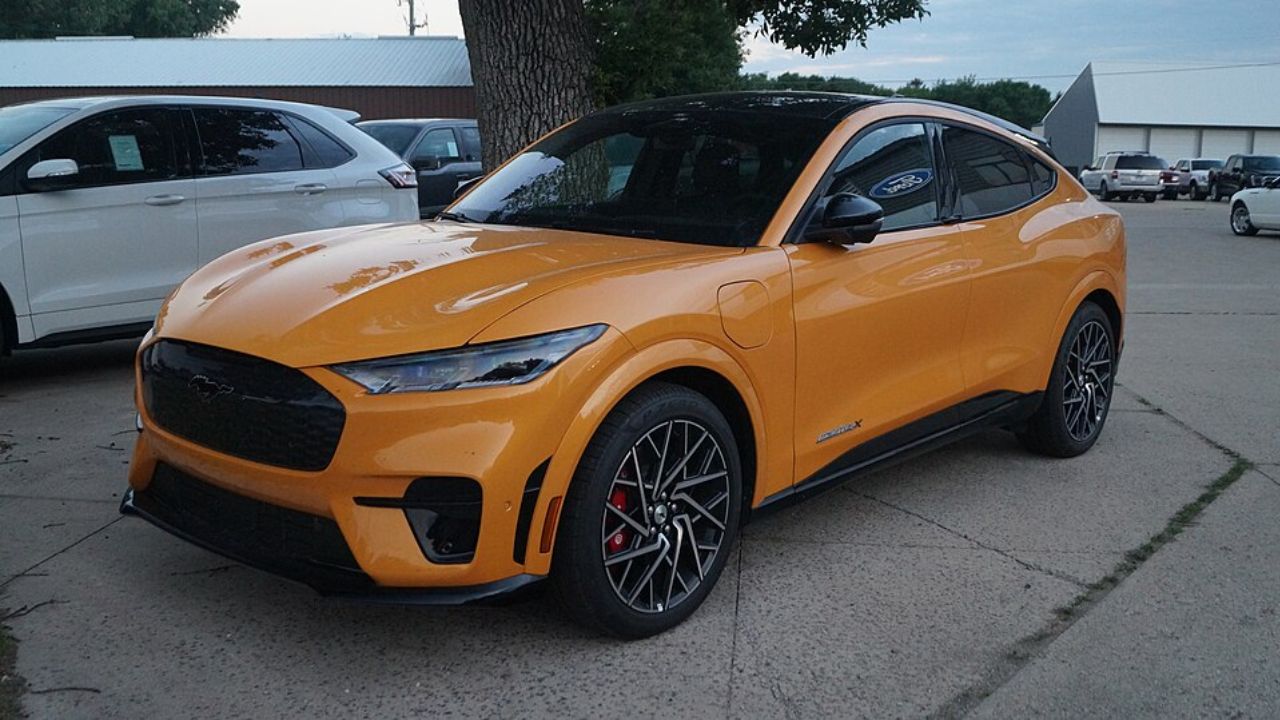
Today’s shoppers might not consciously connect a 1990s Taurus to a current electric crossover, yet the relationship is there. Modern EVs rely heavily on smooth, aero-led surfaces to stretch range, which puts them closer to the jellybean template than to the boxy SUVs that dominated the 2000s. The difference is that designers now layer bolder graphics and more aggressive stances on top of that efficiency-first base, a lesson learned from how quickly consumers grew bored with anonymous curves three decades ago.
For anyone navigating the used-car market, that history has practical consequences. Rounded, aero-heavy cars from the 1990s and early 2000s often deliver strong visibility, low wind noise and decent fuel economy, even if their styling feels dated. Guidance for shoppers weighing whether to buy or sell a used car now stresses how design era and perceived desirability can affect resale value and negotiation leverage, as current advice on used-car timing makes clear. A car that reads as “old fleet sedan” might be a bargain precisely because its once-radical aero look has fallen out of fashion.
Brands, meanwhile, still walk the line between chasing the next big look and protecting long-term equity. The jellybean episode is a cautionary tale about pushing a single aesthetic too far across a lineup. When everything rounded off at once, consumers struggled to tell models apart, and some companies had to pivot quickly to reintroduce visual drama. That experience informs how automakers now roll out new design languages in stages, often starting with a concept or halo model before filtering cues into mainstream products.
The pattern is not unique to cars. Uniforms and workwear offer a similar case study. Vintage flight attendant outfits from the 1960s and 1970s, with their bold colors and futuristic silhouettes, were once dismissed as dated relics. They are now studied as design artifacts that captured a specific moment in technology and culture, and they influence how airlines think about brand image and passenger expectations, as seen in renewed interest in vintage flight attendant design. Jellybean-era cars occupy a comparable space in automotive history, bridging analog mechanics and digital-era styling.
There is also a market dimension. Collectors tend to chase the extremes, and the jellybean years produced both under-the-radar sleepers and highly tuned performance models that wore the same soft shapes. The muscle car market, for instance, has shown how nostalgia, rarity and cultural memory interact. Analysis of muscle car values points to cycles where certain generations fall out of favor, only to rebound as new buyers rediscover them. Rounded 1990s performance sedans and coupes may follow a similar trajectory as younger enthusiasts look for affordable, analog-feeling cars that stand apart from today’s angular SUVs.
How a brief phase keeps shaping the next generation of cars
Looking ahead, the influence of that short-lived trend is likely to deepen rather than fade. Electric and hybrid platforms reward clean airflow, and safety regulations continue to push designers toward higher hoods, thicker pillars and integrated bumpers. Within those constraints, the core jellybean lesson remains: start with an efficient, cohesive volume, then carve in character through details, lighting and stance instead of tacking on ornament.
Design teams now operate in a culture that tracks micro-trends in real time, from social media reactions to influencer walkarounds. That feedback loop can tempt companies to chase quick hits, yet the jellybean era shows the risk of overcorrecting toward a single fashionable idea. The most successful recent designs often blend multiple references, pairing smooth surfacing with sharp creases, or mixing retro cues with futuristic lighting, to avoid locking an entire portfolio into one look that might age poorly.
A generational shift is also changing how “dated” design is perceived. For younger drivers who grew up surrounded by crossovers, a rounded 1990s sedan or minivan can feel refreshingly different rather than embarrassing. Online communities that trade in nostalgia aesthetics have already embraced boxy 1980s shapes; jellybean-era cars may be next in line. As those tastes filter into mainstream culture, automakers could find new ways to quote that period, perhaps through softer rooflines, color palettes or interior forms that echo the organic dashboards of the time.
At the same time, sustainability pressures are reshaping material and production choices. The aero revolution of the late 1980s showed how a single design priority, in that case drag reduction, could ripple through everything from stamping dies to glass curvature. Future priorities like recyclability and modular construction may have a similar effect, encouraging simpler surfaces, fewer decorative parts and more integrated components. The jellybean story suggests that even if the resulting look feels temporary, the underlying engineering changes can last for decades.
Ultimately, that brief, much-maligned styling phase matters less for the specific curves it produced than for the mindset it forced on an industry. It proved that mainstream buyers would accept radical-looking cars if they delivered clear benefits in comfort, efficiency or perceived modernity. It taught designers to treat aerodynamics as a core ingredient rather than a late-stage tweak. And it showed executives that design revolutions can be both risky and rewarding, sometimes in ways that only become obvious years later.
More from Fast Lane Only
- Unboxing the WWII Jeep in a Crate
- 15 rare Chevys collectors are quietly buying
- 10 underrated V8s still worth hunting down
- Police notice this before you even roll window down
*Research for this article included AI assistance, with all final content reviewed by human editors