The turbocharged Buick models have a fascinating history that intertwines performance, innovation, and a touch of rebellion. From their inception in the late 1970s to their status as cult classics today, these vehicles have left an indelible mark on automotive culture. I’ve delved into the compelling saga of these turbo Buicks, illustrating how they became icons in their own right.
The Birth of Turbo Technology in Buick Cars
The genesis of turbocharged Buicks can be traced back to the late 1970s when the automotive industry was undergoing significant transformation. The oil crisis had prompted manufacturers to seek more fuel-efficient vehicles, and turbo technology emerged as a viable solution. Buick’s engineering team, recognizing the potential of turbocharging, began experimenting with this innovative technology to enhance performance without compromising fuel efficiency.
In 1978, Buick unveiled its first turbocharged model, the Regal Sport Coupe, equipped with a 3.8-liter V6 engine featuring a turbocharger. This engine was groundbreaking for its time, delivering impressive power while maintaining reasonable fuel consumption. The introduction of this model marked the beginning of a new era for Buick, positioning the brand as a pioneer in turbocharged performance.
The Performance Revolution of the 1980s
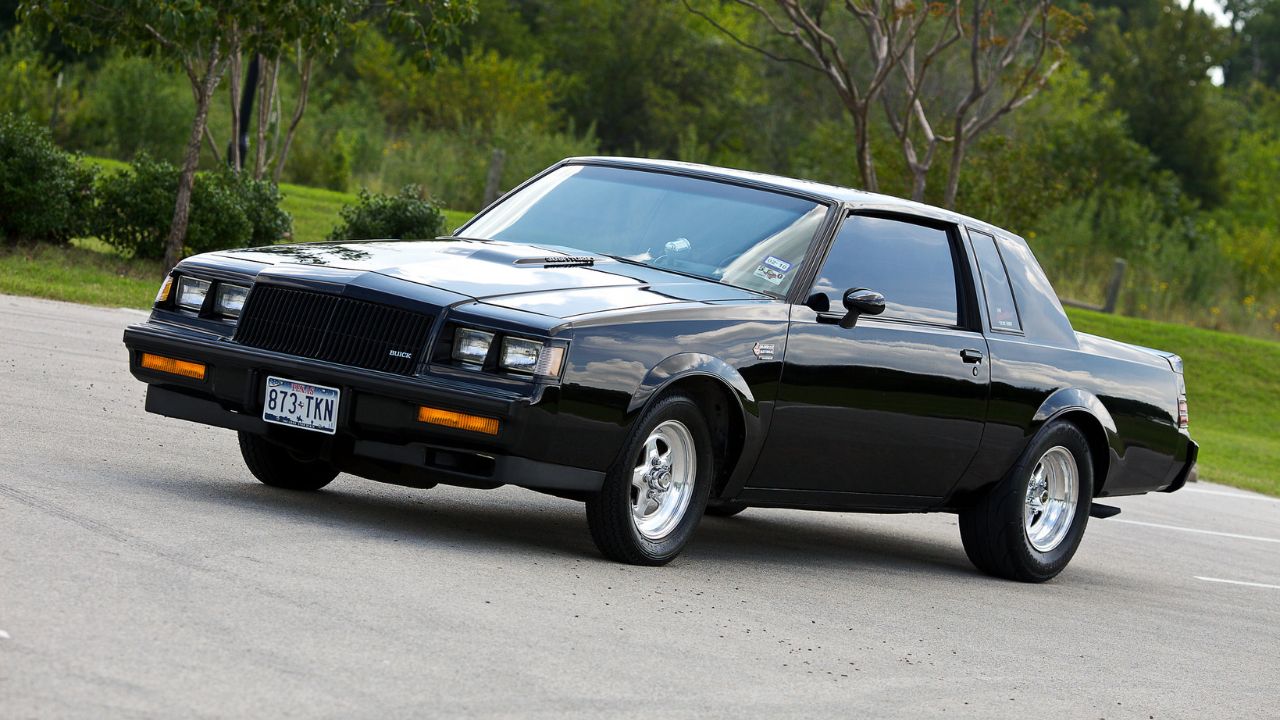
The 1980s witnessed a surge in interest for turbocharged vehicles, and Buick capitalized on this trend with the launch of the Grand National in 1982. This model quickly became synonymous with power and speed, equipped with a turbocharged V6 engine that produced 245 horsepower. The Grand National’s sleek black design and aggressive styling turned heads and captured the imagination of car enthusiasts. It was a bold statement in an era dominated by more mundane vehicles.
One of the standout features of the Grand National was its ability to accelerate from 0 to 60 mph in under six seconds, a remarkable feat for a production car at that time. This performance, coupled with its refined handling and comfort, made the Grand National not just a car but a symbol of American muscle. The car’s reputation grew, and it became a favorite on the streets, especially among younger drivers seeking thrill and excitement.
The Iconic GNX and Its Legacy
As the decade progressed, Buick took the Grand National to the next level with the introduction of the GNX in 1987, a high-performance variant developed in collaboration with McLaren Performance Technologies. The GNX boasted an upgraded turbocharged engine that churned out an astonishing 276 horsepower, elevating the bar for performance cars. Its unique styling, featuring wider fender flares and a distinctive rear spoiler, further differentiated it from the standard Grand National.
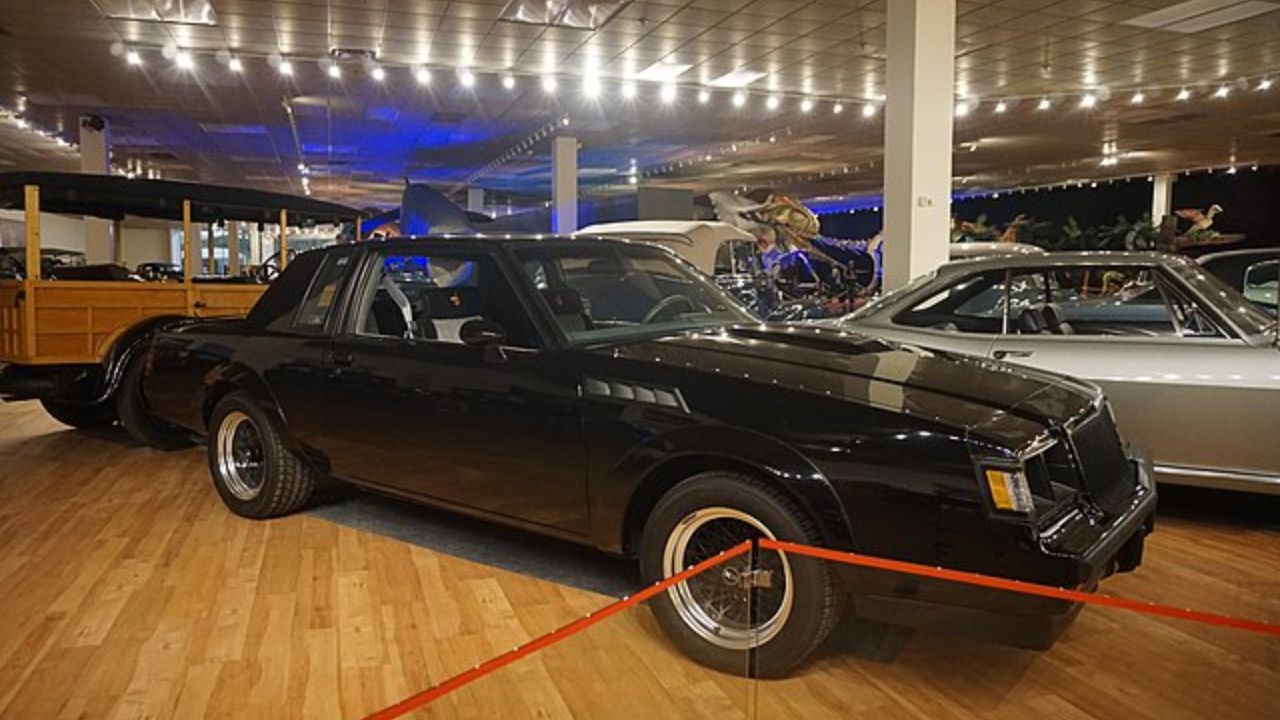
Only 547 units of the GNX were produced, making it a rare collector’s item today. Its combination of power, exclusivity, and performance puts it on a pedestal among classic cars. The GNX’s legacy continues to influence automotive design and performance philosophy, proving that Buick’s turbocharged offerings were not merely fleeting trends but rather a significant chapter in automotive history. The GNX is often celebrated in automotive circles, cementing Buick’s reputation for performance.
The Decline and Resurgence of Turbo Buicks
Despite the success of the Grand National and GNX, the early 1990s saw a decline in Buick’s turbocharged models. The performance market shifted, and consumer preferences gravitated towards larger, more luxurious vehicles. As a result, Buick discontinued its turbocharged engines and focused on building sedans and SUVs. This shift marked a significant change for the brand, as the turbocharged models that had defined its identity began to fade into obscurity.
However, the resurgence of interest in performance vehicles in the late 1990s and early 2000s reignited Buick’s commitment to turbocharged technology. The introduction of the Regal GS and LaCrosse with turbo options showcased Buick’s renewed focus on blending luxury with performance. These modern models incorporated advanced turbocharging technology, allowing drivers to experience the thrill of power without sacrificing comfort.
The Modern Turbocharged Era
In recent years, Buick has embraced turbocharging with a range of new models, reflecting the brand’s commitment to innovation and performance. The Buick Envision and Encore both offer turbocharged engine options, providing drivers with a blend of efficiency and power. The engineering advancements in these vehicles demonstrate how far turbo technology has come since its inception.
The current lineup showcases Buick’s ability to adapt to market demands while still honoring its performance heritage. For instance, the 2021 Buick Envision features a 2.0-liter turbocharged engine that produces 228 horsepower, illustrating how Buick has successfully integrated turbocharging into its modern vehicle offerings. This strategic move has allowed the brand to attract a new generation of car enthusiasts who value performance, efficiency, and style.
The Cultural Impact of Turbo Buicks
The impact of turbo Buicks extends beyond the automotive realm; these cars have become cultural icons. The Grand National, in particular, gained a significant following within the racing community and was featured in various films and television shows. Its appearances in popular media cemented its status as a symbol of American automotive performance.

Moreover, the community surrounding turbo Buicks has flourished, with enthusiasts forming clubs and online forums dedicated to preserving and restoring these vehicles. Events such as the annual GS Nationals highlight the passion and dedication of Buick fans who celebrate the brand’s performance legacy. This sense of community has helped keep the spirit of turbo Buicks alive, ensuring that their history is remembered and appreciated.
The Future of Turbocharged Performance
Looking ahead, the future of turbocharged Buicks appears promising. As automakers continue to explore sustainable technologies, turbocharging is likely to remain a key component in achieving the balance between performance and fuel efficiency. Advances in turbo technology, including variable geometry turbos and hybrid systems, could redefine the driving experience for Buick enthusiasts.
Furthermore, with an increasing focus on electrification, it’s conceivable that Buick will integrate turbocharging with electric propulsion systems, creating a new category of performance vehicles. This innovative approach could attract a wider audience, blending the brand’s rich heritage with the demands of modern consumers. The potential for turbo Buicks to evolve while retaining their performance pedigree is an exciting prospect for the future of the brand.
In summary, the journey of turbo Buicks is a fascinating tale of innovation, performance, and cultural significance. From their revolutionary beginnings to their status as modern performance vehicles, these cars have left an indelible mark on the automotive landscape. As Buick continues to embrace turbocharging and explore new technologies, the legacy of these iconic vehicles will undoubtedly endure.