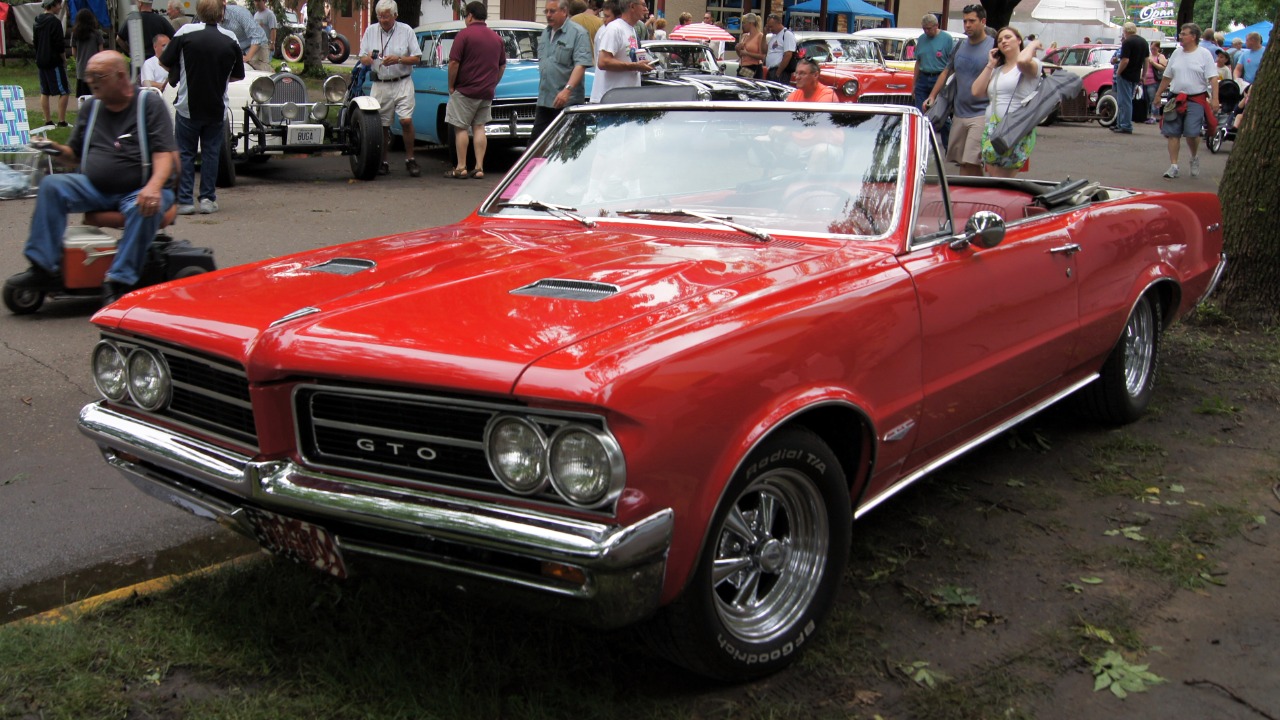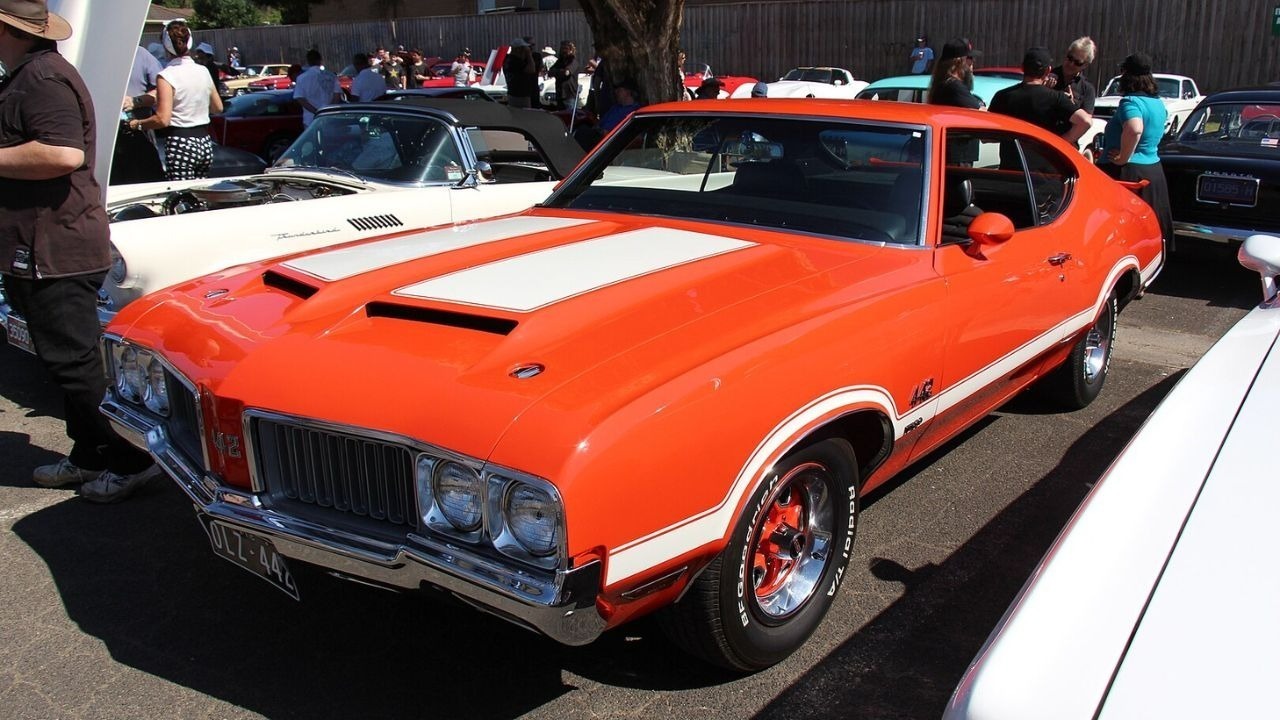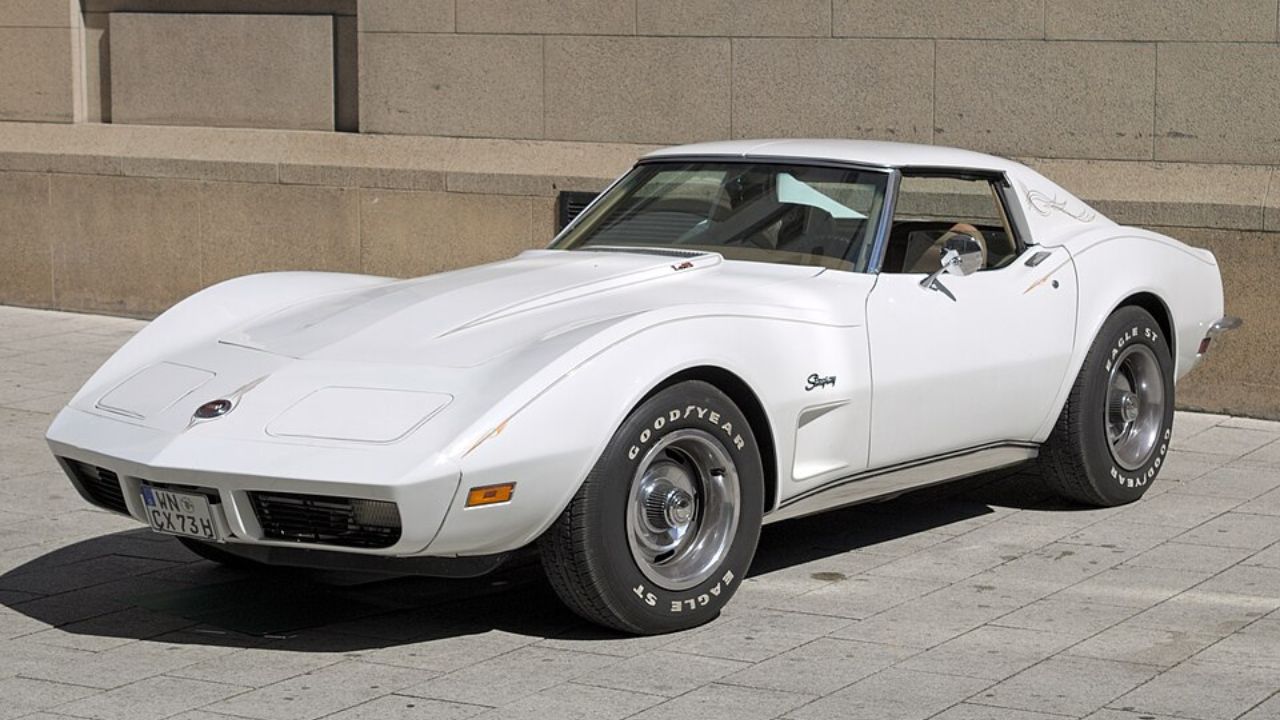
You might think the riskiest car modifications are giant spoilers or roaring exhausts, but a much smaller change often triggers tickets first: the lights and plastic around your license plate. That tiny rectangle on your bumper sits at the center of a web of state rules, and even a subtle frame, cover, bulb swap, or tint film can quietly make your car noncompliant. Combine that with other common “small” tweaks and you may end up driving a vehicle that looks harmless to you but stands out as an easy stop for traffic officers.
If you like to personalize your ride, you have to treat the law like another spec sheet, not an afterthought. Many of the accessories you see every day in parking lots appear on lists of illegal modifications, and they can lead to fines, fix-it orders, and even insurance headaches that cost more than the part itself.
How a simple license plate tweak becomes a ticket magnet
Your license plate is one of the first things an officer checks, which is why small changes around it are such a common ticket trigger. Some states prohibit frames that cover even a sliver of the plate number, state name, or registration sticker, while others ban tinted or reflective covers that make it harder to read. Enthusiasts in one online discussion describe how having just one of two plate bulbs out in daylight or using a plate frame that is “a little too big” can still mean a Ticket, which shows how aggressively some officers enforce these rules.
That attention is not random. A plate that is hard to read or poorly lit can interfere with toll cameras, red-light cameras, and basic identification during a stop, so many states treat it as a low-friction reason to pull you over. Once you are on the shoulder, the plate issue can be just the start, because an officer who notices a questionable frame or cover will often start scanning for aftermarket parts, from tinted taillights to non-stock exhausts. A simple frame that cost you fifteen dollars can turn into a multipoint inspection on the side of the road.
The “harmless” accessories that cross the legal line
Walk through a parts aisle and you will see plenty of accessories marketed as universal or street legal, but that label does not always match state law. A detailed guide to car accessories lists items that look routine yet can violate local codes, including dark license plate covers, colored valve stem caps that mimic emergency lights, and decorative bulbs that change the color of your running lights. The same resource on Car Accessories and highlights how quickly these purchases can force you to look at your finances fast once fines and potential repair costs stack up.
Lighting is another trap. Extra underbody glow kits, windshield washer LEDs, and colored bulbs in turn signals often fall into a gray area in marketing copy but a very clear red zone in traffic codes. One breakdown of 11 common illegal explains that laws restricting additional lighting are designed to prevent drivers from impersonating emergency vehicles, and that pretending to be police with the wrong color lights can lead to an expensive ticket. You might see purple underglow on a show car and assume it is fine for your daily commute, but your local statute may only allow white or amber in the front and red in the rear, with no extra colors at all while you are on public roads.
Why visibility tweaks draw officers faster than wild body kits
If you are trying to avoid unwanted attention, you might think the key is to skip giant spoilers or slammed suspensions, yet officers often key in on visibility changes first. A review of car modifications that notes that full tint on front windows, heavily smoked taillights, and overly bright headlights are frequent reasons for stops, even when the rest of the car is stock. You might see a full tint job as a comfort upgrade that keeps your cabin cooler, but many states limit how dark you can go on the windshield and front side glass because officers need to see inside and other drivers need to make eye contact with you at intersections.
Headlights and taillights sit in the same category. Some drivers swap to high-intensity discharge or certain aftermarket LED kits to get a modern look, but legal standards for beam pattern and brightness are strict. Guidance on LED headlight legality points to the Code of Federal Regulations, which specifies that headlamps must fall between 500 and 3,000 candelas, and that they must be properly aimed to avoid blinding oncoming traffic. When you combine over-tinted lenses, misaligned beams, and colored bulbs, you create a car that is harder to see or too painful to look at, and that is exactly the kind of “small” change that motivates an officer to flip on the lights behind you.
The hidden risk of “practical” add-ons like roof racks and dark taillights
Some of the riskiest modifications are the ones you tell yourself are purely practical. A breakdown of 24 car modifications flags roof racks as a good example: you can add a rack and cargo box to something like a 2020 Subaru Outback, but if your gear sticks out too far or you exceed the design limits of the vehicle frame beyond the original design, you can run into trouble. Overloading or poorly securing cargo on a rack affects your center of gravity, increases stopping distances, and turns anything on top of your car into a potential projectile if you brake hard or get rear-ended.
Lighting on the back of your car carries a similar hidden risk. Guidance on illegal vehicle customizations explains that one of the most popular tail light modifications involves having them Colored LED lights blacked out or adding tinted lenses, which makes it harder for drivers behind you to see when your vehicle is stopped or slowing down. You might love the stealth look on a blacked-out 2018 Honda Civic, but the person in the pickup behind you needs a clear, bright red signal to avoid rear-ending you in stop-and-go traffic.
How a minor mod can snowball into fines and insurance trouble
Once you start layering small modifications, the legal and financial risk grows quickly. A summary of top illegal car points out that sound and noise changes, extreme window tint, and nonstandard lighting colors are generally considered illegal in many states, regardless of how common they look in your neighborhood. If an officer pulls you over initially for a plate frame or a dim bulb, then notices a loud exhaust, underglow, and dark tint, you can walk away with multiple citations instead of one warning.
The financial side does not stop with tickets. A review of illegal car modifications explains that noncompliant parts can affect your insurance coverage, especially if an adjuster decides that an unapproved change contributed to a crash or made damage worse. Another look at costly car traps warns that you can also lose money at resale, since dealers may refuse a trade-in or lower the offer if they have to return the car to stock to sell it. That is a lot of downside for a handful of parts you could have skipped or chosen more carefully.
More from Fast Lane Only