The story of one of Chevy’s rarest powerplants is not just about engineering, but also about the intersection of passion, rarity, and the automotive collector’s market. This tale delves into the intriguing history and peculiar fate of a powerplant that has captured the imagination of enthusiasts and remains shrouded in mystery.
The Origins of Chevy’s Rare Powerplant
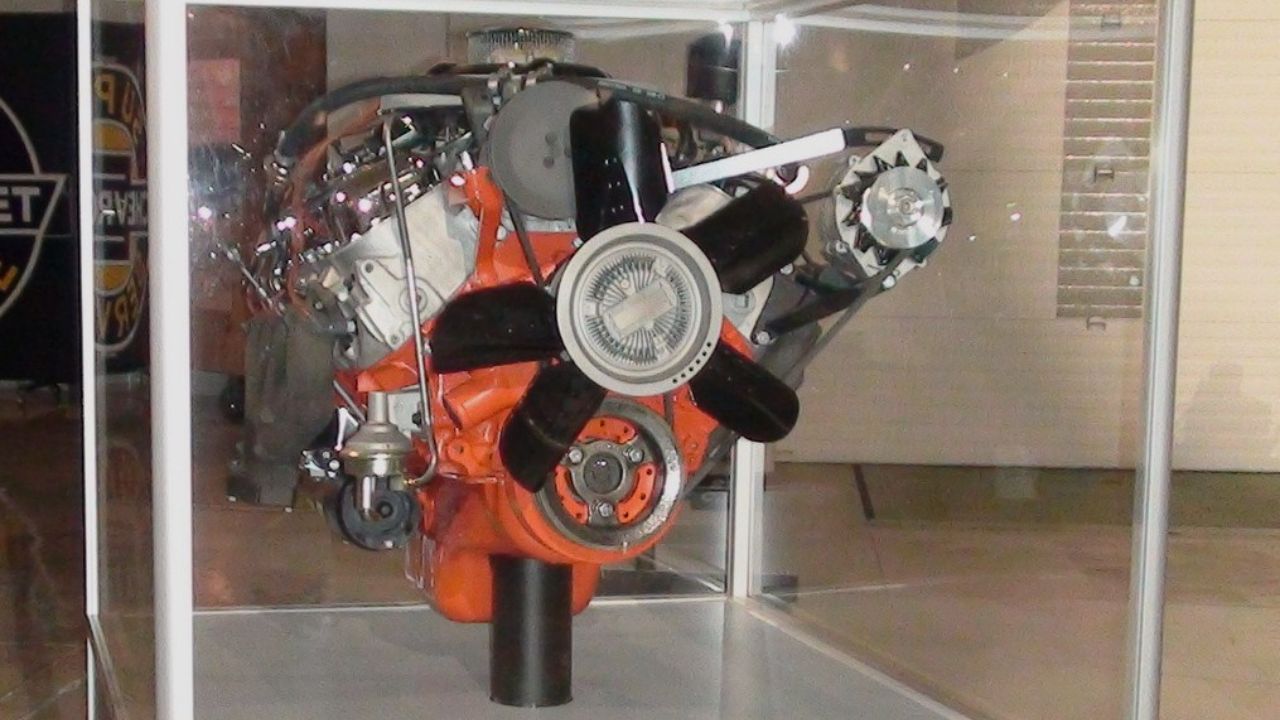
In the mid-20th century, Chevrolet was at the forefront of American automotive innovation, producing engines that were not only powerful but also reliable. During this era, the company continuously sought to push the limits of performance, which led to the development of several notable engines. Among these was a particularly rare powerplant that was designed for specific high-performance models, such as the 1963 Corvette and the 1965 Chevelle. This engine, known as the L88, was born out of a desire to compete in racing, embodying the spirit of speed and thrill that characterized the muscle car era.
The L88 engine was crafted by a team of talented engineers, including Zora Arkus-Duntov, often referred to as the “Father of the Corvette.” His vision for a lightweight, high-output engine led to the creation of the L88, a 427 cubic inch V8 capable of producing around 430 horsepower. Initially, it was intended for use in racing applications, but it quickly gained popularity among performance enthusiasts, leading to its inclusion in a limited number of production vehicles.
Production Challenges and Limited Availability
Despite its impressive capabilities, the L88 faced numerous challenges that contributed to its limited production numbers. For starters, the engine was expensive to produce, which made it less appealing to the average consumer. Chevy only manufactured around 20 of these engines for the 1967 Corvette model year, making them exceptionally rare. The high cost of the L88, combined with the introduction of more consumer-friendly engines, meant that many buyers opted for other options, further reducing its production volume.
The engine was only available in select models, including the Corvette and the Chevelle, which created a niche market for those interested in high-performance vehicles. As the automotive landscape evolved, changing market demands and consumer preferences led to a decline in interest in such specialized engines. This shift ultimately solidified the L88’s status as a rarity, making it a coveted item for collectors who appreciate unique automotive history.
The Enthusiast Community’s Fascination
Over the decades, the L88 has become a focal point for car collectors and enthusiasts alike, revered for its performance and scarcity. The engine’s legendary status is often celebrated at car shows, where it draws crowds eager to witness its raw power. Notable auctions, such as those held by Barrett-Jackson, frequently feature vehicles equipped with the L88, often fetching prices well into the six-figure range. The allure of owning a piece of automotive history has fueled a thriving community of collectors who share their passion for this rare powerplant.
Personal stories abound among those who own vehicles equipped with the L88. For instance, one enthusiast, John Smith, shared how he inherited a 1967 Corvette with the L88 engine from his father. “It was a labor of love for my dad,” he recalled. “Restoring it was a way to connect with him and keep the legacy alive.” Such narratives highlight the emotional connection that many collectors have with this powerplant, transcending mere ownership to become a vital part of their lives.
Restoration and Preservation Efforts
Restoring a vehicle equipped with the L88 engine is no small feat. One of the primary challenges restorers face is sourcing original parts, as many components are no longer manufactured. Enthusiasts often rely on specialized suppliers and online forums where they can connect with others who share their passion for the L88. Websites like Hemmings and classic car forums serve as valuable resources for finding rare parts and restoration tips.
Successful restoration projects often showcase the skill and dedication of the restorers involved. For example, the story of a 1969 Chevelle equipped with the L88 engine highlights the meticulous process of restoring such a rare vehicle. The owner worked closely with a team of experienced mechanics who spent over two years sourcing original parts and ensuring every detail was true to the factory specifications. The result was a stunning restoration that not only preserved the car’s legacy but also reignited interest in the L88’s remarkable history.
The Current Market and Future Outlook
The market for vehicles equipped with the L88 engine has seen significant fluctuations over the years, driven by collector interest and the overall health of the classic car market. Currently, prices for these vehicles can soar, often exceeding $100,000 at auctions. Factors such as condition, provenance, and rarity all play crucial roles in determining the market value. Notably, a 1967 Corvette with an L88 engine sold for a staggering $1.1 million at a recent Barrett-Jackson auction, underscoring the engine’s desirability.
As we look toward the future, trends indicate that interest in the L88 will likely continue to grow. The rise in popularity of vintage car culture among younger generations suggests a renewed appreciation for classic performance vehicles. In the coming decade, we may witness an increase in events dedicated to celebrating rare engines like the L88, as well as a surge in online communities where enthusiasts can share knowledge and experiences.
Legacy and Cultural Impact
The impact of the L88 powerplant extends beyond just the automotive community; it has left an indelible mark on American car culture and has been featured in various forms of media. Movies such as “Corvette Summer” and “American Graffiti” have showcased classic Chevrolets, including those powered by the L88, capturing the imagination of audiences and inspiring countless enthusiasts. The engine’s performance capabilities have made it a subject of fascination for automotive journalists and historians, solidifying its place in the annals of automotive lore.
Moreover, the L88 has inspired new generations of engineers and car enthusiasts, reminding them of the innovative spirit that drove Chevrolet’s engineering teams in the 1960s. Its legacy serves as a reminder of the importance of pushing boundaries and striving for excellence in automotive design. As enthusiasts continue to share their stories and experiences with the L88, its cultural impact will only grow, ensuring that this rare powerplant remains a celebrated icon in the world of classic cars.
More from Fast Lane Only
- Unboxing the WWII Jeep in a Crate
- 15 rare Chevys collectors are quietly buying
- 10 underrated V8s still worth hunting down
- Police notice this before you even roll window down
*Research for this article included AI assistance, with all final content reviewed by human editors.