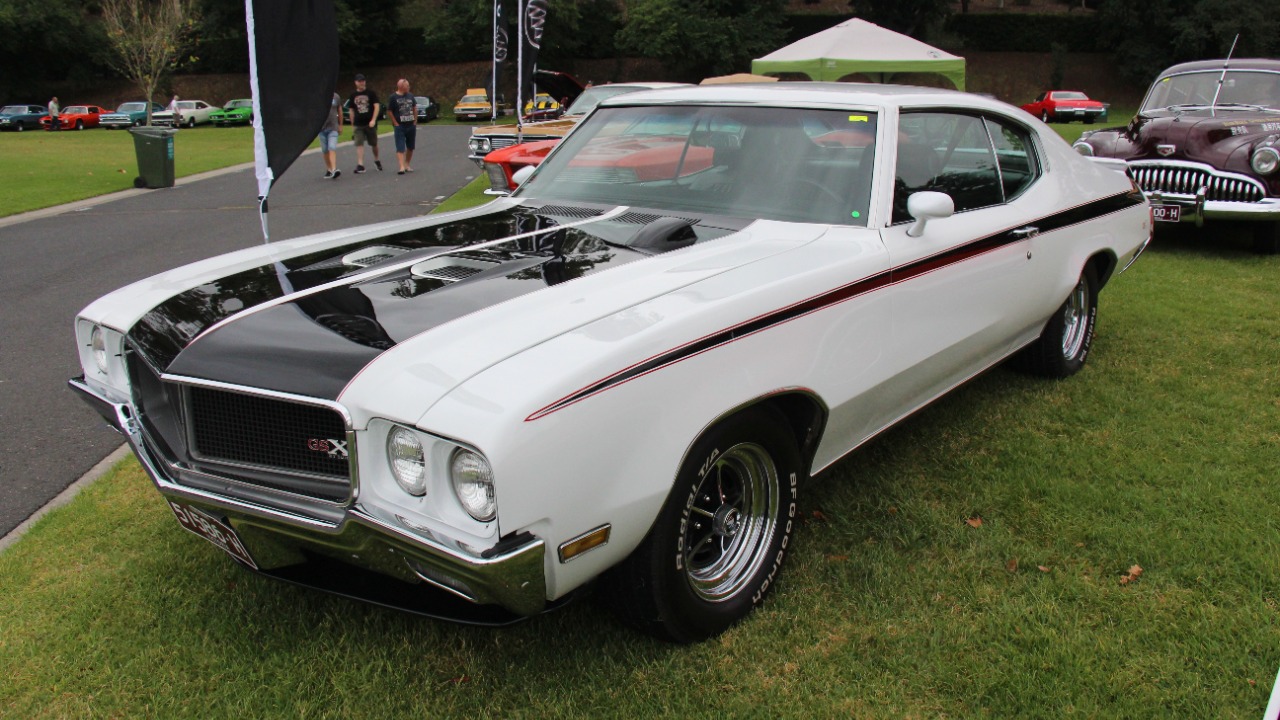
The 1970 Buick GSX stands as one of the most intriguing entries in the American muscle car saga, often overshadowed by its more famous counterparts. With a unique blend of style and power, the GSX offers a fascinating glimpse into an era of automotive innovation and competition.
The Birth of the Buick GSX
In the late 1960s, Buick was navigating a shifting automotive landscape, marked by the explosive popularity of muscle cars. The market was dominated by performance-driven models from manufacturers like Ford and Chevy, which appealed to younger buyers eager for speed and style. Recognizing this trend, Buick sought to carve out its niche, leading to the birth of the GSX, a vehicle designed to embody the spirit of the muscle car while showcasing Buick’s engineering prowess.
The development of the GSX was spearheaded by notable figures such as Buick’s chief engineer, Edward D. “Eddie” Earl, and John Schinella, the chief designer. They aimed to create a car that not only competed with the likes of the Pontiac GTO and Chevy Chevelle but also offered the refinement and luxury that Buick was known for. The result was the GSX, a powerful vehicle that delivered on performance while maintaining the brand’s commitment to comfort and quality.
The Engineering Marvel: Performance Specs
At the heart of the 1970 Buick GSX was the formidable 455 cubic inch V8 engine, which was a key factor in its appeal. Capable of producing an astounding 360 horsepower and 510 lb-ft of torque, this engine made the GSX a formidable competitor on the streets and racetracks alike. The vehicle could accelerate from 0 to 60 mph in just 5.7 seconds, a remarkable feat for its time. This performance was not merely a marketing ploy; it was a testament to the engineering excellence that Buick had achieved.
When compared to its contemporaries, the GSX held its ground admirably. While the Pontiac GTO and Chevy Chevelle were also powerful vehicles, the GSX’s torque output gave it an edge in straight-line acceleration. The combination of performance metrics and engineering made it one of the standout muscle cars of the era, despite its overshadowed status in the larger muscle car narrative.
Unique Design Features
The Buick GSX was not just about power; it also boasted distinctive styling elements that set it apart from the competition. The bold design featured a wide stance, aggressive front grille, and a rear spoiler that not only enhanced its aesthetics but also improved aerodynamics. The GSX was available in striking color options, including the iconic “Apollo White” and “Stage 1 Yellow,” both of which were complemented by black stripes and decals that underscored its performance pedigree.
The interior of the GSX was equally impressive, featuring bucket seats and a driver-focused dashboard that emphasized both comfort and functionality. The car came with optional amenities such as air conditioning and an upgraded sound system, ensuring that drivers could enjoy a high-performance ride without sacrificing comfort. This attention to detail in design contributed to the GSX’s unique identity within the muscle car segment.
The GSX’s Place in Muscle Car Culture
Upon its release, the 1970 Buick GSX received a mixed reception from the public and critics alike. While some praised its performance and unique design, others viewed it as an understated alternative to its more flamboyant competitors like the Pontiac GTO and the Chevy Chevelle. Nevertheless, the GSX slowly carved out a niche for itself, becoming a beloved choice among enthusiasts who appreciated its blend of power and refinement.
In popular media and car culture, the GSX was often overshadowed by more iconic models, yet it still made its mark. It was featured in automotive magazines and television shows, gaining a loyal following among collectors and car aficionados. The muscle car culture of the time was characterized by a sense of rebellion and freedom, and the GSX, with its bold styling and powerful engine, embodied these ideals, albeit in a more understated manner than some of its counterparts.
Underrated Power: Myths vs. Reality
Despite its impressive specifications and unique design, the Buick GSX has often been subject to misconceptions regarding its performance. Some enthusiasts mistakenly believe that it could not compete with the bigger names in the muscle car arena. However, real-world performance experiences from owners and enthusiasts tell a different story. Many GSX owners report that their vehicles deliver exhilarating acceleration and handling, often surprising those who underestimate its capabilities.
As the years have passed, the GSX’s reputation has gradually evolved. Once dismissed as a lesser competitor, it is now recognized as an important part of American automotive history. The GSX has garnered a dedicated following, with enthusiasts actively sharing their experiences and knowledge, helping to dispel myths and highlight the car’s true performance potential. This shift in perception illustrates the enduring allure of the GSX and its rightful place in the pantheon of muscle cars.
The Limited Production and Collectability
The 1970 Buick GSX was produced in limited numbers, with only 678 units built, making it a rare find today. This limited production run has significantly impacted its legacy, as rarity often drives demand among collectors and enthusiasts. Many of these cars have been preserved and restored, showcasing the craftsmanship and engineering that went into their production.
As the market for classic muscle cars continues to grow, the value of the GSX has steadily increased. Collectors are willing to pay a premium for well-preserved models, and the car’s rarity only adds to its allure. Auctions frequently feature GSXs that fetch impressive sums, demonstrating a renewed interest in this underrated muscle car. The GSX is not just a vehicle; it symbolizes a specific era of American automotive history and innovation.
Restoration and Preservation Efforts
Restoring a 1970 GSX presents its own set of challenges, often requiring specialized knowledge and resources. Many owners find themselves navigating a complex landscape of parts sourcing and mechanical restoration, as original parts can be difficult to locate. However, communities dedicated to the preservation of classic Buicks have emerged, offering support and resources for enthusiasts looking to restore their vehicles to their former glory.
Personal stories from GSX owners often highlight the passion and dedication involved in restoration projects. Many recount the thrill of bringing a long-neglected vehicle back to life, experiencing the same excitement that original owners felt in the 1970s. These restoration efforts not only preserve the legacy of the GSX but also strengthen the bonds within the community. Online forums and car shows provide platforms for these enthusiasts to share their experiences, tips, and hard-earned advice, ensuring that the spirit of the GSX lives on.
The Future of the 1970 Buick GSX
As the automotive industry evolves, speculation around the revival of the GSX nameplate has gained traction. Many enthusiasts and industry experts believe that bringing back the GSX could resonate with a new generation of drivers eager for performance-oriented vehicles. The enduring legacy of the GSX, combined with modern technology, could create an exciting new iteration that captures the essence of the original while integrating contemporary advancements.
The GSX has played a critical role in shaping the narrative of American muscle cars, standing as a testament to Buick’s engineering capabilities and design philosophy. As interest in classic muscle cars continues to soar, the potential for a modern GSX reimagines the vehicle’s legacy. Incorporating the spirit of the original GSX while leveraging advancements in performance technology could provide an exhilarating driving experience that honors its storied past.
More from Fast Lane Only