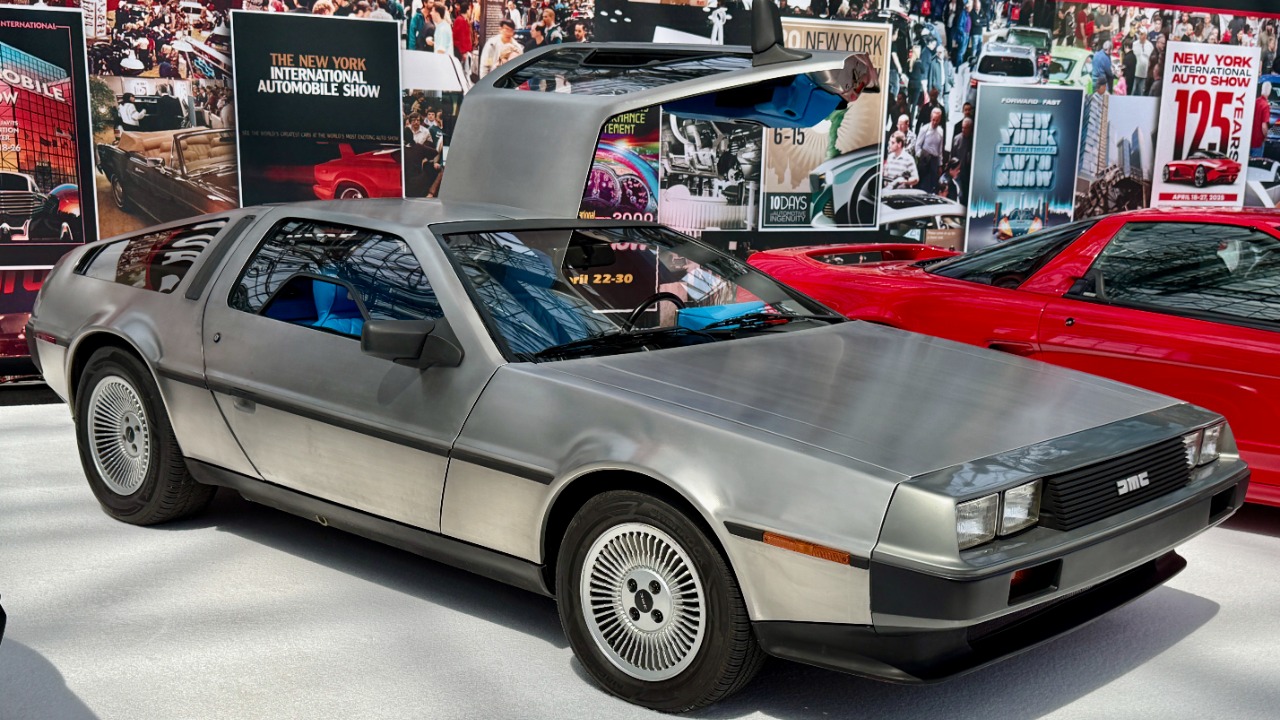
The DeLorean DMC-12, with its futuristic design and unique stainless-steel body, was initially a commercial failure, but its legacy grew exponentially after production ceased in 1982. Factors such as its distinctive aesthetics, cultural significance through film, and the rise of nostalgia among car enthusiasts contributed to its enduring fame. This article delves into how the DeLorean became an icon long after it left the production line.
The DeLorean’s Unique Design and Features
The DeLorean DMC-12 is instantly recognizable thanks to its stainless-steel body and gull-wing doors. This innovative design was not merely for aesthetics; it was a bold statement reflecting the automotive aspirations of the late 1970s. Designed by Giorgetto Giugiaro, the car’s sharp lines and futuristic look were both lauded and criticized during its initial release. Some admired its uniqueness, while others were skeptical about its performance capabilities, particularly given its modest V6 engine.
Despite these critiques, the car’s engineering was revolutionary for its time. It featured a rear-engine layout and advanced suspension setup, which contributed to a driving experience that was unlike many of its contemporaries. However, the initial reception was mixed, with many potential buyers deterred by its high price tag and the associated concerns regarding quality control. This combination of factors meant that the DeLorean struggled to find its footing in a competitive sports car market.
Cultural Impact Through Film and Media
The turning point for the DeLorean came when it was featured as the iconic time machine in the “Back to the Future” trilogy. Released in 1985, the film introduced the DeLorean to a new audience, transforming it from a commercial failure into a cultural phenomenon. The depiction of the car as a time-traveling vehicle captured the imagination of audiences worldwide and solidified its status as a pop culture icon. Its role in the film not only elevated the car’s profile but also created a nostalgia that resonated deeply with viewers.
Subsequently, the DeLorean made appearances in various other media, including television shows, music videos, and even video games. These appearances further embedded the car into the fabric of 1980s culture and beyond. In recent years, the DeLorean has been referenced in shows like “Stranger Things” and has been featured in numerous documentaries that celebrate its unique place in automotive history.
3. The Role of Nostalgia in Reviving Interest
The resurgence of nostalgia for the 1980s has played a significant role in reviving interest in the DeLorean. As millennials and Gen Z grew up watching “Back to the Future,” the car became a symbol of a bygone era, reminiscent of simpler times. Collectors and car enthusiasts have increasingly sought out vintage vehicles, and the DeLorean stands out as one of the most recognizable models from that period. Car shows and auctions frequently feature DeLoreans, attracting enthusiasts eager to own a piece of automotive history.
This nostalgia-driven market has not only increased demand for the DeLorean but has also influenced how it is marketed. The car is often portrayed as a collector’s dream, symbolizing the innovation and design ethos of the early 1980s. Online communities and forums dedicated to DeLorean enthusiasts have sprung up, fostering a shared appreciation for the model and encouraging restoration projects that keep the spirit of the vehicle alive.
The DeLorean as a Collector’s Item
As interest in the DeLorean has surged, it has become a hot commodity in the collector car market. Prices have steadily climbed, reflecting the vehicle’s iconic status and the demand among collectors. Factors that influence its value include the car’s condition, mileage, and provenance. Notably, some DeLoreans have sold for upwards of $100,000 at auctions, far exceeding their original retail price.
Notable owners have also contributed to the car’s allure. Celebrities and public figures have been known to own DeLoreans, enhancing their desirability among fans. Stories of restoration journeys and personal connections to the vehicle have added a rich narrative to its history, making it more than just a car; it has become a symbol of passion and dedication among enthusiasts. The DeLorean’s unique story continues to captivate and inspire those who seek to own a piece of its legacy.
Online Communities and Social Media Influence
The rise of online communities dedicated to the DeLorean has significantly contributed to its resurgence in popularity. Forums and social media groups allow enthusiasts to share restoration tips, parts sourcing, and personal stories related to their ownership experiences. Platforms like Instagram and Facebook have become vital spaces for showcasing restorations and modifications, with users posting before-and-after pictures that highlight the car’s potential.
Additionally, viral content plays a crucial role in elevating the DeLorean’s status. Videos on platforms like YouTube feature restorations, modifications, and even test drives, reaching a broader audience and rekindling interest among those who may have forgotten about the car. This digital presence serves to educate new generations about the DeLorean’s history and its significance in automotive culture, ensuring that it remains relevant in today’s fast-paced digital landscape.
The Legacy of John DeLorean
John DeLorean’s life and career were marked by both innovation and controversy, which have contributed to the mystique surrounding the DeLorean brand. Once a rising star at General Motors, DeLorean’s vision for a revolutionary sports car led him to establish his own company in the 1970s. However, his ambitious plans were marred by financial difficulties and legal troubles, leading to the eventual collapse of the DMC brand in 1982.
Despite these challenges, DeLorean’s vision for the DMC-12 continues to inspire automotive enthusiasts. His story is often viewed as a cautionary tale about the risks of innovation, but it also highlights the dream of creating something truly unique. Posthumous recognition of his contributions to the automotive industry has resulted in tributes and retrospectives that celebrate his lasting impact. The DeLorean remains a testament to his ambition, creativity, and the complexities of the automotive world.
The DeLorean’s Technological Innovations
The DeLorean DMC-12 was not just a pretty face; it boasted a range of technological innovations that were impressive for its time. The car featured a rear-engine layout, which provided a balanced weight distribution, and a stainless-steel body that eliminated the need for paint, thus reducing long-term maintenance issues. Furthermore, its suspension system was ahead of its time, offering a smooth ride that challenged many contemporary vehicles.
In comparisons with other vehicles from the same era, the DeLorean stood out for its engineering choices. While many manufacturers focused on traditional designs, DeLorean’s commitment to innovation paved the way for future automotive developments. Today, discussions around the DeLorean often highlight its unique engineering features, solidifying its place in the automotive history books as a pioneer of its time.
Revivals and New Ventures
Recent years have seen renewed interest in the DeLorean brand, with various attempts to revive the iconic model. Plans for electric versions of the DMC-12 are currently in the works, showcasing a commitment to modernizing the classic vehicle while retaining its distinctive identity. These efforts speak to the ongoing relevance of the DeLorean in today’s automotive landscape, where sustainability and innovation are increasingly prioritized.
As the automotive industry evolves, the DeLorean remains a significant part of the conversation surrounding electric vehicles and modern design. The legacy of John DeLorean and the DMC-12 serves as a reminder of the importance of creative vision in driving innovation, and the potential for classic cars to adapt to new technological paradigms.
More from Fast Lane Only