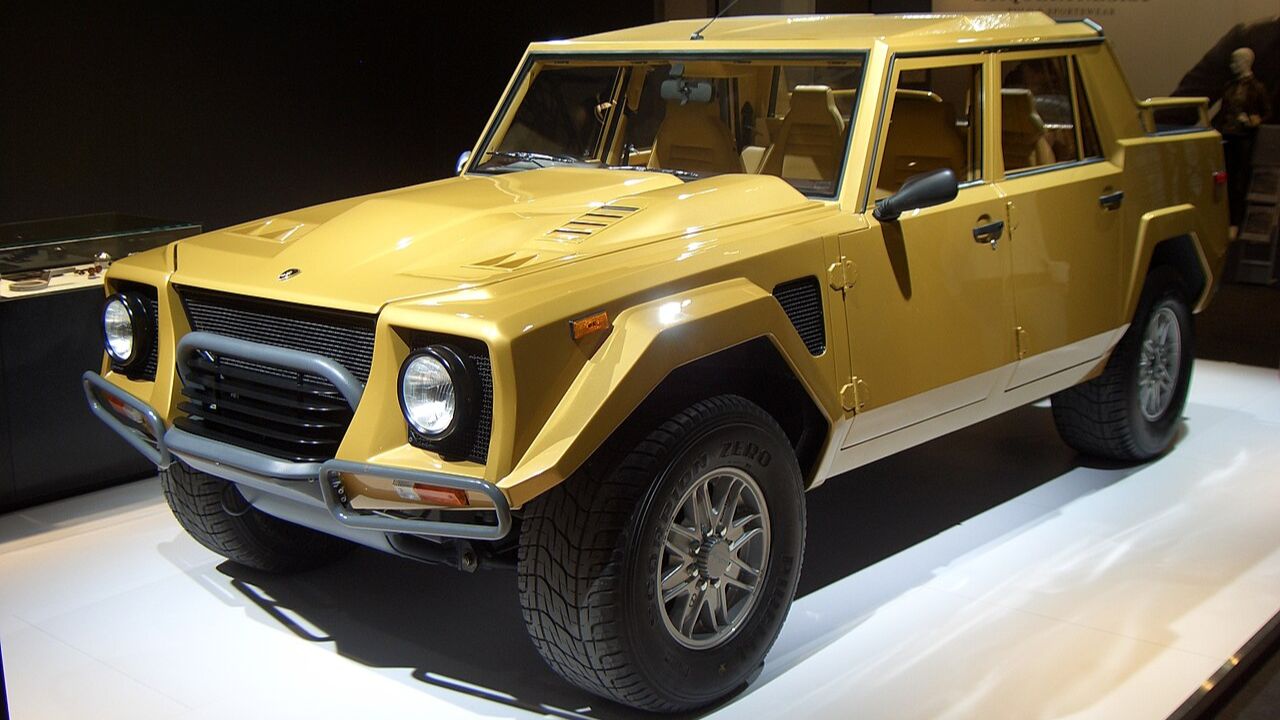
The Lamborghini LM002, often dubbed the “Rambo Lambo,” was an audacious foray into the world of SUVs by a brand synonymous with high-performance sports cars. Launched in 1986, this unique vehicle paved the way for the future of performance SUVs, even though the market at the time was ill-prepared for such a bold concept. With its striking design, powerful engine, and luxury features, the LM002 stood out in an era dominated by traditional automotive designs and consumer expectations.
The Context of the 1980s Automotive Landscape
The automotive landscape of the 1980s was marked by significant shifts in consumer preferences, particularly towards larger vehicles. As the decade progressed, families began favoring SUVs and minivans over compact cars, driven by a desire for more space and versatility. This trend was further amplified by the increasing popularity of off-road capabilities, as more drivers sought vehicles that could handle rugged terrain while maintaining a comfortable driving experience. Automakers began to recognize this shift, leading to a gradual transformation in vehicle design that prioritized size and functionality.
Luxury vehicles also gained traction during this period, as affluent consumers sought out automobiles that reflected their status. Brands like Mercedes-Benz and BMW started to dominate the luxury market, offering sophisticated features and superior performance. However, the high-performance segment remained largely the domain of sports cars, with few players willing to venture into the SUV territory. This set the stage for Lamborghini’s bold decision to introduce the LM002, a vehicle that would merge luxury, performance, and utility in a way that had never been seen before.
The Birth of the LM002
The LM002’s origins can be traced back to a military vehicle development project that Lamborghini embarked on in the late 1970s. The Italian manufacturer initially designed the vehicle for military applications, aiming to create a robust and versatile off-road vehicle. However, as the project evolved and the military contract fell through, Lamborghini executives saw an opportunity to pivot the design towards a civilian market. This led to the LM002’s transformation from a utilitarian military vehicle into a luxury SUV that retained its rugged DNA.
Design and engineering challenges were abundant during the production of the LM002. The vehicle’s unique shape, characterized by sharp angles and a commanding presence, was spearheaded by the renowned designer Marcello Gandini. His vision was to create a vehicle that was both functional and visually striking, a departure from traditional SUV designs of the era. However, achieving this vision required overcoming significant engineering hurdles, including the integration of a powerful V12 engine and the development of a suitable chassis capable of withstanding off-road conditions while providing a luxurious experience.
Design Features and Performance Specifications
The LM002 was notable for its distinctive design elements that set it apart from its contemporaries. It featured a boxy silhouette, flared wheel arches, and a prominent front grille that exuded a sense of aggression and luxury. The use of high-quality materials was evident throughout the interior, which included leather upholstery, advanced sound systems, and a host of modern conveniences that defined luxury at the time. This combination of rugged aesthetics and opulent features created a vehicle that was as much a status symbol as it was a functional SUV.
Under the hood, the LM002 housed a powerful 5.2-liter V12 engine, capable of producing an impressive 450 horsepower. This performance enabled it to accelerate from 0 to 60 mph in just 7.7 seconds, impressive for a vehicle of its size and weight. The four-wheel-drive system and advanced suspension allowed the LM002 to tackle off-road terrains with ease, making it a versatile choice for adventurous drivers. Comparatively, contemporary vehicles like the Jeep Wagoneer or Range Rover lacked the same level of performance and luxury, positioning the LM002 as a unique offering in the market.
The LM002’s Target Market
The intended clientele for the LM002 was primarily wealthy individuals and collectors who sought exclusivity in their automotive choices. Lamborghini’s reputation as a high-performance sports car manufacturer attracted affluent buyers looking for something extraordinary. The LM002 offered a blend of ruggedness and luxury, appealing to those who desired a vehicle that could perform on the racetrack and the rugged terrain of their weekend getaways.
Early adopters of the LM002 were often impressed by its unique combination of features and performance. The exclusivity associated with owning a Lamborghini added to its allure, as very few were produced—approximately 328 units were made between 1986 and 1993. This limited production run contributed to the vehicle’s desirability among collectors, who recognized its potential for becoming a classic. The LM002’s rugged yet luxurious design resonated with those who wanted to make a statement, and it quickly garnered a loyal following.
Why the Market Wasn’t Ready
Despite its innovative design and performance capabilities, the market for high-performance SUVs was not ready in the 1980s. Cultural perceptions of SUVs at the time were largely influenced by their utility and off-road capabilities, rather than performance or luxury. Many consumers viewed SUVs as practical vehicles designed for families or outdoor enthusiasts, not as high-performance machines that could rival sports cars.
Moreover, the economic landscape of the 1980s played a significant role in shaping consumer spending habits. The global economy faced challenges, including fluctuating oil prices and economic recessions, which impacted consumer confidence and spending on luxury items. As a result, the demand for high-performance SUVs was limited, leaving the LM002 as a niche product in a market that was not yet ready to embrace the concept of a luxury performance SUV.
Legacy and Influence on Future SUVs
Despite its mixed reception during its production years, the LM002 laid the groundwork for future performance SUVs. Its unique blend of luxury, performance, and off-road capability created a template that would be revisited by other manufacturers in the decades that followed. Brands like Porsche and Bentley would later draw inspiration from the LM002 when developing their own luxury SUVs, such as the Porsche Cayenne and the Bentley Bentayga, both of which have enjoyed significant success in the market.
The LM002 also played a crucial role in shaping Lamborghini’s brand identity. It demonstrated the company’s willingness to innovate and explore new market segments, ultimately paving the way for models like the Urus, which has become one of Lamborghini’s best-selling vehicles. The evolution of consumer expectations for SUVs has shifted dramatically since the 1980s, with buyers now seeking high-performance options that do not compromise on luxury or capability, a legacy that the LM002 helped establish.
Collectibility and Value Today
Today, the Lamborghini LM002 is regarded as a collector’s item, with its rarity and unique features contributing to its market value. As the years have passed, the vehicle’s status has only grown, with some examples fetching prices upwards of $400,000 at auctions and private sales. Factors contributing to its collectibility include its limited production run and the fact that it represents a significant chapter in Lamborghini’s history as the brand expanded beyond traditional sports cars.
The LM002’s value is also influenced by its place in automotive history, as it stands as one of the first true performance SUVs. Collectors appreciate the vehicle not only for its performance capabilities but also for its unique design and engineering challenges. Compared to other classic SUVs, such as the Range Rover Classic or the Mercedes-Benz G-Wagon, the LM002 has carved out a niche that appeals to those looking for a piece of automotive history that stands apart from the mainstream.
More from Fast Lane Only