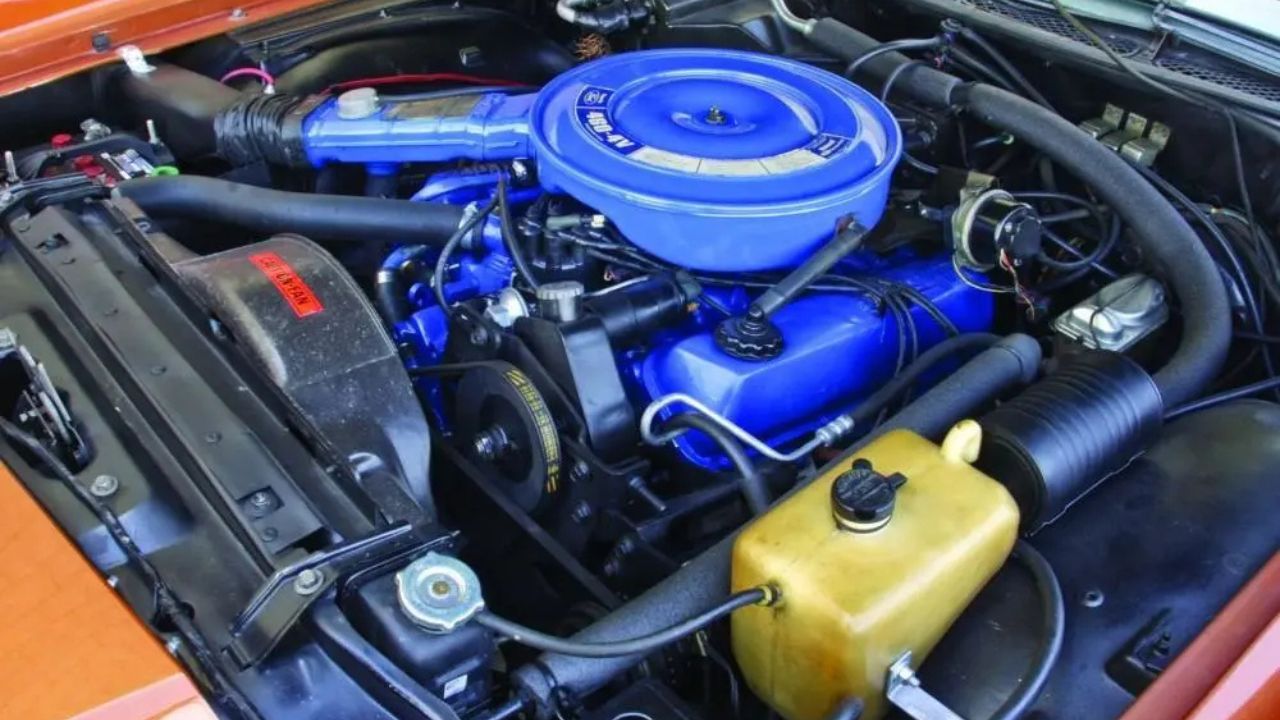
Ford has built some of the most famous engines in American automotive history, but few were as ambitious as the 460-cubic-inch V8. Introduced at the height of Detroit’s horsepower wars, the massive big-block represented everything Ford believed customers wanted: effortless power, smooth performance, and enough displacement to dominate any showroom conversation.
The problem was that the market was changing faster than Ford expected.
What began as a bold bet on size and prestige soon became a lesson in how quickly consumer tastes, fuel prices, and government regulations can reshape the automotive landscape. The Ford 460 would survive for decades, but the assumptions that inspired it would not.
Why Ford Went All-In on the 460
During the late 1960s, bigger engines still meant bigger sales. American buyers wanted large cars, smooth highway cruising, and enough power to move thousands of pounds of steel without breaking a sweat.
Ford’s answer was the 460 V8, part of the company’s 385 engine family. Debuting for the 1968 model year, the engine was designed to provide abundant torque and effortless performance in Ford’s largest and most luxurious vehicles.
On paper, it looked like a winner.
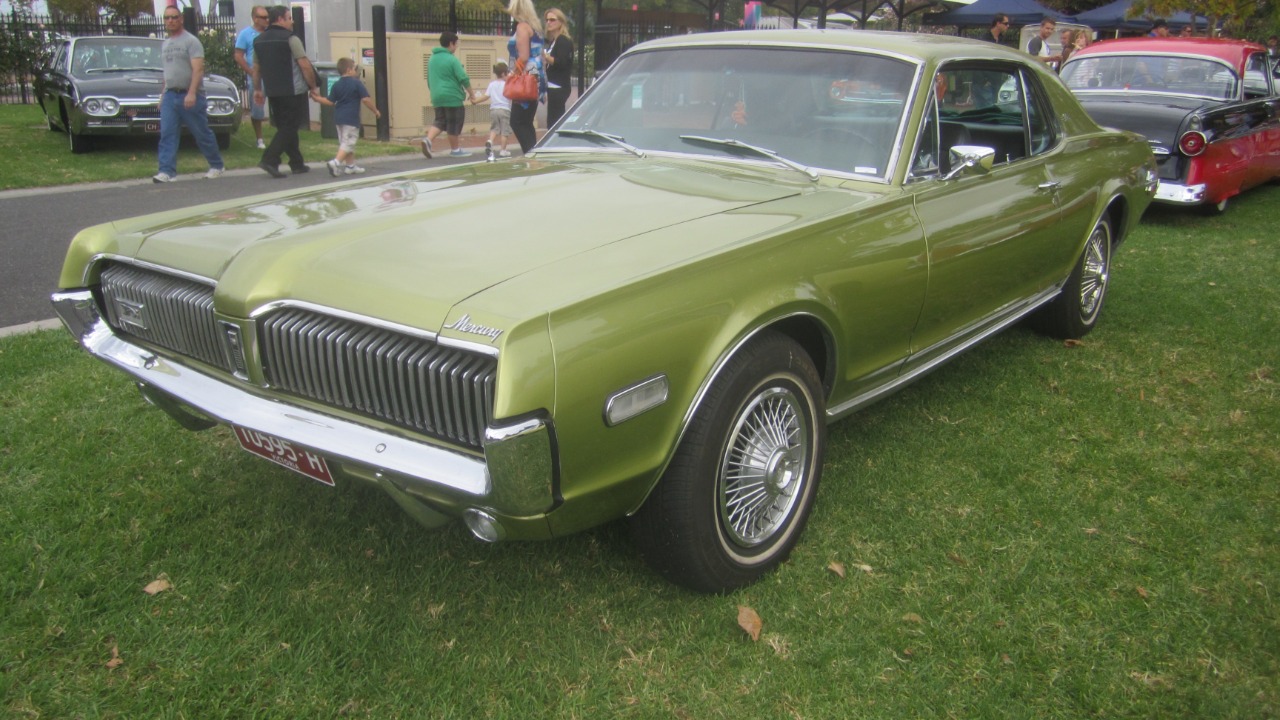
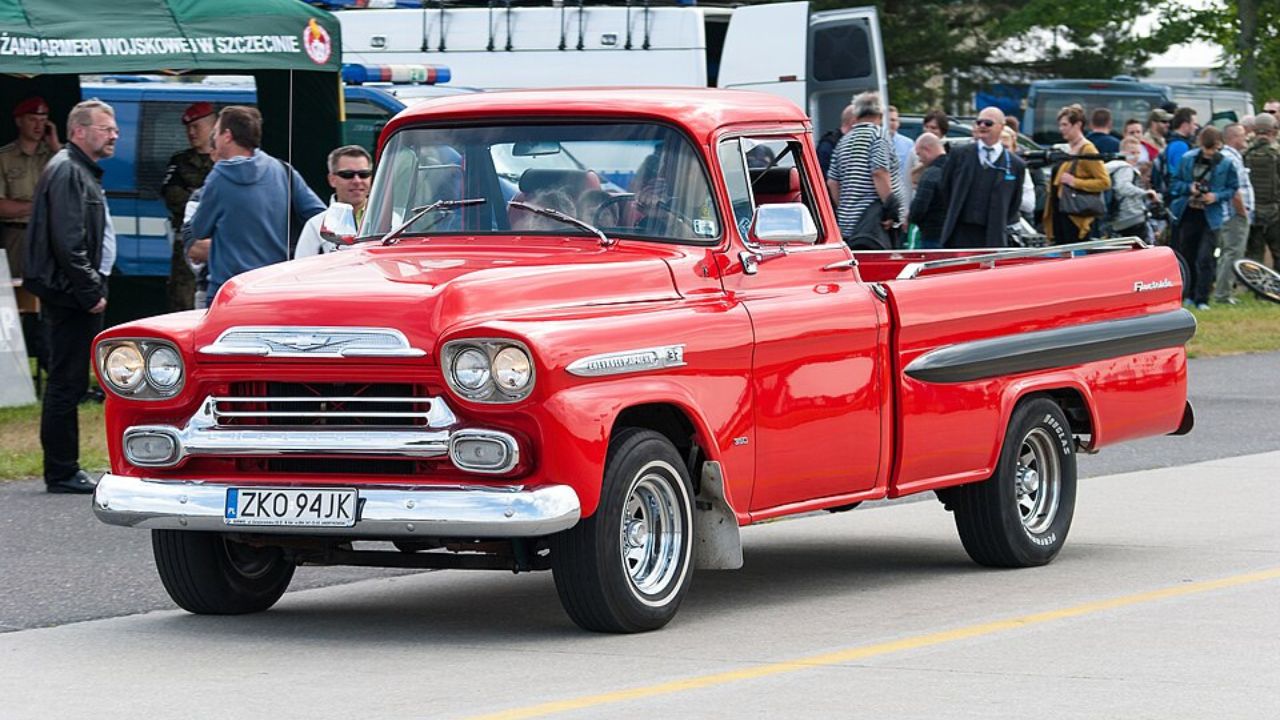
The 460 delivered strong power, impressive low-end torque, and the kind of specifications that marketing teams loved. It quickly found its way into full-size sedans, station wagons, luxury coupes, and eventually trucks and motorhomes.
Executives believed the formula was simple: Americans loved big engines, so giving them an even bigger one would strengthen Ford’s position in the market.
For a brief moment, they were right.
The Market Changes Overnight
The 460 arrived during the final years of America’s golden age of displacement.
As the 1970s unfolded, fuel prices rose, emissions regulations tightened, and buyers began paying closer attention to operating costs. The oil crises transformed consumer priorities almost overnight.
Suddenly, the qualities that made the 460 attractive became potential drawbacks.
Customers who once bragged about cubic inches now worried about fuel economy. Insurance rates climbed. Environmental concerns gained political momentum. Regulators pushed automakers toward cleaner and more efficient vehicles.
Ford found itself heavily invested in a philosophy that no longer matched the direction of the market.
The company had spent years perfecting large-displacement engines just as many consumers began looking for smaller, more efficient alternatives.
The 460 Wasn’t the Problem
Ironically, the engine itself was never a failure.
Owners praised the 460 for its durability, smooth operation, and enormous torque output. The engine proved capable of powering everything from luxury cars to heavy-duty trucks with remarkable reliability.
The real issue was strategic.
Ford’s leadership had assumed that large-displacement engines would remain a major selling point well into the future. Instead, the company discovered that consumers increasingly cared about efficiency, practicality, and long-term ownership costs.
The 460 became a symbol of an era that was fading away.
While the engine continued serving faithfully in trucks and commercial applications, its original role as a prestige powerplant became harder to justify.
Internal Lessons for Ford
Large engine programs require enormous investments.
Developing a new engine family involves years of engineering work, extensive testing, manufacturing upgrades, supplier commitments, and long-term production planning. Once those investments are made, reversing course becomes difficult and expensive.
The changing fortunes of the 460 forced Ford to confront an uncomfortable reality: even technically successful products can become strategic liabilities when market conditions shift.
The experience encouraged more cautious planning throughout the company.
Future powertrain programs faced greater scrutiny. Executives became more willing to consider fuel costs, regulatory changes, and evolving customer preferences when evaluating major investments.
The lesson was simple but painful: building a great engine is not enough if buyers no longer value what it offers.
How the 460 Influenced Modern Ford Engines
Many of Ford’s current powertrain decisions can be traced back to lessons learned during the big-block era.
Instead of relying solely on displacement, modern Ford engines focus on extracting more performance from smaller packages. Turbocharging, direct injection, advanced transmissions, and hybrid systems allow today’s vehicles to deliver strong performance while consuming less fuel.
The company’s popular EcoBoost engines embody this philosophy.
Rather than advertising ever-larger V8s, Ford now emphasizes torque, efficiency, towing capability, and real-world usability. Customers are shown measurable benefits instead of impressive-looking specifications.
That shift reflects decades of learning from changing market conditions.
Why the Story Still Matters Today
Ford now faces another major transition as the industry moves toward electrification.
In many ways, batteries and electric motors occupy the same strategic role that large-displacement engines once did. They require massive investments, long development cycles, and educated guesses about what customers will want years in the future.
The story of the 460 serves as a reminder that even the biggest automakers cannot perfectly predict the future.
Ford’s giant V8 ultimately survived and earned a reputation as one of the company’s most durable engines. Yet the larger gamble behind it—that consumers would always want bigger engines—proved far less durable.
That lesson continues to influence Ford’s decisions today, making the 460 more than just a famous engine. It stands as a symbol of one of the most important strategic turning points in the company’s history.
More from Fast Lane Only