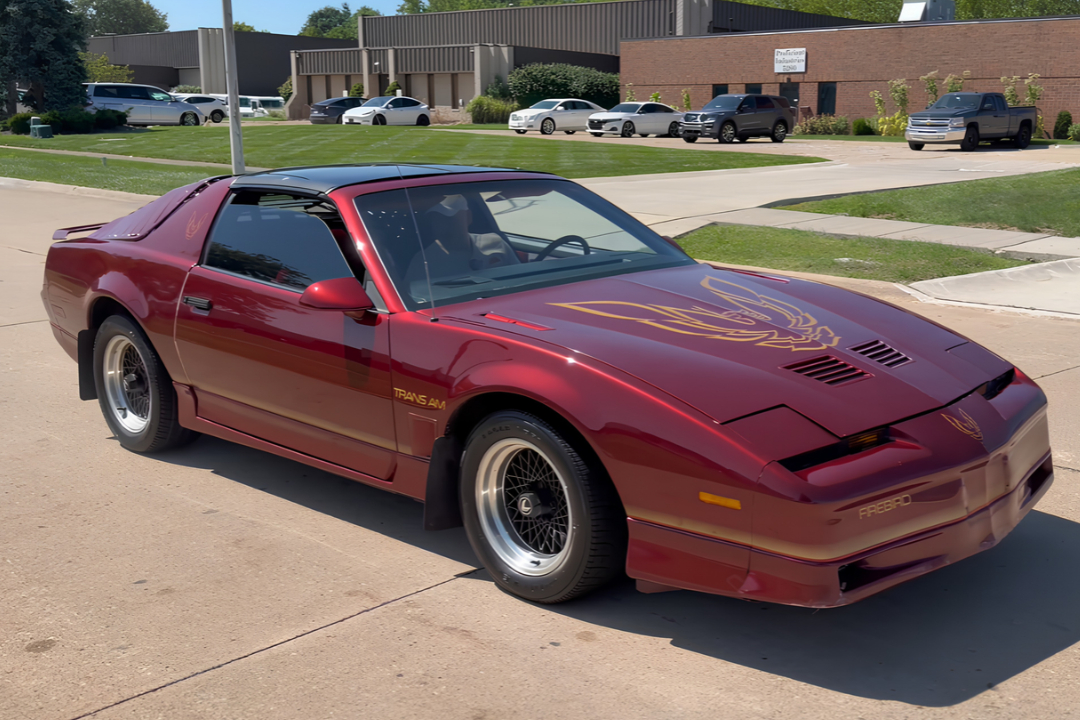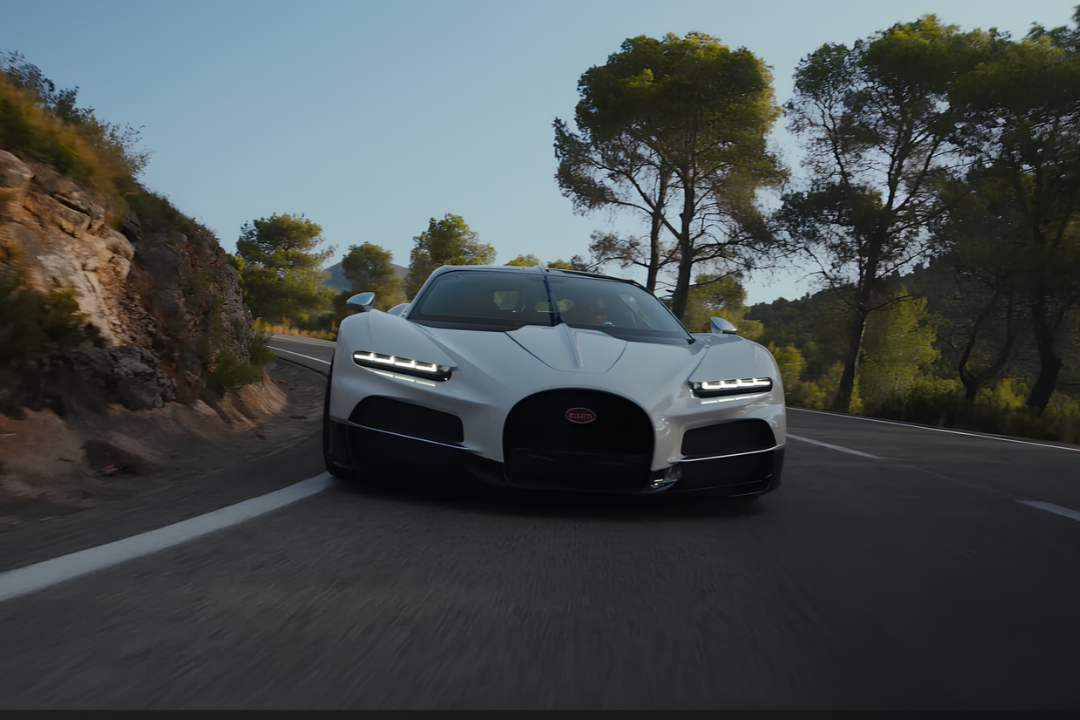
The automotive industry has seen periods where horsepower wars accelerated so quickly that a model’s output seemed to jump dramatically from one generation to the next. Buyers who purchased an early version often found themselves surprised by how much more powerful the same nameplate became only a few years later.
Ford Mustang GT (1979–1993 Fox Body)
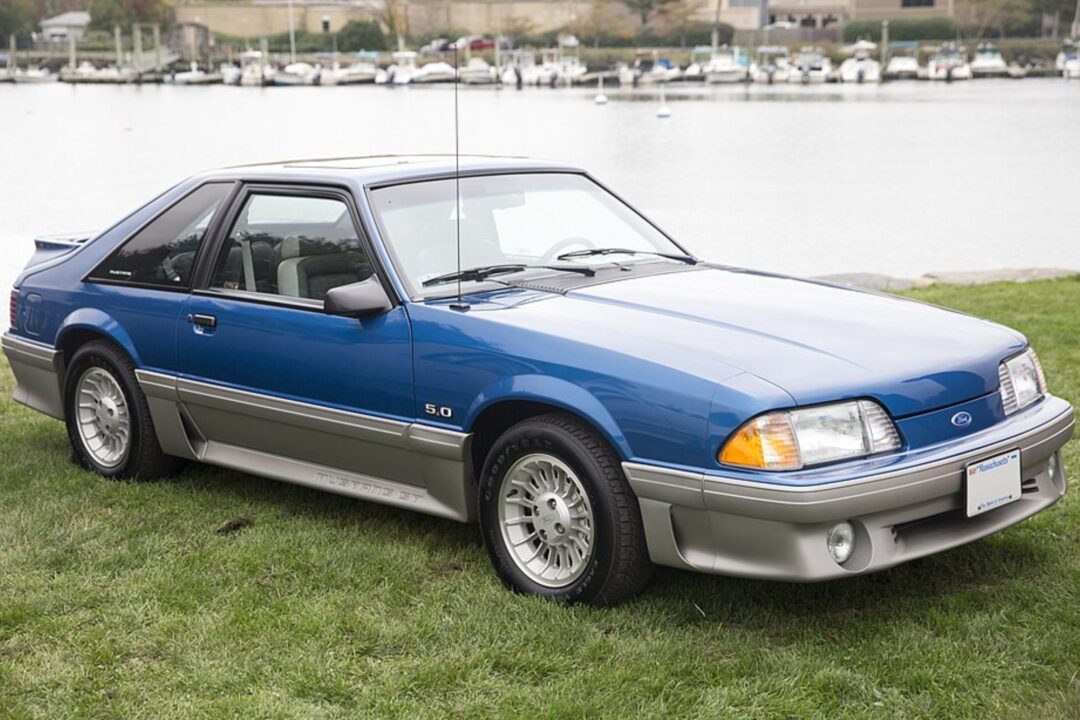
The Ford Mustang GT Fox Body began the 1980s with relatively modest output by performance-car standards. As the decade progressed, fuel injection, engine improvements, and renewed interest in performance pushed horsepower steadily upward. By the early 1990s, the Mustang GT was producing significantly more power than many buyers had anticipated a decade earlier.
Chevrolet Camaro Z28 (1982–1992)
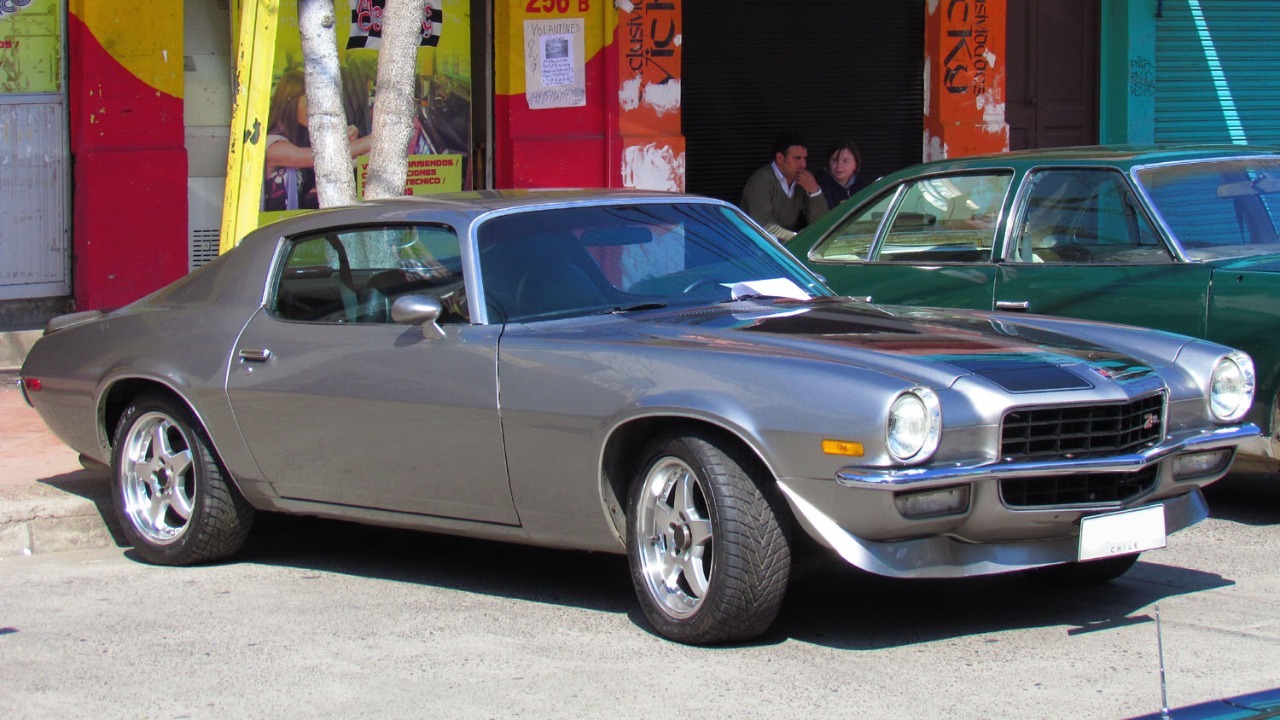
The Chevrolet Camaro Z28 emerged from the emissions era with modest horsepower figures but improved rapidly throughout the 1980s. Engine upgrades and better tuning transformed the Camaro into a much stronger performer, helping reignite the American horsepower race.
Dodge Viper
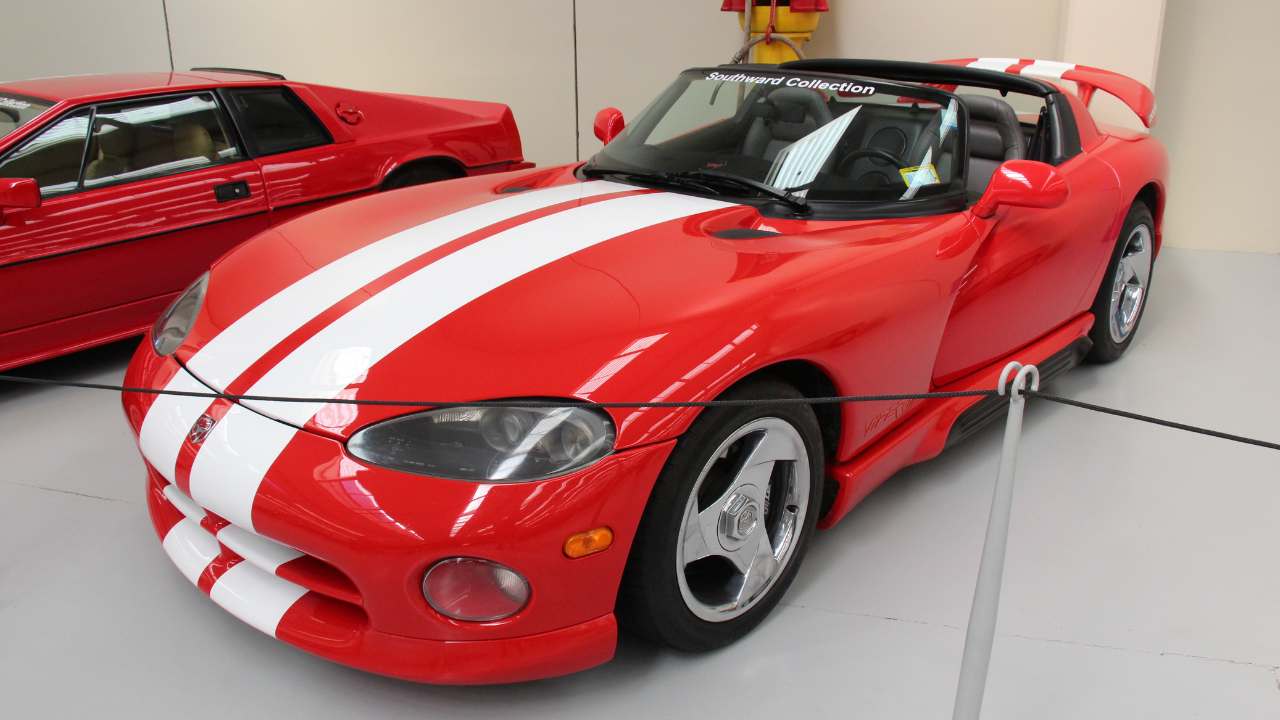
The Dodge Viper started with an already impressive V10, but later generations saw substantial power increases. What began as a raw performance machine evolved into a supercar-level performer, with horsepower climbing far beyond what early buyers likely imagined.
Chevrolet Corvette C5 to C6 Z06
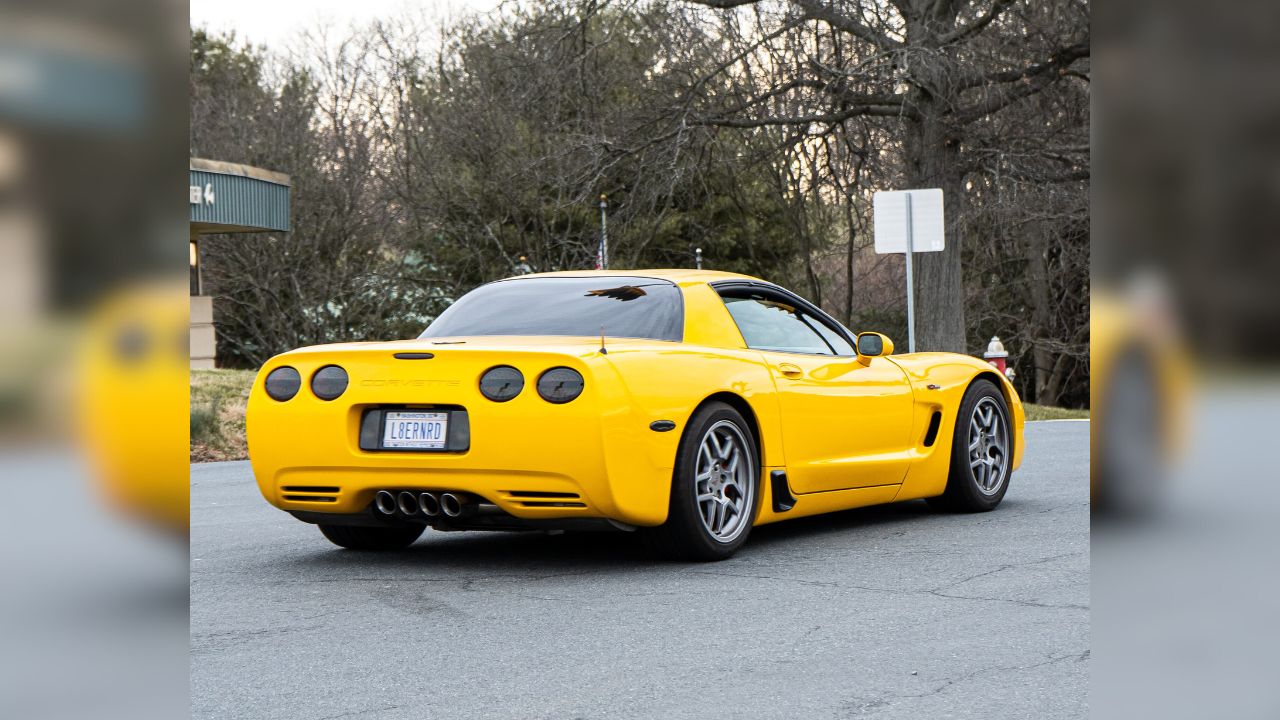
The Chevrolet Corvette Z06 illustrates how quickly performance expectations changed in the 2000s. The move from the C5 generation to the C6 Z06 brought a dramatic jump in output, elevating the Corvette into territory previously occupied by much more expensive exotic cars.
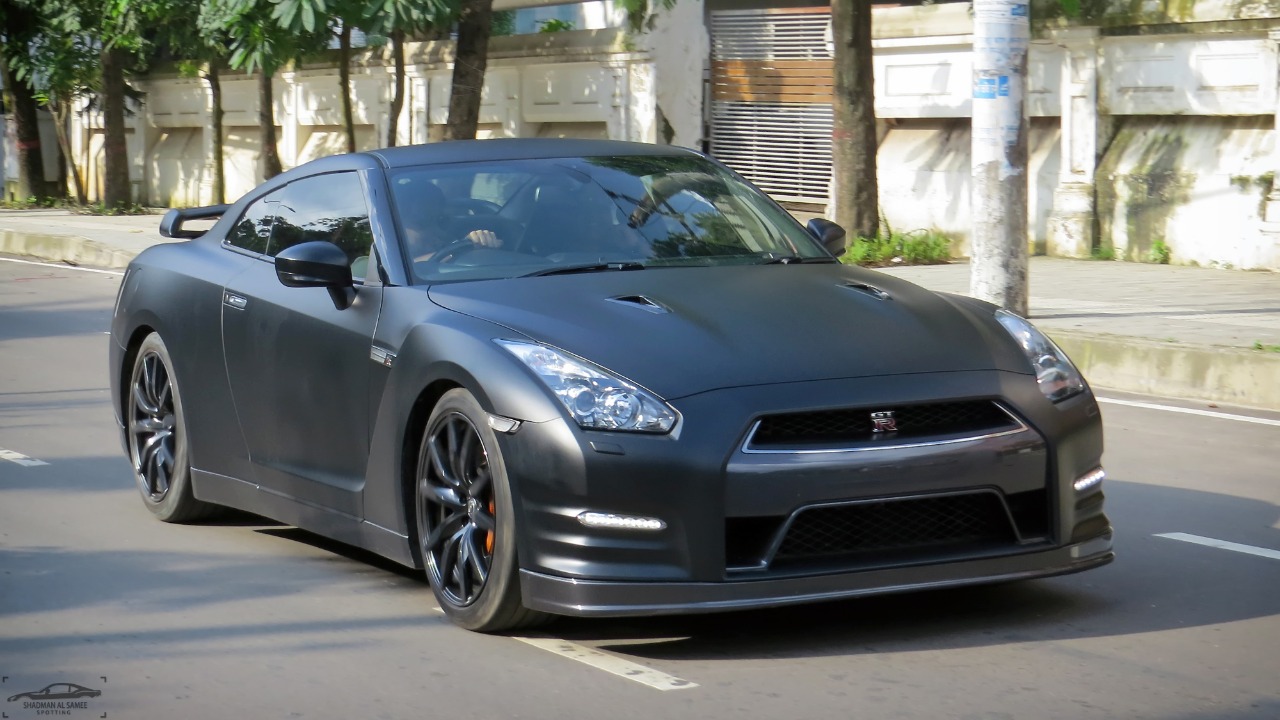
Nissan GT-R R35
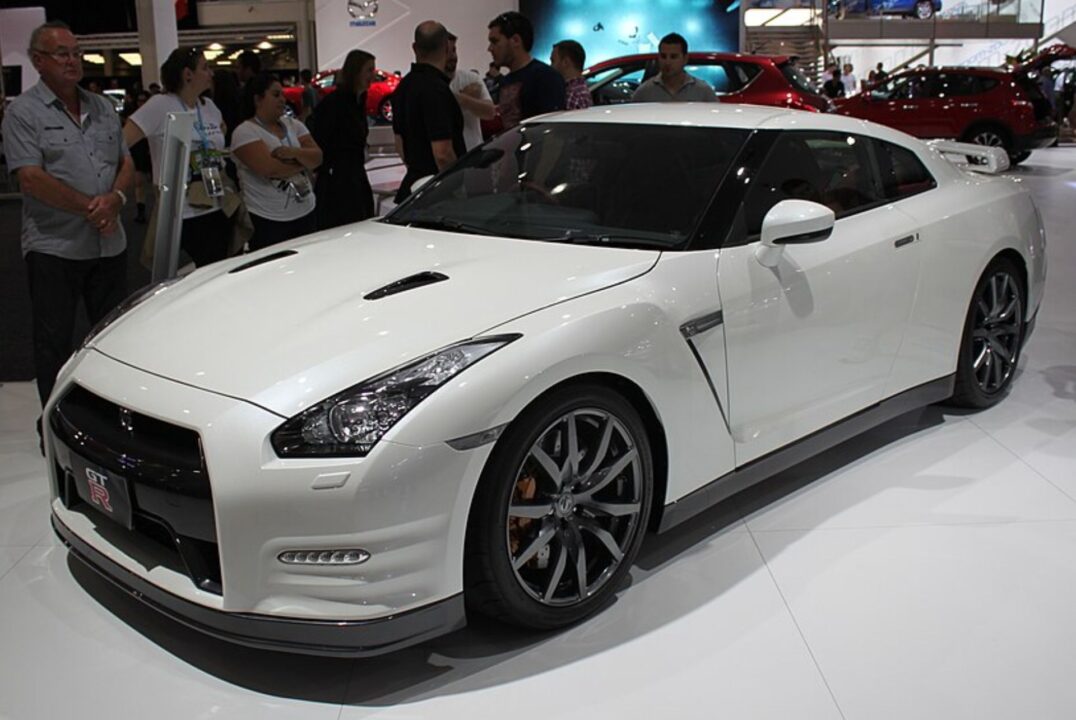
The Nissan GT-R R35 launched with impressive horsepower and performance, but Nissan continued increasing output through updates and special editions. Buyers who purchased early models watched the GT-R become significantly more powerful over its production life.
BMW M5 (E39 to E60)
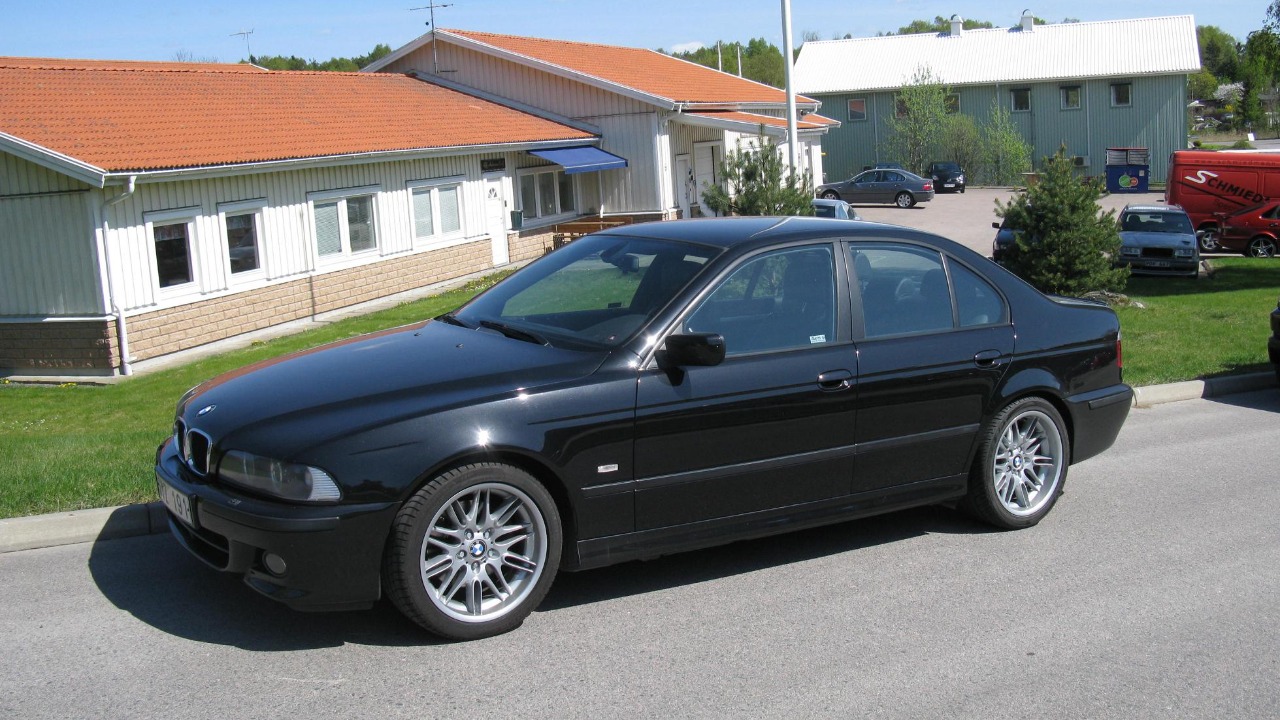
The BMW M5 experienced one of the most dramatic horsepower jumps in sports-sedan history. The transition from the E39’s V8 to the E60’s V10 brought a major increase in output, reflecting the rapid escalation of performance expectations during the era.
Porsche 911 Turbo
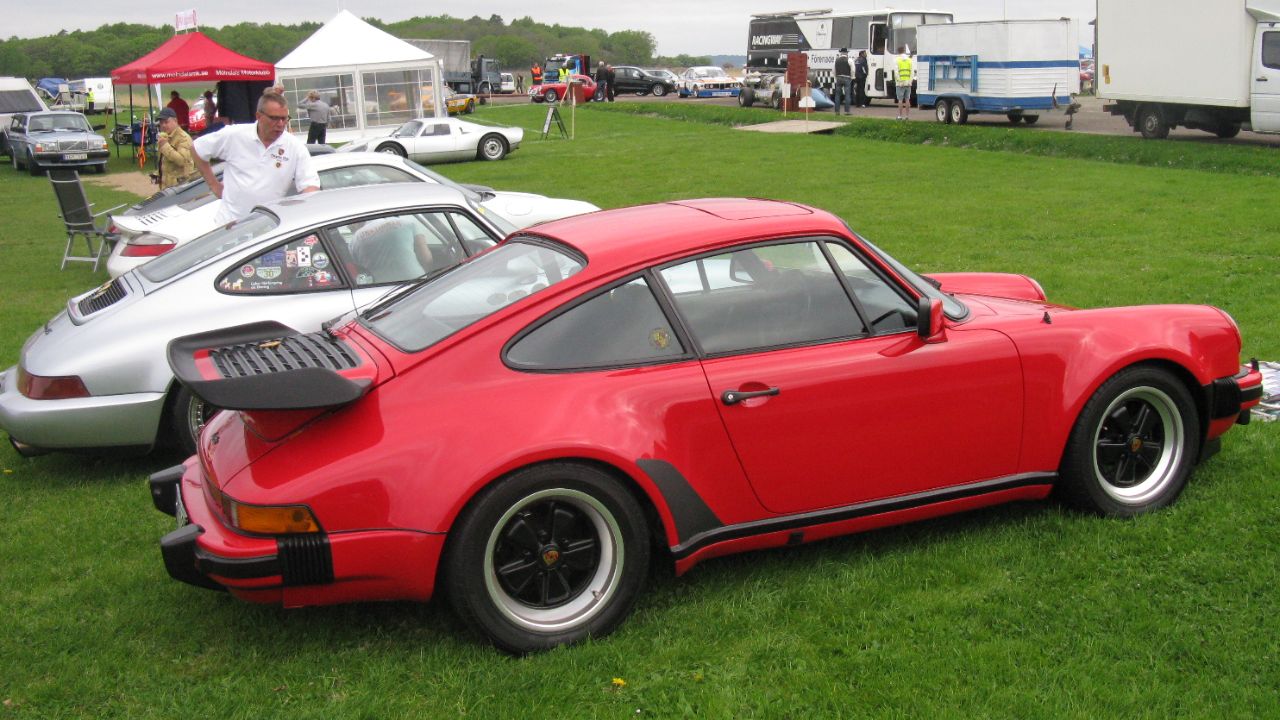
The Porsche 911 Turbo consistently gained power through successive generations, often at a pace that surprised owners. Improvements in turbocharging, engine management, and cooling technology allowed horsepower to rise dramatically while maintaining everyday usability. The result was a car that became substantially faster with each new iteration.
More from Fast Lane Only
- Unboxing the WWII Jeep in a Crate
- 15 rare Chevys collectors are quietly buying
- 10 underrated V8s still worth hunting down
- Police notice this before you even roll window down
*Research for this article included AI assistance, with all final content reviewed by human editors