The 1967 Oldsmobile 442 is more than just a classic muscle car; it’s a rich tapestry of innovation, marketing, and unexpected twists that define an era in American automotive history. This article delves into the strange story behind this iconic vehicle, exploring its origins, design evolution, and cultural impact.
The Birth of the 442: A Unique Design Concept
The Oldsmobile 442’s name is a clever acronym that encapsulates the essence of its performance features: it originally stood for Four-barrel carburetor, Four-speed manual transmission, and Dual exhaust. This nomenclature not only signified the car’s engineering prowess but also played a significant role in its marketing strategy. By highlighting these specifications, Oldsmobile effectively positioned the 442 as a performance-oriented vehicle in a rapidly evolving automotive market.
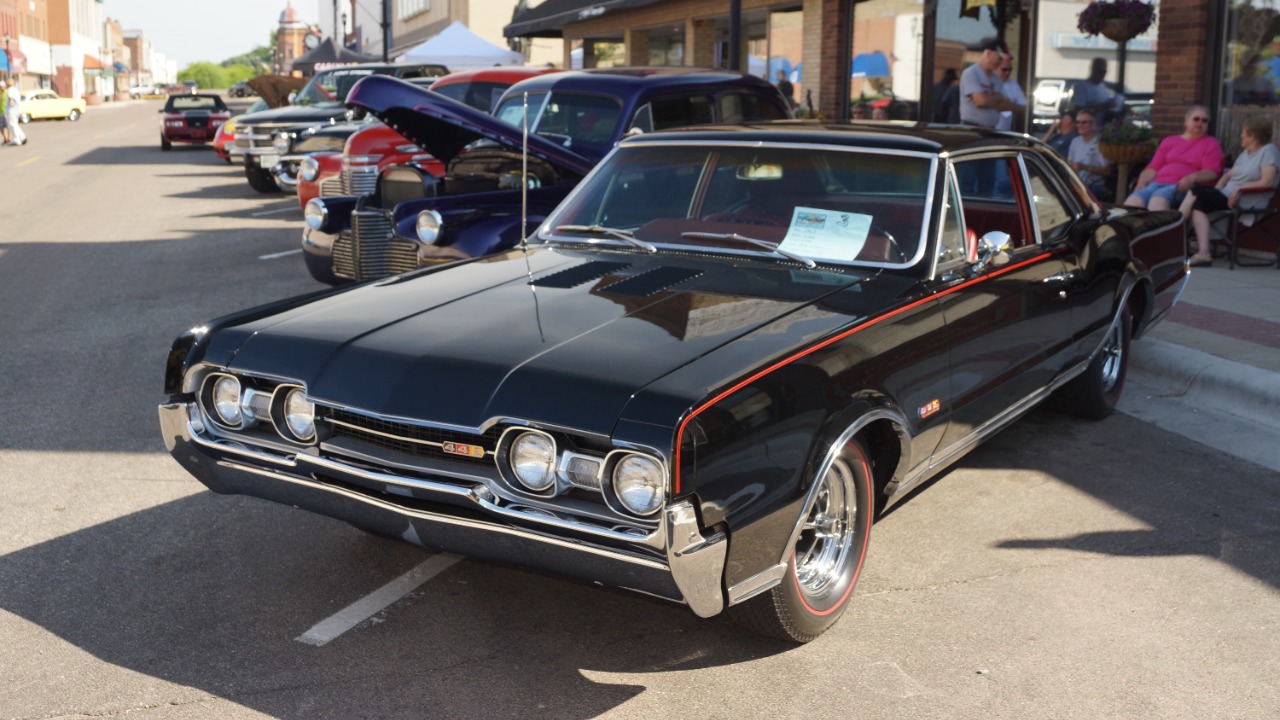
When the 1967 model was released, it showcased a number of design updates that set it apart from earlier iterations. The 442 adopted a more aggressive stance, featuring a sleek body profile and a distinctive front grille that caught the eyes of car enthusiasts. The incorporation of a wider rear track and a slightly lowered suspension contributed to its sporty appearance. Key figures at Oldsmobile, including chief engineer and designer, were instrumental in developing the 442’s identity, ensuring that it reflected both performance and style. Their vision laid the groundwork for a car that would resonate with drivers looking for a balance of power and aesthetics.
The Muscle Car Wars: 1967 in Context
The late 1960s marked a fierce competition among American muscle cars, with various manufacturers vying for supremacy in a burgeoning market. The Ford Mustang had already made waves since its debut in 1964, and the Chevrolet Camaro was set to launch in 1966, promising to capture the attention of younger drivers. Against this backdrop, the Oldsmobile 442 emerged as a formidable contender, trying to carve out its niche among legends like the Pontiac GTO and the Dodge Charger.
To effectively position itself in this crowded marketplace, Oldsmobile employed a variety of marketing strategies. The 442 was promoted as a car that combined luxury and performance, appealing to an audience that sought both style and speed. Advertisements featured bold claims regarding the car’s horsepower and handling capabilities, showcasing its strengths in direct comparison to rivals. Oldsmobile also leveraged performance testing and public road trials to underline the 442’s competitive edge, creating a buzz among potential buyers who were keen on muscle cars. With a well-crafted image, the 442 quickly gained traction and solidified its place in the muscle car hierarchy.
Performance Innovations: Engineering the 442
The 1967 Oldsmobile 442 was engineered for performance, boasting an array of specifications that appealed to driving enthusiasts. The base model came equipped with a 400 cubic inch V8 engine, producing 350 horsepower. Optionally, buyers could upgrade to a more powerful 455 cubic inch engine, which not only enhanced acceleration but also provided a thrilling driving experience. The focus on performance didn’t stop at the engine; significant advancements in suspension systems and handling made the 442 a joy to drive, whether on the street or the racetrack.
The introduction of the W30 package in 1967 marked a significant milestone in the 442’s performance evolution. This optional package included a host of enhancements, such as a more robust engine, improved ignition systems, and upgraded exhaust systems, all of which contributed to an impressive horsepower rating of up to 360. The W30 package not only elevated the car’s status among enthusiasts but also sparked interest in racing circles, as it allowed drivers to experience competitive performance straight off the showroom floor. The careful engineering behind the 442 ensured that it was not just another muscle car, but a well-rounded machine capable of impressive performance metrics.
The Cultural Impact of the 442: More Than Just a Car
The Oldsmobile 442 transcended its role as a mere automobile; it became a cultural icon in the late 1960s and early 1970s. Featuring prominently in films, music, and other media, the 442 was often associated with the freedom and rebellious spirit of the era. Whether in the hands of a charismatic protagonist in a classic road movie or as the backdrop for a rock band’s album cover, the car captured the imagination of a generation eager for adventure and self-expression.
Moreover, the 442 has maintained its status among car enthusiasts and collectors, with dedicated clubs and car shows celebrating its legacy. Owners often share stories about their connection to the vehicle, emphasizing how it represents not just a mode of transportation, but a cherished part of their lives. Many enthusiasts have restored their 442s to pristine condition, showcasing them at events and fostering a sense of community among fellow fans. The car has become a symbol of nostalgia and pride, representing a time when American muscle cars reigned supreme.
Legacy and Collectibility: The 442 Today
Fast forward to the present day, and the Oldsmobile 442 remains a sought-after classic among collectors and enthusiasts. The market for vintage models has seen a resurgence, with auction prices for well-maintained 1967 442s often reaching impressive heights. Factors such as rarity, condition, and provenance significantly influence the value of these vehicles, making them a worthwhile investment for collectors. Restorations have become a popular trend, with many owners eager to preserve the car’s original aesthetics and performance features while ensuring it meets modern standards.
However, owning a 1967 Oldsmobile 442 comes with its own set of challenges. Parts availability can be a concern for restorers, as some components are no longer in production. Even so, the strong community of enthusiasts often rallies together to provide resources and share knowledge, easing the process for newcomers. The 442’s reputation in the context of today’s muscle cars remains strong, as it is viewed as a pioneer in performance and design. Its legacy continues to inspire modern automotive manufacturers, who look back at icons like the 442 as they develop new models for a new generation.
More from Fast Lane Only
- Unboxing the WWII Jeep in a Crate
- 15 rare Chevys collectors are quietly buying
- 10 underrated V8s still worth hunting down
- Police notice this before you even roll window down
*Research for this article included AI assistance, with all final content reviewed by human editors.