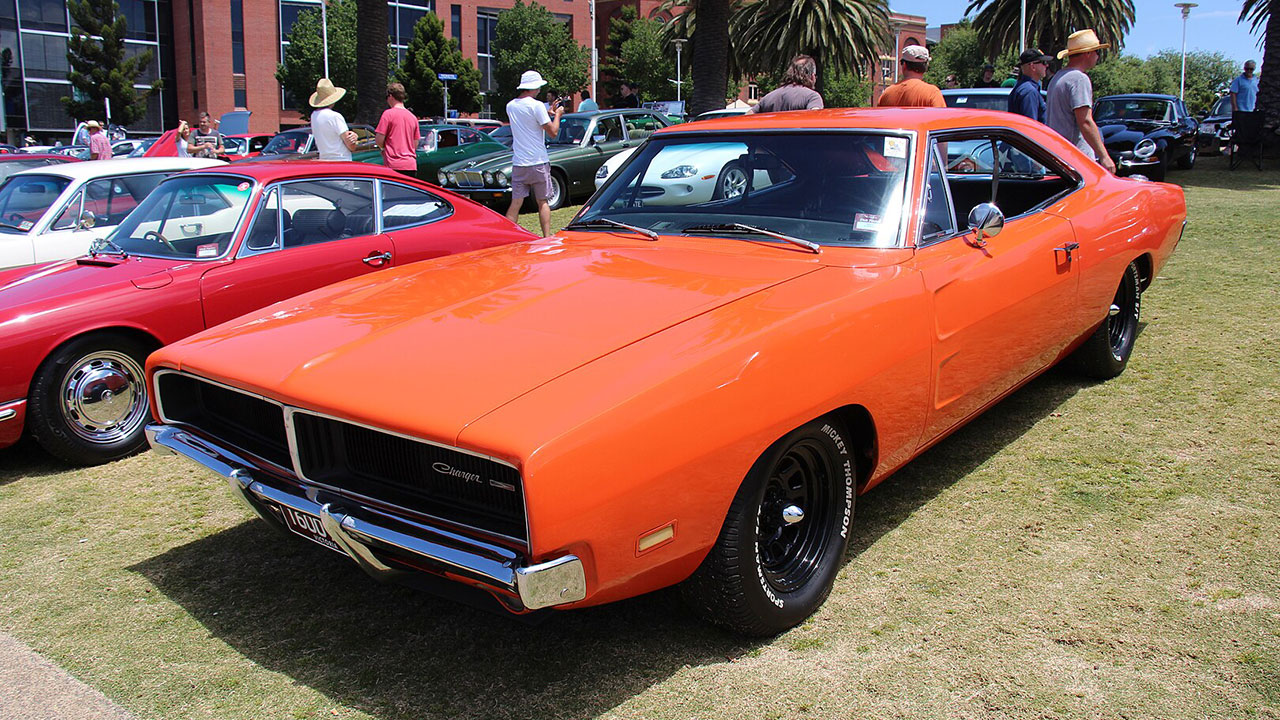
The 1969 Dodge Charger is a quintessential symbol of American muscle, capturing the hearts of car enthusiasts and pop culture alike. Its blend of performance, style, and cinematic fame has propelled it to legendary status, far beyond what Dodge initially anticipated.
Historical Context of the 1969 Dodge Charger
In the late 1960s, Dodge was looking to solidify its position in the burgeoning muscle car market. With competition heating up from brands like Ford and Chevrolet, the Charger was designed not just as a performance vehicle, but as a statement of automotive prowess. The muscle car era was characterized by powerful V8 engines, aggressive styling, and a youthful spirit that resonated with America’s post-war optimism. Dodge aimed to capture this essence with the 1969 Charger, which was a significant evolution from its predecessors.
During this time, the automotive industry was undergoing rapid changes, with manufacturers racing to produce the most powerful and stylish vehicles. The introduction of the Charger was particularly significant as it featured a long hood and short rear deck design that became iconic in its own right. Innovations such as the “Coke bottle” shape and hidden headlights not only enhanced the vehicle’s aesthetic appeal but also improved aerodynamics, setting a new standard in design. With an array of optional features and powerful engine choices, the 1969 Charger quickly became a favorite among driving enthusiasts.
Cultural Impact and Media Representation
The 1969 Dodge Charger carved out a prominent niche in the world of film and television, most notably through its role in the series “The Dukes of Hazzard.” The show, which aired from 1979 to 1985, featured a customized Charger named the General Lee, becoming a cultural icon in its own right. The General Lee’s daring stunts, catchy theme song, and memorable characters helped cement the Charger’s status as a symbol of rebellion and freedom. This portrayal introduced the Charger to a broader audience and made it synonymous with American culture during that era.
Beyond “The Dukes of Hazzard,” the Charger has appeared in numerous films such as “Bullitt,” where it faced off against Steve McQueen’s Mustang, and “The Fast and the Furious” franchise, where it has been showcased as a symbol of speed and power. These media representations have played a crucial role in elevating the Charger from a mere vehicle to an enduring icon, representing an ideal of freedom and adventure that resonates with many. In the turbulent social climate of the late 1960s and early 1970s, the Charger became not just a car, but a symbol of youthful rebellion against the status quo.
Performance and Design Features
The 1969 Charger was engineered to impress, offering a variety of engine options that catered to different performance needs. The standard model featured a 318-cubic-inch V8 engine, but buyers could opt for the more powerful 383-cubic-inch V8 or the legendary 426 Hemi V8, which produced an astonishing 425 horsepower. These options allowed the Charger to compete fiercely in the muscle car landscape, delivering exhilarating performance that appealed to a broad audience, from casual drivers to serious racers. The Charger could go from 0 to 60 mph in just over 6 seconds, a remarkable feat for its time.
Design-wise, the 1969 Charger stood out with its aggressive lines and distinctive features. The long hood and short deck design not only gave it a sporty appearance but also improved its handling and stability at high speeds. The introduction of the split grille and the tail lamps that extended into the rear quarter panels became defining characteristics of the model. This design philosophy influenced subsequent muscle car designs, as manufacturers sought to replicate the Charger’s bold aesthetic. The 1969 Charger wasn’t just a car; it was a statement piece that captured the essence of the muscle car era.
Collector’s Market and Legacy
Over the decades, the 1969 Dodge Charger has evolved into a highly sought-after collector’s item. Its rarity, especially models equipped with the Hemi engine, has driven prices to astronomical levels at auctions and car shows. Enthusiasts are willing to pay top dollar for well-preserved examples, with some models fetching over $1 million. Websites like Autoevolution provide insights into current market trends and auctions, showcasing just how valuable these classic cars have become.
Factors influencing the value of the Charger include its condition, originality, and documentation proving its history. Restorations can also significantly affect a car’s value, with original parts and factory finishes often being more desirable. Car shows and auctions have played a pivotal role in sustaining interest in the Charger, creating a community of enthusiasts who share a passion for preserving automotive history. Events such as the Muscle Car and Corvette Nationals showcase the Charger alongside other classic vehicles, allowing fans to celebrate its legacy.
Influence on Modern Automotive Culture
The 1969 Charger’s influence extends far beyond its production years. In recent years, there has been a resurgence of interest in muscle cars, leading manufacturers to incorporate elements of the classic Charger into modern designs. The Charger nameplate itself was revived in the early 2000s, with new models paying homage to the iconic styling and performance of the original. Today’s muscle cars often feature retro design elements that harken back to the golden age of American automotive engineering, reflecting a desire for nostalgia among consumers.
Moreover, the Charger continues to inspire modern replicas and adaptations. Companies that specialize in custom builds often draw from the 1969 Charger’s design, using it as a template for contemporary projects. Events like the SEMA Show in Las Vegas frequently highlight creative modifications and restorations of classic cars, showcasing how the Charger remains relevant in today’s automotive landscape. Its legacy is also evident in popular media, where it frequently appears as a symbol of speed, power, and the quintessential American spirit.
The Charger’s Enduring Appeal
Reflecting on the 1969 Dodge Charger, it’s clear why this vehicle remains a cultural icon today. The combination of its powerful performance, distinctive design, and significant role in media has left an indelible mark on automotive history. Nostalgia plays a significant role in its continued appeal, as many enthusiasts and collectors reminisce about the golden age of muscle cars. The muscle car revival, coupled with a growing interest in classic cars, has further solidified the Charger’s status as a timeless classic.
As we look to the future, the Charger’s place in automotive history seems secure. Its legacy continues to inspire new generations of car enthusiasts, and its presence in media and culture ensures that it remains in the public consciousness. The blend of nostalgia, performance, and cultural significance will likely keep the 1969 Dodge Charger relevant for years to come, as it embodies a spirit of freedom and rebellion that resonates deeply within the American psyche.
More from Fast Lane Only
- Unboxing the WWII Jeep in a Crate
- 15 rare Chevys collectors are quietly buying
- 10 underrated V8s still worth hunting down
- Police notice this before you even roll window down
*Research for this article included AI assistance, with all final content reviewed by human editors.