The turbocharger, a component often associated with high-performance vehicles, has a fascinating history marked by innovation and unexpected breakthroughs. The journey of turbocharging technology reflects not just mechanical advancements but also the passion of engineers and manufacturers who sought to push the boundaries of automotive performance.
The Origins of Turbocharging Technology
The concept of the turbocharger was first brought to life in the early 1900s by Swiss engineer Alfred Büchi. His invention was intended to improve the efficiency and power output of internal combustion engines, particularly in aviation. The primary idea behind turbocharging is relatively simple: to utilize the energy in exhaust gases to drive a turbine that forces more air into the combustion chamber, thereby increasing the engine’s overall efficiency and power. Büchi’s innovative design found its first applications in aircraft engines, which benefited greatly from the enhanced performance at high altitudes where air density is lower.
As aviation technology progressed, the transition from aircraft to automotive applications began in the mid-20th century. Early adopters in the automotive industry recognized the potential of turbocharging to enhance engine performance without significantly increasing engine size or weight. This period marked a pivotal shift, as manufacturers began to experiment with turbochargers in cars, leading to increased interest and investment in turbocharging technology.
Pioneering Breakthroughs in Performance
In the 1960s and 1970s, several automotive manufacturers began to embrace turbocharging, spurred by the need for greater performance and fuel efficiency. Brands like Chevrolet and Ford were among the first to explore turbocharged engines for their performance vehicles, which led to an array of innovations. The introduction of the Chevrolet Corvair in 1962, equipped with a turbocharged engine, showcased the potential of this technology in everyday vehicles. This period saw a surge in research and development, as engineers sought to refine turbocharger designs to minimize lag and improve reliability.
Key breakthroughs during this era included advancements in materials and engineering techniques. Engineers began utilizing lightweight alloys and improved manufacturing processes, which allowed for more efficient and durable turbocharger components. The introduction of ball bearings in turbocharger designs reduced friction, thereby enhancing responsiveness and efficiency. Racing and motorsport played a critical role in accelerating these developments, as manufacturers pushed the limits of turbocharging technology to achieve competitive advantages on the track. Notable examples include the Porsche 917, which utilized a turbocharged flat-12 engine to dominate endurance racing.
The Challenges of Early Turbocharger Designs
Despite the excitement surrounding turbocharging, early designs faced numerous technical challenges. One of the most significant issues was turbo lag, a delay between pressing the accelerator and the turbocharger delivering increased power. This lag could frustrate drivers and often led to a perception of turbocharged engines as less responsive than naturally aspirated counterparts. Additionally, reliability was a concern, as early turbocharger systems were prone to failures, particularly under extreme operating conditions.
The public perception of turbocharged engines was not always favorable. Many enthusiasts were skeptical, viewing turbocharging as a gimmick rather than a legitimate performance improvement. High-profile failures, such as the Chrysler LeBaron’s early turbocharged models, which suffered from reliability issues, only fueled this skepticism. Nonetheless, manufacturers continued to refine their turbocharger designs, learning from past mistakes and striving to overcome the hurdles that stood in the way of widespread adoption.
Notable Innovators and Their Contributions
Throughout the history of turbocharging, several key figures have emerged as pioneers in this technology. Engineers like BorgWarner’s David McNaughton played a significant role in refining turbocharger designs, while manufacturers such as Garrett and Mitsubishi also contributed innovative technologies that shaped the industry. The introduction of variable geometry turbochargers (VGT) in the 1980s, which allowed for better control of boost pressure, was a game-changer, significantly improving performance across a range of engine sizes.
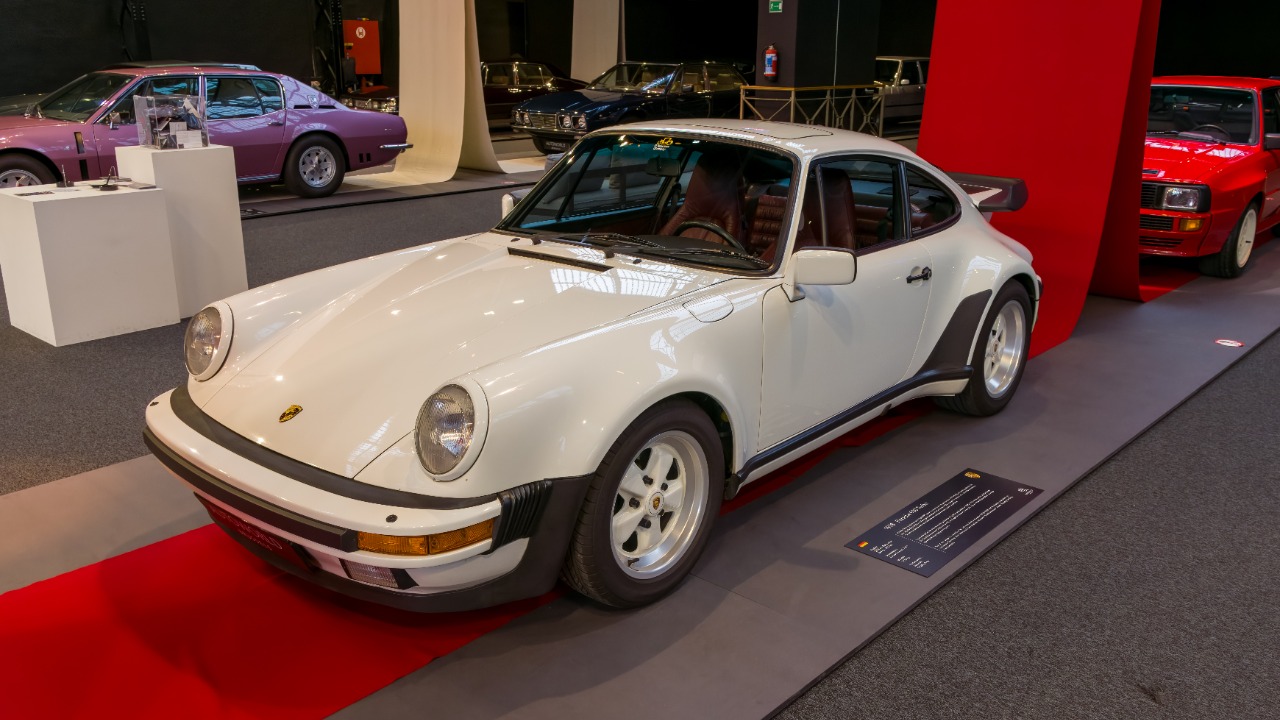
Patents filed during this time documented many of the significant advancements in turbocharging technology. One such notable patent was for the development of the wastegate, a critical component that helps regulate boost pressure in turbocharged engines. The influence of automotive legends cannot be overlooked; companies like Ferrari and Porsche embraced turbocharging in their racing efforts, paving the way for its adoption in consumer vehicles. The iconic Porsche 911 Turbo, first introduced in 1975, remains a testament to the successful integration of turbocharging in high-performance sports cars.
The Impact of Turbocharging on Automotive Performance
The impact of turbocharging on automotive performance has been transformative, changing the landscape of engine design and fuel efficiency. Turbocharged engines can produce significantly more power without a corresponding increase in engine size, allowing manufacturers to create lighter, more efficient vehicles. By the 1980s, turbocharging had become a popular choice among manufacturers looking to meet tightening emissions regulations while still delivering performance. For instance, the 1984 Ford Mustang SVO, equipped with a turbocharged 2.3-liter four-cylinder engine, offered an impressive balance of power and efficiency.
When comparing early turbocharged vehicles to their naturally aspirated counterparts, the differences become clear. The ability to extract more power from smaller engines led to a proliferation of turbocharged models across various segments, from compact cars to SUVs. The 1986 Buick Regal GNX, a turbocharged V6, became a performance icon, illustrating how turbocharging could redefine consumer expectations regarding speed and power in everyday driving experiences.
The Legacy of Early Turbocharger Innovations
The breakthroughs achieved in the early days of turbocharging laid the groundwork for modern turbocharger technologies. Today, turbocharging is a standard feature in many vehicles, contributing to improved fuel efficiency and lower emissions. The trend of downsizing engines in favor of turbocharged alternatives has become prevalent, as manufacturers seek to balance performance with environmental considerations. For example, Ford’s EcoBoost line utilizes turbocharging to achieve impressive power outputs from smaller engines, reflecting a broader industry trend toward efficiency.
Looking ahead, the future of turbocharging technology appears promising, even in an increasingly electrified automotive industry. As hybrid and electric vehicles become more common, turbocharging may still play a vital role in enhancing performance and efficiency. Advances in materials and engineering will likely continue to push the boundaries of what turbochargers can achieve, ensuring their relevance in a rapidly changing automotive landscape.
More from Fast Lane Only
- Unboxing the WWII Jeep in a Crate
- 15 rare Chevys collectors are quietly buying
- 10 underrated V8s still worth hunting down
- Police notice this before you even roll window down
*Research for this article included AI assistance, with all final content reviewed by human editors.