The Chevrolet Camaro has long been a staple of American muscle cars, yet it often flies under the radar when discussing high-performance vehicles from its era. With a rich history and a diverse lineup of models, the Camaro has proven itself on the road and track, but it still deserves more recognition as a true performance contender.
HISTORY OF THE CHEVROLET CAMARO
The Chevrolet Camaro made its debut in 1966 as a direct response to the success of the Ford Mustang, marking the beginning of the pony car wars. Designed to be a more affordable performance vehicle, the Camaro quickly gained popularity among enthusiasts. Its aggressive styling, coupled with strong performance credentials, positioned it as a formidable competitor in the muscle car segment. Over the years, the Camaro underwent various design changes, from the classic first-generation models with their long hoods and short decks to the more modern iterations that embraced aerodynamic efficiency.
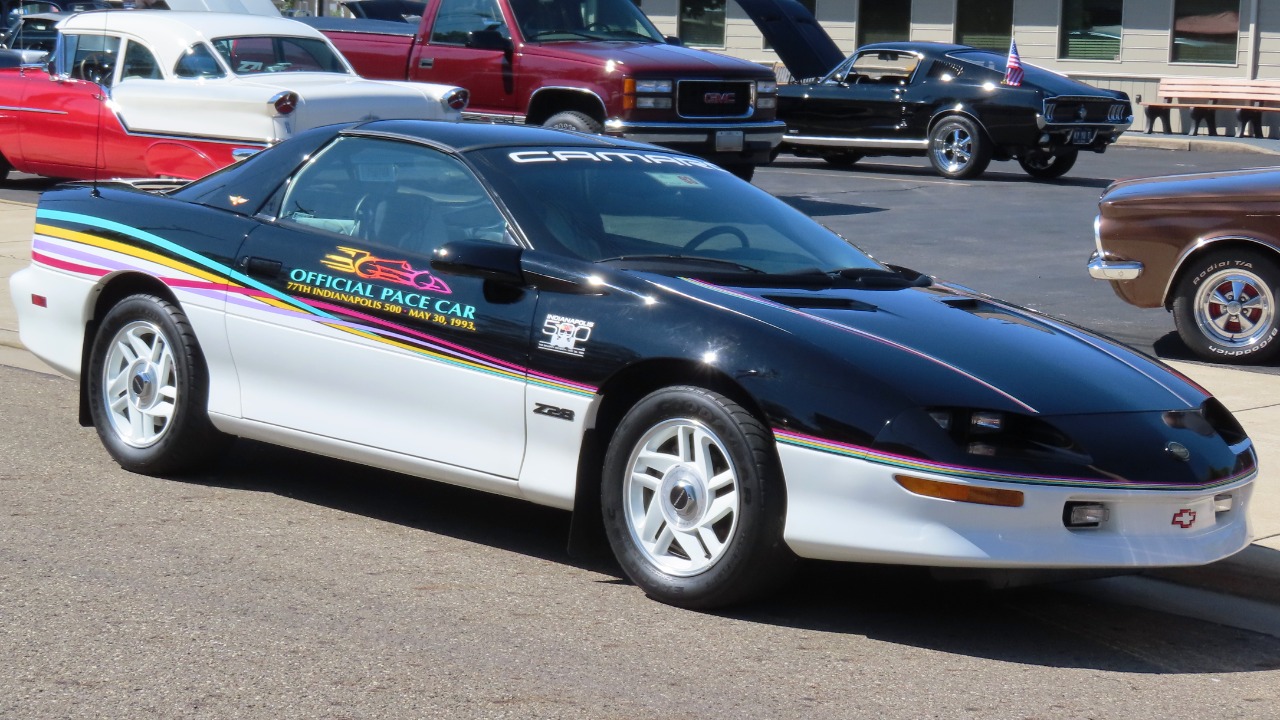
Significant advancements in technology have also played a role in the Camaro’s evolution. The second generation, introduced in 1970, featured a more refined design and improved handling capabilities. The introduction of fuel injection and turbocharging in the later models showcased Chevrolet’s commitment to blending performance with fuel efficiency. Additionally, notable models such as the Z/28 and the IROC-Z have become legendary among car enthusiasts, demonstrating the Camaro’s performance prowess and solidifying its status in automotive history.
ENGINE PERFORMANCE AND OPTIONS
Throughout its history, the Camaro has offered a diverse range of engine options that appeal to a wide variety of performance enthusiasts. From the robust V6 engines to the iconic small-block and big-block V8s, there is a Camaro for every type of driver. For instance, the 2010 Camaro SS came equipped with a 6.2L LS3 V8 engine producing an impressive 426 horsepower, enabling it to accelerate from 0 to 60 mph in just 4.6 seconds. On the other hand, models like the Camaro LT offer a more economical 3.6L V6 engine, which still delivers a respectable 323 horsepower, making it a suitable option for those seeking a balance between performance and daily drivability.
When compared to its contemporaries, the Camaro consistently holds its own in terms of horsepower and torque figures. The 2023 Camaro ZL1, with its supercharged 6.2L V8 engine, churns out a staggering 650 horsepower and 650 lb-ft of torque, competing directly with the likes of the Ford Mustang Shelby GT500 and the Dodge Charger Hellcat. Performance metrics such as 0-60 times and quarter-mile statistics further emphasize the Camaro’s capabilities, with the ZL1 clocking in at just 3.5 seconds for 0-60 and completing the quarter-mile in under 11 seconds.
CHASSIS AND HANDLING CAPABILITIES
The Camaro’s chassis design has long been a critical factor in its reputation as a performance vehicle. It features a unibody construction that enhances rigidity, resulting in better handling and ride quality. The presence of a rear-wheel-drive layout contributes to a more balanced weight distribution, which is key for achieving optimal cornering performance. The fifth-generation Camaros introduced advanced technologies such as electronic power steering and a multi-link rear suspension, which further improved handling characteristics.
In terms of real-world driving impressions, the Camaro excels in delivering an engaging driving experience. Whether navigating winding back roads or tackling a racetrack, the Camaro’s agility and responsiveness are evident. For instance, the 2022 Camaro SS, with its magnetic ride control suspension, adapts to changing road conditions, providing a smooth ride on the highway while maintaining composure during spirited driving. Enthusiasts often rave about the Camaro’s ability to inspire confidence behind the wheel, making it a true performance contender in various driving scenarios.
COST AND VALUE PROPOSITION
When considering the Camaro’s pricing compared to similar performance vehicles from its era, it often emerges as a more affordable option. For example, the base price of a new Camaro typically undercuts that of rivals like the Ford Mustang and Dodge Challenger, making it accessible for a broader range of buyers. This competitive pricing, combined with the Camaro’s performance credentials, positions it as a strong value proposition in the muscle car market.
Moreover, the Camaro’s depreciation rates tend to be more favorable than some of its competitors, meaning that it retains its value better over time. This aspect is particularly appealing to performance enthusiasts looking for a reliable investment. Additionally, the aftermarket support for Camaro owners is robust, with numerous performance parts and modifications available to enhance its capabilities further. Items such as supercharger kits, exhaust systems, and suspension upgrades allow owners to customize their vehicles to suit their performance needs.
LEGACY AND CULTURAL IMPACT
The Chevrolet Camaro has left an indelible mark on popular culture, appearing in numerous films and television shows. From its iconic role in the “Transformers” franchise as Bumblebee to its appearances in classics like “Camaro: The Movie,” the Camaro has become synonymous with American automotive performance. This cultural significance has contributed to a devoted fan base, ensuring that the Camaro remains a relevant and respected name in the automotive world.
Testimonials from automotive enthusiasts and professional drivers further underscore the Camaro’s underrated status. Many praise the Camaro for its blend of classic muscle car aesthetics and modern performance technology. The Camaro’s presence in motorsports, particularly in NASCAR and various drag racing events, highlights its capabilities and reinforces its legacy as a serious contender on the track. As we look to the future, the Camaro’s place in automotive history seems secure, with ongoing discussions about its potential evolution and continued relevance in the performance landscape.
More from Fast Lane Only
- Unboxing the WWII Jeep in a Crate
- 15 rare Chevys collectors are quietly buying
- 10 underrated V8s still worth hunting down
- Police notice this before you even roll window down
*Research for this article included AI assistance, with all final content reviewed by human editors.