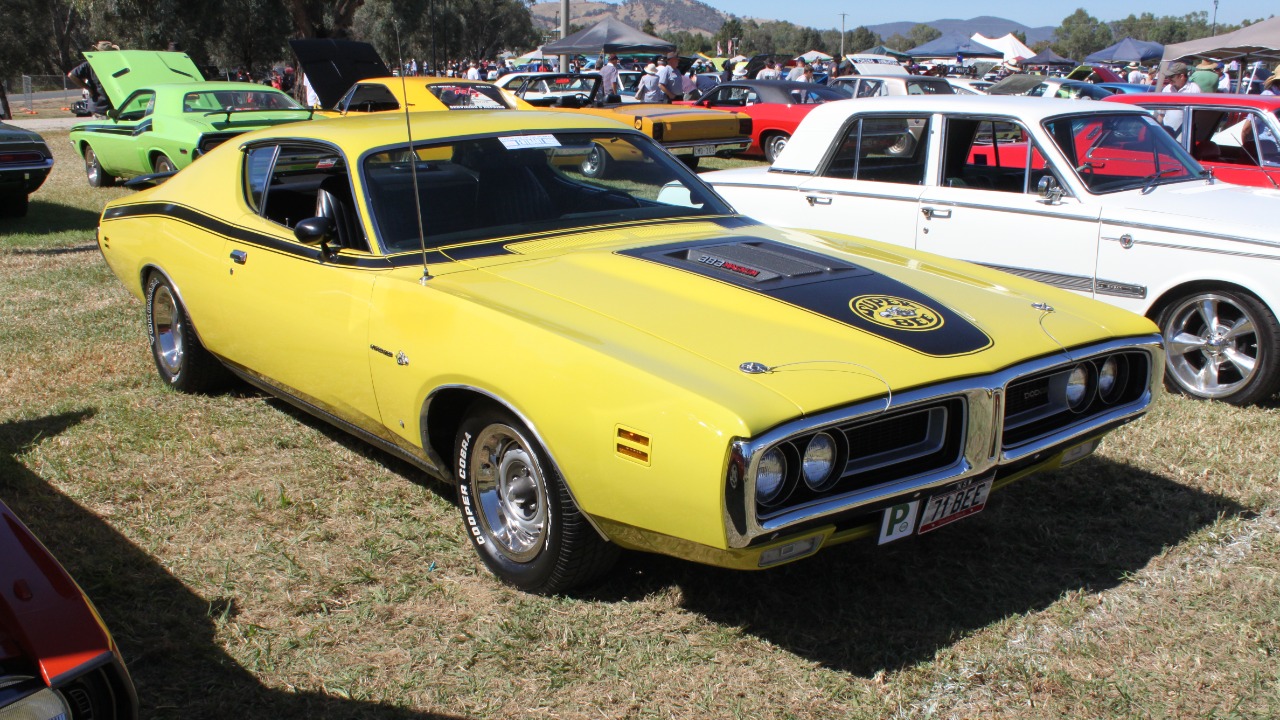
The Dodge Super Bee is a classic muscle car that embodies the spirit of American automotive history, celebrated for its performance and distinctive style. Despite its storied legacy and a devoted fanbase, there are still many drivers who hesitate to invest in this iconic vehicle. Understanding the underlying reasons for this reluctance can shed light on the changing landscape of car ownership and preferences.
Historical Context of the Super Bee
The Dodge Super Bee was first introduced in 1968 as a high-performance variant of the Dodge Coronet, aimed directly at young car enthusiasts who craved power and speed. This era marked the height of the muscle car phenomenon, where American automakers competed to produce the fastest and most visually striking vehicles. The Super Bee quickly gained recognition for its aggressive styling and powerful engine options, including the legendary 426 HEMI. Over the years, it became a symbol of freedom and rebellion, cherished by collectors and performance aficionados alike.
However, consumer preferences have shifted significantly since the Super Bee’s heyday. While nostalgia drives many to appreciate this classic, younger generations may not share the same connection to muscle cars. Factors such as changing automotive technology and the rise of modern performance vehicles have altered the landscape. The allure of the Super Bee remains strong among enthusiasts, but the practicalities of modern driving often lead potential buyers to consider more contemporary alternatives.
Performance and Specifications
When discussing the Super Bee’s performance, it’s essential to acknowledge its impressive engine options, which historically ranged from the 383 cubic inch V8 to the 440 cubic inch big block. The Super Bee was known for its exhilarating acceleration and strong performance metrics, boasting 0-60 times that could rival many cars of its era. However, as technology has advanced, so have consumer expectations. Today’s muscle cars, like the Ford Mustang GT and Chevrolet Camaro SS, offer not only similar power but also enhanced handling, advanced suspension systems, and technologies that provide a more robust driving experience.
Another critical consideration is the perceived reliability and maintenance costs associated with owning a vintage muscle car. The Super Bee, while beloved, comes with the caveat of needing frequent maintenance and repairs, especially for those that have been modified or poorly maintained over the years. In contrast, modern muscle cars are designed with reliability in mind, often featuring warranties and better parts availability. This difference can deter potential buyers who are looking for a reliable daily driver rather than a project car that requires constant attention.
Market Competition and Alternatives
In today’s automotive market, the Dodge Super Bee faces stiff competition from other muscle cars, such as the Ford Mustang and Chevrolet Camaro. Each of these models has carved out a niche, offering features that appeal to a broader audience. For instance, the Mustang offers a variety of engine options, including a turbocharged four-cylinder for those looking for fuel efficiency without sacrificing performance. Meanwhile, the Camaro provides a sleek design and advanced technology, including an infotainment system that many younger buyers find appealing.
The evolution of the automotive landscape has led to a greater emphasis on features such as safety technology, fuel efficiency, and connectivity. Buyers today often prioritize these aspects, which can make classic models like the Super Bee seem outdated. While it remains iconic, its lack of modern amenities may not meet the expectations of younger drivers who are more accustomed to tech-savvy vehicles.
Cultural and Environmental Considerations
As society becomes increasingly aware of environmental issues, attitudes towards gas-guzzling vehicles like the Super Bee have shifted. The muscle car culture that once celebrated power and speed is now juxtaposed with a growing emphasis on sustainability and fuel efficiency. Many drivers are hesitant to embrace vehicles that are seen as contributing to environmental degradation, especially in an era where electric vehicles (EVs) and hybrids are gaining popularity.
The cultural shift towards more sustainable transportation options is evident in the rise of brands focused on eco-friendly vehicles, such as Tesla and the expanding line-up of hybrids from traditional automakers. This change in consumer values can make the classic Super Bee seem less appealing, as potential buyers weigh their options against more environmentally friendly alternatives. The emotional connection some seek in a vehicle is often now tied to values of sustainability and modernity rather than pure power and nostalgia.
Personal Preferences and Lifestyle Choices
Demographic trends also play a significant role in shaping vehicle preferences. Younger buyers, particularly millennials and Gen Z, often prioritize practicality and daily usability in their vehicle choices. They may lean towards SUVs or compact cars that offer more space and fuel efficiency, making the Super Bee’s two-door coupe design less attractive. Additionally, urban living conditions often require vehicles that are easier to maneuver and park, further pushing the Super Bee down their list of options.
Moreover, the emotional connection to a vehicle varies greatly from person to person. While some drivers revel in the raw power and classic styling of the Super Bee, others may seek modern vehicles that offer convenience features, advanced safety technology, and connectivity options such as Apple CarPlay and Android Auto. This divergence in desires means that while the Super Bee holds a special place in automotive history, it may not align with the lifestyle choices of many contemporary drivers.
More from Fast Lane Only
- Unboxing the WWII Jeep in a Crate
- 15 rare Chevys collectors are quietly buying
- 10 underrated V8s still worth hunting down
- Police notice this before you even roll window down
*Research for this article included AI assistance, with all final content reviewed by human editors.