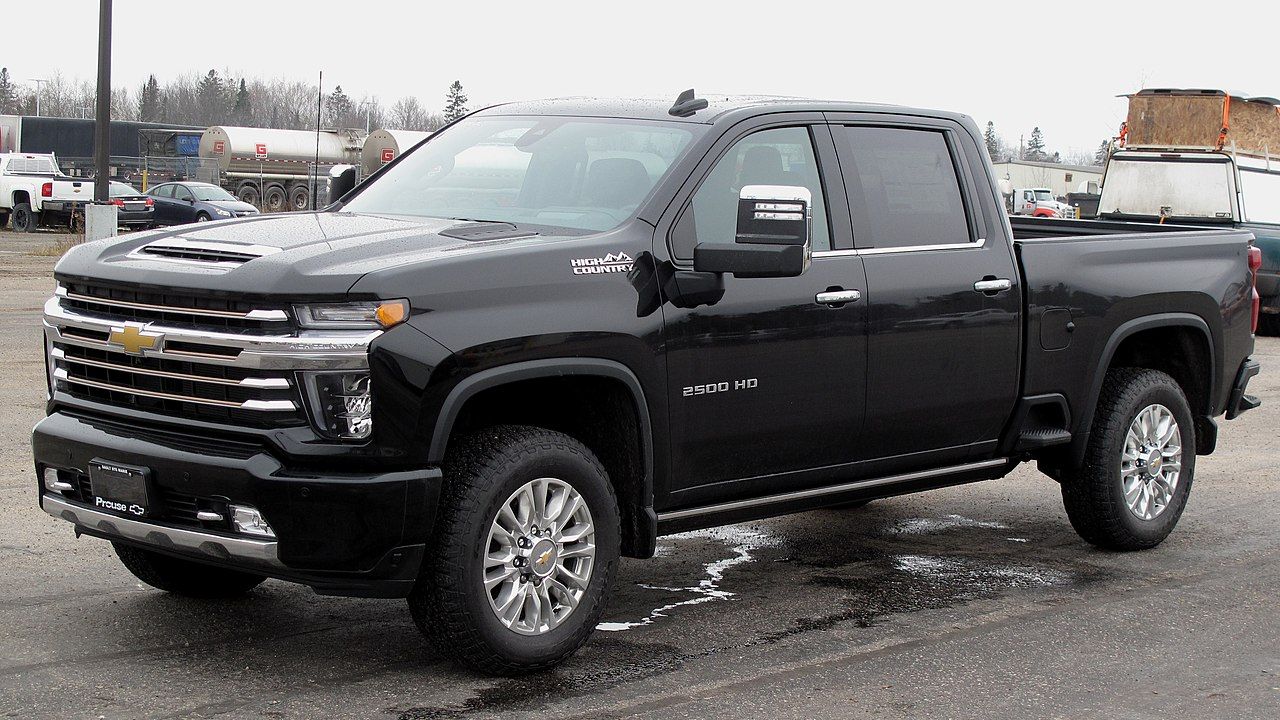
Pickup loyalty is earned the hard way, mile after mile, in towing yards, job sites and long-haul commutes. When an owner chooses to buy the same truck again, that decision reflects years of lived experience with reliability, comfort and cost of ownership that no marketing campaign can fake.
As the market shifts toward electrification and more complex drivetrains, repeat truck purchases have become a kind of referendum on which brands and configurations actually work in the real world. The trucks that keep customers coming back tend to share a few traits: predictable mechanical behavior, thoughtful interiors and the ability to take abuse without drama.
How repeat buyers quietly reshaped the truck playbook
Truck makers have always tracked conquest sales, but repeat purchases are the deeper metric. A contractor who trades a three-quarter-ton pickup for the updated version of the same model is voting for a specific mix of engine, transmission and chassis tuning that met expectations the first time around.
That is why engineering failures that surface only after years in service can be so damaging. Owners of heavy-duty General Motors pickups have been grappling with valve body problems in certain automatic transmissions, issues detailed by an engineer who traced how specific components inside the valve body can lead to harsh shifting and eventual failure. The company has floated an updated repair strategy for affected HD trucks, but many owners are watching closely to see whether the new fix restores enough confidence for them to stay with the brand for their next purchase, a tension captured in the discussion of valve body failures.
Repeat buyers also tend to be the customers who push trucks to their limits. Fleet managers who cycle through pickups every few years compare fuel costs, downtime and resale values across thousands of combined vehicle-years. When a particular model line delivers predictable maintenance and strong resale, those fleets often standardize around it, which in turn keeps used examples circulating to second and third owners who already know what to expect.
On the retail side, loyalty is built not just on durability but on how well a truck fits a household’s daily life. Dog owners, for example, increasingly look for rear-seat space, low step-in heights and climate control that reaches the back row. Guides that rank the best vehicles for frequently highlight pickups with wide-opening rear doors, easy-to-clean upholstery and secure cargo tie-downs, features that tend to be refined over multiple generations when manufacturers see repeat demand from the same kinds of buyers.
In that sense, trucks that inspire second and third purchases are not just tough. They are also the models whose designers listened carefully to how loyal owners actually use them, then quietly baked those lessons into each update.
What changed in how owners decide to buy the same truck again
The decision to stick with a familiar truck badge used to be almost automatic in some regions. Now it competes with more variables. Powertrains have diversified, with turbocharged gas engines, complex 10-speed automatics and battery-electric options all vying for attention. Each new technology adds potential benefits but also new failure modes that only become clear after years on the road.
For heavy-duty truck owners who rely on their vehicles for towing and commercial work, the transmission is often the deciding factor. The scrutiny around GM’s heavy-duty valve body design illustrates how one weak link can ripple through owner loyalty. When drivers experience repeated transmission issues, even after repairs, they are more likely to cross-shop rival brands for their next truck instead of defaulting to the updated version of the one they know. The debate over whether the new repair procedure will fully address those transmission problems shows how much is at stake.
At the same time, lifestyle expectations have shifted. Families that use a half-ton pickup as their primary vehicle now expect SUV-grade ride comfort, advanced driver assistance and tech features that remain intuitive over a decade of use. Trucks that once won loyalty on durability alone now have to maintain that toughness while also staying current on software and safety. When an owner trades in a previous-generation pickup for the latest model and finds the infotainment laggy or the driver-assist systems intrusive, that experience can undercut the goodwill built by years of reliable mechanical performance.
Even seemingly small interior details influence repeat buying. Dog-friendly features, from flat-folding rear floors to rear-seat air vents, have become selling points. Rankings of dog-friendly vehicles often include pickups that combine durable cabin materials with flexible cargo solutions. Owners who discover that a particular crew cab layout makes weekend trips with pets and gear dramatically easier are more inclined to seek out the same cab and bed configuration the next time they buy.
All of this has raised the bar for what it takes to earn a second sale. Mechanical reliability is still the foundation, but comfort, tech usability and day-to-day practicality now share equal billing in the loyalty equation.
Why loyalty-tested trucks matter even more in the EV era
The shift toward electrification has introduced a new kind of uncertainty into truck buying. Early adopters who moved from traditional pickups into electric models are now providing the first long-term verdicts on whether those trucks inspire the same kind of brand loyalty as their gas and diesel predecessors.
Recent survey data show that a notable share of electric vehicle owners plan to return to internal combustion for their next purchase, citing concerns about charging access, road-trip logistics and long-term battery performance. Coverage of how many EV owners want highlights a tension that matters directly for truck makers. If early electric pickups leave owners stressed about range while towing or frustrated by inconsistent fast-charging, those customers may not only abandon that specific model but also hesitate to try another electric truck.
For brands that have long relied on loyal truck buyers as a financial anchor, that pattern is a warning. The most profitable pickups are often the ones that owners spec heavily with options, then replace every few years with another premium trim from the same lineup. If those high-value customers feel burned by their first experience with an electric or hybrid truck, regaining their trust could take multiple product cycles.
On the other hand, the same loyalty dynamics that helped traditional pickups thrive can work in favor of well-executed electric trucks. When an electric model delivers predictable towing range, simple home charging and low maintenance costs over several years, owners who once swore by diesel may decide that the quieter, smoother experience is worth repeating. The key is that the first ownership cycle must feel as drama free as the best gas and diesel trucks that people have been willing to buy again.
That is why manufacturers are investing heavily in real-world testing for electric pickups, from cold-weather range evaluations to long-term towing trials. They understand that the first generation of electric truck buyers will either become ambassadors who proudly replace their current EV with the next one, or skeptics who steer their friends back toward conventional powertrains.
Where repeat truck buyers are likely to steer next
Looking ahead, the trucks that continue to earn second and third purchases will probably share three traits. First, they will keep their mechanical complexity in check, even as regulations and customer expectations push more advanced technology into every corner of the vehicle. Powertrains that combine proven hardware with carefully validated new components are more likely to inspire the kind of long-term confidence that keeps owners in the fold.
Second, they will treat the cabin as a long-term living space rather than a short-term tech showcase. That means physical controls that still work after a decade of sun exposure, software that remains supported with security and feature updates, and interior layouts that adapt to changing family needs. Trucks that already excel as pet-friendly haulers or mobile offices are well positioned to keep those households coming back, especially if each new generation refines the same basic formula instead of reinventing it.
More from Fast Lane Only
- Unboxing the WWII Jeep in a Crate
- 15 rare Chevys collectors are quietly buying
- 10 underrated V8s still worth hunting down
- Police notice this before you even roll window down
*Research for this article included AI assistance, with all final content reviewed by human editors