The evolution of the automobile has been significantly influenced by a select few vehicles that quietly revolutionized the industry. Each of these models brought forth innovations that shaped driving culture, manufacturing practices, and even societal norms. Let’s delve into nine remarkable vehicles that have left a lasting mark on the modern automobile landscape.
The Ford Model T
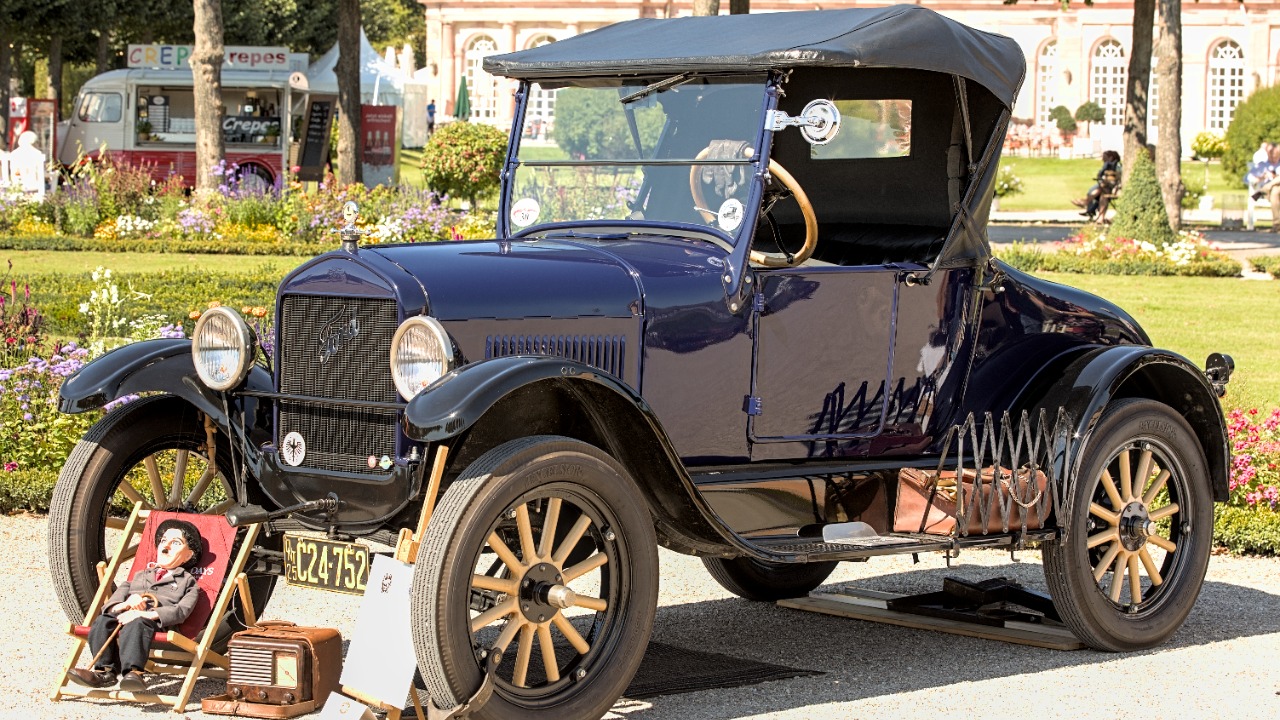
Introduced in 1908, the Ford Model T is often credited with putting America on wheels. Its assembly line production method not only made cars affordable for the average person but also transformed manufacturing practices across industries. The Model T was designed for practicality with its durable construction and ease of maintenance, making it a staple for families and businesses alike. By 1927, over 15 million units had been sold, establishing a standard for future automobiles in terms of performance and reliability. This vehicle was not just a car; it was a cultural phenomenon that changed mobility forever.
Moreover, the Model T’s impact extended beyond the vehicle itself. It paved the way for the mass production of automobiles, which led to the establishment of a robust infrastructure, including roads and service stations. This shift also influenced urban planning and rural access, fundamentally altering American life. The Model T’s affordability and accessibility opened the door to a new era of independence, allowing people to travel farther and faster than ever before. Its legacy is evident in every car on the road today, making it an undeniable cornerstone of automotive history.
The Volkswagen Beetle

Launched in the late 1930s, the Volkswagen Beetle emerged as a symbol of affordable transportation and practicality. Designed by Ferdinand Porsche, this compact car was built to be economical and efficient, appealing to a wide range of drivers. Its distinctive shape and rear-engine layout contributed to its iconic status. After World War II, the Beetle gained immense popularity, becoming the best-selling car of all time with over 21 million units produced by 2003.
The Beetle was not only popular due to its affordability; it also captured the spirit of the 1960s counterculture, becoming a symbol of freedom and individuality. Its design was so iconic that it inspired numerous adaptations and variations, from convertibles to the modern electric version. The success of the Beetle demonstrated the potential of mass-market vehicles to connect with consumers on an emotional level, influencing automotive marketing strategies for decades to come. Its legacy continues to thrive, proving that a well-designed vehicle can resonate with those from all walks of life.
The Toyota Corolla

Debuting in 1966, the Toyota Corolla swiftly became a global automotive icon. With its focus on reliability, fuel efficiency, and affordability, the Corolla appealed to a broad audience, establishing itself as a practical choice for families and individuals alike. By the 1970s, it became the best-selling car worldwide, a status it has maintained for decades. The Corolla’s straightforward design and dependable performance offered a no-frills driving experience that resonated with many consumers.
The Corolla’s success is attributed to Toyota’s commitment to quality and continuous improvement, leading to innovations in manufacturing and design. It also played a significant role in the globalization of the automotive market, as it was produced and sold in multiple countries, adapting to local preferences. As the automotive industry faced challenges such as rising fuel prices and increasing environmental concerns, the Corolla’s evolution has included hybrid variants, showcasing Toyota’s forward-thinking approach. The Corolla’s legacy is a testament to the importance of consistent quality and consumer-focused design.
The Jeep CJ
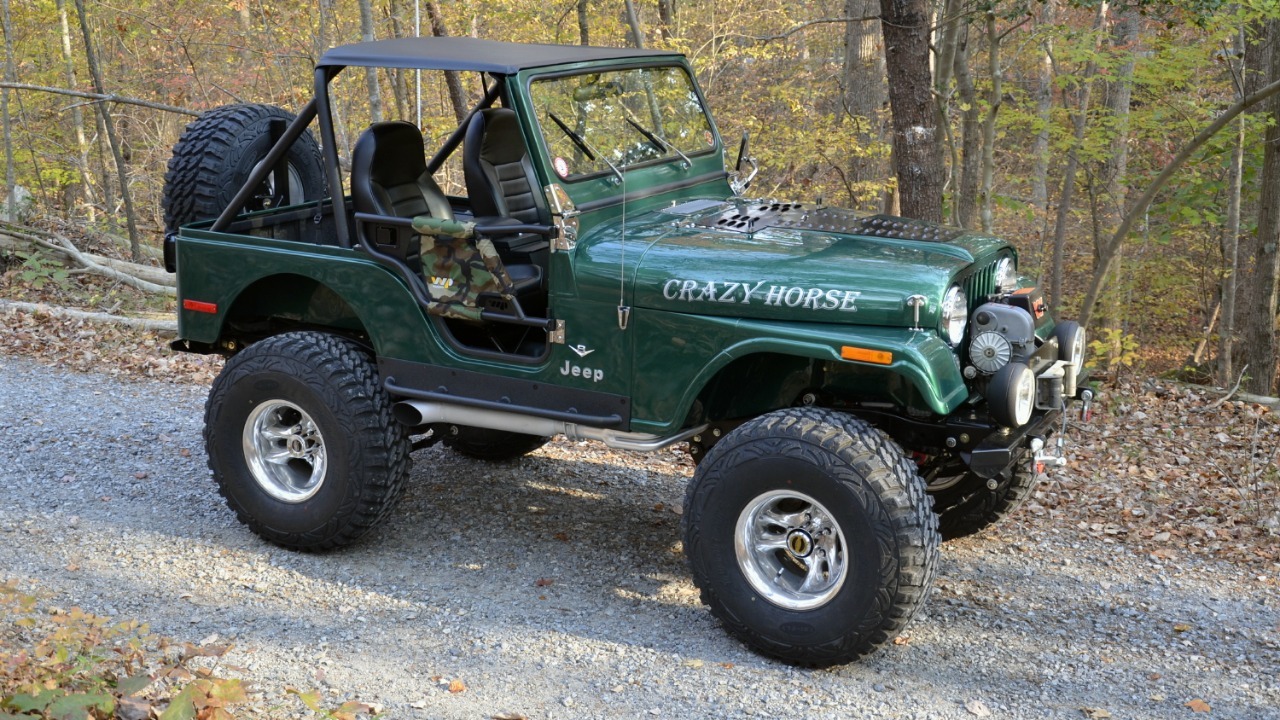
The Jeep CJ series, introduced in 1945, set the standard for off-road vehicles and recreational vehicles alike. Its rugged design and four-wheel-drive capabilities made it a favorite among outdoor enthusiasts and military personnel. The CJ’s versatility allowed it to navigate challenging terrains, which established a new segment in the automotive market focused on adventure and exploration. Over the decades, the CJ evolved into various configurations, catering to both utility and leisure needs.
This iconic vehicle not only influenced the design of subsequent SUVs and off-road vehicles but also fostered a culture of adventure that remains strong today. The Jeep brand has cultivated a loyal following, and the CJ’s spirit of exploration continues to inspire modern models. The Jeep CJ’s impact on automotive culture extends beyond its functionality; it has become a symbol of freedom and adventure, representing a lifestyle that prioritizes exploration and outdoor experiences. Its legacy is evident in the robust off-road capabilities of modern vehicles and the continued popularity of the Jeep brand.
The Honda Accord

Since its launch in 1976, the Honda Accord has been a benchmark for mid-size sedans, known for its reliability, fuel efficiency, and spacious interiors. Its introduction marked a shift in consumer preferences towards more economical and practical vehicles during the oil crisis of the late 1970s. The Accord’s continuous evolution over the years has included innovative technology, safety features, and a focus on sustainability, making it a frontrunner in the automotive industry.
The Accord has consistently ranked among the best-selling cars in the United States, appealing to a diverse range of buyers. Its reputation for quality and dependability has made it a preferred choice for families and professionals alike. In recent years, the Accord has embraced hybrid technology, aligning with the industry’s move toward eco-friendly solutions. The Honda Accord’s adaptability and commitment to quality have established it as a cornerstone of the automotive market, influencing competitors to prioritize reliability and consumer satisfaction.
The Tesla Model S

Launched in 2012, the Tesla Model S has redefined expectations for electric vehicles (EVs). With its impressive range, rapid acceleration, and cutting-edge technology, it has proven that electric cars can compete with traditional gasoline-powered vehicles. The Model S’s sleek design and luxurious features have attracted a broad customer base, challenging preconceived notions about EVs being subpar in performance and comfort.
The introduction of the Model S also marked a significant shift in the automotive industry towards sustainability. Tesla’s success has prompted established automakers to invest heavily in electric vehicle technology, leading to an influx of new models in the EV market. Furthermore, Tesla has pioneered advancements in autonomous driving technology, pushing the boundaries of what vehicles can achieve. The Model S has not only changed consumer perceptions of electric vehicles but has also set a new standard for innovation within the automotive industry.
The Mini Cooper
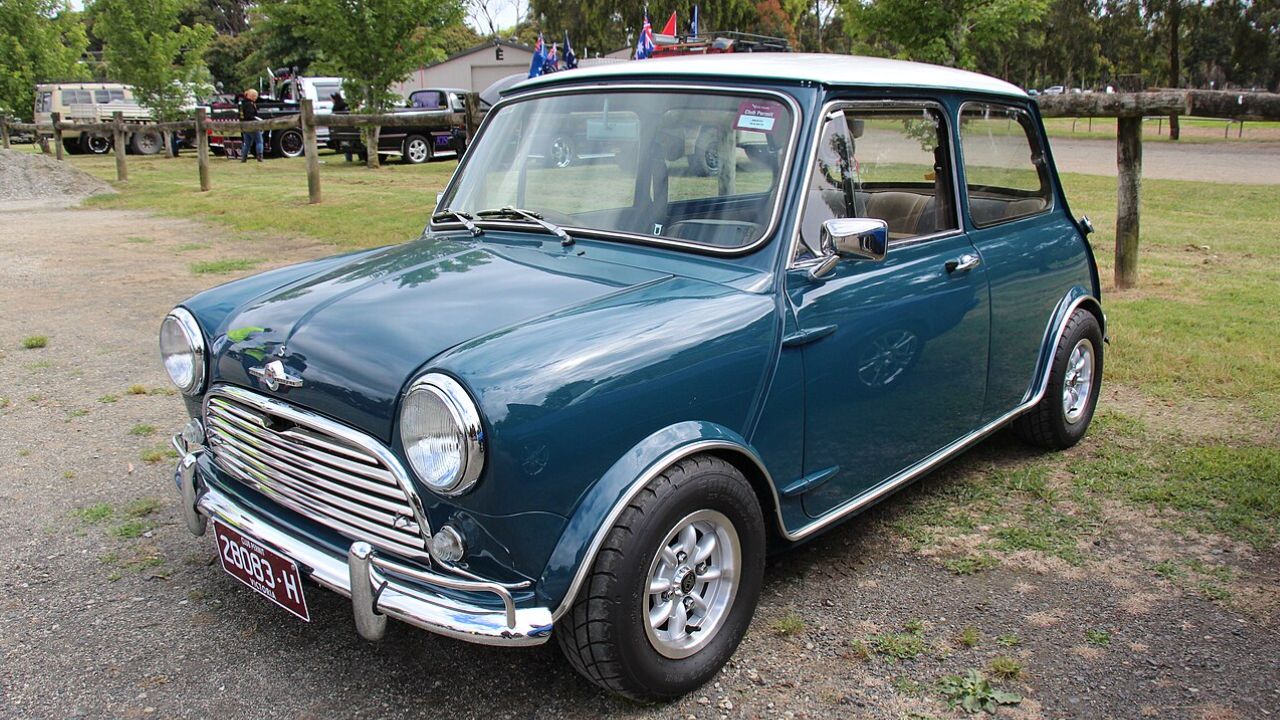
First introduced in 1959, the Mini Cooper quickly became a symbol of British automotive design. Its compact size, playful styling, and agile handling made it an instant hit among urban drivers. The Mini’s efficient use of space allowed it to accommodate four passengers without sacrificing performance, making it ideal for navigating congested city streets. The car’s unique character and charm have cemented its place in automotive history.
The Mini Cooper’s cultural impact has been significant, becoming an icon of the 1960s and appearing in various films and advertisements. Its racing pedigree, particularly in the Monte Carlo Rally, showcased its capabilities and further solidified its appeal. Over the years, the Mini has evolved through various iterations, maintaining its distinctive style while incorporating modern technology. The Mini’s influence can be seen in the growing trend of compact cars, proving that smaller vehicles can deliver both performance and personality.
The Chevrolet Suburban
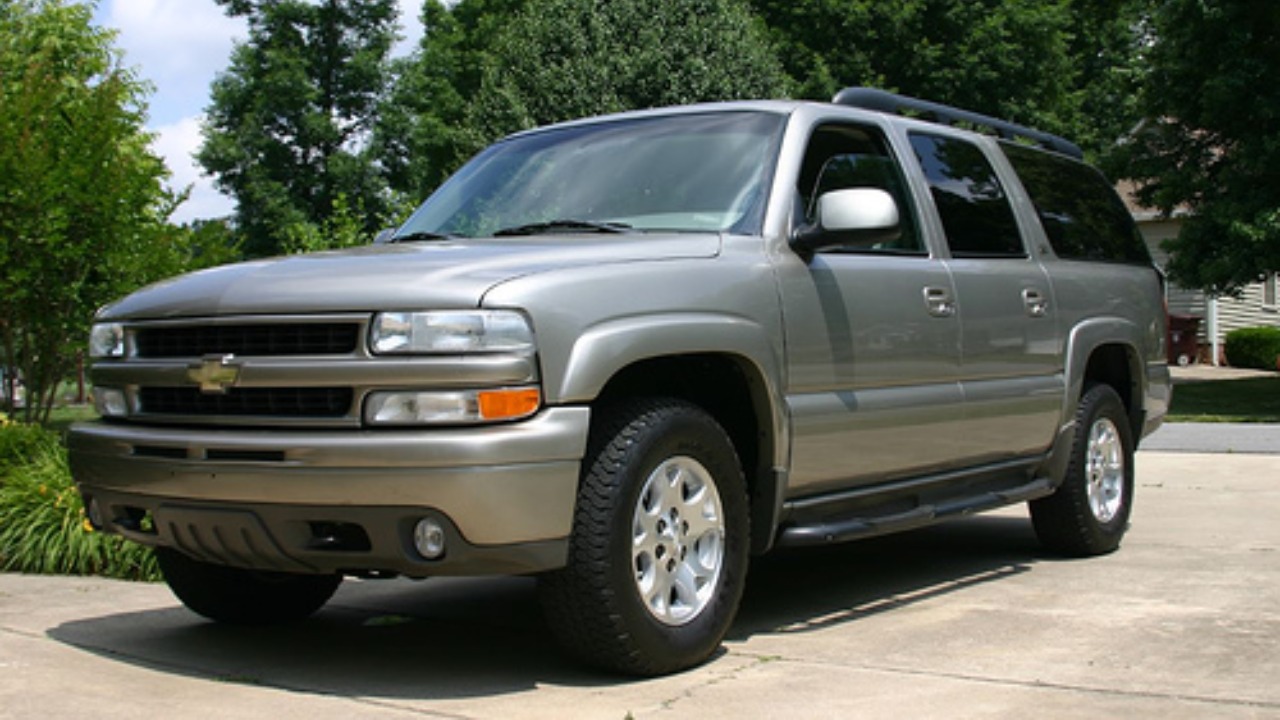
The Chevrolet Suburban, introduced in 1935, has become a staple in the full-size SUV segment, known for its spacious interiors and versatility. Initially designed as a family vehicle, the Suburban has evolved to accommodate various needs, from transporting large groups to serving as a work vehicle for businesses. Its robust build and ability to handle diverse terrains have made it a popular choice for families and professionals alike.
Over the decades, the Suburban has adapted to changing consumer preferences, incorporating modern technology and safety features. It has set the standard for large SUVs, influencing the design and functionality of competitors. The Suburban’s enduring popularity is a testament to its reliability and adaptability, making it a significant player in the automotive market. Its legacy continues as it remains a top choice for those seeking a combination of space, comfort, and utility.
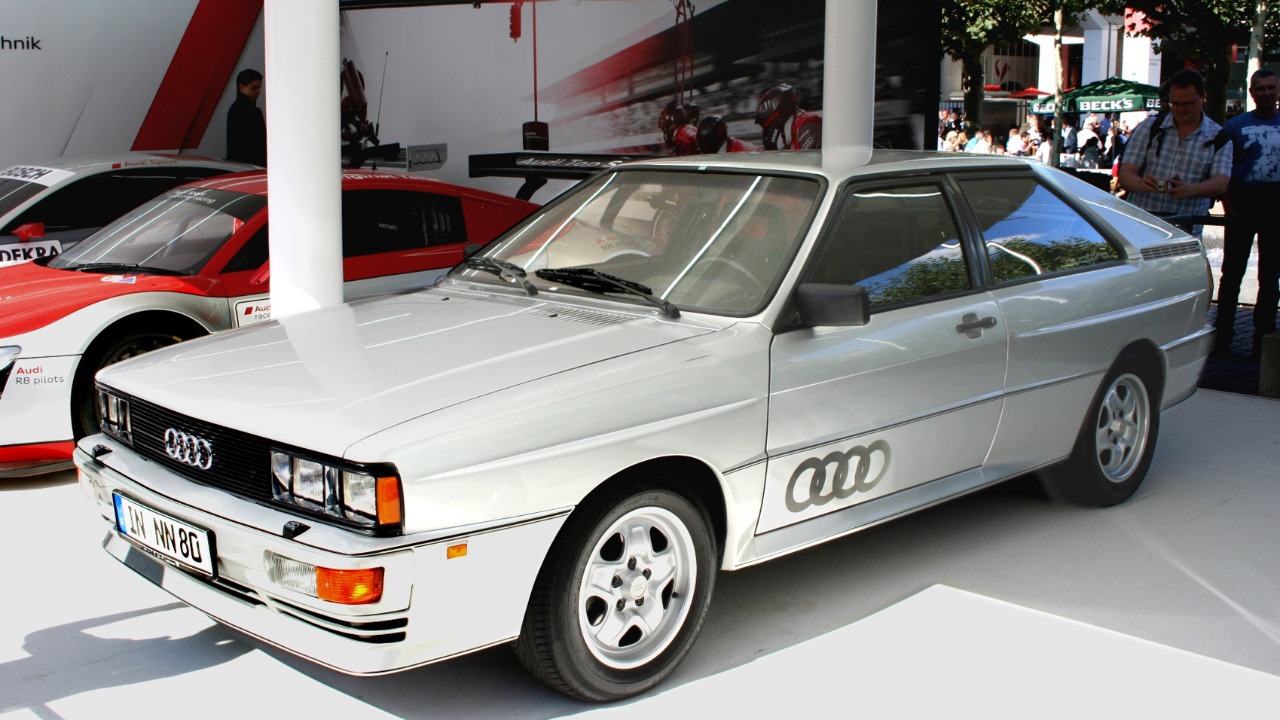
The Audi Quattro
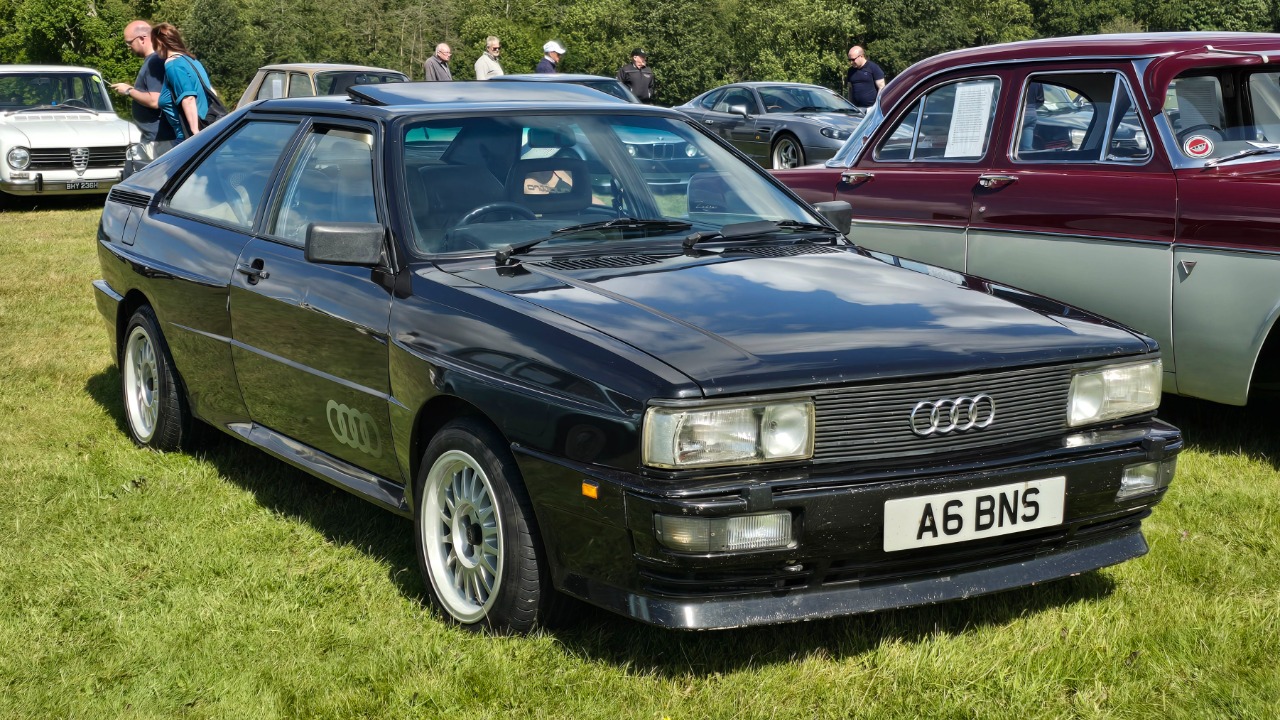
Launched in 1980, the Audi Quattro revolutionized the world of all-wheel drive (AWD) vehicles. Its introduction marked a significant advancement in handling and performance, especially in challenging weather conditions. The Quattro’s success in motorsport, particularly in rally racing, showcased the benefits of AWD technology, which would later become a standard feature in many modern vehicles.
The Quattro also highlighted Audi’s commitment to innovation and performance, influencing the design of future models across various segments. Its legacy is evident in the evolution of Audi’s lineup, as the brand has continued to push the boundaries of performance and technology. The Quattro not only changed the landscape of AWD vehicles but also set a precedent for luxury performance cars, proving that advanced technology can enhance both safety and driving pleasure.
More from Fast Lane Only
- Unboxing the WWII Jeep in a Crate
- 15 rare Chevys collectors are quietly buying
- 10 underrated V8s still worth hunting down
- Police notice this before you even roll window down
*Research for this article included AI assistance, with all final content reviewed by human editors.