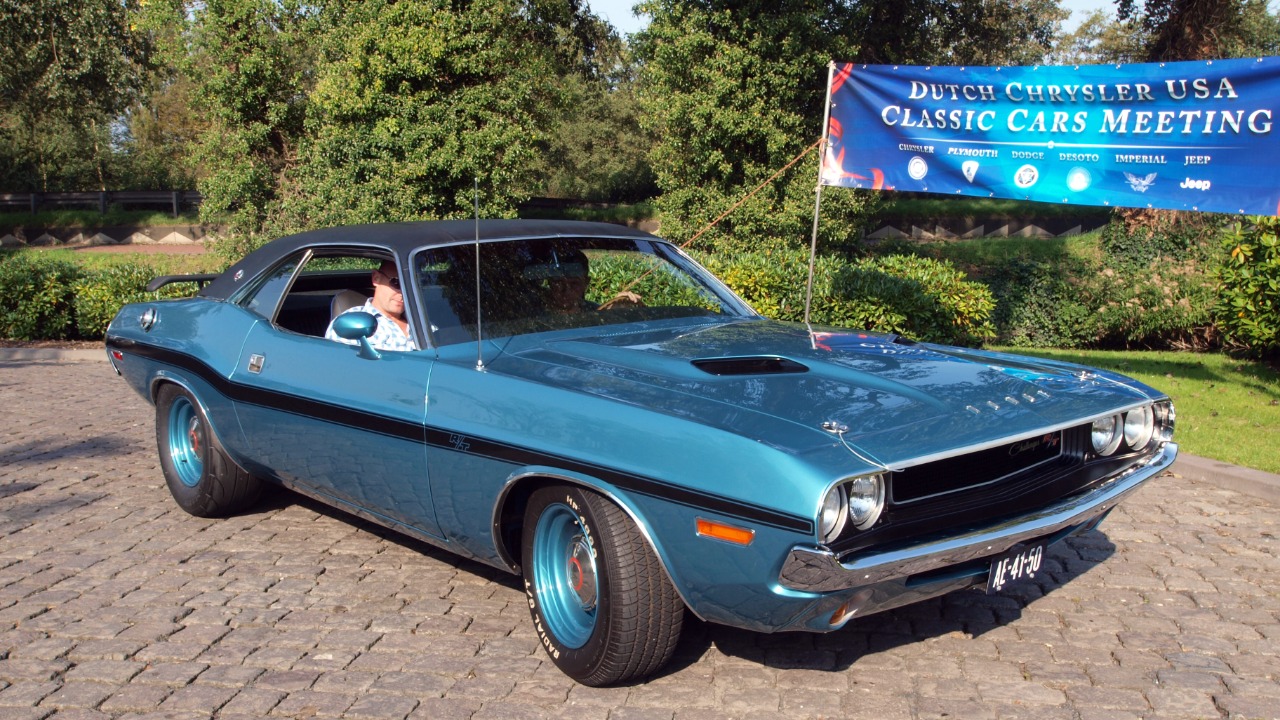
Muscle cars have a unique ability to ignite passion in automotive enthusiasts, blending raw power with iconic design. Each of these vehicles has carved out its own niche in automotive history, continuing to inspire generations of car lovers. From the roar of their engines to their unmistakable silhouettes, these cars symbolize freedom and rebellion on the open road.
Ford Mustang
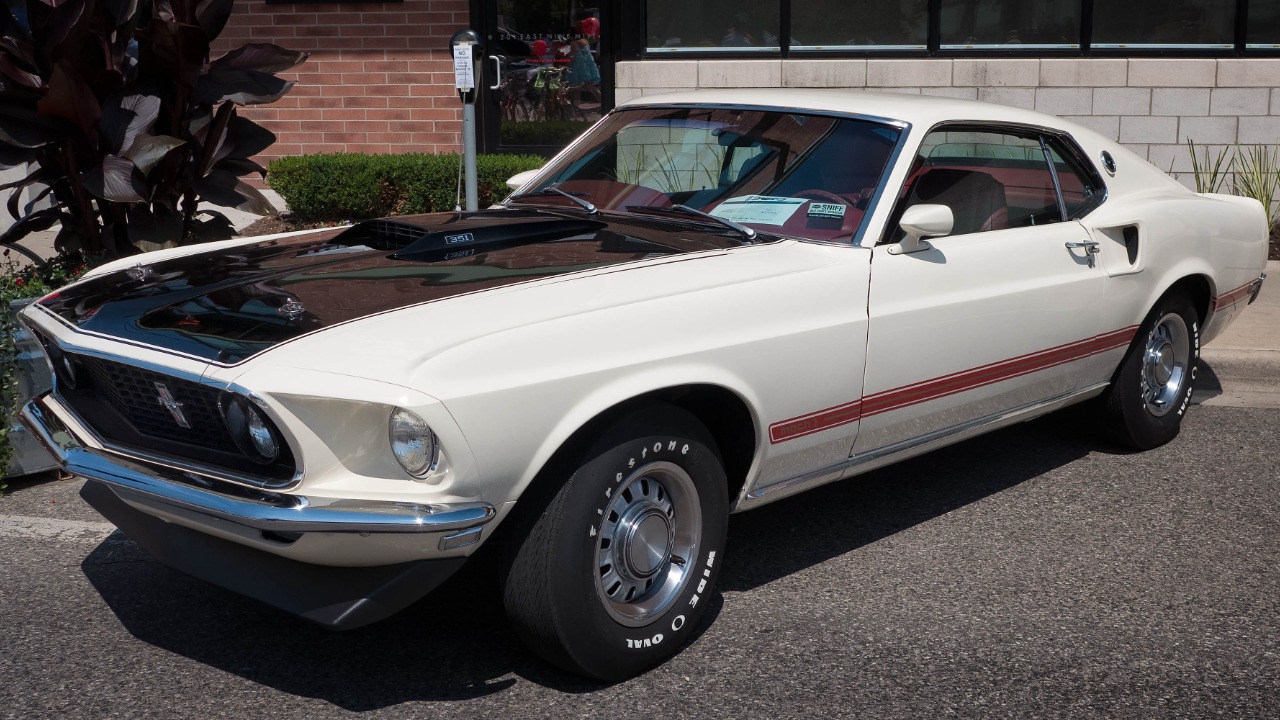
The Ford Mustang debuted in 1964, quickly establishing itself as the quintessential American muscle car. With its sleek lines and powerful engines, the Mustang embodies the spirit of the 1960s. The introduction of the GT model in 1965 brought a V8 engine that produced a thrilling 271 horsepower, making it an instant hit among performance enthusiasts. Over the decades, it has evolved through various generations, maintaining its status as a symbol of American automotive culture. The Mustang’s appeal transcends generations, inspiring countless modifications and restorations. Classic models like the 1969 Mustang Mach 1 are still highly sought after by collectors, proving that this vehicle is more than just a car; it’s a legacy.
The modern iterations, such as the 2021 Ford Mustang Mach-E, show the brand’s commitment to innovation while honoring its heritage. Electric vehicles may be the future, but the Mustang’s roots remain firmly planted in muscle car tradition. With an ever-expanding lineup, including the Shelby GT500, the Ford Mustang continues to captivate enthusiasts and ignite a sense of adventure on the road.
Chevrolet Camaro
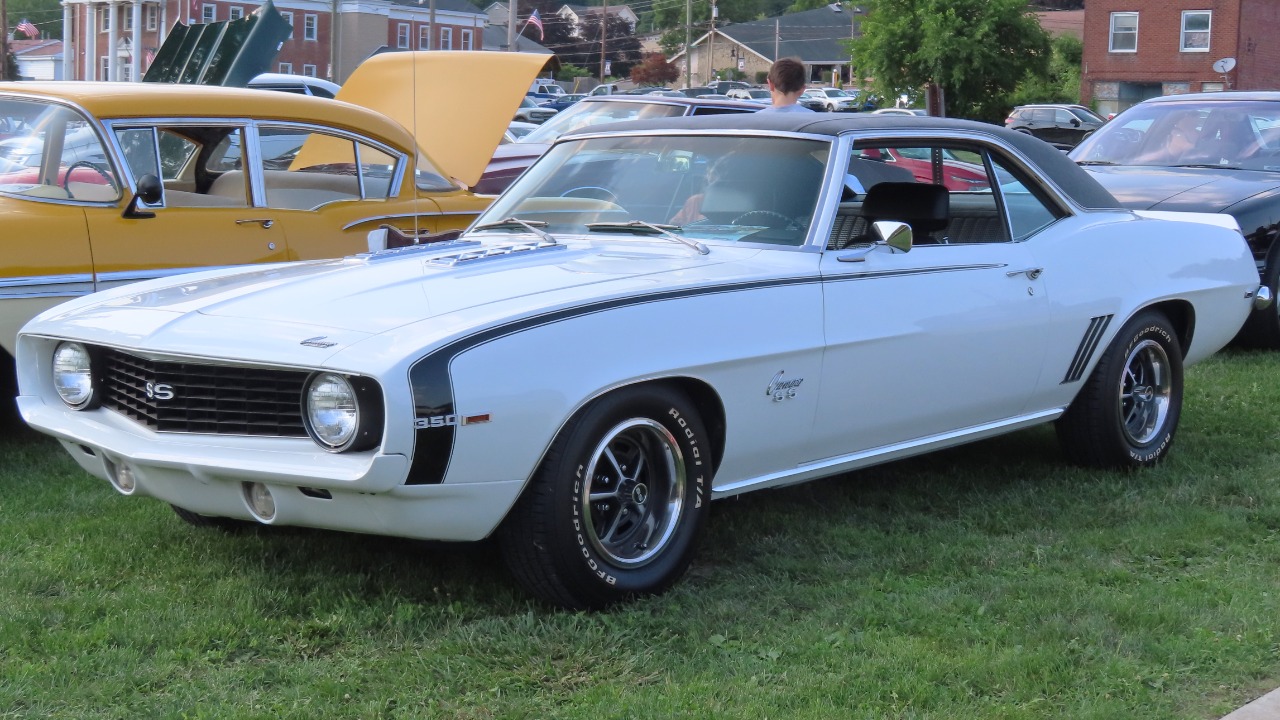
Introduced in 1966 as a response to the Mustang, the Chevrolet Camaro has earned its place in muscle car history. The first-generation models, especially the 1969 Camaro, have become icons of performance and style. With a range of powerful V8 engines, the Camaro offered serious competition on the streets and the race track. The 1970s saw a decline in muscle car performance due to stricter emissions regulations, but the Camaro persevered, evolving through various redesigns and engine options.
Today, the Chevrolet Camaro remains a favorite among car enthusiasts, thanks to its aggressive styling and powerful performance. The latest models boast advanced technology, such as the 2022 Camaro’s available 6.2L V8 engine that delivers an adrenaline-pumping 455 horsepower. The Camaro’s storied history is well-documented, and you can explore more about its impact on automotive culture in resources like this book.
Dodge Challenger
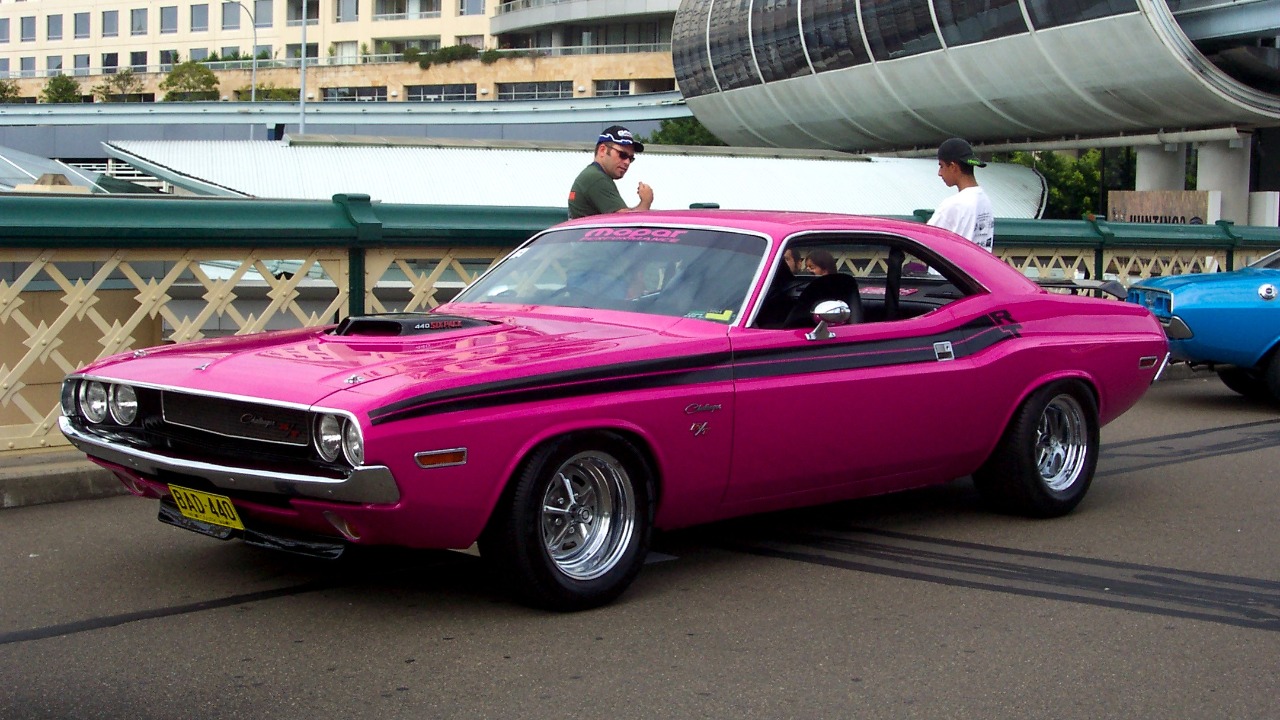
The Dodge Challenger made its debut in 1970, quickly becoming a symbol of raw power and performance. With its muscular stance and retro styling, the Challenger captures the essence of classic muscle cars while integrating modern technology. The 1970 model featured a range of powerful engines, including the legendary HEMI, which solidified its reputation on the street and the drag strip. After a hiatus, the Challenger was reborn in 2008, bringing back that classic vibe with updated performance standards.
The modern Challenger offers a variety of engine options, including the awe-inspiring 797-horsepower Supercharged 6.2L HEMI V8 in the Hellcat Redeye. Dodge has successfully blended nostalgia with innovation, ensuring the Challenger remains a staple in the muscle car landscape. The car’s enduring appeal is further explored in literature, such as this insightful resource.
Pontiac GTO
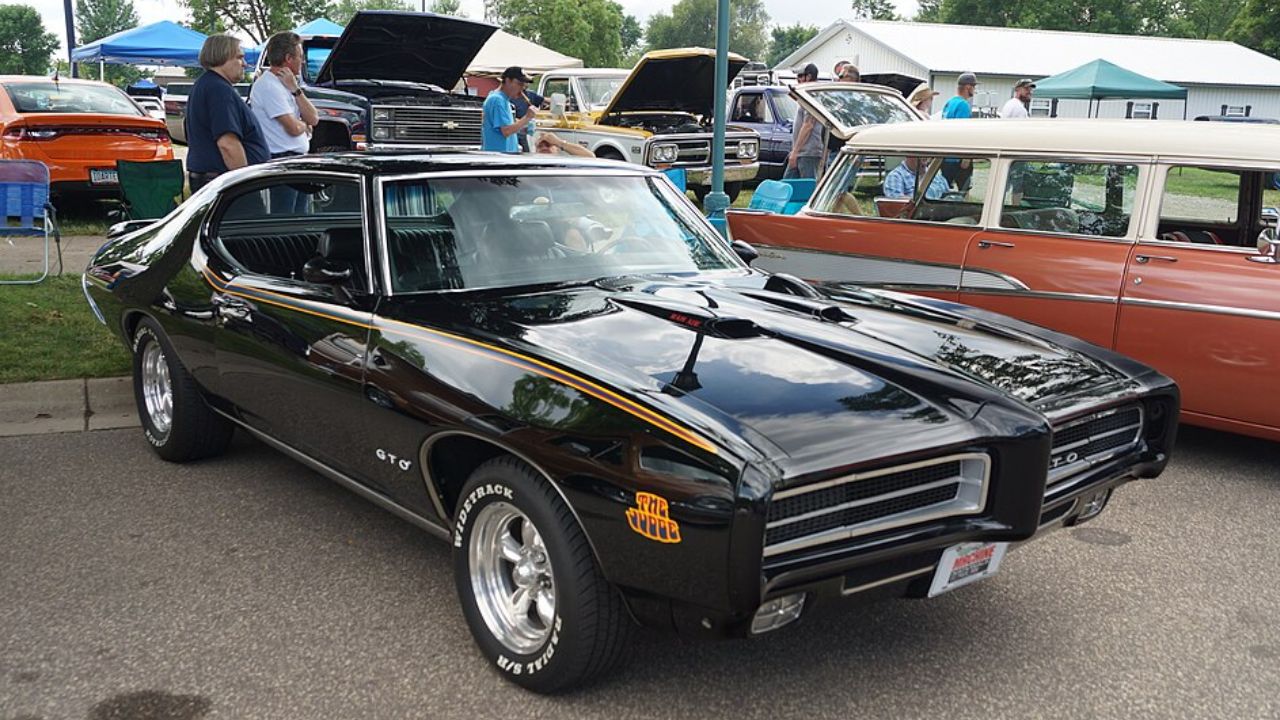
The Pontiac GTO is often credited with starting the muscle car craze in the 1960s. Launched in 1964, the GTO combined a powerful V8 engine with a compact body, creating a vehicle that was both fast and fun to drive. The 1966 model, with its distinctive styling and robust performance, became a symbol of American automotive ingenuity. Pontiac’s clever marketing and focus on performance captured the attention of a youthful demographic, making it a cultural phenomenon.
Despite its discontinuation in the early 2000s, the GTO’s legacy continues to inspire enthusiasts. Collectors and restorers celebrate classic models, particularly the 1969 GTO Judge, which remains a sought-after vehicle in the muscle car community. The GTO’s influence on the muscle car genre is profound, proving that this car is more than just a mode of transportation; it’s a piece of history that continues to resonate with car enthusiasts and collectors alike.
Chevrolet Corvette
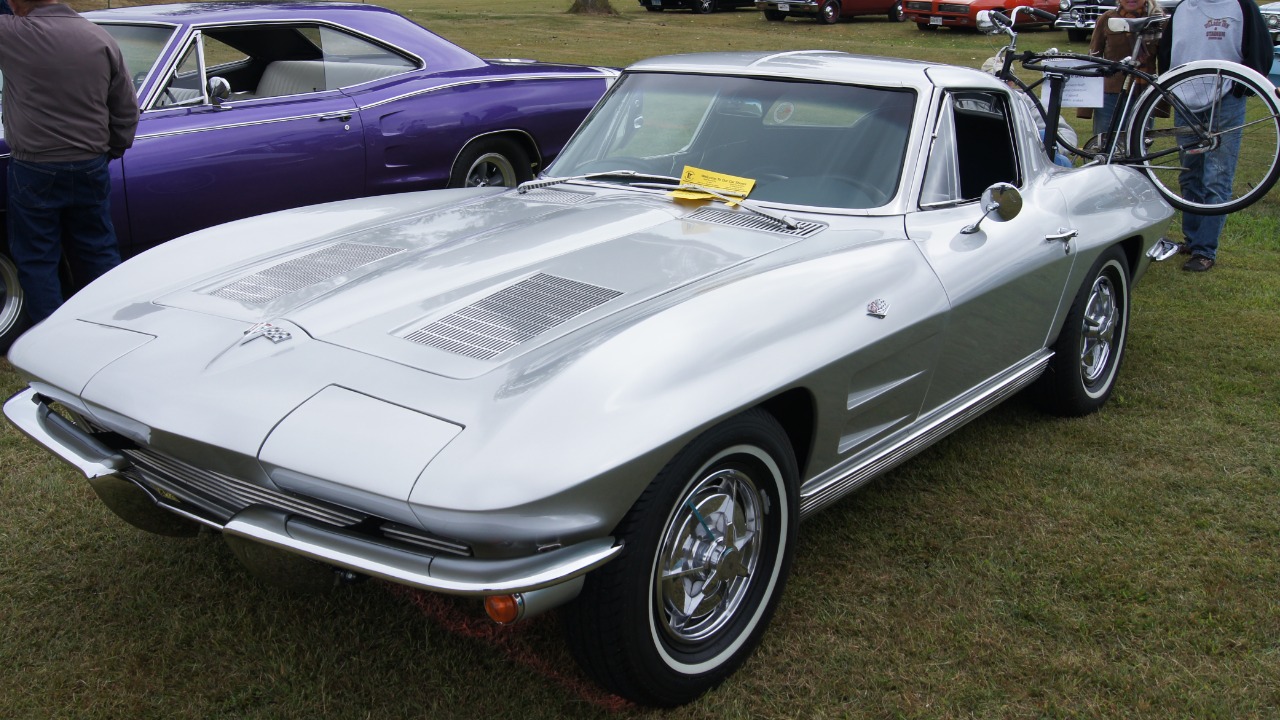
While often categorized as a sports car, the Chevrolet Corvette has muscle car roots that can’t be ignored. Since its debut in 1953, the Corvette has been synonymous with American performance. The early models, particularly the 1963 Sting Ray, showcased innovative design and engineering that set the stage for future generations. The Corvette’s powerful V8 engines and sleek lines have made it a favorite among driving enthusiasts, offering both speed and style.
The Corvette’s evolution through the decades reflects advancements in automotive technology while maintaining its core identity. The latest model, the C8 Corvette, features a mid-engine layout that pushes the boundaries of performance, with a 495-horsepower engine that delivers an exhilarating driving experience. For those looking to understand the Corvette’s rich history, this resource dives deep into its legacy.
Plymouth Barracuda

The Plymouth Barracuda, introduced in 1964, was one of the first true muscle cars, predating the Ford Mustang. With its unique fastback design and powerful V8 options, the Barracuda quickly gained a following among performance enthusiasts. The 1970 model, featuring aggressive styling and a range of potent engine choices, became particularly iconic. Its combination of speed and style helped solidify its place in automotive history.
Despite production ending in the early 1970s, the Barracuda’s legacy lives on through car shows and enthusiast forums. The demand for classic models, especially the 1971 HEMI ‘Cuda, remains strong among collectors. The Barracuda’s impact on the muscle car scene is celebrated in various car culture publications, serving as a reminder of its pioneering role in the genre.
Ford Torino
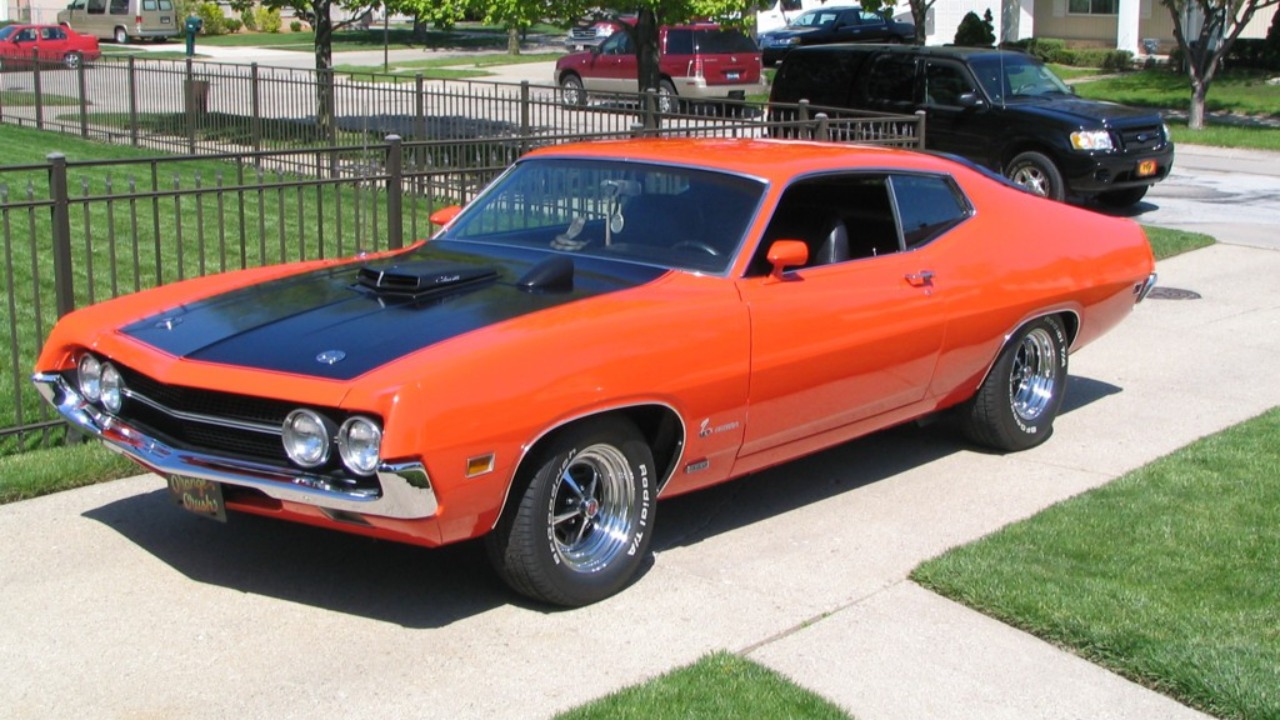
The Ford Torino emerged in the late 1960s as a stylish full-size car that offered powerful performance options. It gained notoriety in the early 1970s, particularly with the introduction of the Torino Cobra and the GT version, which appealed to muscle car enthusiasts. The 1970 Torino GT, equipped with a 429 cubic inch V8 engine, was known for its impressive acceleration and sleek design, making it a formidable competitor in the muscle car market.
While its popularity waned with the onset of stricter emissions regulations, the Torino remains a beloved classic among collectors. The Torino’s role in automotive history is often highlighted in discussions about muscle cars, and you can learn more about its significance through detailed analyses in publications focused on American automotive culture.
AMC Javelin
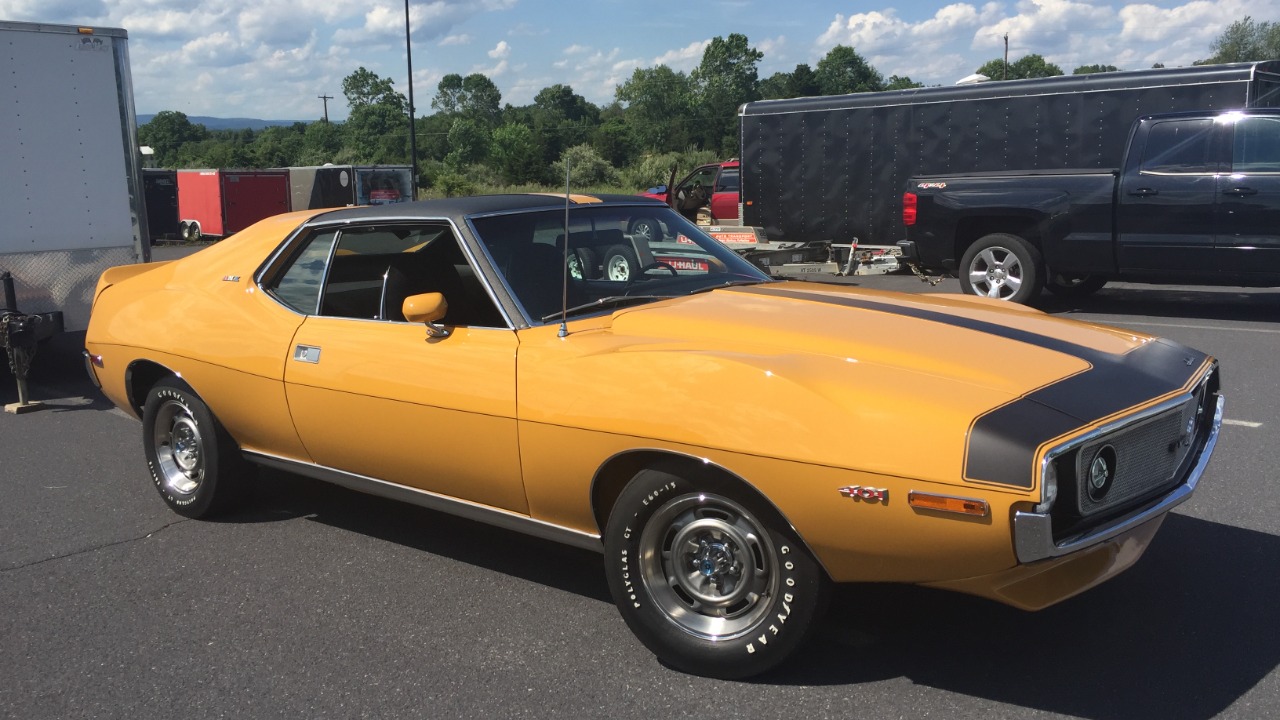
The AMC Javelin, launched in 1967, was a unique entry in the muscle car market, offering a distinct design and performance options that set it apart from competitors. The Javelin was known for its sporty look and agile handling, especially in the 1970s when it was available with powerful engines like the 390 V8. Its racing pedigree was bolstered by success in the SCCA Trans-Am series, where it competed against the likes of the Mustang and Camaro.
Despite its limited production run, the Javelin has carved out a niche among muscle car enthusiasts. The 1971 Javelin AMX, with its bold styling and impressive performance, is particularly sought after by collectors. The Javelin’s unique position in automotive history is a testament to the creativity and innovation of AMC during its heyday, ensuring that this muscle car will continue to inspire enthusiasts for years to come.
More from Fast Lane Only
- Unboxing the WWII Jeep in a Crate
- 15 rare Chevys collectors are quietly buying
- 10 underrated V8s still worth hunting down
- Police notice this before you even roll window down
*Research for this article included AI assistance, with all final content reviewed by human editors.