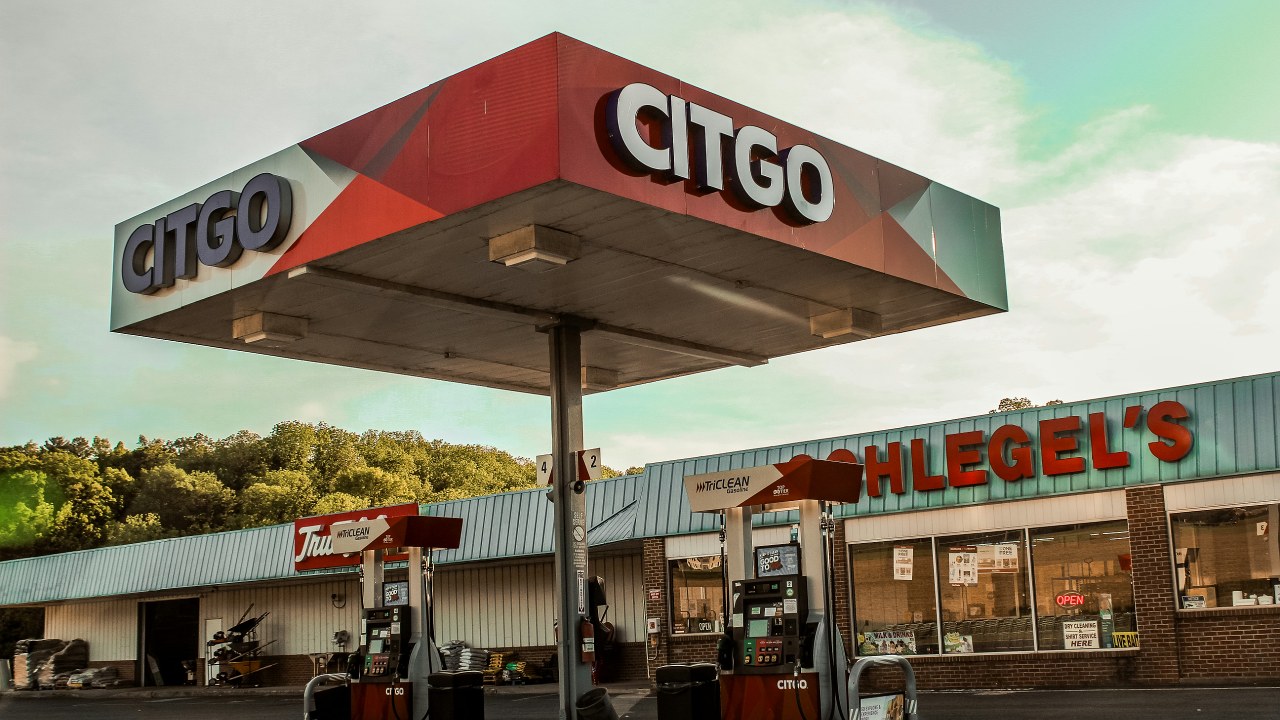
Drivers pulling into a familiar red, white, and blue Citgo canopy are usually thinking about gas prices or coffee, not geopolitics. Yet the chain that sells fuel through more than 13,500 branded stations across the United States has, for decades, sat at the center of a struggle over Venezuela’s oil wealth, foreign creditors, and Washington’s sanctions policy. The quiet reality is that this everyday brand has been controlled through a corporate chain that leads back to Petróleos de Venezuela, S.A., the Venezuelan state oil company, and that ownership is now being dismantled in a high‑stakes court‑ordered sale.
What looks like a routine stop at the pump is, in fact, the retail face of a multibillion‑dollar fight in a Delaware courtroom, a fight that could determine how much of Venezuela’s overseas oil empire survives and who ultimately benefits from its breakup. I want to unpack how Citgo ended up in Venezuelan hands, why a U.S. judge is now approving bids for its parent company, and what that means for American consumers who have long treated the brand as just another neighborhood station.
How Citgo became Venezuela’s American gas brand
Citgo’s path from a conventional U.S. refiner to a symbol of Venezuelan influence began in the late twentieth century, when Petróleos de Venezuela, S.A. moved aggressively to secure outlets for its crude. According to the company’s own historical account, PDVSA initially bought 50 percent of CITGO, then later expanded that stake, turning the refiner and marketer into a key downstream arm for Venezuelan oil. That investment was not just financial; the Venezuelan company used the brand’s visibility, including sponsorship of the Wood Brothers NASCAR team, to project its presence deep into American consumer culture.
Over time, Citgo was folded into a layered corporate structure that kept it legally American while tying it firmly to Caracas. Citgo Petroleum Corporation is described as the indirect subsidiary of U.S.‑based PDV Holding, a holding company incorporated in the United States, which in turn has been owned by Venezuela’s state oil interests. The headquarters in Houston, Texas, and the long‑standing Citgo sign over Fenway Park in Boston helped cement the image of a domestic brand, even as the upstream profits and strategic decisions were linked to Venezuela’s national oil policy. That dual identity, American on the surface and Venezuelan in control, is what later made Citgo such a tempting target for both sanctions and creditors.
The gas station on the corner, and the state behind it
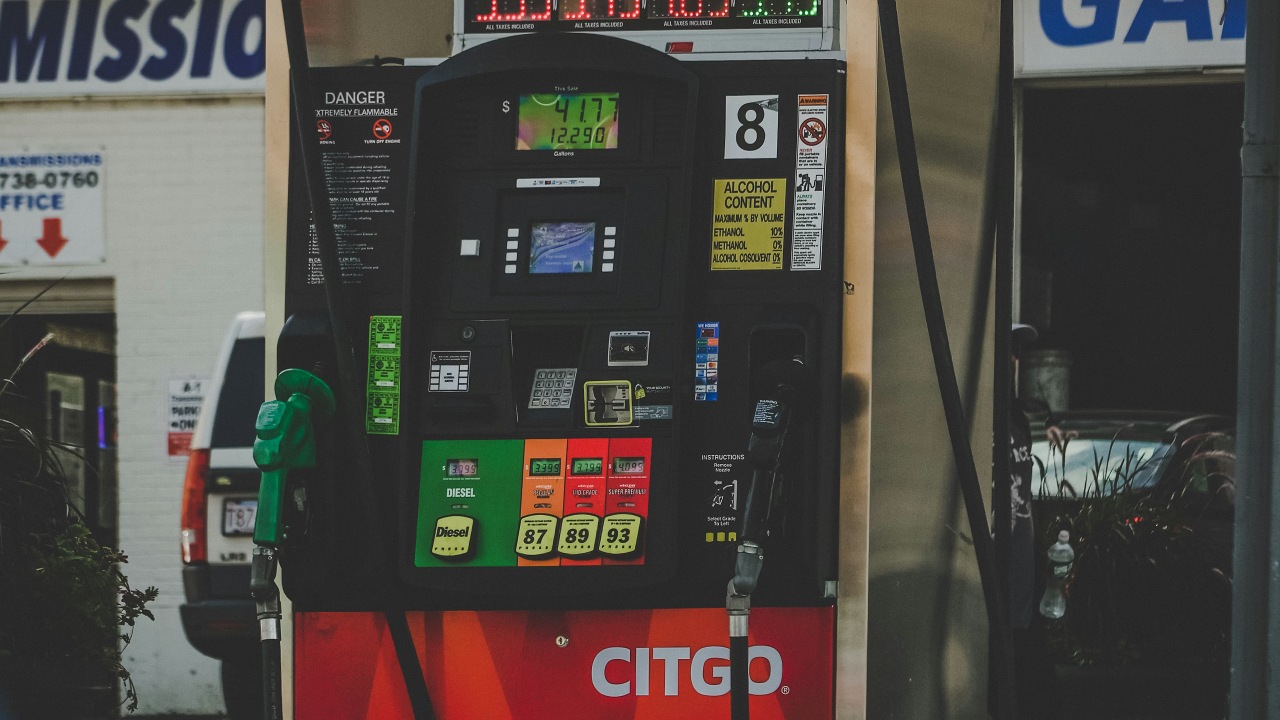
For most customers, the Venezuelan connection has been invisible, overshadowed by the simple convenience of a station on the way to work or home. One Washington, D.C., resident recently described how, in the 1980s, they would make an awkward U‑turn at the intersection of Minnesota and Pennsylvania just to stay loyal to a particular Citgo location, a reminder that brand habits are built on routine rather than geopolitics. The same pattern plays out across the country, where Citgo’s canopy competes with Shell, Chevron, and independent operators on price and proximity, not on who ultimately owns the refining assets.
Behind that everyday experience, however, sits a company that has been explicitly identified as Venezuela‑owned through PDV Holding and its links to PDVSA. Citgo’s own corporate materials emphasize that Citgo Petroleum Corporation is an indirect subsidiary of PDV Holding, and separate reporting has underscored that PDV Holding is the parent company whose shares are now being sold to satisfy Venezuela’s debts. The result is a striking disconnect: a brand that feels hyperlocal, down to the corner of Minnesota and Pennsylvania, is in fact part of a chain of ownership that has been central to Venezuela’s efforts to monetize its oil abroad and, more recently, to the efforts of creditors to seize those assets.
From expropriations to a Delaware auction block
The current unravelling of Venezuela’s grip on Citgo traces back to a broader wave of expropriations and contract disputes that left the country facing billions of dollars in arbitration awards. As Venezuela nationalized projects and clashed with foreign investors, companies pursued compensation through international tribunals, eventually winning claims that they then sought to enforce against Venezuelan assets overseas. Citgo, with its U.S. incorporation and valuable refining and marketing network, became one of the most attractive targets for those creditors, especially once sanctions and political turmoil limited Venezuela’s ability to shield or refinance its holdings.
That legal pressure culminated in a Delaware court process that has effectively put PDV Holding, and by extension Citgo, on the auction block. A U.S. judge approved the sale of shares in Venezuela‑owned PDV Holding, the parent company of CITGO Petroleum, as a way to satisfy outstanding judgments. Venezuelan officials have denounced the process as a “forced sale” of Citgo, arguing that the Delaware proceedings amount to an attempt at seizing Venezuela’s vast oil reserves by stripping away one of its most valuable foreign subsidiaries. The court, however, has treated PDV Holding as a reachable asset for creditors, setting up a competitive bidding process for control.
The billion‑dollar bids circling Citgo’s parent
Once the Delaware judge opened the door to a sale, a series of heavyweight bidders emerged, each seeing strategic value in Citgo’s refining and retail footprint. One bid that drew particular attention came from Gold Reserve, a company based in Spokane, Wash, which offered $7.38 billion through its subsidiary Dalinar Energy. That proposal, backed by Koch interests, was pitched not only on price but also on a promise to retain the existing workforce, an important consideration for U.S. communities that depend on Citgo’s refineries and distribution hubs. The size of the bid underscored how coveted the assets are, even as they are entangled in geopolitical controversy.
Another major offer came from an affiliate of Elliott, with a U.S. judge approving a $5.89 billion bid from Elliott Investme for PDV Holding. In court filings, that proposal was described as the “Amber Bid” and was praised for offering the best overall combination of price and terms, including a clear path to taking ownership of Citgo’s assets. Separate analysis has suggested that the broader auction process could ultimately value Citgo at around $10 billion, reflecting both its current operations and its potential if freed from Venezuelan political risk. Each of these figures, from $5.9 to $7.38 billion and beyond, represents not just a financial valuation but a measure of how much leverage creditors believe they can extract from Venezuela’s former crown jewel.
What a post‑Venezuela Citgo means for drivers and diplomacy
As these bids advance, the question is shifting from whether Venezuela can keep Citgo to what a post‑Venezuelan ownership structure will look like for American drivers and for U.S. policy toward Caracas. On the consumer side, the immediate impact at the pump is likely to be muted, since Citgo’s stations are mostly operated by independent retailers who license the brand and buy fuel under contract. The company’s own description of its network, which includes more than 13,500 retail stations, suggests a scale that is resilient to ownership changes at the holding‑company level, at least in the short term. Prices on the corner of Minnesota and Pennsylvania, or under the Fenway Park sign, are still more likely to be driven by crude markets and local competition than by who sits in the PDV Holding boardroom.
Diplomatically, however, the loss of Citgo would mark a profound shift in Venezuela’s relationship with the United States. For years, Citgo has been one of the few major Venezuelan assets firmly embedded in the U.S. economy, giving Caracas both a revenue stream and a point of leverage. The forced sale of PDV Holding, over Venezuela’s objections, would strip away that foothold and redistribute control of a key refiner to private creditors or rival energy players. I see that outcome as the culmination of a long conflict that has included U.S. sanctions, disputes over who legitimately represents Venezuela’s government, and even references to the U.S. military’s capture and extradition of Vene figures tied to the oil sector. Once the auction is complete, the gas station chain that was quietly owned by Venezuela will instead stand as a case study in how sovereign assets can be unwound in foreign courts when politics and debt collide.
More from Fast Lane Only: