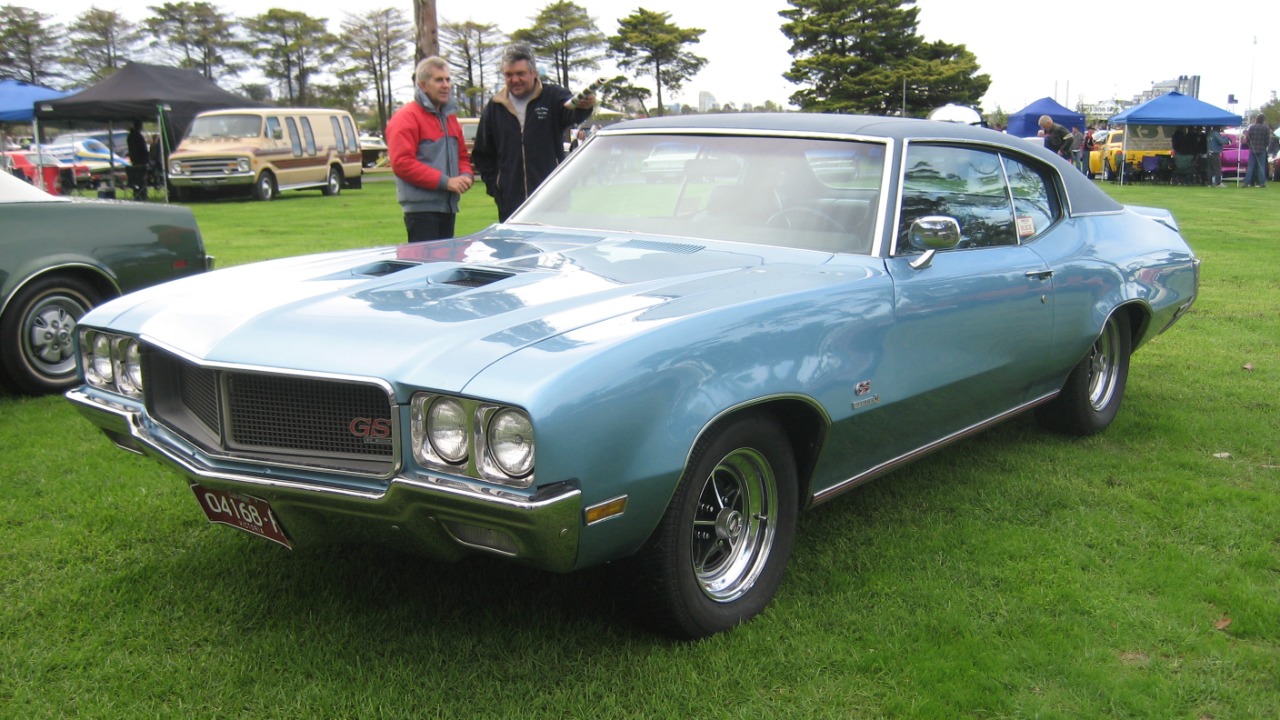
The 1970 Buick Skylark GS is a classic model that holds a special place in automotive history. Despite its performance and styling, it disappeared from showrooms with little explanation, leaving enthusiasts and collectors puzzled about its sudden exit.
Historical Context of the 1970 Buick Skylark GS
The Buick Skylark first emerged in 1961 as a compact car that appealed to drivers seeking a blend of style and performance. Over the years, it evolved into a symbol of the muscle car era, particularly with the introduction of the GS (Gran Sport) model in 1965. By 1970, the Skylark GS had matured into a formidable contender in the muscle car segment, boasting a range of powerful engines and sporty features that captured the spirit of the time.
The late 1960s and early 1970s marked a significant shift in consumer preferences, with American car buyers increasingly drawn to vehicles that offered both power and flair. The 1970 Buick Skylark GS came equipped with a range of engine options, including the impressive 455 cubic inch V8, which produced a staggering 360 horsepower. Additionally, it showcased distinctive styling cues, such as a bold front grille and aggressive body lines, making it stand out among competitors like the Pontiac GTO and Chevrolet Chevelle SS.
Key features of the 1970 Skylark GS included a heavy-duty suspension, performance-tuned exhaust, and optional features like air conditioning and power windows. These specifications not only appealed to performance enthusiasts but also catered to a wider audience looking for a comfortable ride with a touch of excitement. It was this combination of power and luxury that helped the Skylark GS carve out its niche in the competitive landscape of American muscle cars.
Market Dynamics and Consumer Preferences
The changing automotive landscape of the early 1970s played a crucial role in the Skylark GS’s disappearance from showrooms. The oil crisis of 1973 was a turning point that dramatically influenced consumer behavior. As fuel prices surged, buyers began to prioritize smaller, more fuel-efficient vehicles over traditional muscle cars. This shift was exacerbated by growing environmental concerns and a shift towards more practical transportation solutions.
Additionally, the muscle car market was becoming increasingly crowded, with many manufacturers vying for consumer attention. The emergence of new models, such as the Ford Mustang and Dodge Challenger, meant that the competition was fierce, and buyers had a plethora of choices. This saturation forced many manufacturers, including Buick, to reconsider their offerings, leading to a decline in demand for high-performance vehicles like the Skylark GS.
As the 1970s progressed, the allure of muscle cars began to fade. The Skylark GS, once a symbol of freedom and power, found itself at odds with a market that was shifting towards practicality and efficiency. Consumers were no longer willing to overlook fuel consumption and insurance costs, which led to a significant decline in sales for muscle cars across the board.
Production and Sales Figures
Analyzing the production numbers for the 1970 Buick Skylark GS reveals a clear picture of its market performance. Approximately 7,000 units of the 1970 Skylark GS were produced, marking a decrease from the previous model years. In 1969, Buick had seen stronger sales with around 11,000 units sold, but by 1970, the combination of rising fuel prices and changing consumer preferences had begun to take its toll.
Several factors contributed to the declining sales of the Skylark GS. Market saturation was a significant issue, as many buyers had already purchased muscle cars or were shifting their focus to newer models. Additionally, Buick’s overall sales strategy began to pivot towards more fuel-efficient options, which left the Skylark GS with limited marketing support. The emergence of compact cars, such as the Chevrolet Vega and Ford Pinto, further complicated matters, as consumers sought alternatives that aligned more closely with their evolving priorities.
Buick’s decision to focus on other models, like the Skylark’s more economical variants, effectively sidelined the GS. This lack of attention and investment meant that the Skylark GS struggled to maintain its foothold in a rapidly changing market. As a result, its availability dwindled, and by the end of the 1970 model year, the Skylark GS was officially discontinued.
Corporate Decisions and Strategic Changes
General Motors’ corporate strategy during the early 1970s had a profound impact on Buick’s model lineup, including the Skylark GS. The company faced significant challenges, including increased competition and changing regulations related to emissions and safety standards. As a result, GM made the difficult decision to streamline its offerings and focus on models that aligned with the shifting consumer landscape.
The influence of management decisions cannot be underestimated. Buick executives recognized the need to adapt to market demands and began to prioritize vehicles that emphasized fuel efficiency and practicality. This strategic pivot meant that the Skylark GS, with its performance-oriented design, was no longer a focal point for the brand. Internal market analysis likely indicated that the future of Buick lay in more versatile and economical vehicles.
Other factors contributing to the discontinuation of the Skylark GS included budget constraints and the overall economic downturn of the early 1970s. As the automotive industry grappled with rising costs and decreasing sales, resources were allocated to models that promised higher returns. The Skylark GS, while beloved by enthusiasts, was ultimately viewed as a liability in an increasingly competitive and cost-conscious market.
The Legacy of the Buick Skylark GS
Despite its abrupt exit from the automotive scene, the legacy of the Buick Skylark GS endures among car enthusiasts and collectors. Today, the Skylark GS is celebrated for its distinctive style and performance, earning a dedicated following that appreciates its place in automotive history. Classic car shows and online forums are filled with passionate discussions about this model, highlighting its unique features and the cultural significance it held during the muscle car era.
The Skylark GS has become a sought-after collectible, with well-preserved examples fetching high prices at auctions. Enthusiasts often share restoration stories and tips, fostering a community that honors the car’s heritage. This enduring interest speaks to the Skylark GS’s ability to resonate with new generations of car lovers, ensuring that it remains a relevant part of automotive culture.
Speculation about a potential revival of the Skylark GS continues to circulate among fans. While Buick has shifted its focus towards more modern vehicles, there is a growing interest in retro designs and performance-oriented models. The Skylark GS’s influence can be seen in Buick’s recent offerings, which aim to blend performance with contemporary sensibilities. Whether or not we see a direct revival of the Skylark nameplate, the spirit of the GS lives on, inspiring future generations of automotive innovation.
More from Fast Lane Only
- Unboxing the WWII Jeep in a Crate
- 15 rare Chevys collectors are quietly buying
- 10 underrated V8s still worth hunting down
- Police notice this before you even roll window down
*Research for this article included AI assistance, with all final content reviewed by human editors.