The allure of classic car designs often transcends time, creating a lasting impression that feels remarkably modern. The combination of timeless aesthetics, innovative engineering, and cultural significance contributes to the futuristic feel of certain classic vehicles, revealing how these elements continue to captivate enthusiasts today.
Timeless Aesthetics
Classic cars often strike an ideal balance between visual appeal and practicality, creating designs that remain desirable across generations. For instance, the 1965 Ford Mustang captures an aggressive yet elegant silhouette that continues to resonate with car enthusiasts. Its long hood, short rear deck, and distinct grille not only make it a sight to behold but also serve as a testament to the era’s automotive design ethos. This balance is key; the Mustang’s form is not just for show—it was engineered for performance, which adds to its timelessness.
Many classic designs feature distinctive shapes and lines that continue to inspire modern automotive aesthetics. The curves and angles of the 1957 Chevrolet Bel Air, for example, have influenced countless vehicles since its release. The car’s sweeping fins and chrome accents create an iconic look that feels both nostalgic and forward-thinking, embodying the spirit of innovation prevalent during the mid-20th century. Such iconic silhouettes remain prominently referenced in contemporary car designs and renderings, showcasing their lasting impact.
The use of bold colors and unique materials can also make classic cars stand out, lending them a futuristic vibe that modern designs sometimes struggle to achieve. Cars like the 1969 Dodge Charger are often seen in vibrant hues that emphasize their muscular builds and aggressive stances. These striking colors, combined with chrome detailing and thoughtful interior designs, create a visual richness that enhances their appeal. In an age where muted tones dominate automotive palettes, these bold color choices evoke a sense of adventure and individuality that feels timelessly advanced.
Innovative Engineering
Some classic cars incorporated groundbreaking technology or engineering practices that were ahead of their era. For example, the 1963 Corvette Sting Ray introduced a split-window design and a lightweight fiberglass body, features that were revolutionary at the time. Such innovations not only improved performance but also showcased a forward-thinking approach to design and engineering. The Sting Ray set new standards for sports cars, and its influence is still felt in modern automotive engineering.
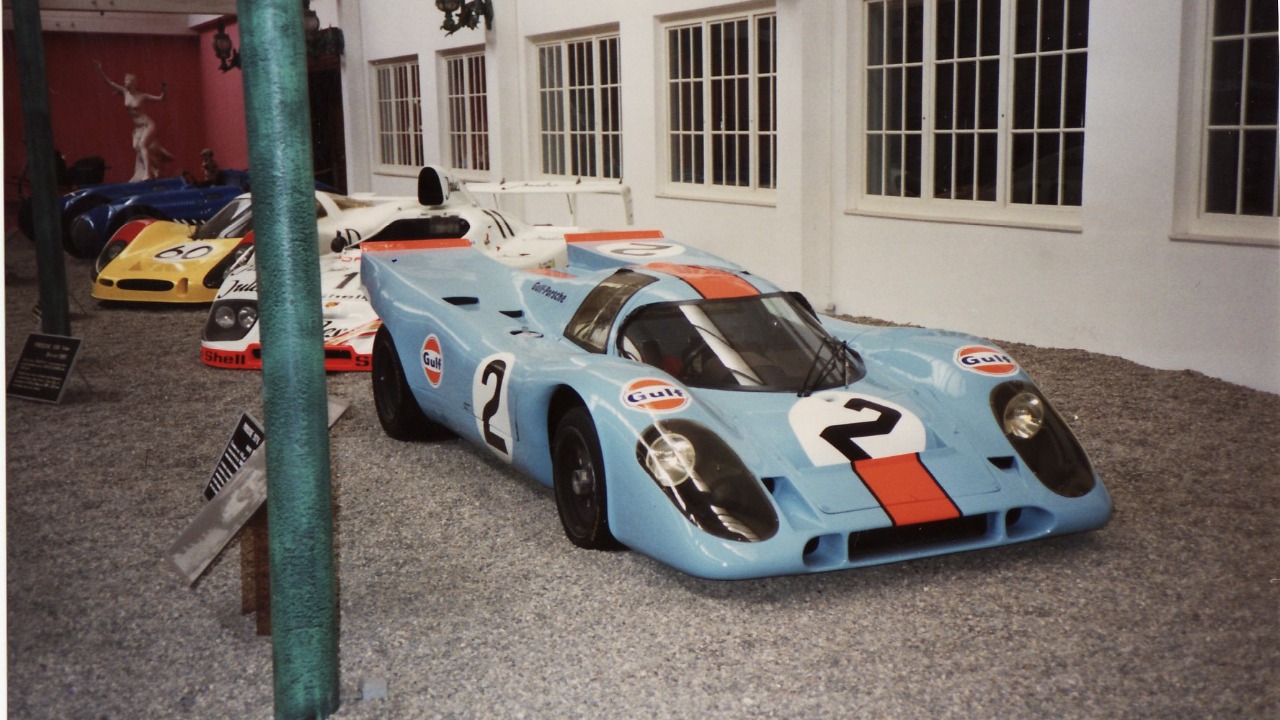
The focus on aerodynamic shapes in classic designs often results in a sleek, futuristic appearance. The 1970 Porsche 917 is a prime example of this, featuring a low profile and smooth contours that enhance its aerodynamic efficiency. This not only contributed to its remarkable racing success but also established a design language that resonates with today’s high-performance vehicles. The attention to aerodynamics and performance in classic cars often makes them appear more advanced than many of their contemporaries.
Moreover, the use of innovative mechanical systems in classic cars contributes to a sense of sophistication that feels modern. The 1965 Volkswagen Beetle, with its air-cooled engine and simple yet effective engineering, stands as a testament to how straightforward mechanics can yield reliable performance. The Beetle’s design philosophy emphasizes functionality without unnecessary complexity, making it feel refreshingly progressive in today’s landscape of overly complicated systems.
Cultural Impact and Nostalgia
Classic cars are often associated with significant cultural movements, making them feel relevant and futuristic. The 1970 Chevrolet Camaro, for instance, became a symbol of the American muscle car era, representing freedom, rebellion, and youthful exuberance. Such associations give classic cars a cultural weight that transcends their time, making them icons of their respective eras while also positioning them as symbols of innovation and individuality.
The emotional connection people have with classic cars can enhance their perception as timeless and forward-thinking. Many enthusiasts recall their first experiences with vehicles like the 1966 Ford Mustang or the 1973 Datsun 240Z, creating a strong sense of nostalgia. These memories foster a belief that these cars embody a spirit of adventure and ingenuity, making them feel eternally relevant. The nostalgia factor plays a significant role in how these vehicles are viewed, contributing to their ongoing allure.
Furthermore, many contemporary vehicles draw inspiration from classic designs, further solidifying their place in the future of automotive design. The resurgence of retro styles in models like the new Ford Bronco or the revived Toyota FJ Cruiser highlights how elements of classic designs are reimagined for today’s market. This cyclical relationship between past and present ensures that classic cars remain influential and appreciated in modern automotive culture.
Materials and Craftsmanship
Classic cars were often built with a focus on high-quality materials and craftsmanship, giving them a unique, enduring appeal. The use of solid metals, genuine wood accents, and luxurious leather interiors in models like the 1955 Mercedes-Benz 300SL demonstrates this commitment to quality. These materials not only enhance the car’s aesthetic but also contribute to a sense of durability and timelessness that modern vehicles sometimes lack.
The prevalence of metal and glass in classic designs showcases a commitment to durability and style that modern cars often mimic. For instance, the 1969 Jaguar E-Type features a long, sleek body with a combination of steel and aluminum, providing both strength and elegance. This thoughtful use of materials not only ensures longevity but also creates a visual and tactile experience that resonates with enthusiasts. It’s this attention to detail that often sets classic cars apart from their modern counterparts.
Many classic vehicles feature intricate details and bespoke elements that add a sense of luxury and futurism. The 1936 Bugatti Type 57SC Atlante is a prime example of this craftsmanship, with its exquisite bodywork and attention to aerodynamic form. Such hand-crafted details elevate these vehicles beyond mere transportation; they are works of art that reflect the technological and artistic aspirations of their time. The legacy of skilled craftsmanship continues to inspire modern car manufacturers to incorporate more artisanal elements into their designs.
Timeless Functionality
Classic cars often prioritize driver experience and comfort, making them feel more advanced than their era suggests. The 1968 Chevrolet Impala, with its spacious interior and user-friendly controls, exemplifies a design philosophy that values driver and passenger comfort. Features like power steering and air conditioning were cutting-edge at the time, yet they continue to enhance the driving experience, making these vehicles feel remarkably modern in their usability.
Many classic designs are adaptable for various uses, from daily driving to show-stopping collectibles, enhancing their appeal. The versatile nature of the 1972 Volkswagen Bus, for instance, allows it to serve as a family vehicle, a mobile office, or a vintage camper. This adaptability makes classic cars more than just a means of transportation; they become lifestyle choices that align with various needs and preferences, further solidifying their timelessness.
Moreover, the straightforward mechanics of classic cars can create a sense of reliability that feels refreshing in today’s complex automotive world. Vehicles like the 1980 Ford F-150 are known for their simplicity and ease of maintenance, making them accessible to a broader audience. This practicality resonates with modern drivers who often seek reliability over the latest technology, reinforcing the idea that classic designs can feel more advanced due to their user-friendly nature.
Community and Enthusiast Culture
Enthusiasts and collectors often create a vibrant culture around classic cars, promoting their relevance and futuristic perception. Events such as the Pebble Beach Concours d’Elegance and the Goodwood Revival celebrate these vehicles, showcasing their beauty and engineering prowess. Such gatherings foster a community where appreciation for classic designs thrives, ensuring that their legacy continues to inspire future generations.
The trend of restoring and modifying classic vehicles keeps their designs alive and relevant in the modern automotive landscape. Many enthusiasts invest time and resources into restoring cars like the 1970 Dodge Challenger, blending original features with modern technology to enhance performance and comfort. This merging of old and new keeps the spirit of classic cars alive while ensuring they remain competitive and enjoyable in contemporary driving conditions.
Car shows and gatherings provide platforms for showcasing classic designs, fostering appreciation and showcasing their timeless appeal. Events like the Woodward Dream Cruise in Michigan attract thousands of classic car enthusiasts, creating a sense of community and shared passion. These gatherings not only celebrate the aesthetics and engineering of classic cars but also highlight their cultural significance, reinforcing their status as icons of innovation and style.
More from Fast Lane Only
- Unboxing the WWII Jeep in a Crate
- 15 rare Chevys collectors are quietly buying
- 10 underrated V8s still worth hunting down
- Police notice this before you even roll window down
*Research for this article included AI assistance, with all final content reviewed by human editors.