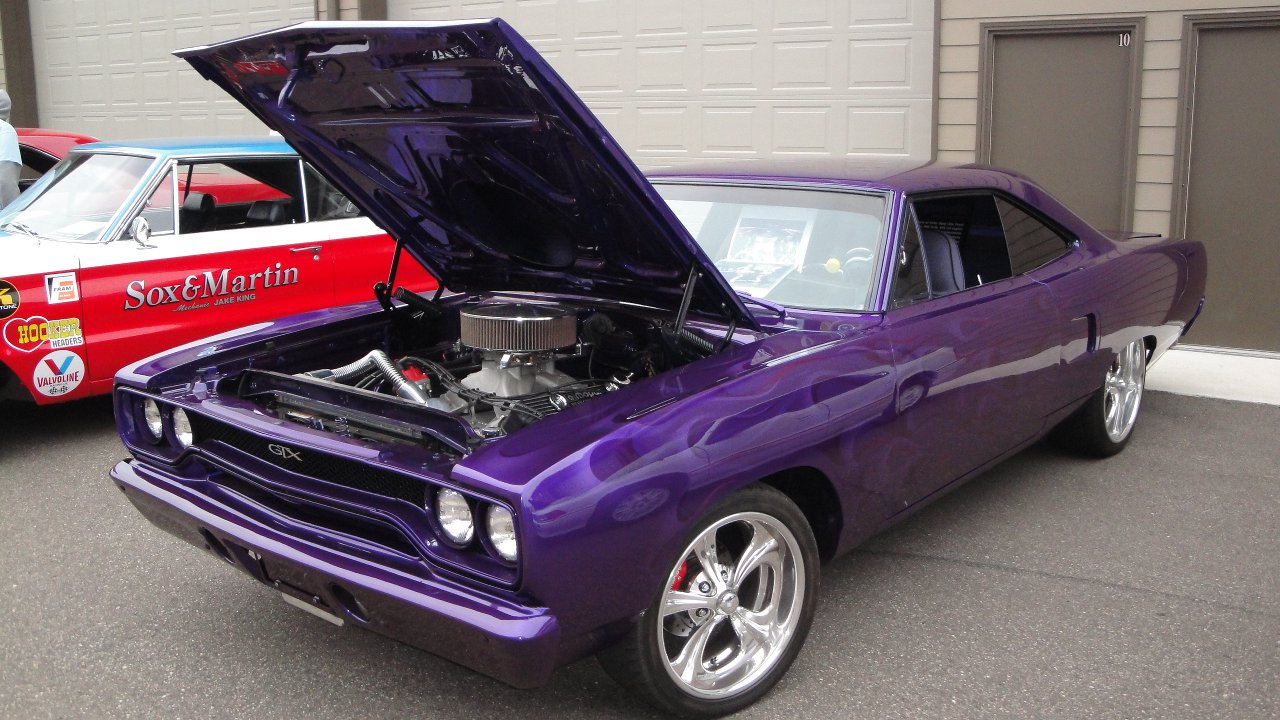
The Plymouth GTX arrived in the late 1960s as a high-spec, big-block bruiser aimed at buyers who wanted muscle car performance without giving up comfort or style. Among its most coveted configurations, the 440-powered versions stand out today as blue-chip collectibles, with values that have climbed sharply as enthusiasts chase well-documented examples.
I want to trace when Plymouth actually built the GTX with 440 power, how the model evolved across those years, and what the market now pays for the best survivors. From its debut as a Belvedere-based “gentlemen’s” hot rod to the peak of early 1970s performance, the story of the GTX 440 is written in production choices, engine options, and today’s valuation data.
How the Plymouth GTX arrived and why the 440 mattered
Plymouth introduced The GTX in 1967 as a deliberate move upmarket from its more basic intermediates, positioning it as a refined but serious performance car. The GTX was based on the Belvedere, and it carried distinct visual cues such as a blacked out grille, a special rear fascia, and unique trim that separated it from the workaday versions of the same body. That first model year set the template: a relatively restrained exterior wrapped around heavy-duty hardware, including upgraded suspension and driveline components that were standard rather than optional.
From the outset in 1967, Plymouth limited The GTX to big-block power, and the 440-cubic-inch V8 quickly became the heart of the car’s identity. Contemporary coverage describes the GTX as arriving in 1967 with only two engine choices, with the more affordable option being a 440 that delivered serious straight-line performance while still fitting the car’s upscale positioning. Later enthusiast reporting has echoed that emphasis on displacement, noting that a 1969 example was “born with a 440-cubic-inch big-block V8,” a phrase that captures how closely the model’s reputation is tied to that engine size. When owners and restorers talk about a GTX today, they are usually talking about a 440 car first and everything else second.
The first wave: 1967–1969 GTX 440s
The earliest GTX 440s, built starting in 1967, are often treated by collectors as the purest expression of the concept. A community breakdown shared earlier this year described 1967 as the first year of the GTX and even referred to it as “The Original Muscle Car,” a label that reflects how enthusiasts see that debut model’s mix of power and relative rarity. The car’s Belvedere roots, combined with its standard big-block and upgraded suspension, gave it a dual personality that still appeals to buyers who want both comfort and performance in a period-correct package.
Market data backs up that perception of desirability. Valuation tools indicate that, Typically, you can expect to pay around $77,250 for a 1967 Plymouth GTX in good condition with average spec, a figure that puts the first-year cars firmly into serious collector territory. Later commentary on specific examples, such as a 1969 GTX described as a “gentlemen’s muscle car” and celebrated for its original 440 and four-speed Track Pak combination, shows how the late 1960s models have become reference points for the entire line. When a car community page asks which year of the GTX speaks to you and highlights 1967 as The Original Muscle Car, it is really underscoring how those early 440-powered cars set the tone for everything that followed.
Peak performance: the 1970 GTX 440 and 440+6
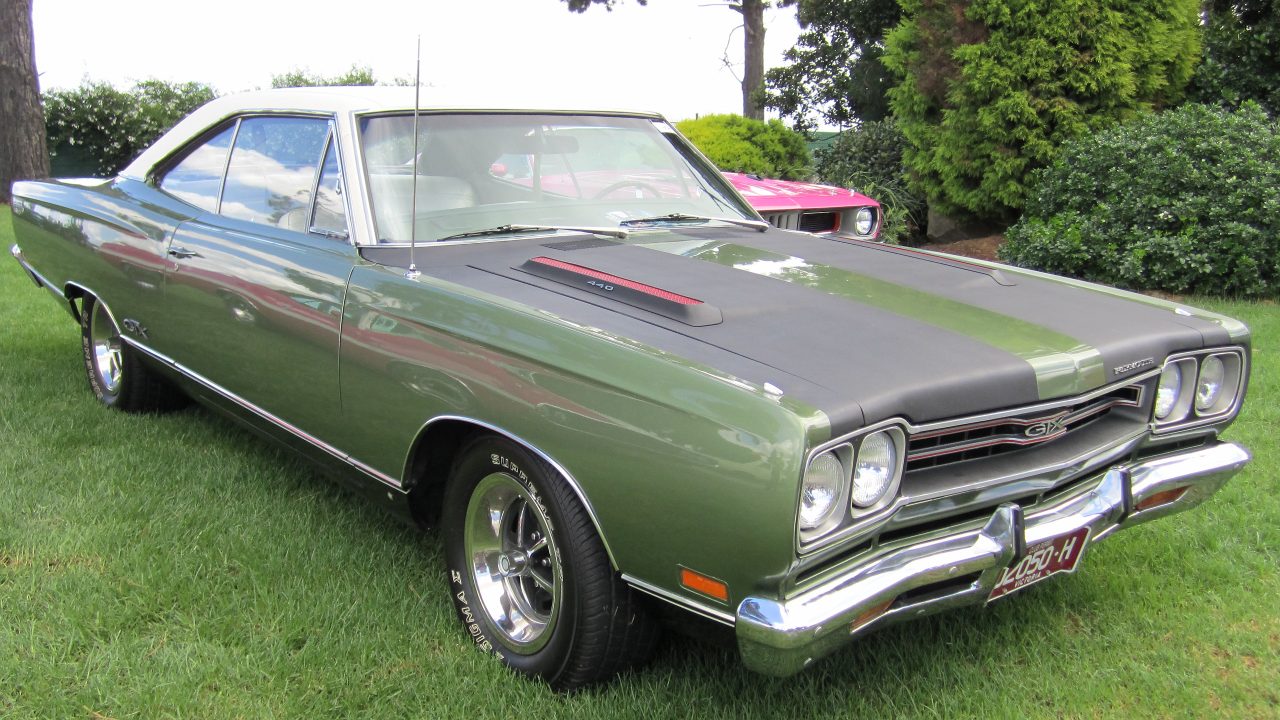
By 1970, Plymouth had refined the GTX formula into one of the most potent muscle cars in its lineup, and the 440 sat at the center of that effort. Enthusiast descriptions of the 1970 Plymouth 440+6 GTX emphasize that GTX was Plymouth’s premium muscle car for 1970, with the 440 engine available in multiple states of tune. One documented example is described as a Factory fitted “V-Code” 440 six-barrel engine, a configuration that used three two-barrel carburetors to push the big-block’s output well beyond the already strong single four-barrel version. That kind of specification, combined with the car’s upscale trim and options, has made 1970 GTX 440s some of the most sought-after in the series.
Valuation data reflects that status, even for cars that are not the rarest six-barrel versions. For a 1970 Plymouth GTX, Typically, you can expect to pay around $61,700 in good condition with average spec, a number that sits slightly below the earliest 1967 cars but still signals strong demand. Enthusiast commentary on later builds notes that “The 1970 Plymouth GTX is” a benchmark for many fans, and when owners discuss modifications to 1969 and 1970 cars that were born with a 440-cubic-inch engine, they are often weighing those changes against the value of preserving original 440 hardware. The presence of the 440, especially in V-Code 440+6 form, is what turns a nicely styled Plymouth into a top-tier collectible.
The final year: 1971 GTX 440 values today
The 1971 model year marked a turning point for many American muscle cars, and the Plymouth GTX was no exception. Styling shifted to a new body, and the broader industry was beginning to feel the pressure of insurance costs and looming emissions rules, yet the 440 remained central to the GTX’s appeal. Enthusiast discussions of 1971 cars still focus on the big-block options, and the GTX name continued to signal a premium, fully loaded performance package rather than a stripped-down drag racer. Even as the market changed, Plymouth kept the GTX aligned with buyers who wanted both comfort and serious power.
That combination has made the final-year cars surprisingly valuable in the current market. For a 1971 Plymouth GTX, Typically, you can expect to pay around $99,733 in good condition with average spec, a figure that actually exceeds the guidance for both 1967 and 1970 examples. That pricing suggests that collectors are not only chasing the earliest or most radical 440+6 cars but are also placing a premium on the last of the line. When valuation tools show a 1971 Plymouth GTX commanding nearly six figures, it underlines how the 440-powered GTX remained desirable even as the original muscle era was winding down.
What a GTX 440 is worth now, year by year
Looking across the key years, the market for GTX 440s today is stratified but consistently strong. For the first-year 1967 Plymouth GTX, the guidance that Typically, you can expect to pay around $77,250 in good condition with average spec reflects both historical significance and the appeal of that early Belvedere-based design. Moving to 1970, the figure of $61,700 for a 1970 Plymouth GTX in similar condition shows that even a “standard” 440 car from the peak performance year commands a substantial premium, with documented 440+6 V-Code examples trading higher still. At the top of the published range, the 1971 Plymouth GTX, with a typical value of $99,733 in good condition, illustrates how final-year scarcity and continued 440 power can outweigh nostalgia for the earlier body styles.
Individual cars can, of course, move far beyond those baselines. Valuation data for 1970 models notes that the highest selling Plymouth GTX in the last three years reached $170,500, a result that likely reflects a combination of rare options, strong documentation, and high-quality restoration. Enthusiast write-ups of specific 1969 and 1970 cars, including those that were born with a 440-cubic-inch engine and later modified, show how much weight buyers place on originality when they assess value. When a seller can point to a Factory fitted 440, whether in standard or 440+6 form, and back it up with Docume that confirm the car’s Code and equipment, the market tends to reward that authenticity.
For anyone considering a GTX 440 today, the pattern is clear. The nameplate’s roots in 1967 as a Belvedere-based, big-block “gentlemen’s” muscle car, its evolution into a premium 440 and 440+6 performer by 1970, and its final flourish in 1971 all feed directly into current prices. With typical values ranging from $61,700 to $99,733 for good-condition examples and standout cars reaching $170,500, the GTX 440 has moved firmly into the realm of serious collector machinery, where documentation, specification, and year all play decisive roles in what these cars are worth.