Dodge has spent decades selling itself as the loud, unapologetic muscle brand, yet some of its most interesting years were when it quietly tried to make speed livable. During those stretches, the company targeted buyers who wanted quarter-mile thrills without giving up a soft ride, a quiet cabin, or a usable back seat. The result was a series of performance cars that tried to square a circle: real power wrapped in comfort-first engineering.
How Dodge shifted from bare‑knuckle muscle to cushioned speed
The classic late 1960s and early 1970s muscle era made Dodge a hero to drag racers, but those cars were noisy, crude, and often exhausting on anything longer than a Sunday blast. As emissions rules, safety standards, and fuel crises arrived, Dodge faced a new kind of customer, one who still wanted to feel a V8 but also wanted air conditioning that worked and suspension tuning that did not punish every pothole. That tension set the stage for a long-running experiment in blending performance with comfort.
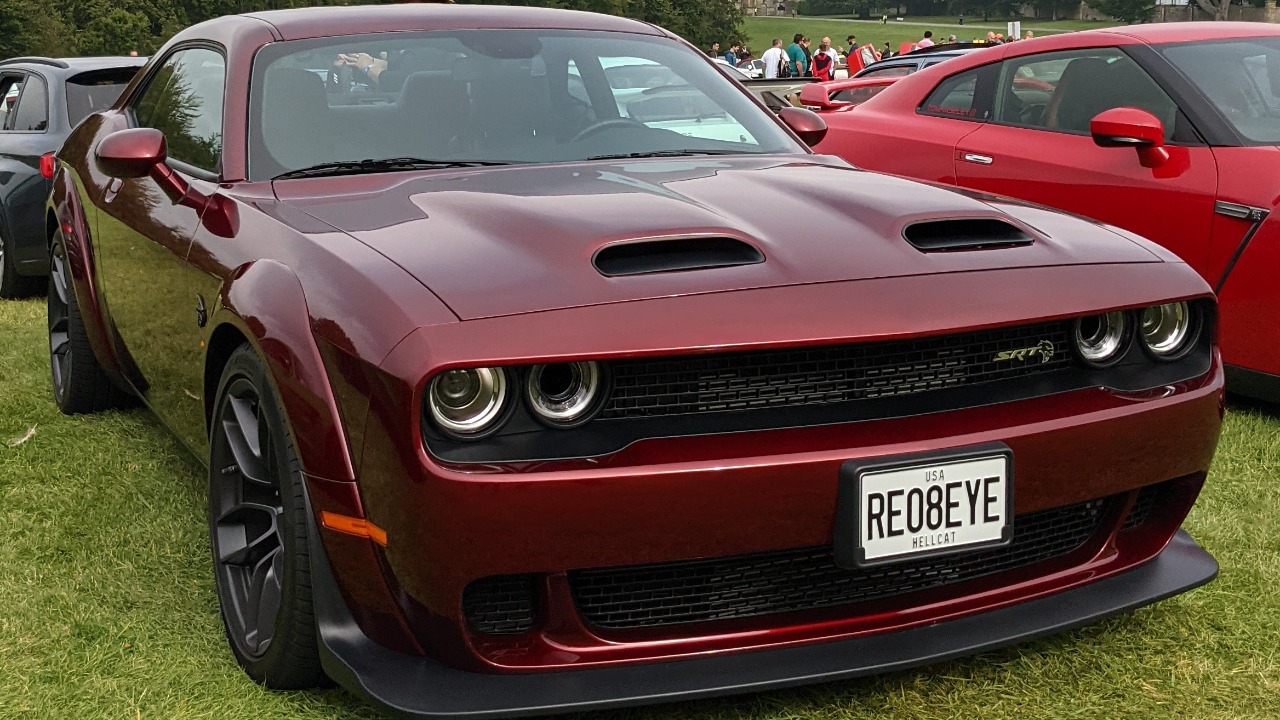
By the 1990s and early 2000s, that experiment started to crystallize in models that used big powertrains but rode on platforms shared with sedans. The later Charger and Challenger, for example, sat on architectures that allowed generous wheelbases, wide tracks, and space for sound insulation. Rather than building stripped-out coupes, Dodge leaned into the idea that a muscle car could also be a family car, with wide-opening rear doors, roomy trunks, and features like adaptive suspension and heated seats that would have been unthinkable in the brand’s earlier street machines.
Regulation pushed the company in that direction as well. When a high-output Dodge engine failed to pass federal noise standards, the episode highlighted how far modern compliance had moved from the straight-piped muscle era. Engineers had to rework exhaust plumbing, muffler design, and even engine calibration so that the powertrain could meet noise regulations without neutering performance. Development like that naturally favored a quieter, more refined car that happened to be quick, rather than a track refugee grudgingly adapted for the street.
Inside the cabin, the shift was just as pronounced. Where early muscle Dodges offered thinly padded benches and little else, later performance models brought touchscreen infotainment, advanced driver-assistance features, and multi-mode drive settings. Comfort and sport were no longer mutually exclusive choices at the dealership. Dodge instead tried to sell the idea that a single car could handle commuting, road trips, and the occasional burnout with equal ease, even if that meant extra weight and complexity.
Why comfort‑oriented performance Dodges resonate in the current market
Today’s car buyers are used to crossovers that do everything reasonably well, from highway cruising to hauling kids. Against that backdrop, a hardcore, stripped-out muscle car is a niche product. Dodge’s years of building fast cars with real daily usability now look less like a compromise and more like an early recognition that performance has to coexist with comfort if it is going to sell in volume.
Broader industry trends support that reading. Modern shoppers increasingly judge cars on quietness, seat comfort, and ride quality, not just horsepower figures. Independent testing has shown that even enthusiast-leaning models are evaluated on how they handle long-distance driving, cabin noise, and ease of use. When a mainstream sedan or SUV earns a spot among the top picks, it tends to balance responsive powertrains with low noise levels, supportive seats, and intuitive controls. Dodge’s comfort-focused performance years fit neatly into that logic, even if the sheetmetal and marketing were more aggressive than the average family hauler.
There is also a financial dimension. High-performance hardware is expensive to engineer and build. Spreading those costs across a broader audience of buyers who expect comfort features helps keep the business case viable. A supercharged V8 that lives only in a low-volume halo coupe is a harder sell than one that can also power a roomy sedan or SUV with a full roster of convenience options. By packaging performance in cars that families could realistically own and drive every day, Dodge made it easier to justify the investment in engines, transmissions, and chassis upgrades.
At the same time, the brand had to navigate the downside of turning muscle into a mass-market product. Modern buyers face a thicket of markups, dealer add-ons, and complex option structures whenever they shop for a new performance car. Reports on the worst parts of buying modern muscle highlight inflated prices, limited allocations, and confusing packages that can make the showroom experience frustrating. Dodge’s comfort-leaning performance cars did not escape that pattern, which sometimes undercut the appeal of an otherwise friendly daily driver with a big engine.
Yet for many owners, the tradeoff has been worth it. A Charger or Challenger that can run a quick quarter mile and then settle into a quiet highway cruise, with dual-zone climate control and modern safety tech, fits real-world life better than a vintage-style bruiser. These cars let enthusiasts keep a foot in both worlds: the nostalgia of big-displacement power and the practicality of a contemporary sedan or coupe.
How that era shapes Dodge’s next generation of fast, livable cars
The years when Dodge pursued comfort and performance together are now shaping how the brand approaches its next chapter. As electrification and tightening emissions rules reshape the performance segment, the expectation that a fast car should also be quiet, refined, and easy to live with has only grown stronger. Electric powertrains deliver instant torque but also near-silent operation, which aligns naturally with the comfort-first mindset that Dodge has already explored.
Future performance Dodges will likely lean even harder into configurable character. Instead of a single, loud personality, cars can offer multiple drive modes that dramatically change the experience. One mode may keep things calm, with softened suspension, hushed synthetic sound, and relaxed throttle mapping. Another may sharpen responses and introduce more aggressive audio cues to mimic the drama of a traditional muscle car. The groundwork for this split identity was laid when Dodge began tuning cars to be both road trip friendly and track capable, rather than choosing one or the other.
Interior design will follow the same path. As buyers grow accustomed to large screens, advanced connectivity, and semi-autonomous features, even a performance-branded car cannot afford to feel spartan. The company’s history of blending big engines with plush seating and generous feature lists suggests that upcoming models will continue to prioritize supportive seats, effective climate control, and noise isolation, even as they chase quicker acceleration figures.
There is also a cultural legacy at stake. Dodge built a reputation on being brash and unfiltered, but its more comfort-conscious performance years showed that the brand could broaden that identity without losing its core appeal. That flexibility matters as regulators push for quieter streets and cleaner tailpipes, and as buyers expect their cars to serve as mobile offices, family shuttles, and long-distance cruisers. A performance car that cannot handle those roles will struggle in a market where versatility is almost mandatory.
Looking ahead, the most interesting Dodges may not be the loudest or the most extreme. They may be the ones that use technology to deliver classic muscle sensations in a package that respects neighbors, passengers, and daily routines. The period when Dodge blended big power with real comfort provided a template for that balance. It showed that a car could be fast enough to satisfy enthusiasts yet civilized enough to earn a spot in the driveway of someone who cares just as much about ride quality and cabin quiet as about horsepower.
As the brand navigates the transition to new powertrains and stricter standards, that history of making performance cars livable will likely guide its choices. The buyers who once gravitated to cushioned, high-powered Chargers and Challengers have not disappeared. They have simply updated their expectations, asking for the same blend of speed and comfort in a world of batteries, software, and ever-tighter rules. Dodge’s challenge is to answer that demand without losing the attitude that made those earlier cars so compelling in the first place.
More from Fast Lane Only
- Unboxing the WWII Jeep in a Crate
- 15 rare Chevys collectors are quietly buying
- 10 underrated V8s still worth hunting down
- Police notice this before you even roll window down
*Research for this article included AI assistance, with all final content reviewed by human editors