The 1963 Chevrolet Corvette Split Window is one of the most instantly recognizable American sports cars ever built, thanks to its dramatic divided rear glass design. What started as a single-year styling experiment quickly turned into a collector icon, with enthusiasts and historians treating it as one of the most desirable early Corvettes ever produced by Chevrolet.
Chevrolet took a bold design risk with the Split Window Corvette
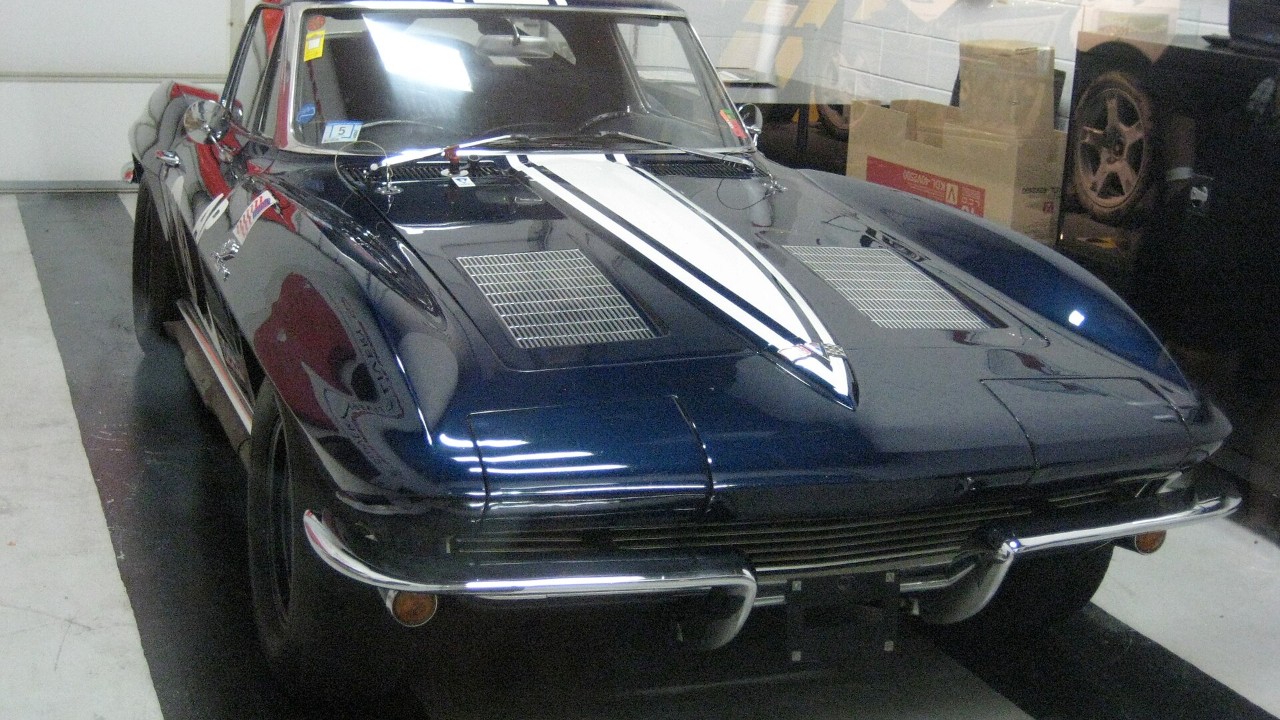
When Chevrolet introduced the 1963 model year, the brand wanted the Chevrolet Corvette to feel more modern, aggressive, and European-inspired. The result was the second-generation C2 Corvette, which brought sharper body lines, hidden headlights, and most famously, a vertical center bar dividing the rear glass on coupe models.
The Chevrolet Corvette Split Window was designed by Bill Mitchell’s styling team, and the split rear window was originally intended to emphasize the car’s symmetrical, aircraft-like design. While visually striking, it created a significant rear visibility limitation that quickly became controversial among buyers and dealers, even though it gave the car its unmistakable identity on the road.
The Split Window design lasted only one model year
The biggest reason the Chevrolet Corvette Split Window became rare is simple: it was only produced for a single year. For 1964, Chevrolet removed the center divider and replaced it with a full-width rear window to improve rearward visibility and address customer complaints. That one change instantly turned the 1963 coupe into a one-year-only design.
At the time, buyers did not fully realize they were purchasing a future collector legend. Many early owners saw the split rear glass as stylish but impractical, especially for parking and lane changes. Over time, however, that short production window transformed the design into a defining feature of early Corvette history, making surviving examples highly sought after today.
Performance helped the Split Window Corvette earn its reputation
Beyond styling, the Chevrolet Corvette delivered serious performance for its era. Buyers could choose from a range of small-block and big-block V8 engines, including fuel-injected options that pushed the Corvette closer to true sports car territory. This combination of performance and styling helped the C2 generation compete with European rivals in both image and capability.
The Split Window coupe was particularly desirable when paired with higher-output engines, as it combined advanced engineering with aggressive looks. While the design itself did not increase horsepower, it reinforced the Corvette’s identity as a serious driver’s car rather than just a styling exercise, strengthening its appeal among performance-focused buyers.
Rarity turned the 1963 Split Window into a blue-chip collector car
Because the Chevrolet Corvette Split Window existed for only one model year, production numbers were inherently limited compared to later Corvettes. This scarcity, combined with its controversial design and early production timing, created the perfect conditions for long-term collector demand.
Today, the Split Window Corvette is considered one of the most important American collector cars of the 1960s. Enthusiasts value it not only for its rarity but also for its role in shaping Corvette identity. What was once a debated design choice has become a defining symbol of Chevrolet’s willingness to take bold risks in pursuit of automotive distinction.
More from Fast Lane Only