Engine wear is not just about how far you drive, it is about how you drive those miles. The tension between quick errands and long highway runs is at the heart of how modern engines age, from oil contamination to battery strain. To understand whether short trips or long drives are tougher on your powertrain, I need to follow what happens inside the engine as it warms, cools and repeats that cycle over thousands of journeys.
Why cold starts and short hops punish engines
The core problem with short trips is that the engine rarely reaches its ideal operating temperature, so every component is working in a less forgiving state. When you start a cold engine, the oil is thick and sluggish, clearances between metal parts are tighter, and the fuel mixture is richer, which all increase friction and chemical stress before the system stabilizes. Technical guidance on short-trip use explains that frequent cold starts keep oil from flowing freely, leave moisture and combustion byproducts in the crankcase, and accelerate oxidation of the lubricant, which shortens oil life and increases the risk of sludge and deposits building up inside the engine.
On a quick drive to the store, the coolant gauge may barely move before you shut the car off again, which means the oil never gets hot enough to evaporate off fuel and water contamination. Analyses of short-trip operation note that this pattern leads to oil degradation and deposit formation far sooner than in engines that spend more time fully warmed. Enthusiast discussions of daily driving echo the same mechanism, pointing out that lots of short trips cause oil dilution because unburned fuel seeps past cold piston rings and never gets burned off. Over years, that combination of thick cold oil, rich mixtures and contamination means a car that only ever runs a few miles at a time can feel “old” at relatively low mileage.
What long highway runs do differently
Once an engine is fully warmed and cruising at steady speed, the mechanical environment changes in its favor. Highway driving keeps engine speed relatively constant, reduces the number of gear changes, and almost eliminates heavy brake use, so the drivetrain experiences fewer abrupt load changes. Drivers who log long-distance trips report that there is a lot less wear and tear with this kind of use, since the transmission shifts less, brake wear is lower, and engine rpm stays in a comfortable band for hours at a time, all of which reduces stress compared with constant stop and go.
From the engine’s perspective, a long run gives the oil time to reach and maintain its designed temperature, which improves lubrication and allows moisture and fuel contamination to evaporate out of the crankcase. Fleet data on diesel engines show that highway operations achieve more predictable maintenance intervals, while urban short-trip cycles suffer from faster oil degradation and fuel dilution because they do not stay hot long enough. Owners comparing usage patterns reach the same conclusion in practice, noting that you will get far more miles out of a vehicle that is mostly driven on long drives than from one that only ever covers a couple of miles at a time, even if the odometer readings match.
Inside the engine: temperature, oil and fuel dilution
To understand why short trips are so punishing, it helps to look at how temperature and lubrication interact inside the engine. Engineers design clearances, piston rings and bearings around a specific operating temperature, where metal parts have expanded to their intended size and the oil has thinned to the right viscosity. When a car is shut off before reaching that state, the oil pump has less time to circulate lubricant into every gallery, and the thicker cold oil struggles to form a stable film between moving parts, which increases wear on startup. Technical explanations of short-trip damage emphasize that the engine needs time at full temperature to ensure precise operation and to let the oil pump deliver the flow and pressure it was designed to provide.
Combustion chemistry adds another layer of risk. Cold engines run richer fuel mixtures, and some of that unburned fuel can wash past the piston rings into the crankcase, where it mixes with the oil. Over many short cycles, this fuel dilution thins the lubricant, reduces its protective film strength and makes it more prone to oxidation and sludge. Mechanics who see a lot of city-driven cars describe this pattern as a key reason why oil in short-trip vehicles darkens and breaks down faster, and why unburned fuel in the sump is a recurring concern. Guidance on used car evaluation reinforces the same physics from the other side, advising buyers that gradually warming up the engine before pushing performance limits reduces wear and helps extend the engine’s lifespan.
Short trips, stop and go, and modern emissions systems
Short urban drives rarely happen on empty roads, so they combine cold operation with constant stop and go, which compounds the stress on oil and emissions hardware. In heavy traffic, the engine spends a lot of time idling or creeping at low speed, which means the oil is circulating but not getting the cooling airflow and steady load it would see on the highway. Service guidance on city driving notes that this pattern wears down your car’s oil faster, because the engine runs for long periods without the efficient combustion and stable temperatures that help keep contaminants in check, so oil change intervals that look conservative on paper can be marginal in dense traffic.
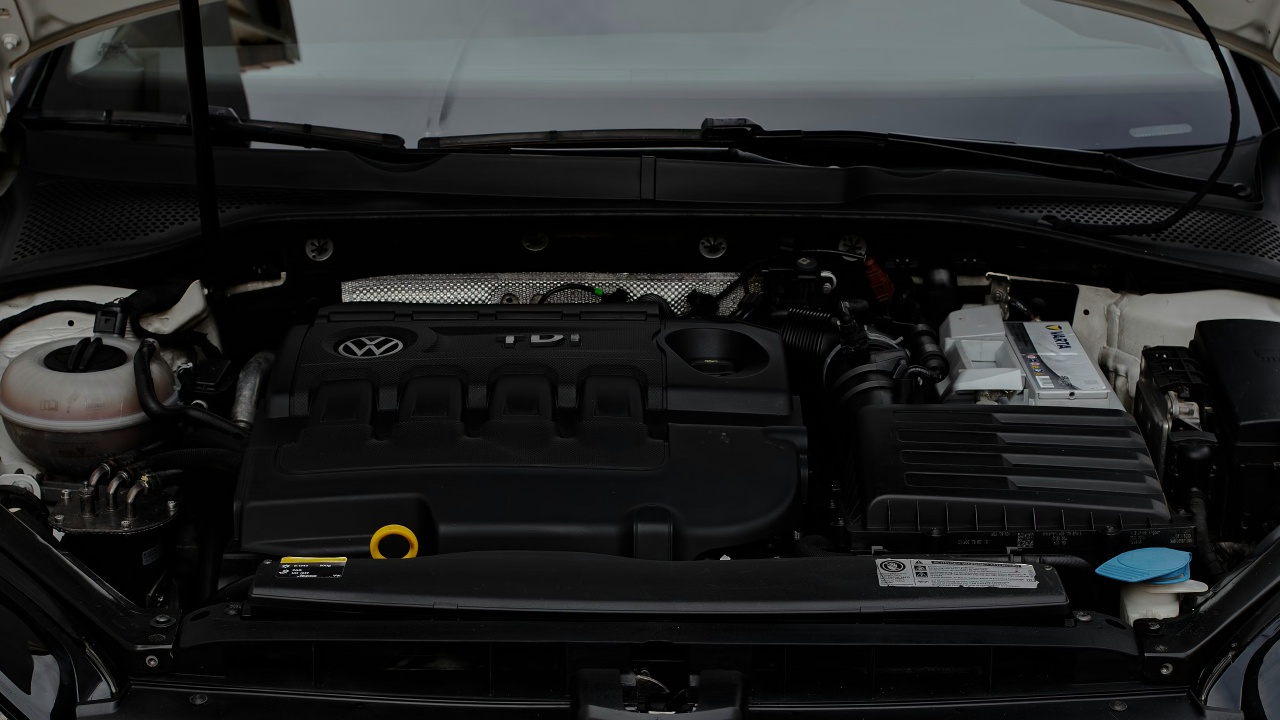
Modern emissions systems add another vulnerability, especially on diesel vehicles. A diesel particulate filter, often referred to as a DPF, is designed to trap soot and then periodically burn it off in a high temperature regeneration cycle. That process depends on sustained exhaust heat, which is far easier to achieve on a long haul than on a string of short errands. Technical advice on DPF care explains that short trips and low speed use prevent the filter from reaching the temperatures it needs, so soot accumulates, backpressure rises and the engine’s performance and reliability suffer. By contrast, long highway runs are described as ideal for keeping Your Diesel Particulate Filter clear and the engine performing at its best, which again tilts the balance in favor of extended drives over constant short hops.
Real-world wear: batteries, oil life and how to drive smarter
Engine wear is only part of the story, because short trips also strain supporting systems that keep the car reliable. Every cold start draws a large burst of current from the battery, and it takes several minutes of driving for the alternator to recharge that energy. If the car is shut off again before that happens, the battery never fully recovers. Technical explainers on short-trip damage point out that this pattern can dramatically shorten the battery’s life, especially in vehicles that also run power-hungry accessories. Guidance on how short distances affect a car notes that frequent quick drives can prevent the alternator from recharging the battery after starting the engine, which is why city-only cars often need new batteries sooner than highway commuters.
Oil life and maintenance schedules also need to be adjusted to match driving patterns rather than just mileage. Service bulletins on short-trip use recommend more frequent oil changes for vehicles that mostly see local errands, because the combination of cold starts, fuel dilution and moisture contamination overwhelms the additive package in the oil faster than the odometer suggests. Analyses of short-trip impact on engine oil describe how frequent cold starts, limited warm up and stop and go traffic all accelerate oxidation and sludge, which means a car that only covers a few thousand miles a year in city use can still need time-based oil changes to stay healthy. For drivers who cannot avoid short trips, the most effective mitigation is to combine errands into longer loops, allow the engine to reach full temperature regularly, and follow the “severe service” maintenance schedule in the owner’s manual rather than the more optimistic standard interval.
More from Fast Lane Only: