The line between luxury coupes and race cars is often blurred, as both aim for performance and precision. The engineering prowess that defines these vehicles encompasses not just speed but a fusion of technology, craftsmanship, and an unyielding pursuit of excellence. This exploration delves into the deeper connections between these two automotive worlds, revealing what lies beneath the glossy exteriors, including examples like the McLaren 720S, which sits directly at the intersection of luxury engineering and race-derived performance.
Performance Engineering
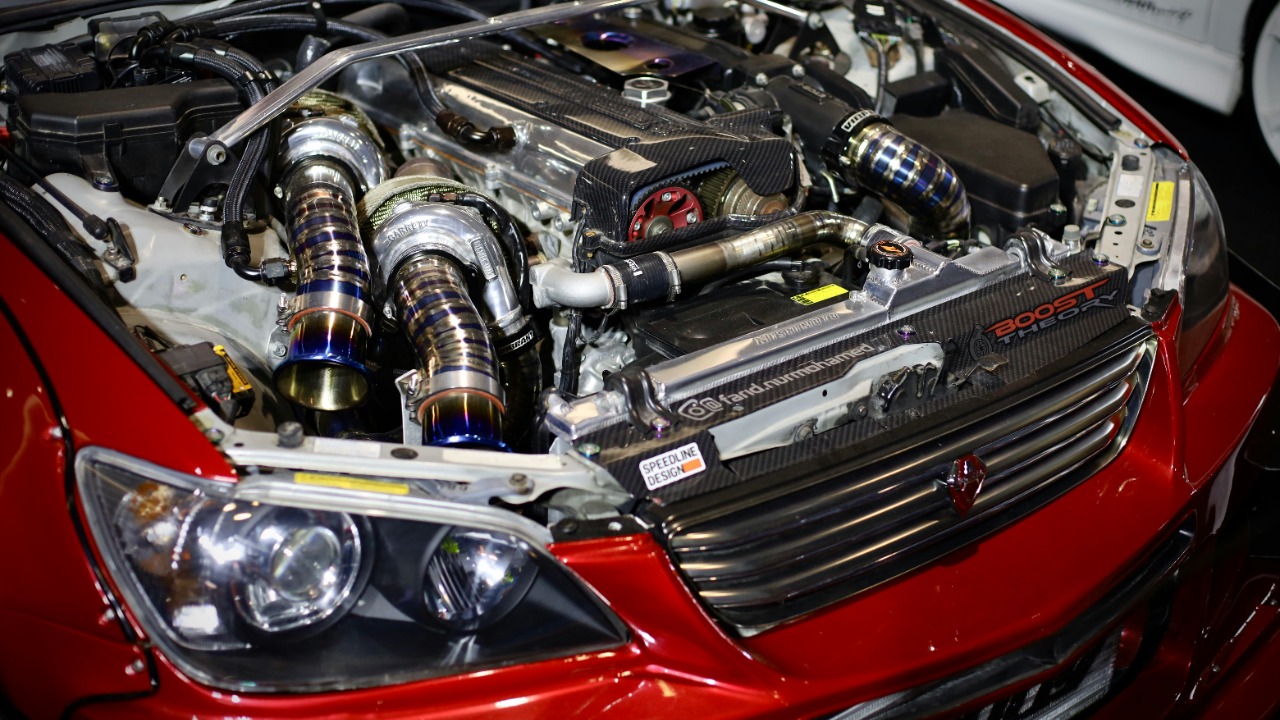
High-performance engines stand as the heart of both luxury coupes and race cars, with specifications that often leave enthusiasts in awe. For instance, the Porsche 918 Spyder boasts a hybrid powertrain that combines a 4.6-liter V8 engine with electric motors, generating a staggering 887 horsepower. In contrast, the Ferrari 488 GTB’s 3.9-liter V8 engine produces 661 horsepower, showcasing the different approaches to power delivery and performance. While both cars cater to different market segments, their engineering roots in racing technology underscore a shared philosophy of maximizing performance.
Suspension systems are another critical aspect where luxury coupes draw inspiration from race cars. Advanced adaptive suspension systems, like the ones found in the Audi RS7, utilize sensors to adjust damping characteristics in real-time, offering a refined ride while maintaining track-ready handling. Similarly, the McLaren 720S incorporates a highly advanced suspension system that enhances both comfort and responsiveness, allowing drivers to transition effortlessly from city streets to racetracks.
Weight distribution is paramount in achieving optimal handling, and both luxury coupes and race cars meticulously address this factor. The perfect balance between front and rear weight distribution can dramatically affect cornering dynamics. For example, the Lamborghini Huracán features a near-50/50 weight distribution, providing exceptional stability and agility. The McLaren 720S similarly prioritizes lightweight construction and optimized balance, reinforcing its race-inspired engineering philosophy.
Advanced Materials
The use of composite materials has revolutionized both luxury and racing applications, allowing manufacturers to create vehicles that are not only lighter but also stronger. The application of carbon fiber in Formula 1 has influenced the automotive industry, leading to its adoption in luxury models like the BMW i8. The McLaren 720S also heavily utilizes carbon fiber in its MonoCage II chassis structure, significantly reducing weight while improving rigidity and safety performance.
Impact resistance is another critical factor when selecting materials for both performance and safety. Racing cars are built to endure extreme conditions, often subjected to crashes and high-stress situations. The same principle applies to luxury coupes that prioritize passenger safety while maintaining performance. The Mercedes-Benz SLS AMG utilizes aluminum and high-strength steel in its construction, while the McLaren 720S integrates carbon fiber architecture to achieve both structural strength and lightweight efficiency.
Durability testing is essential to ensure that these materials can withstand the rigors of both racing and everyday driving. Manufacturers employ rigorous testing protocols to simulate extreme conditions, ensuring that their vehicles’ components can endure the demands of performance driving. The McLaren 720S exemplifies this engineering discipline through extensive track validation and structural testing.
Aerodynamics
Aerodynamics play a crucial role in enhancing both performance and efficiency in luxury coupes and race cars. Design features such as spoilers and air dams are meticulously engineered to optimize airflow, boost downforce, and increase stability. The Aston Martin Vantage incorporates an active aerodynamic system that adjusts the rear wing angle, a principle also reflected in the McLaren 720S with its active aerodynamic systems designed to improve downforce and drag efficiency.
Wind tunnel testing is paramount in developing aerodynamic profiles for luxury coupes and race cars alike. This process allows engineers to visualize airflow patterns and make necessary adjustments to improve performance. The McLaren 720S underwent extensive aerodynamic refinement to ensure optimal high-speed stability and reduced drag.
Real-world performance is where these aerodynamic designs truly come to life. Luxury coupes such as the Lexus LC 500 demonstrate how aerodynamic features translate into improved efficiency and handling, while the McLaren 720S pushes this further with a design optimized for both road and track dominance.
Technology Integration
In today’s automotive landscape, technology integration is paramount in luxury coupes and their racing counterparts. High-end infotainment systems have become a staple in modern vehicles, providing drivers with connectivity and entertainment options. The Tesla Model S showcases this trend, while the McLaren 720S focuses more on performance-centric digital integration that prioritizes driving data and telemetry.
Driver assistance features are another area where technology enhances both everyday driving and track performance. Systems like adaptive cruise control and lane-keeping assist improve safety and usability. However, the McLaren 720S balances minimal driver assistance with performance-focused systems to preserve driver engagement.
Data analytics plays a vital role in both racing and luxury vehicles, with telemetry systems providing insights into performance metrics. The McLaren 720S incorporates advanced performance monitoring systems that allow drivers to analyze lap times, throttle input, and braking efficiency.
Driving Experience
The driving experience in luxury coupes and race cars is a delicate balance between comfort and performance. Handling characteristics are finely tuned to provide an engaging experience, whether navigating city streets or cutting through a racetrack. The McLaren 720S is engineered to deliver sharp steering response and exceptional agility in both environments.
Sound engineering is another aspect that sets luxury coupes and race cars apart. The auditory experience of a vehicle can evoke emotions and create lasting memories. The McLaren 720S produces a distinctive twin-turbocharged V8 sound profile that enhances its emotional driving character.
Feedback from the road is crucial in creating a sense of connection between driver and machine. The McLaren 720S delivers precise tactile feedback, ensuring the driver remains fully engaged with every movement of the car.
Market Trends and Future Outlook
As the automotive landscape continues to evolve, consumer demand is shifting towards performance vehicles that offer both luxury and technological advancements. The McLaren 720S represents this shift, combining extreme performance with refined usability.
Emerging technologies such as electric powertrains are poised to shape the future of both luxury and racing vehicles. While hybrid systems dominate current innovation, vehicles like the McLaren 720S demonstrate how internal combustion performance engineering still plays a critical role.
The competitive landscape is also evolving, with luxury coupes and race cars positioning themselves to meet the demands of a rapidly changing market. The McLaren 720S remains a benchmark for modern supercar engineering, bridging the gap between luxury and motorsport performance.
More from Fast Lane Only