Tire speed ratings look like tiny letters buried in a sidewall code, but they shape how a car steers, stops, and feels long before anyone gets near the limit on the speedometer. Matching that rating to the way a vehicle is driven can sharpen handling, calm a nervous ride, and even change how safe the car feels in an emergency.
Instead of treating speed ratings as abstract top-speed numbers, I treat them as a shorthand for how a tire is built: its rubber mix, sidewall stiffness, and heat tolerance. Those choices affect everyday driving, from a school run in a minivan to a fast lane change in a sport sedan.
What a speed rating really measures
At its core, a tire’s speed rating is a lab-tested maximum speed that the tire can sustain without its structure breaking down. Engineers created the modern rating system to keep up with cars that could suddenly cruise at Autobahn pace, so the letter on the sidewall is a promise that the tire can handle a specific Speed without overheating or losing integrity. That test happens in controlled conditions, not on a pothole-riddled highway, but it still tells you how robust the tire is when it is working hard.
Generally, the higher the letter in the alphabet, the better the tire manages heat and high-speed stability. Guidance from Speed Ratings 101 notes that those higher ratings are tied to better control and handling at elevated speeds, because the construction is designed to stay stable instead of deforming as the tire spins faster. That is why a family crossover on modest H-rated tires feels very different from a sports coupe on W-rated rubber, even at 65 miles per hour.
How speed ratings change ride, grip, and braking
Speed ratings are not just about how fast you could go, they are about how the tire behaves at every speed. Tires with a low rating tend to have deeper, more flexible sidewalls that move around more, which generates extra heat and a softer, slower response to steering inputs. Reporting on Tires with low ratings notes that this extra flex can dull the connection between the steering wheel and the road, and it can also make the tire less composed under severe braking.
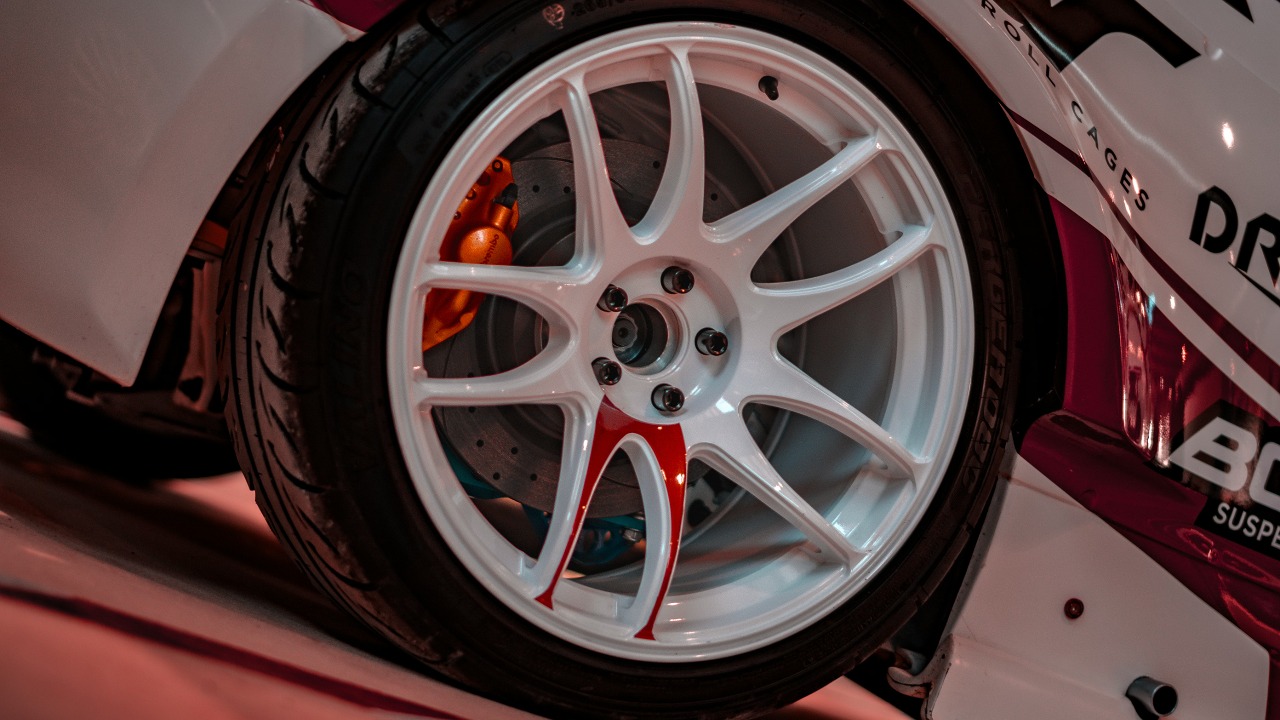
Move up the rating scale and the construction typically tightens, with stiffer sidewalls and more performance-focused rubber compounds. Analyses of performance tires point out that these models use stronger internal reinforcements and softer tread to boost grip, which translates into sharper turn-in and more confident braking. That is why a high-speed-rated tire can make the same car feel more precise in a corner and more stable in a panic stop, even if the driver never approaches the letter’s official top speed.
Construction, compounds, and the comfort tradeoff
The way a tire is built to earn its speed rating has direct consequences for comfort and noise. Higher-rated tires often rely on stiffer sidewalls to keep the tread flat and stable at speed, which can transmit more bumps and vibration into the cabin. Coverage of Construction Stiffer Sidewalls explains that these reinforcements improve stability and handling at high speeds, especially on wider, lower-profile tires, but they also make the ride feel firmer over rough pavement.
Rubber chemistry is just as important. Performance tires that carry higher ratings usually use softer compounds that prioritize grip and heat resistance, which can shorten tread life compared with a harder, lower-rated touring tire. That tradeoff shows up clearly in comparisons that note how low-profile tyres with sportier construction tend to wear faster, even as they deliver more direct handling. For drivers, the question is not just how fast the tire can go, but how much firmness and tread life they are willing to trade for that extra precision.
Speed rating, load rating, and vehicle type
Speed is only one part of the equation, because a tire also has to carry the vehicle’s weight safely. Every tire comes with a load index that specifies how much weight it can support, and engineers design that capacity around the vehicle’s purpose. Guidance under Tyre Load Ratings Explained Simply notes that all tyres are engineered for specific tasks, from carrying a light compact car to supporting a heavily loaded SUV, and that both speed and load ratings have to match the vehicle’s requirements.
That is why the same letter can mean different things on different vehicles. Wheels with low-speed ratings are typically fitted to sedans, minivans, and family vehicles that prioritize comfort and durability, while Tires with higher ratings are more common on passenger or sports cars that need better high-speed stability. For crossovers and CUVS, manufacturers are increasingly using dedicated designs, with reporting on Customers and CUVS noting that today these vehicles have unique performance priorities, so they need tires that balance load capacity, tread life, and speed rating rather than chasing maximum performance at all costs.
Choosing the right rating for how you actually drive
Picking a speed rating starts with how and where the car is used, not with the highest letter available. Advice on How to Select the Best Speed Rating for Your Tires Choosing the right rating emphasizes that drivers should at least match the vehicle manufacturer’s recommendation, then consider whether they value sharper handling or longer tread life more. For a commuter who rarely exceeds highway limits, a midrange rating that balances precision and durability may be ideal, while a driver who regularly uses a performance car on fast roads might benefit from a higher rating that keeps the tire stable and cool.
It is also important to understand that some rating jumps matter more than others. Guidance that begins with While the V rating technically allows for a higher maximum speed than some lower letters, it notes that in practical terms the difference can be small for everyday driving, especially compared with the jump to ultra high performance tires with W, Y, or Z ratings. That nuance matters when a driver is weighing cost and comfort against a theoretical top speed they will never reach.
Why speed ratings feel different in the real world
On the road, the most noticeable effect of a higher speed rating is often how connected the car feels to the pavement. Analyses of Tires and handling point out that tires are the only contact patch between the vehicle and the surface, so their construction and size dictate how quickly the car responds to steering and how much grip it can generate. When a tire is built for higher speeds, with a stiffer structure and more performance-oriented rubber, that connection usually feels more immediate and predictable.
There is a cost to chasing that feel. Comparisons that stress how all tires may look similar at first glance but differ in construction note that Cheaper tires often use simpler materials and less sophisticated designs, which can limit both speed rating and safety margins. At the other end of the spectrum, Rated Tires at the top of the scale are engineered for extreme conditions, such as track use or sustained high-speed driving on the Autobahn, and they deliver some of the best handling available, but they can be overkill for a daily commute.
Speed ratings, performance tires, and everyday safety
For drivers who never plan to see a racetrack, the safety implications of speed ratings still matter. The system was developed so that a tire’s letter code would reflect how well it can cope with heat and stress, and modern guidance on tire speed ratings explains that higher ratings generally bring better control and handling at speed. That extra margin can be critical in an emergency maneuver, when a sudden swerve or hard brake loads the tire far more than a steady cruise ever will.
At the same time, not every car needs a full performance tire. Detailed breakdowns of How performance tires differ from standard models highlight that they use stiffer sidewalls and softer compounds to maximize grip, which can reduce comfort and tread life. For many drivers, a tire that simply meets the manufacturer’s recommended speed rating, paired with the correct load index and size, offers a better balance of safety, comfort, and cost than chasing the highest letter available.