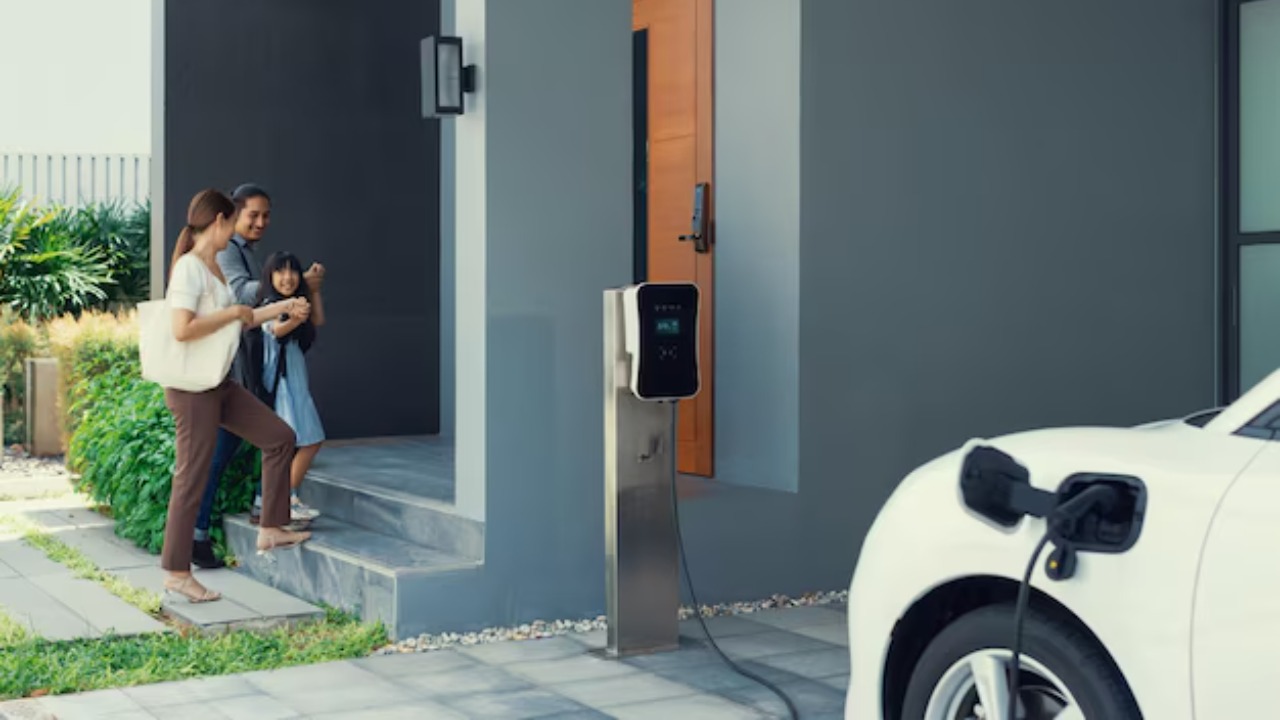
Toyota is moving to remove one of the biggest friction points in electric vehicle ownership by bundling simpler home charger installations with its expanding battery electric and plug-in hybrid lineup. As EV sales climb and more households consider a driveway charger essential rather than optional, the company is betting that a tightly managed installation experience will matter as much as advertised driving range or fast-charging speeds.
Through a new partnership with a specialist installer, Toyota and Lexus buyers are being offered a more predictable, guided path from dealership to working Level 2 charger on the garage wall. The strategy suggests that home charging is shifting from a do-it-yourself afterthought to a core part of the product, priced and marketed alongside the vehicle itself.
The Treehouse partnership and what it covers
Toyota Motor North America has turned to Treehouse to act as a dedicated home charging concierge for its electric customers in the United States. Rather than leaving buyers to hunt for local electricians, the automaker is directing owners of its battery electric vehicles and PHEV models to a single online portal where Treehouse coordinates site assessment, permitting and installation. The collaboration is presented as a way to simplify customers’ home EV charger installation and to wrap a historically messy process into a standardized package.
The arrangement is national in scope, with Toyota Motor North America describing the link between its operations in PLANO, Texas and SAN FRANCISCO and the Treehouse network of licensed contractors as a way to reach buyers across key EV markets. The service is designed around Level 2 equipment with a maximum output of 7.7 kW, which is sufficient for overnight charging for most daily driving patterns and aligns with the capabilities of many current Toyota and Lexus plug-in models, according to the company. By integrating Treehouse into the sales journey, the automaker is effectively treating the charger as an extension of the vehicle rather than an aftermarket accessory.
How the bundled installation process works
The process begins online, where new Toyota and Lexus owners are directed to dedicated Treehouse landing pages tailored to each brand. On these pages, such as the portal at Treehouse created for Toyota customers, buyers answer a short questionnaire about their home electrical panel, parking setup and whether they rent or own. Treehouse then uses that information to generate an upfront installation estimate that includes labor, materials and any panel upgrades, removing much of the uncertainty that typically surrounds EV charger projects.
After the customer approves the quote, Treehouse arranges a single visit for hardware installation and final commissioning, which Toyota and Lexus describe as a one visit approach intended to reduce disruption. The company emphasizes that its installers handle permitting and inspections where required, and that the same experience is available through a similar portal for Lexus owners at lexus. For buyers who have never hired an electrician or navigated local code requirements, the promise of a guided path from online form to working charger is a significant part of the appeal.
Hardware choices, from ChargePoint to higher-output options
Toyota is pairing the Treehouse service with specific hardware that has already been vetted for compatibility with its vehicles. A central option is the ChargePoint Home Flex Level 2 unit, which is offered as a hardwired solution through Treehouse and can reduce charging time by up to several hours compared with a standard 120 volt outlet. The company highlights this Home Flex Level configuration as a way to deliver consistent performance and to avoid the variability that can come with lower quality devices. Details of this pairing are outlined in Toyota’s announcement of the new program, which also directs customers to the relevant Treehouse portals.
Alongside the ChargePoint option, some buyers may look to higher-output or more specialized chargers that are marketed through EV-focused retailers. Sites such as shop.evchargingstations.com showcase a wide range of Level 2 products, including models designed for outdoor installation, integrated cable management or smart home connectivity. Performance-oriented owners might also consider higher-output hardware designed for faster charging and more demanding use cases. While Toyota’s Treehouse program centers on specific recommended units, the broader charger ecosystem provides alternatives for customers with unique needs or future multi-EV households.
Speed promises, warranties and the 48-hour pitch
Along with simplicity, Toyota and Lexus are leaning on speed to make the offer more compelling. Coverage of the program highlights a goal of addressing what one report described as the home charger install headache in 48 hours, a reference to the ambition that many customers could move from initial contact to scheduled work within that time frame. The framing in related coverage reflects how central the quick turnaround message has become to the marketing of the partnership, particularly for buyers who may be picking up an EV on short notice.
Durability and after-sales support are also built into the offer. Reporting on the arrangement notes that Treehouse provides a two year warranty on installation work, while ChargePoint backs the Home Flex hardware with a three year warranty, creating a layered protection package that extends beyond the vehicle itself. Toyota’s materials describe the aim of simplifying customers’ experience around home charging, while third-party coverage underscores the focus on clear pricing and defined responsibilities if issues arise.
Why Toyota is tying home charging to rising EV sales
The decision to formalize a home charging pathway comes as Toyota expands its battery electric and plug-in hybrid lineup and responds to growing expectations among buyers that a home charger will be part of the purchase conversation. Coverage summarizing the initiative notes that Toyota Motor North America is positioning the program as a way to support both new BEVs and current PHEV models. That aligns with broader commentary highlighting that the service covers all new Toyota and Lexus plug-in vehicles and is intended to make the shift to home charging feel less daunting.
The company is also managing the optics of its EV strategy, which has sometimes been criticized as cautious compared with rivals that moved earlier into all electric lineups. By emphasizing practical steps such as standardized home charger installation and clear hardware recommendations, Toyota is signaling that it understands the daily realities of electric ownership, not just the headline specifications of new models. The corporate framing underscores that this is not a side project but a formal element of Toyota Motor North America’s strategy. Visual assets and supporting materials reinforce that message by presenting home charging as part of the broader Toyota and Lexus customer experience.
More from Fast Lane Only