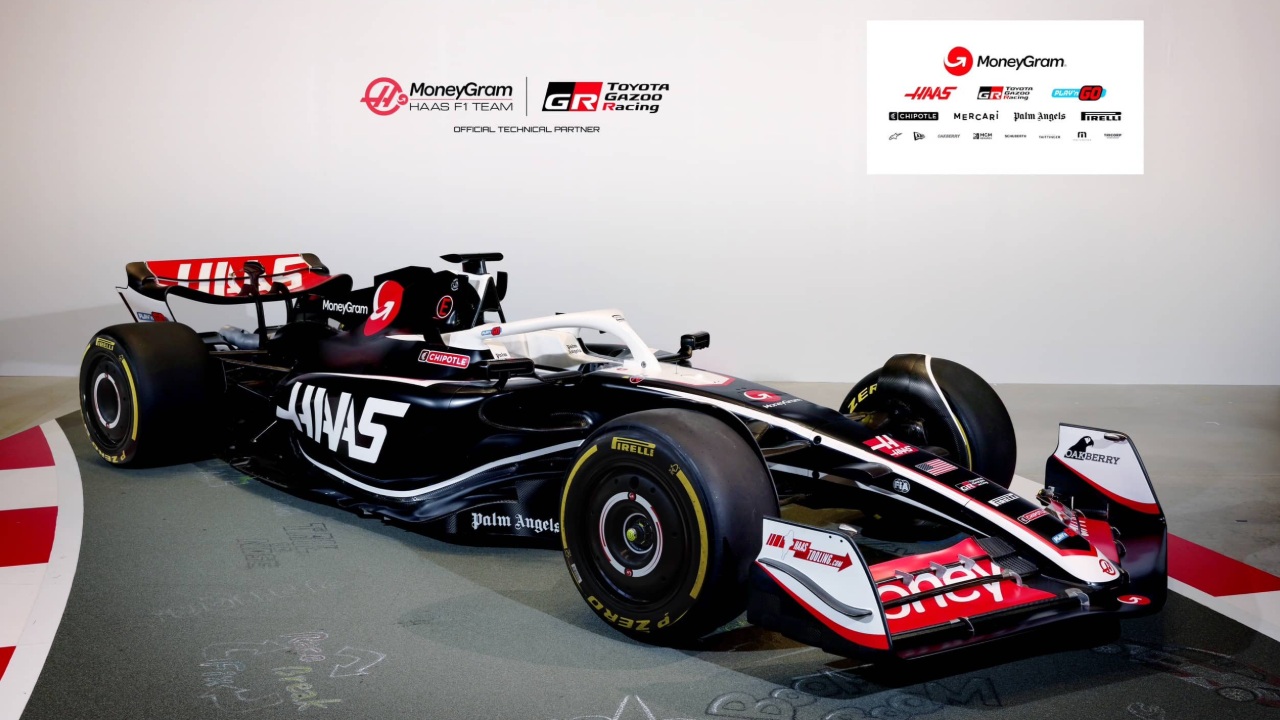
Toyota is coming back to the Formula 1 grid in a big way, putting its name on the Haas operation from 2026 and instantly reshaping the sport’s commercial and competitive landscape. After a decade and a half away from the championship, the Japanese giant is choosing branding power and technical collaboration over a full factory team, and that choice could ripple far beyond one midfield outfit.
By stepping in as Haas’s title backer just as new regulations arrive, Toyota is not only reviving its F1 presence but also testing a modern, lower‑risk template for major manufacturers. The move tightens the fight for sponsors, raises expectations around Haas’s performance ceiling, and sends a clear signal that Formula 1’s current boom is strong enough to lure back one of its biggest former players.
Toyota’s strategic return after a 15‑year F1 absence
Toyota’s decision to reattach its name to the Formula 1 grid after a fifteen‑year hiatus is one of the clearest signs yet of how valuable the series has become to global carmakers. Rather than reactivating a full works team, the company is using Haas as its platform, with Toyota Gazoo Racing set to become the American squad’s new title identity from 2026. Reports describing Toyota’s comeback underline that this is a deliberate, measured re‑entry, designed to capture the marketing and technology upside of Formula 1 without the financial and political weight of running its own entry, a stark contrast to the all‑in factory program it ended in 2009, as detailed in coverage of Toyota’s F1 comeback.
The scale of the move is underscored by the way Toyota Gazoo Racing is framed as “stepping up” from an existing technical relationship into full naming rights. That earlier partnership, which began in October 2024, already put Toyota engineers and tools inside Haas’s development pipeline, and the new agreement elevates that into a front‑of‑house role where the team’s official name, cars and branding will be reshaped around Toyota Gazoo Racing from 2026, as outlined in reports on Toyota Gazoo Racing and Haas. Social media announcements have already framed the move as the end of a fifteen‑year gap since Toyota last raced in Formula 1, reinforcing how symbolic this return is for both the company and the series, with one widely shared post describing how, after that long absence, Toyota is officially returning to the Formula 1 grid in a “massive” strategic shift for the brand, as seen in the “After a fifteen‑year hiatus” announcement.
Inside the Haas–Toyota Gazoo Racing partnership
What makes this deal particularly intriguing is that it is explicitly framed as a branding and technical collaboration rather than a full factory takeover. Haas will continue to run Ferrari power units even after Toyota Gazoo Racing’s name goes on the car, a crucial detail that keeps the team within its existing engine supply structure while layering Toyota’s resources on top. One detailed breakdown of the agreement stresses that this is not a works entry and notes that Haas will remain a Ferrari customer, with the Toyota relationship focused on chassis development, simulation and broader performance tools, as highlighted in coverage of how the partnership is, “crucially,” a branding and technical collaboration and that Haas will continue using Ferrari engines.
The roots of this deeper alliance go back to the unusual technical tie‑up that began in 2024, when Haas cars started to carry Toyota branding and the two organizations began sharing tools and expertise. Reports on Toyota Gazoo Racing’s step up to title sponsor explain that the new deal is an evolution of that arrangement, with Toyota’s motorsport arm moving from a behind‑the‑scenes role into the lead commercial position on the team’s identity, as described in coverage of how Toyota Gazoo Racing will become the Haas F1 team’s new title sponsor and how the deal mirrors other branding‑heavy partnerships in the paddock, such as those that have seen manufacturers lend their names without supplying engines, as noted in analysis of how Toyota moved into the Haas picture last year.
MoneyGram out, a new name in: how the grid’s branding shifts
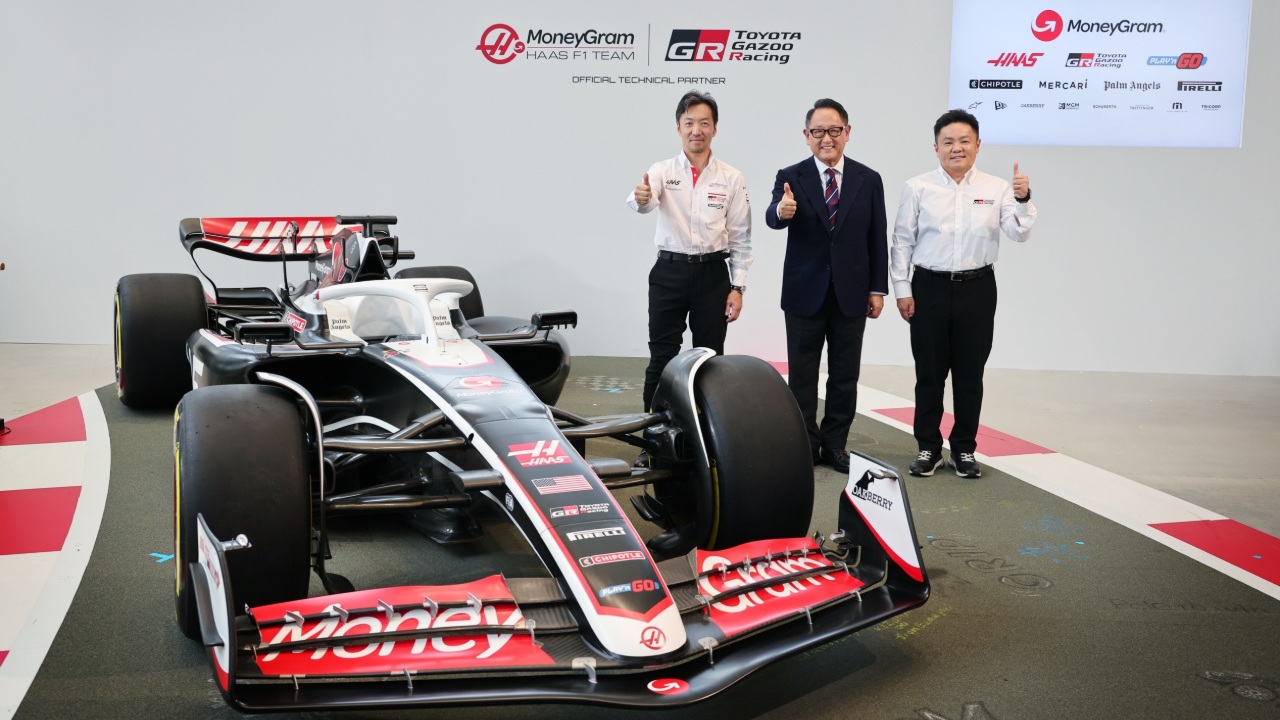
The arrival of Toyota Gazoo Racing as title sponsor means Haas will undergo a full rebrand, with its current naming partner, MoneyGram, set to move aside from 2026. Reporting on the new agreement notes that the Haas Formula 1 team will adopt a new name next season as part of Toyota’s expanded involvement, confirming that the existing title sponsorship structure is being replaced rather than simply layered over. That change will alter how the team is presented in official entries, broadcast graphics and merchandise, and it underscores how much leverage Toyota is bringing to the table, as described in coverage of how Toyota moves further into partnership with the Haas Formula 1 team and how the Haas Formula 1 operation will get a new name under the Toyota deal.
From a commercial standpoint, this is one of the most consequential sponsorship shifts in the current cycle, because it brings a global automotive giant into a title role at a time when Formula 1’s sponsor market is already crowded. Analysis of the agreement describes it as Haas’s most consequential partnership under the current regulations, highlighting how Toyota’s deeper involvement will reshape the team’s budget, technical capacity and marketing reach. That same reporting notes that the deal extends Toyota’s presence beyond simple logo placement, tying the brand into Haas’s driver development and simulator programs, which further differentiates it from a conventional sticker‑on‑the‑car sponsorship, as detailed in coverage of how Toyota signs up for deeper F1 involvement with Haas.
Technical firepower: simulators, support and the 2026 rules
Beyond the logos and the new team name, the most important part of Toyota’s expanded role is the technical support that comes with it. One of the centerpiece projects is a new simulator at Haas’s United Kingdom base, which is expected to be operational in mid‑2026 and is being developed with Toyota’s backing. Reporting on Toyota’s extended support for Haas explains that this simulator is one of two major programs in the partnership and is designed to give the team a state‑of‑the‑art tool for car development and driver preparation, a critical asset in an era when on‑track testing is tightly limited, as outlined in analysis of how Toyota’s extended support will boost Haas.
The timing of this investment is no accident, because the new title sponsorship begins just as Formula 1 introduces its next set of technical regulations in 2026. With fresh chassis and power unit rules on the way, teams are scrambling for every possible edge in simulation, correlation and development efficiency. By tying into Toyota’s broader motorsport infrastructure, Haas gains access to tools and expertise that would be difficult to build alone under the cost cap, and coverage of the deeper partnership notes that this support is structured to fit within modern testing restrictions while still giving Haas a meaningful performance boost, as described in reports on how Toyota signs up for deeper Formula 1 involvement with Haas.
What Toyota’s title move means for Haas and the wider F1 grid
For Haas, the shift from a financial services backer to a global manufacturer as title partner is a statement of intent about where the team wants to sit in the competitive order. The squad has long operated as a lean customer outfit, relying heavily on Ferrari components and external suppliers, but the Toyota deal gives it a chance to grow into a more fully integrated operation without abandoning that customer model. Reporting on Toyota’s takeover as primary title sponsor notes that the partnership, which began in October 2024, is now being expanded so that Toyota becomes the main name on the team from 2026, underlining how quickly the relationship has deepened and how central it is to Haas’s future plans, as detailed in coverage of how Toyota will take over as title sponsor for Haas.
Across the grid, Toyota’s return raises the bar for what a title sponsor can bring to a team, blending marketing muscle with tangible technical programs. It also intensifies the competition for manufacturer alliances, as other independent outfits weigh whether to pursue similar branding‑plus‑technology deals rather than waiting for a full works partnership that may never come. Coverage of Toyota’s move into title sponsorship emphasizes that the company is taking over as the primary name on the Haas entry and that the deal builds on ties between the two brands that have been growing since last year, reinforcing the idea that this is a carefully staged escalation rather than a sudden splash, as described in reports on how Toyota will take over as title sponsor for Haas F1 in 2026 and how Toyota is taking over title sponsorship for Haas F1 in 2026.
More broadly, the move confirms that Formula 1’s current growth cycle is strong enough to tempt back a manufacturer that once walked away from the series entirely. Reports describing Toyota’s F1 comeback and its deeper involvement with Haas frame the agreement as one of the most significant new partnerships of the current era, both for what it brings to a single team and for what it signals to other carmakers watching from the sidelines. By choosing a title sponsorship and technical collaboration model rather than a full factory return, Toyota is effectively road‑testing a new template for manufacturer engagement in Formula 1, one that could become increasingly attractive as the sport’s costs, regulations and global profile continue to evolve, as highlighted in coverage of Toyota’s F1 comeback and its move further into partnership with the Haas Formula 1 team.