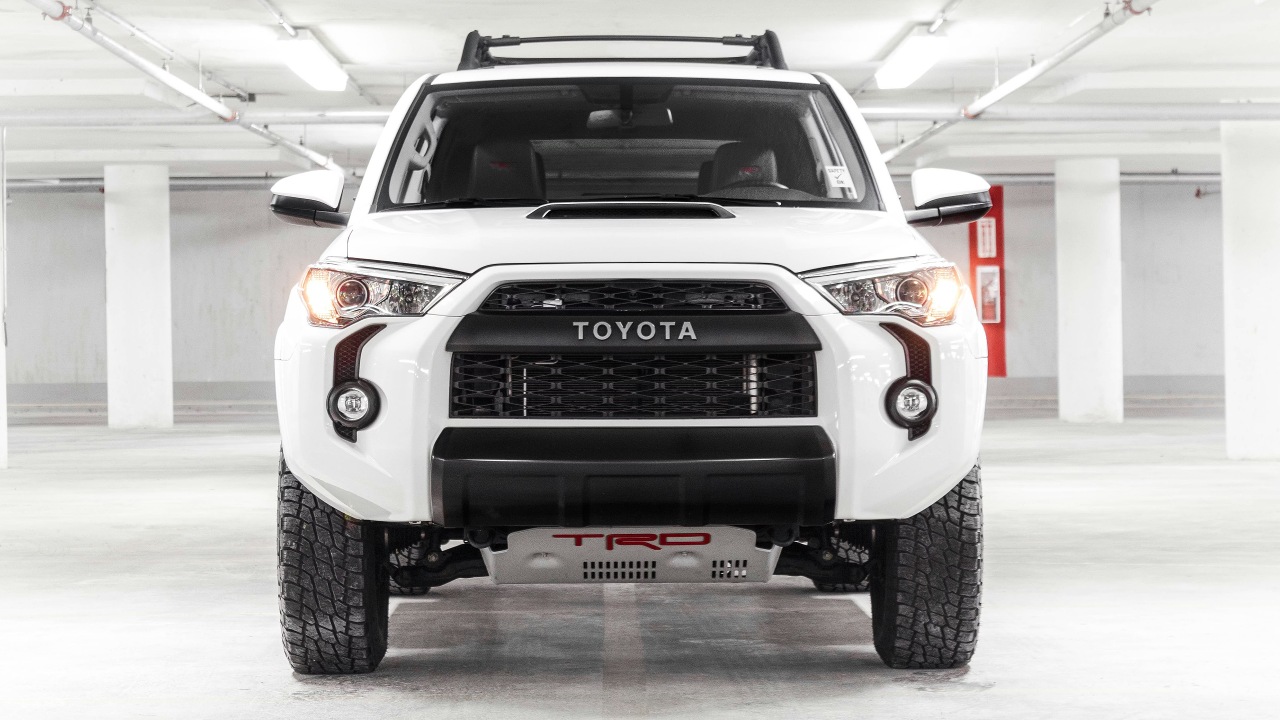
Toyota is preparing to reverse a long-standing flow of trade by sending some of its most American-nameplate vehicles back to its home market starting in 2026. The company plans to introduce U.S.-built models such as the Tundra pickup, the Camry sedan, and the Highlander SUV to Japanese buyers, turning its North American factories into export hubs for Japan for the first time at this scale. The move blends industrial strategy with geopolitics, reflecting pressure to rebalance trade while testing how far Japanese consumers are willing to go for larger, U.S-flavored metal.
The plan centers on three models that are already pillars of Toyota’s lineup in the United States, and it will rely on existing production in the United States rather than new plants in Japan. By routing these vehicles across the Pacific, Toyota is signaling that its American-built products are not just tailored to U.S. tastes but are also strong enough to compete in one of the world’s most demanding domestic markets.
Toyota’s 2026 export plan: three U.S.-built models head to Japan
Toyota Motor Corporation has laid out a clear objective: beginning in 2026, it aims to sell three models produced in the United States, specifically the Camry sedan, the Highlander SUV, and the Tundra pickup, in Japan. The company has described this as an introduction of three models built in the United States, positioning the Camry, Highlander, and Tundra as the spearhead of a new export push from its American plants to its home market. According to Toyota Motor Corporation, the plan is to start with these three models and use existing U.S. manufacturing capacity to supply Japanese dealers, rather than shifting production back to Japan.
Reporting on the initiative underscores that Toyota will begin selling three U.S.-made vehicles in Japan starting in 2026, confirming that the Camry, Highlander, and Tundra are the initial focus of the program. Coverage of the announcement notes that Toyota will begin exporting the three models from the United States to Japan, and that the company has framed the move as part of a broader effort to deepen ties between the United States and Japan. One report describes Toyota’s intention to sell its U.S.-made Camry, Highlander, and Tundra in Japan from 2026, while another notes that Toyota is planning to bring U.S.-made cars, including the Tundra, to Japan as part of a push to improve trade relations between the two countries.
Trade politics and Toyota’s message to Washington
Behind the product headlines sits a clear political subtext. Toyota has been unusually direct in linking the decision to export U.S.-built vehicles to Japan with the state of international relations between the United States and Japan. In one account, the company is quoted under the framing “Toyota Says This Is About International Relations,” signaling that the automaker wants policymakers in Washington to see the move as a tangible response to long-running criticism of Japan’s automotive trade surplus with the United States. By shipping American-built vehicles into Japan, Toyota can point to concrete steps that support U.S. manufacturing jobs while also opening its home market a bit wider to American-certified products.
Other reporting makes the diplomatic angle even more explicit. One analysis notes that several U.S.-built vehicles will soon go on sale in Japan and ties the shift to efforts to appease President Donald Trump, who has repeatedly highlighted the U.S. trade deficit with Japan and pressed for more access for American-made cars. Another source explains that Toyota’s plan to sell three Made-in-USA models in Japan from 2026 is part of a broader pattern in which Japanese automakers have invested significantly in U.S. manufacturing facilities and are now using those plants to supply vehicles back to Japan. A separate report on Toyota’s decision to sell U.S.-made vehicles in Japan describes the three popular U.S. models that will be launched in 2026 and notes that the move is intended to improve Japan-U.S. trade relations, reinforcing the idea that this is as much about politics as it is about product planning.
Why Camry, Highlander, and Tundra are leading the charge
Toyota’s choice of the Camry, Highlander, and Tundra is not accidental. Each model is deeply associated with the United States market and is already built at scale in American plants, which makes them ideal candidates for export without major retooling. Toyota Motor Corporation has identified the Camry sedan, the Highlander SUV, and the Tundra pickup as the three models produced in the United States that it aims to introduce in Japan from 2026, and subsequent coverage has consistently repeated that trio as the core of the plan. One report highlights that Toyota will sell U.S.-built Camry, Highlander, and Tundra models in Japan from 2026, while another notes that Toyota will begin selling three U.S.-made vehicles in Japan, starting in 2026, with the Camry, Highlander, and Tundra as the named products.
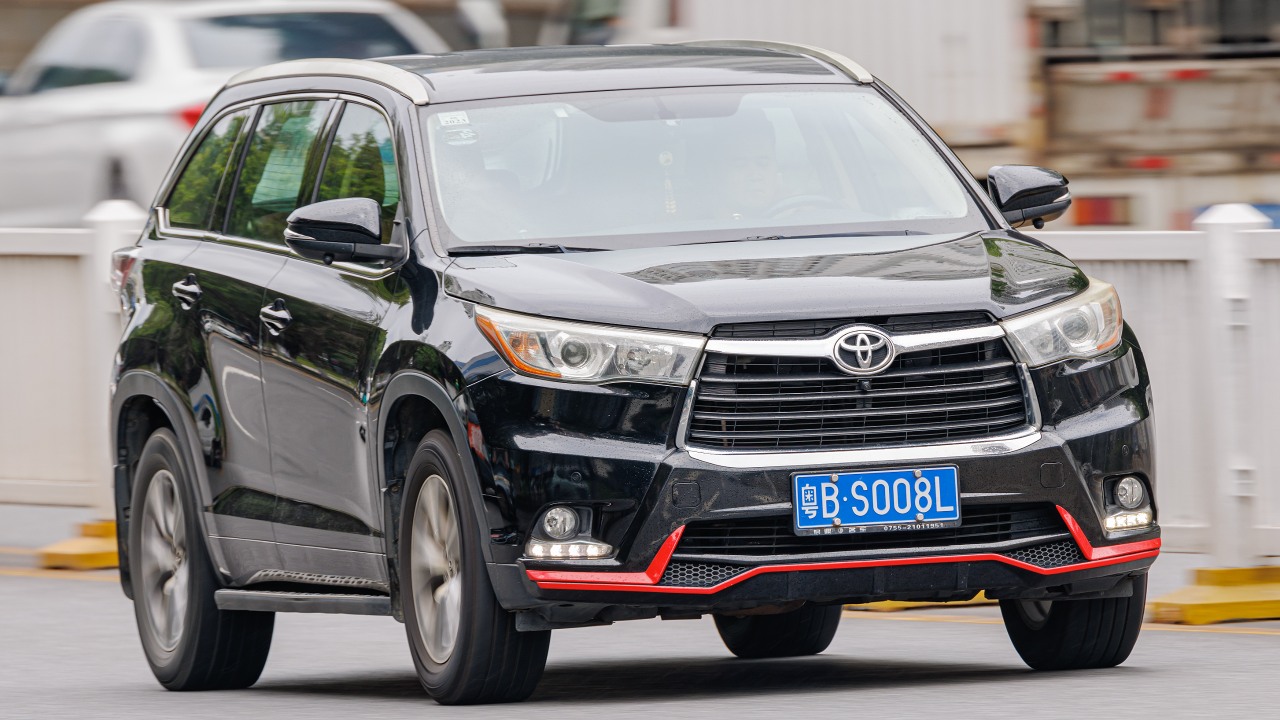
The Highlander’s history in Japan illustrates how Toyota is revisiting past decisions in light of new political and market realities. One analysis recalls that the first-generation Toyota Highlander was sold in Japan under the name Kluger before the company eventually pulled it from its home market. Now, Toyota is preparing to reintroduce the Highlander, built in the United States, to Japanese buyers, effectively sending the model back to a market it once served, but this time as an import. The Tundra, meanwhile, has long been a symbol of Toyota’s American truck ambitions, and one report describes how the Toyota Tundra is poised to make a dramatic entrance on Japanese streets once exports begin. Another source notes that Toyota is planning to bring U.S.-made cars, including the Tundra, to Japan, and that the company will sell U.S.-built Camry, Highlander, and Tundra models as part of its 2026 rollout.
What this means for Japanese buyers and the domestic market
For Japanese consumers, the arrival of U.S-built Camry, Highlander, and Tundra models will test how much appetite there is for larger, American-spec vehicles in a market that has traditionally favored compact cars and kei vehicles. Toyota’s own description of the plan emphasizes that it aims to introduce three models produced in the United States, and reporting on the initiative notes that three popular U.S. models will be launched in Japan in 2026. That framing suggests Toyota believes there is enough demand among Japanese buyers for bigger sedans, crossovers, and pickups to justify importing them, even if they sit outside the country’s usual size and tax sweet spots.
At the same time, the move could subtly reshape the competitive landscape in Japan. One report on Toyota’s decision to sell U.S.-made vehicles in Japan points out that Japanese automakers have already invested heavily in U.S. manufacturing facilities, and that using those plants to supply vehicles back to Japan is a logical next step. Another analysis notes that Japan may approve U.S.-certified cars without requiring extensive local modifications, which would make it easier for models like the Camry, Highlander, and Tundra to reach Japanese showrooms with minimal changes. A separate account of Toyota sending U.S.-built models back home explains that Toyota Motor TM is preparing Japanese dealers and customers ahead of the 2026 launch, indicating that the company expects a meaningful, if niche, audience for these vehicles.
U.S. factories as export hubs and the broader industry shift
For Toyota’s U.S. operations, the decision to ship vehicles to Japan elevates American plants from serving primarily local and regional demand to acting as export bases for the company’s home market. Toyota Motor Corporation has stated that it aims to begin introducing three models produced in the United States to Japan from 2026, and reporting on the plan notes that Toyota will begin exporting the Camry, Highlander, and Tundra from the United States to Japan. Another source describes how Toyota Motor TM is getting ready to send some of its most familiar U.S. models back home, underscoring that the vehicles will be built in American factories and then shipped across the Pacific.
This shift fits into a wider pattern in which Japanese automakers are using their U.S. manufacturing footprint to address political concerns and diversify their global supply chains. One report on Toyota’s plan to sell three Made-in-USA models in Japan from 2026 notes that Toyota has invested significantly in U.S. manufacturing facilities and that the company has also committed additional spending in U.S. plants over the next five years. Another analysis that looks at several U.S.-built vehicles heading to Japan explains that Japanese brands, including Toyota, are responding to pressure from the United States to reduce the trade surplus and to make it easier for American-built cars to enter the Japanese market. A separate account of Toyota shipping U.S.-made cars to Japan from 2026 notes that Toyota confirmed its export plan and situates it within a broader context of trade policies that have sought to address imbalances between the two countries.
A symbolic shift in the U.S.–Japan auto relationship
Beyond the immediate commercial impact, Toyota’s decision to send the Camry, Highlander, and Tundra from the United States to Japan carries symbolic weight in the long-running debate over automotive trade between the two countries. For decades, critics in Washington have argued that Japan’s market is difficult for foreign-built vehicles to penetrate, while Japanese automakers have countered that they already build extensively in the United States. By committing to sell three Made-in-USA models in Japan from 2026, Toyota is effectively turning its U.S. plants into a visible part of the solution, not just a talking point about investment.
Several reports frame the move as part of a broader effort to improve Japan-U.S. trade relations and to respond to political pressure from President Donald Trump and his administration. One analysis notes that several U.S.-built vehicles will soon go on sale in Japan and links that development to efforts to appease Trump, while another highlights that Toyota’s plan to sell U.S.-made vehicles in Japan is intended to improve the trade relationship between the United States and Japan. A separate account of Toyota planning to bring U.S.-made cars, including the Tundra, to Japan emphasizes that it is not uncommon for automakers to export vehicles back to their home markets, but in this case the political context makes the decision stand out. Together, these reports suggest that when the first U.S.-built Tundra, Camry, and Highlander models roll onto Japanese streets in 2026, they will be carrying more than just passengers and cargo. They will also be carrying a message about how the auto industry can be used to recalibrate one of the world’s most closely watched trade relationships.