By 2008, Detroit Diesel had built one million Series 60 engines, the heavy-duty six that put electronic controls into big rigs. Over a 24-year run, the Detroit Series 60 became a fixture in heavy trucks.
That’s the thing about great truck engines. Nobody buys a pickup or a tractor-trailer for the badge on the valve cover. They buy it to work, and the engine either earns its keep or it doesn’t. Over the decades, a handful earned a reputation that outlived the trucks around them.
These are our picks for 12 truck engines we’d rank above the rest. The ranking is our opinion, built on what each engine did and how long it lasted. The displacements, outputs and production dates come from maker histories and engine records.
1. Detroit Diesel Series 60
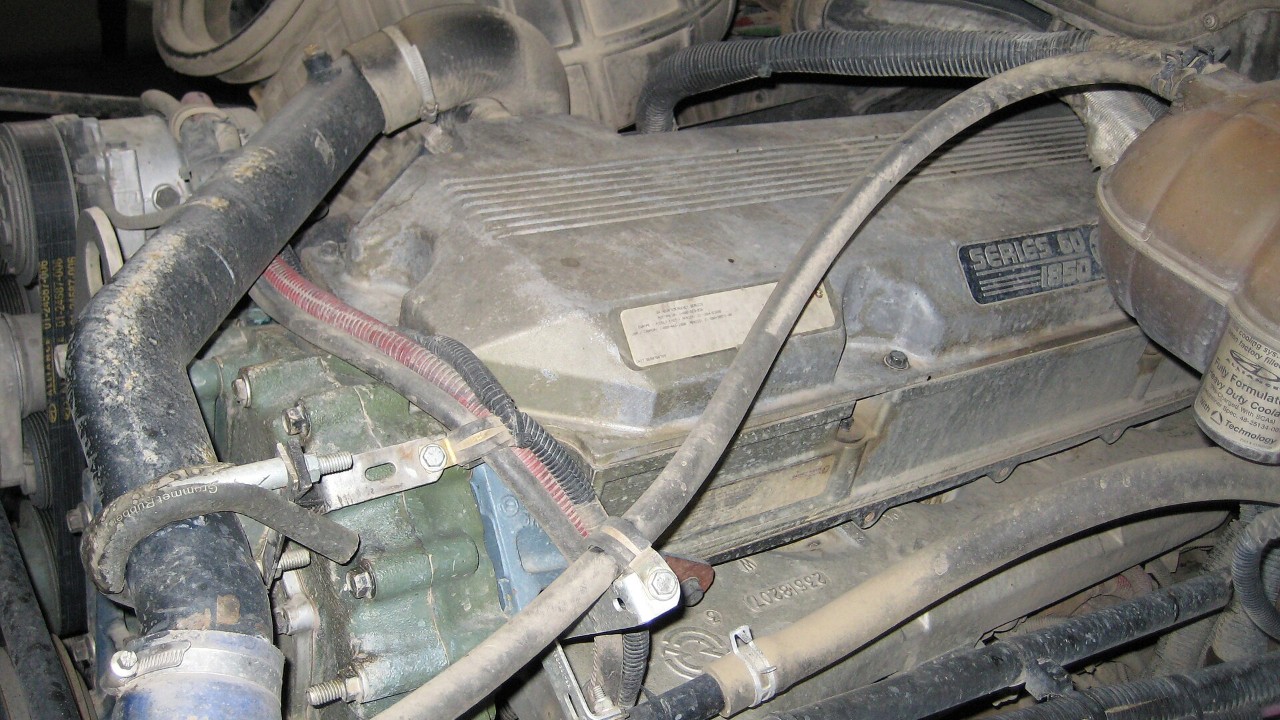
Detroit Diesel introduced the Detroit Series 60 in 1987, and it broke with tradition right away. It was a four-stroke inline-six with an overhead camshaft, unlike most on-highway diesels of its day. It was also the first heavy-duty diesel with fully integrated electronic controls, through Detroit’s DDEC system.
Over its life, the engine came in 11.1-, 12.7- and 14.0-liter sizes. Production ran until 2011, when the DD15 replaced it. That’s a long run for one basic design, and the million-engine milestone came three years before the end.
Our take: electronic engine management is normal now, but the Detroit Series 60 proved it could work in a big rig. That makes it our first pick. Buyer advice: on a used truck, ask for the engine’s service records and confirm which displacement it carries.
2. Ford flathead V8
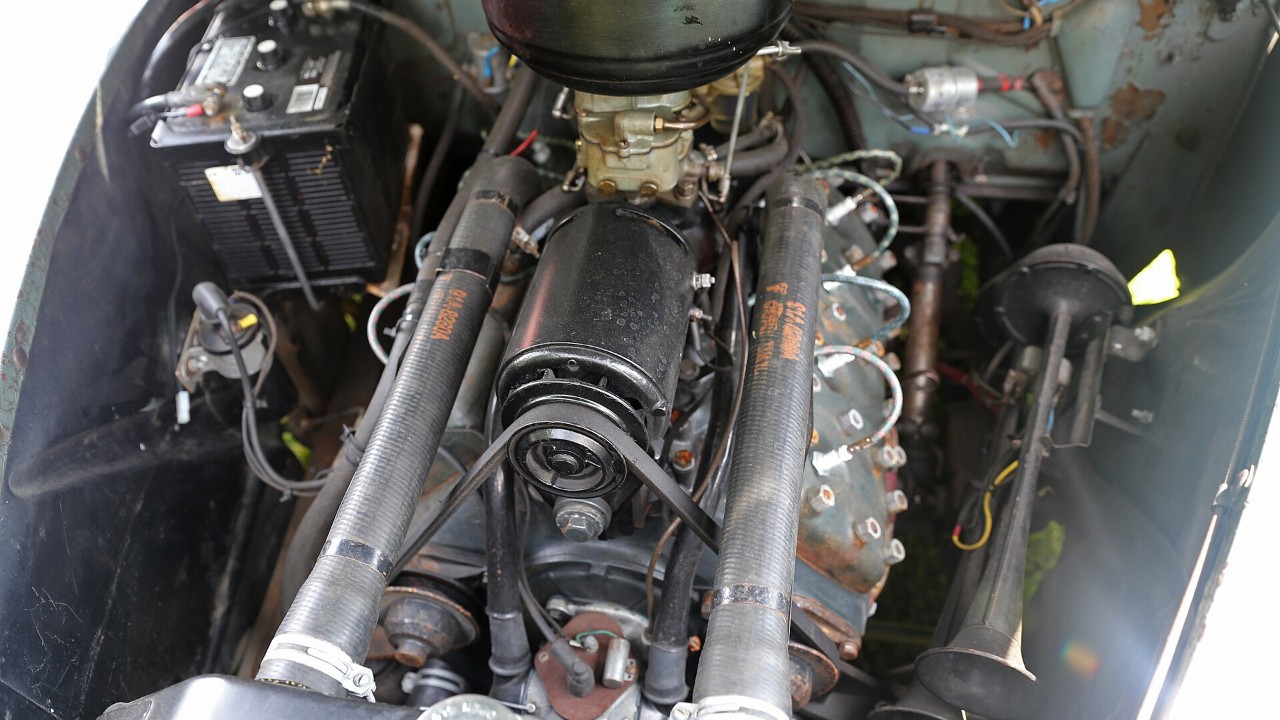
Ford put its flathead V8 in the 1932 Model 18, and the original 221-cubic-inch version made 65 horsepower. By 1941, the same 221 carried an 85-horsepower rating. We’ve covered how the 1932 flathead brought eight cylinders to ordinary buyers, but its truck story deserves its own spot.
Ford fitted flatheads to its trucks from the start, with special truck exhaust layouts through 1947. Then came the 8RT truck engine from 1948 to 1953. In 1948, Ford even offered a 337-cubic-inch flathead in its two-and-a-half and three-ton trucks. Meanwhile, U.S. production of the flathead ran through 1953, and Simca kept building a version in France until 1961.
In our view, no engine did more to put V8 power into working trucks for ordinary buyers. Buyer advice: rebuilt flatheads vary a lot, so ask who did the work and what parts went in.
3. Toyota 1GR-FE
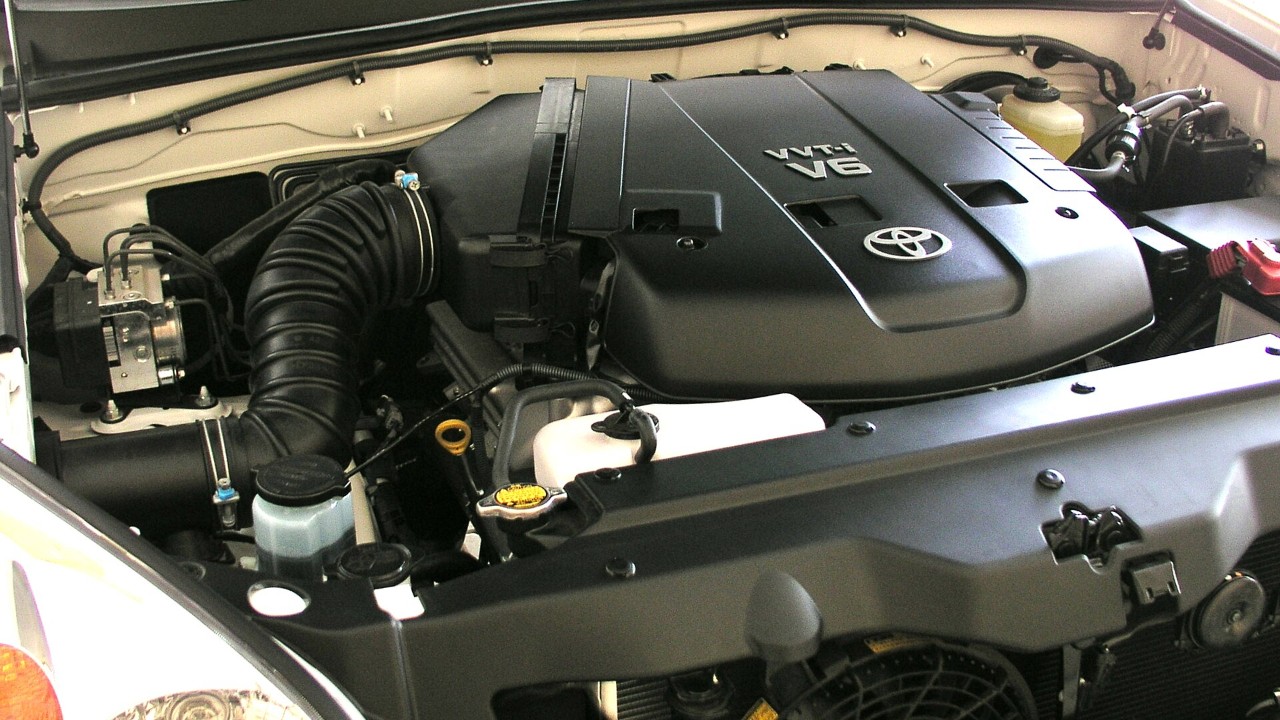
Toyota’s 1GR-FE is a 4.0-liter, 60-degree V6 with a die-cast aluminum block and cast-iron cylinder liners. It uses double overhead cams, four valves per cylinder and a timing chain rather than a belt. The first applications were the 4Runner and Hilux Surf in 2002.
From there, the 1GR-FE spread across Toyota’s truck lineup. It went into the Tacoma from 2004 to 2015, the FJ Cruiser and the Land Cruiser Prado. In single VVT-i form, it made 237 horsepower on regular fuel. Later dual VVT-i versions reached 267 horsepower. It even found a home in the Land Cruiser 70 from 2009.
Our take: few modern gas engines have powered so many different Toyota trucks for so long. Buyer advice: on a high-mileage truck, ask for the service records and keep up with oil changes.
4. Toyota 1FZ-FE
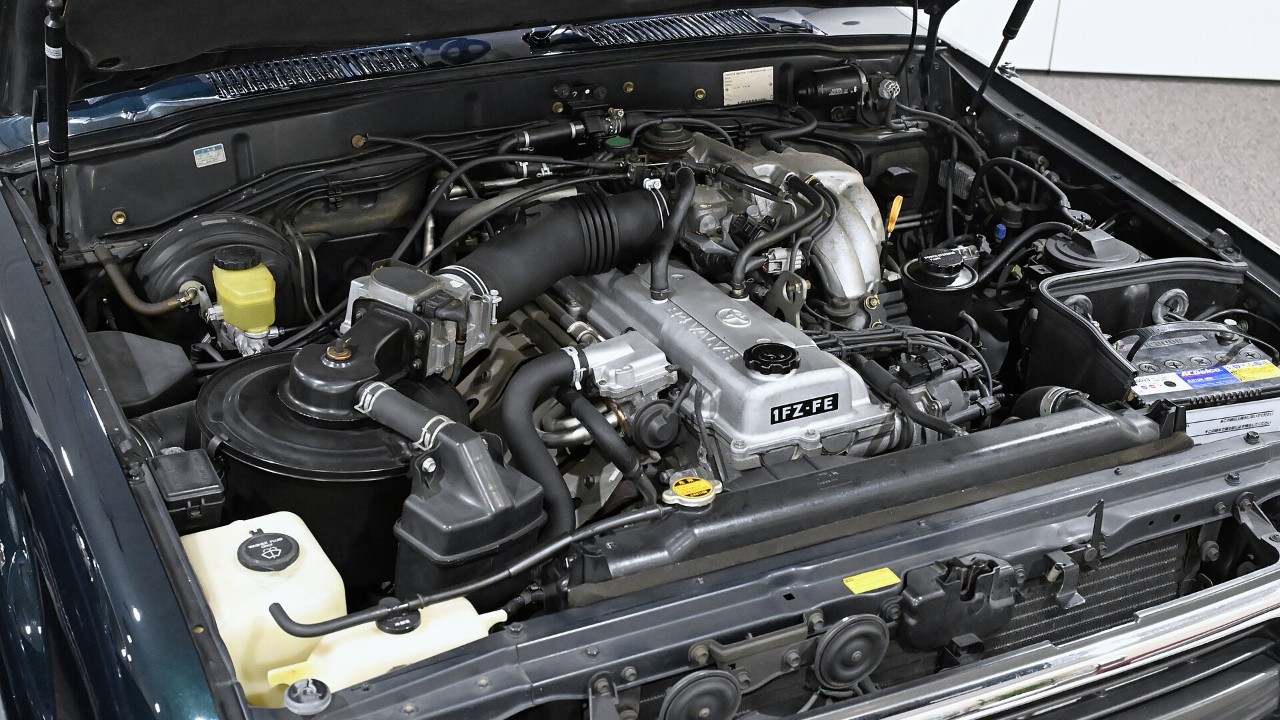
When Toyota retired the long-running F-series six, it needed something bigger and smoother. The answer arrived in the early 1990s in the Land Cruiser 80: a 4.5-liter inline-six with double overhead cams and 24 valves. In standard form, the 1FZ-FE made 212 horsepower at 4,600 rpm and 275 lb-ft of torque at 3,200 rpm.
The engine went on to power the Land Cruiser 80, 100 and 70 series. Lexus also used it in the LX 450 from 1995 to 1997. Toyota even put versions of it into forklifts, which tells you something about its duty cycle.
In our view, the 1FZ-FE is the engine that made the 80-series Land Cruiser a legend in the backcountry. Buyer advice: on a used 80 or 100 series, ask for the cooling system and maintenance history before you buy.
5. Ram Cummins Turbo Diesel
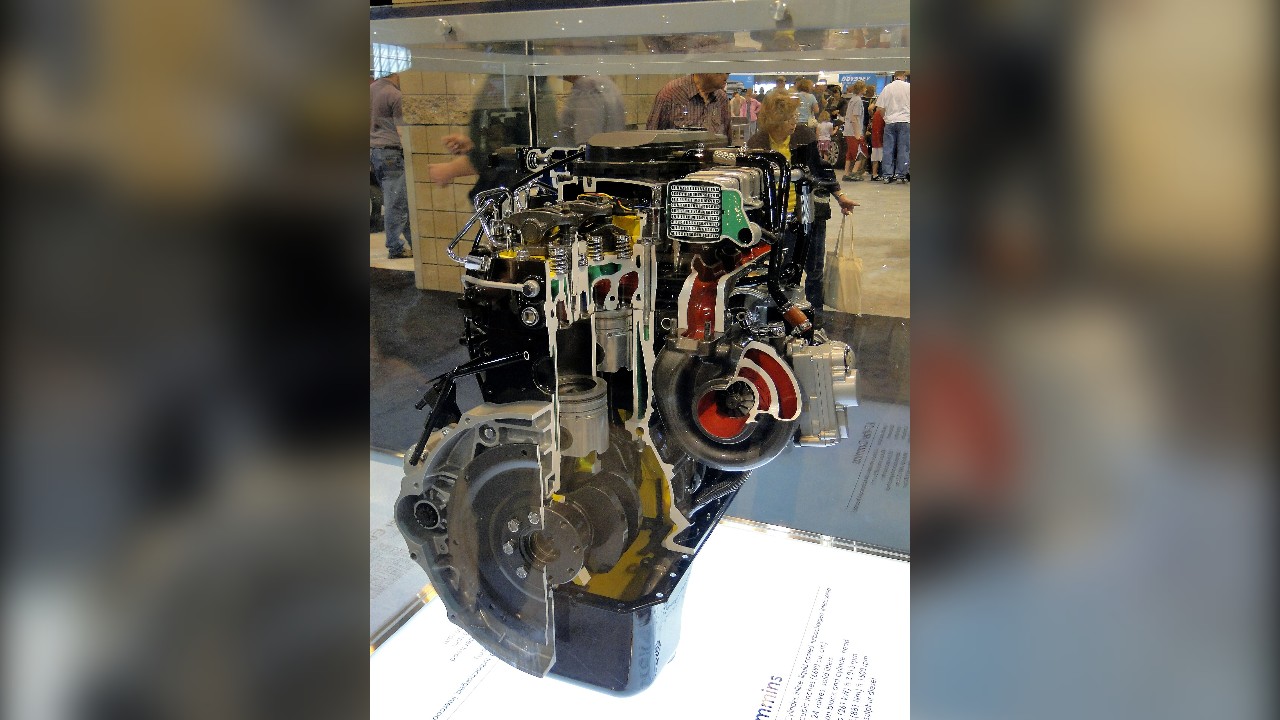
The Cummins in Ram pickups started life in 1984 as an agricultural engine for Case equipment. Then, according to Cummins’ own Ram history, the first Cummins-powered Ram hit the streets in 1989. That early 5.9-liter engine made 160 horsepower and 400 lb-ft of torque.
The numbers kept climbing. Cummins says output passed 200 horsepower in 1996, and a 6.7-liter version with 350 horsepower arrived in 2007. By 2019, torque reached 1,000 lb-ft, and today’s engine is rated at 400 horsepower. Through all of it, the engine kept its cast-iron block and gear-driven camshaft.
Our take: this partnership changed what buyers expect from a heavy-duty pickup. It turned diesel power from a farm option into a selling point. Buyer advice: early 12-valve trucks are simple, but check the injection pump and the condition of the cooling system.
6. Toyota 1HD-T
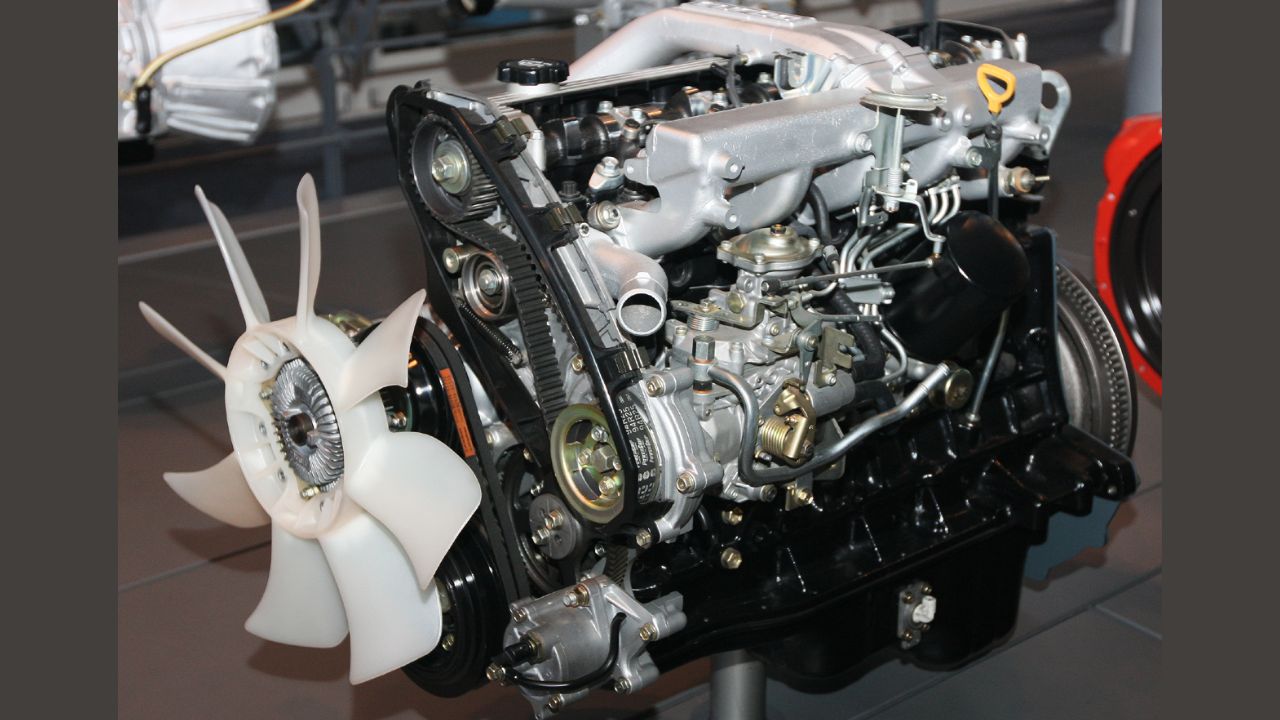
Toyota’s 1HD-T went into production in January 1990, and it powered buses as well as SUVs. The first applications were the Coaster minibus and the Land Cruiser HDJ80. Later, Toyota fitted it to the HDJ100 Land Cruiser from 1998 to 2000.
The engine is a 4.2-liter straight-six with a single overhead cam, 12 valves, a turbocharger and direct injection. It makes 164 horsepower at 3,600 rpm. More importantly, it produces 266 lb-ft of torque at only 1,400 rpm, right where a loaded truck needs it.
In our view, any engine Toyota trusted in both a passenger bus and its flagship 4×4 belongs near the top of this list. Buyer advice: confirm the engine code on the block matches the paperwork before you pay a premium.
7. Cummins ISX
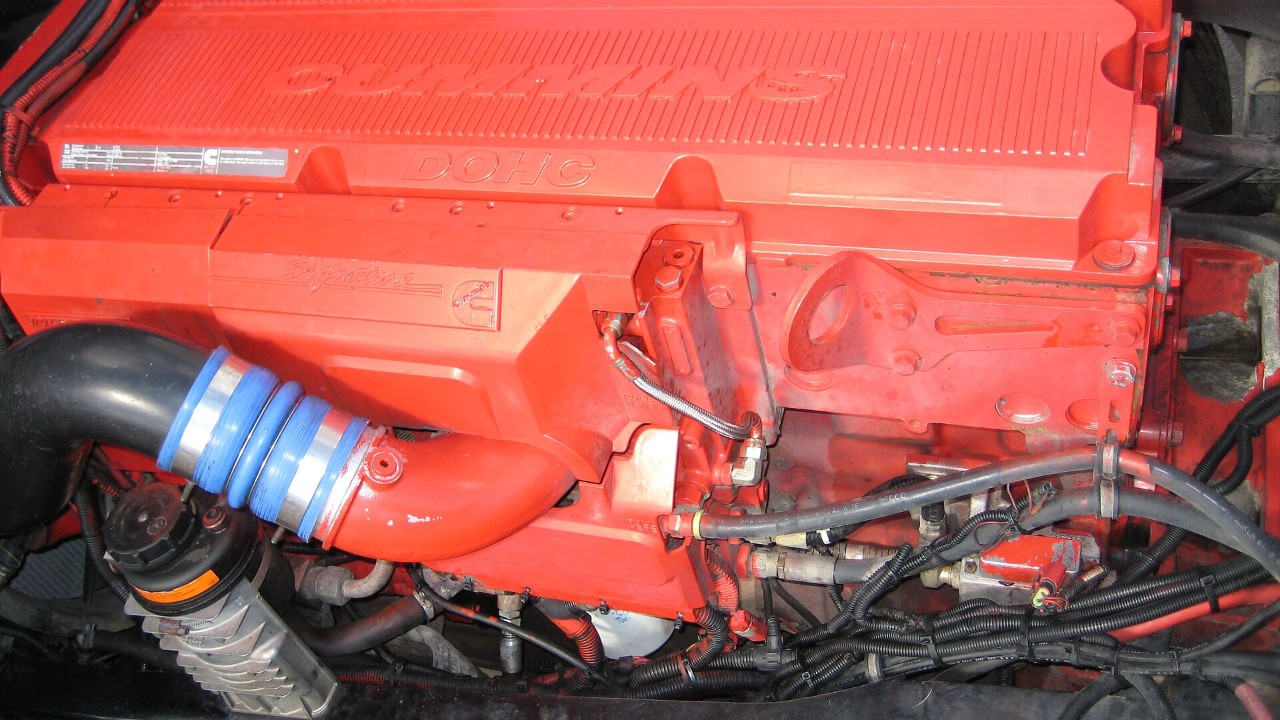
Cummins designed the ISX to replace its N14 heavy-truck engine in 2001. It’s an inline-six diesel, and until 2010 it used a dual overhead cam design. Across the family, ratings ran from 430 to 620 horsepower, with up to 2,050 lb-ft of torque.
The best-known version, the ISX15, displaced 14.9 liters and ran from 2010 to 2020. Cummins began phasing it out in 2016, when the X15 took over. Along the way, the engine powered on-highway trucks, vocational rigs and motorcoaches.
Our take: the ISX gave owner-operators big power from a proven inline-six layout. Buyer advice: on later emissions-equipped engines, budget for aftertreatment maintenance and ask for the full service history.
8. Toyota 2F
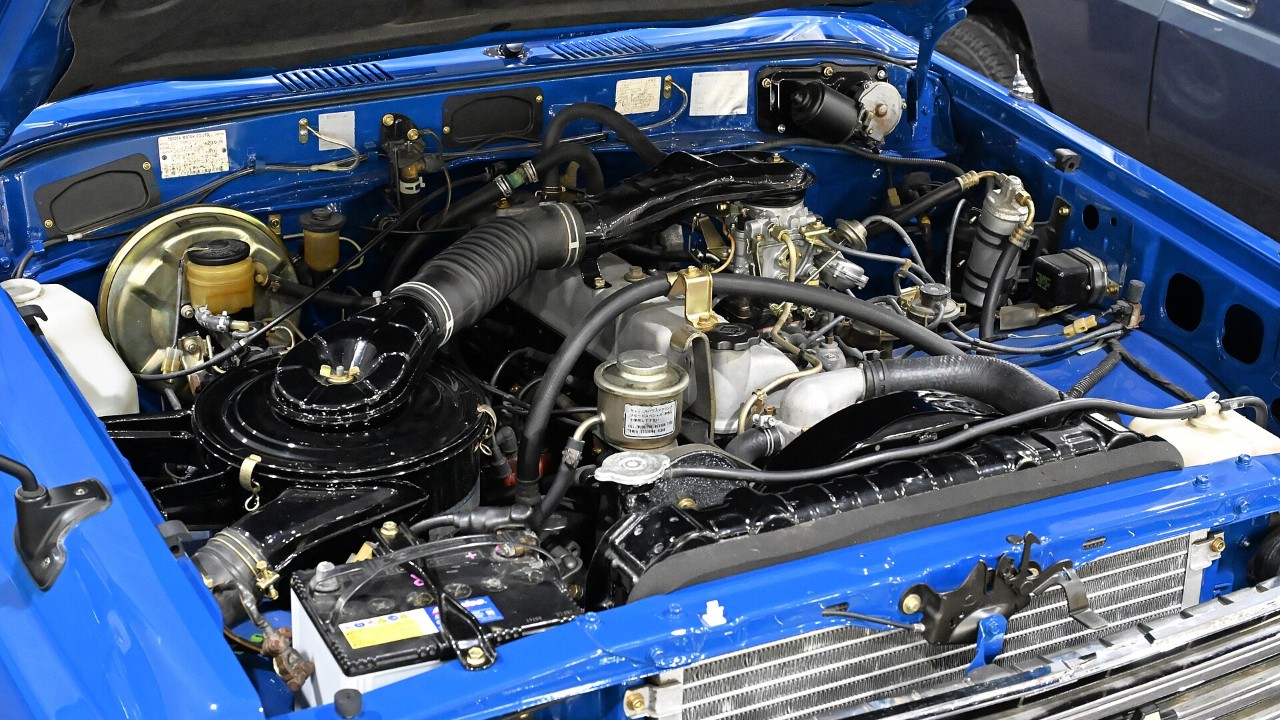
The 2F arrived in 1975 as a bigger version of Toyota’s F-series six. It used a larger bore for 4.2 liters and one fewer oil ring. Its oiling system also sent oil through the filter before it reached the engine. Like the original F, it was an overhead-valve inline-six with a gear-driven camshaft.
The F family’s reputation came from its cast-iron block and head and its strong low-rpm torque. Some engines reportedly reached 300,000 miles before a major overhaul. Toyota used the F series in Land Cruisers, trucks, fire trucks and ambulances until 1992. Our rundown of Land Cruiser series from the 40 to the 300 shows where the 2F fits.
Our take: the 2F is old-school iron in the best sense, built like a tractor engine. Buyer advice: a smooth idle and good oil pressure matter more than mileage on these.
9. Mitsubishi 4D56
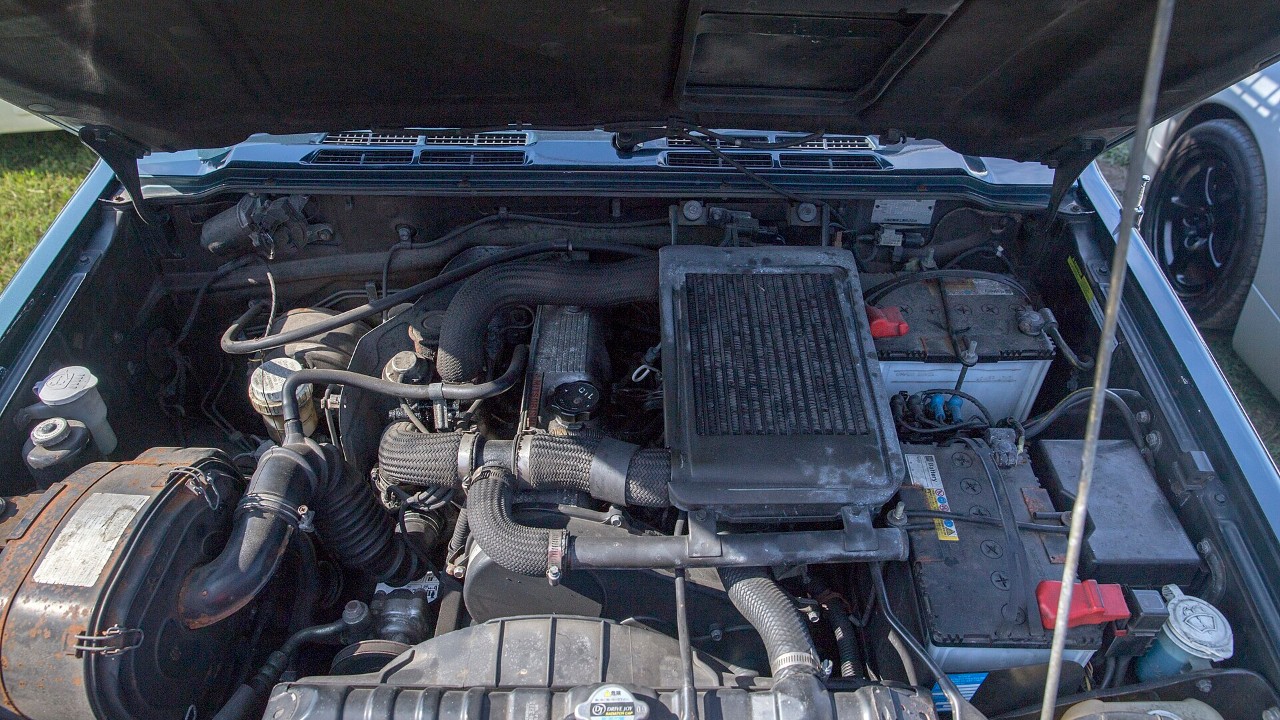
Mitsubishi launched its 4D5 diesel family in 1980 in the fifth-generation Galant. The 4D56 is the 2.5-liter version, displacing 2,477 cc. Turbocharged and intercooled variants followed, and the engine went on to power trucks and SUVs around the world.
The 4D5 family turned up in the Pajero, L200 pickup and Delica van. It also went into the Ford Ranger and the Dodge Ram 50 in some markets. Mitsubishi kept the engine in production through the 1990s as a lower-cost option, and a common-rail version remains in production.
In our view, any diesel that lasts more than four decades in one form or another belongs on this list. Buyer advice: ask for the maintenance records, and favor trucks with documented service.
10. Duramax 6.6 V8 diesel

The Duramax V8 first went into 2001 Chevrolet and GMC trucks. It displaces 6.6 liters and comes from the DMAX plant in Moraine, Ohio. The first version, the LB7, used Bosch high-pressure common-rail direct injection to make 300 horsepower and 520 lb-ft of torque.
Later versions built on that base. The LMM, for example, paired the Duramax with a six-speed Allison automatic. We also covered GM’s new 8.3-liter Duramax for 2027 pickups, which shows how far the family has come.
Our take: the Duramax gave GM’s heavy-duty trucks a diesel V8 that could stand up to Ford and Ram. Buyer advice: on any early Duramax, ask for the full fuel system service history.
11. Chrysler 318 A poly V8
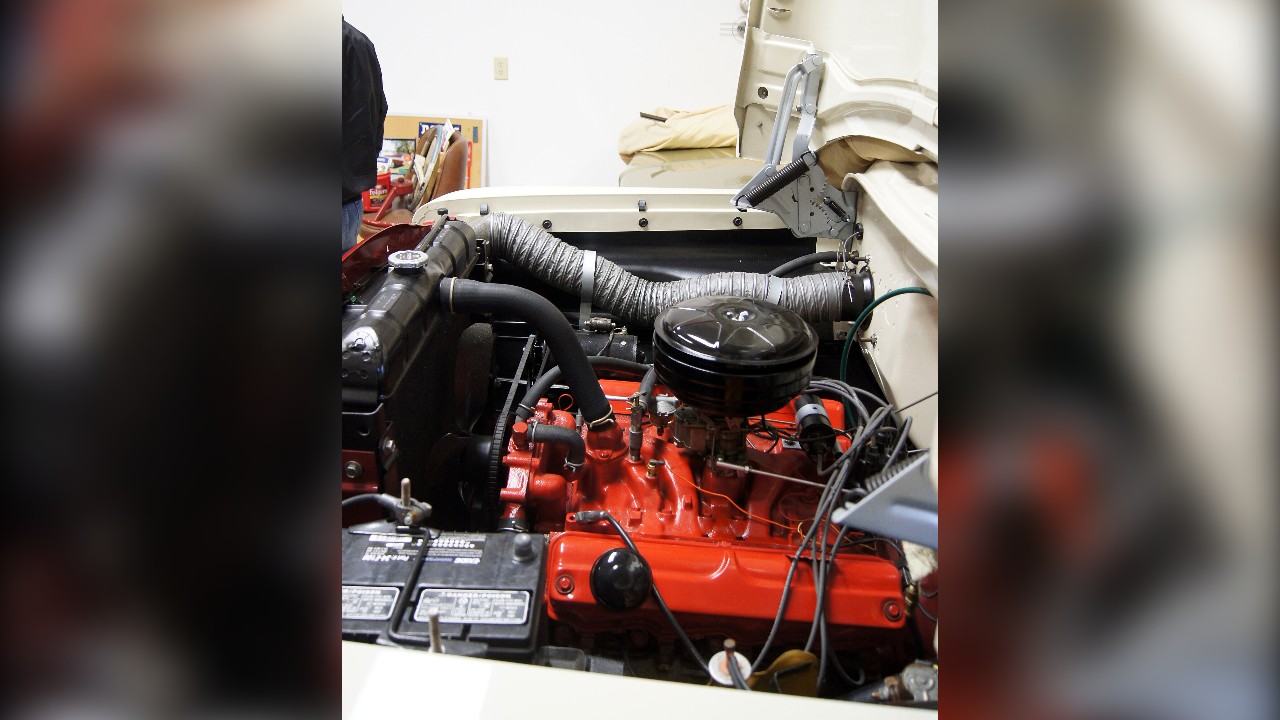
Chrysler introduced the 318 A engine in 1957. It displaced 317.6 cubic inches, and its defining feature was the polyspherical combustion chamber. That “poly” head design gave the engine its nickname.
The 318 also found its way into Dodge’s flashiest pickup. According to Barrett-Jackson’s listing for a 1959 Dodge Sweptside, that truck carried an optional 318 V8 rated at 205 horsepower. Chrysler built the Sweptside by hand in a special equipment section, and production ended in January 1959. Chrysler kept the A engine in U.S. production through 1966, before the LA 318 replaced it.
Our take: the poly 318 is the forgotten ancestor of Chrysler’s later LA small-blocks. Buyer advice: poly-specific parts are scarcer than LA parts, so confirm what you’re getting.
12. Perkins 4.236
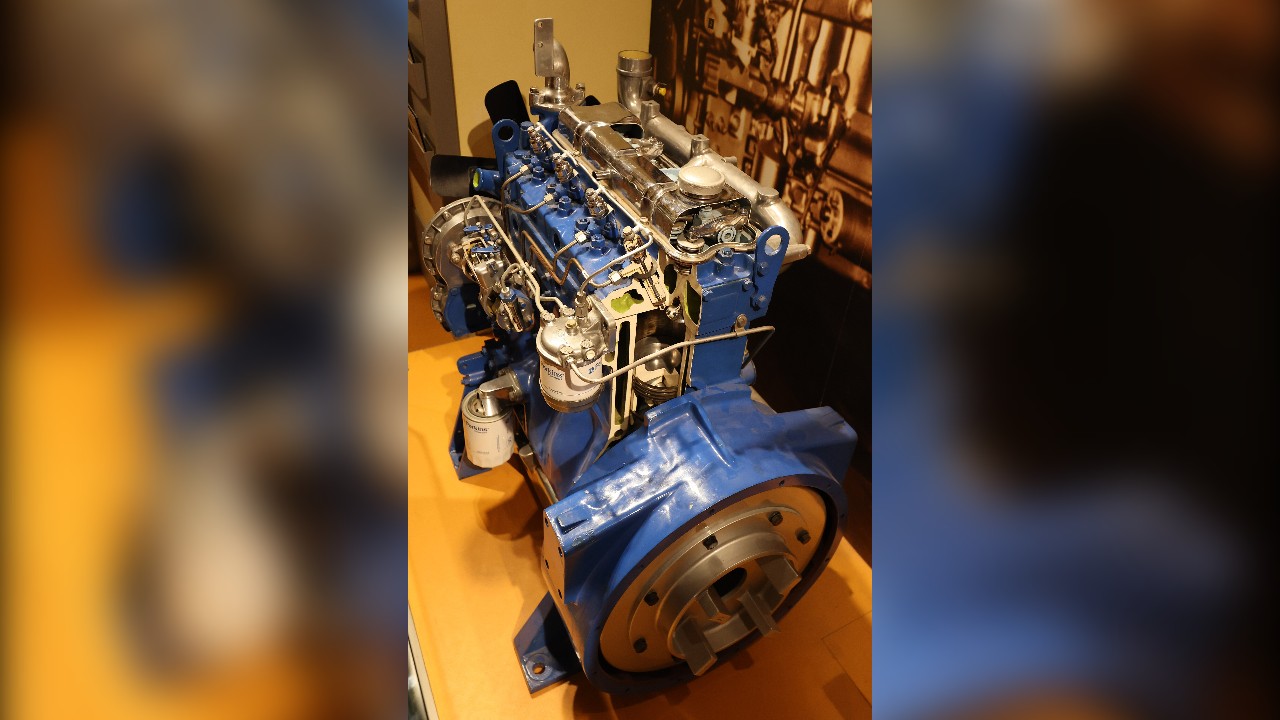
Frank Perkins and Charles Wallace Chapman founded F. Perkins Limited in Peterborough, England, on June 7, 1932. Their goal was high-speed diesels, and three decades later the company launched its best-known four. Production of the 4.236 began in August 1964, and the name simply meant four cylinders and 236 cubic inches.
Perkins rated it at 80 horsepower at 2,800 rpm. The Perkins heritage page says no four-cylinder direct-injection diesel had been offered for on-highway use before it. It also says the engine dominated farm machinery for 30 years. Perkins even offered a balancer to smooth it out in tractors, along with spin-offs such as the 4.248 and 4.204.
Our take: an engine that moved from small trucks to generators to tractors earns its place on any truck list. Its numbers back that up. Perkins built over 70,000 in three years, and UK output passed 60,000 a year from 1969 to 1984. Before the 1000 Series replaced it, the Peterborough site alone had built more than two million 4.236-family engines.
More from Fast Lane Only