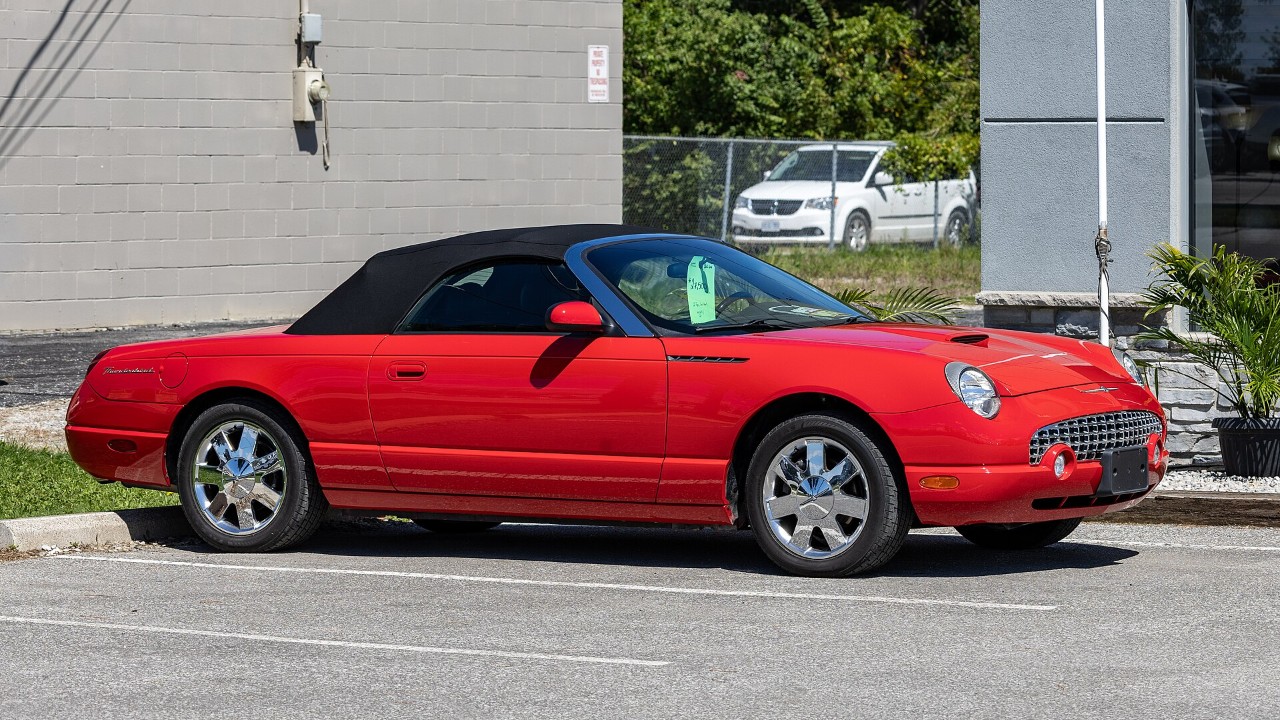
Ford built 31,368 Thunderbirds for 2002, the first model year of the retro two-seater, and the Ford Thunderbird Deluxe was its entry trim. That big first year is part of why we wouldn’t pour restoration money into a rough one. When so many good cars exist, rebuilding a bad one rarely adds up.
The same logic runs through a whole generation of roadsters from the late 1980s to the mid-2000s. Most of them are fun, affordable and easy to love. However, a frame-off restoration costs roughly the same whatever badge is on the trunk, and these cars rarely sell for enough to cover it.
These are our picks for 12 roadsters we think aren’t worth restoring. The verdict is our opinion, not a knock on the cars or the people who own them. Every fact behind it comes from buyer’s guides and model records, and each entry ends with what we’d do instead.
1. 2002 Ford Thunderbird Deluxe convertible
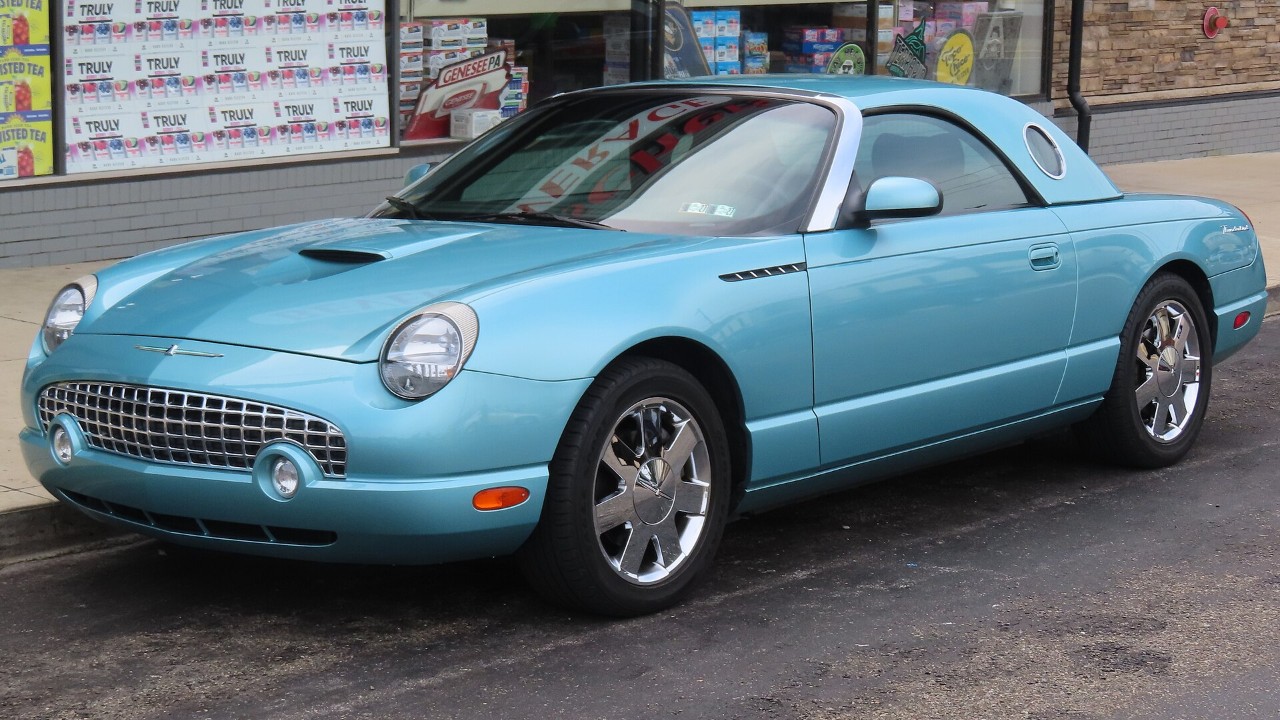
Ford built the 11th-generation Thunderbird at Wixom, Michigan, on the same platform as the Lincoln LS and Jaguar S-Type. At launch, its 3.9-liter Jaguar-based V8 made 252 hp. Then, for 2003, output rose to 280 hp. The Deluxe was the simpler of the two trims, and it went without heated seats.
Still, the Ford Thunderbird Deluxe has known faults, and they are modest but real. According to Octane, misfires usually point to failing coil packs, valve covers leak oil, and the electric hood has fragile latches. Octane also puts pampered cars at around $15,000 to $20,000.
Our take: with more than 68,000 built over four years, a tired 2002 is a poor restoration candidate. Buyer advice: pay up for a low-mile car, check the hood latches and coil packs, and consider a 2003 or later if you want the stronger engine. Older Thunderbirds bring their own headaches, as our look at convertibles that are harder to restore than they appear shows.
2. 1998 MG F
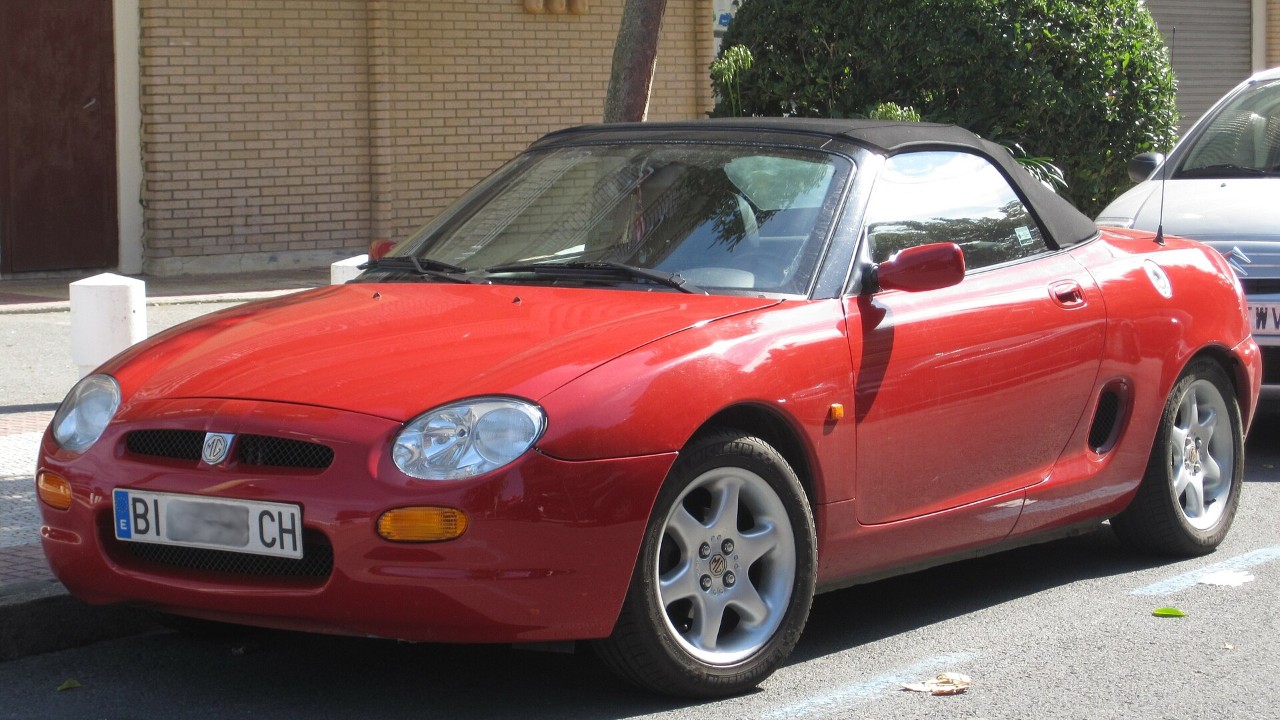
Rover unveiled the MG F in March 1995 and put it on sale that September. It was a mid-engine two-seater, which made it unusual among affordable roadsters. Its Hydragas suspension used interconnected fluid and gas units instead of ordinary springs.
Unfortunately, the trouble sits in the middle of the car. The 1.8-liter K-Series four became known for head gasket failures, largely linked to where the thermostat sat on the water pump intake. In addition, MG built about 77,269 F models, so supply is deep and prices stay low.
In our view, that combination kills the case for a full rebuild, because a tidy one costs so little to buy. Buyer advice: look for proof of the later multi-layer gasket with steel dowels, or step up to the TF, which swapped Hydragas for coil springs.
3. 1995 Mercedes-Benz SL 600 R129
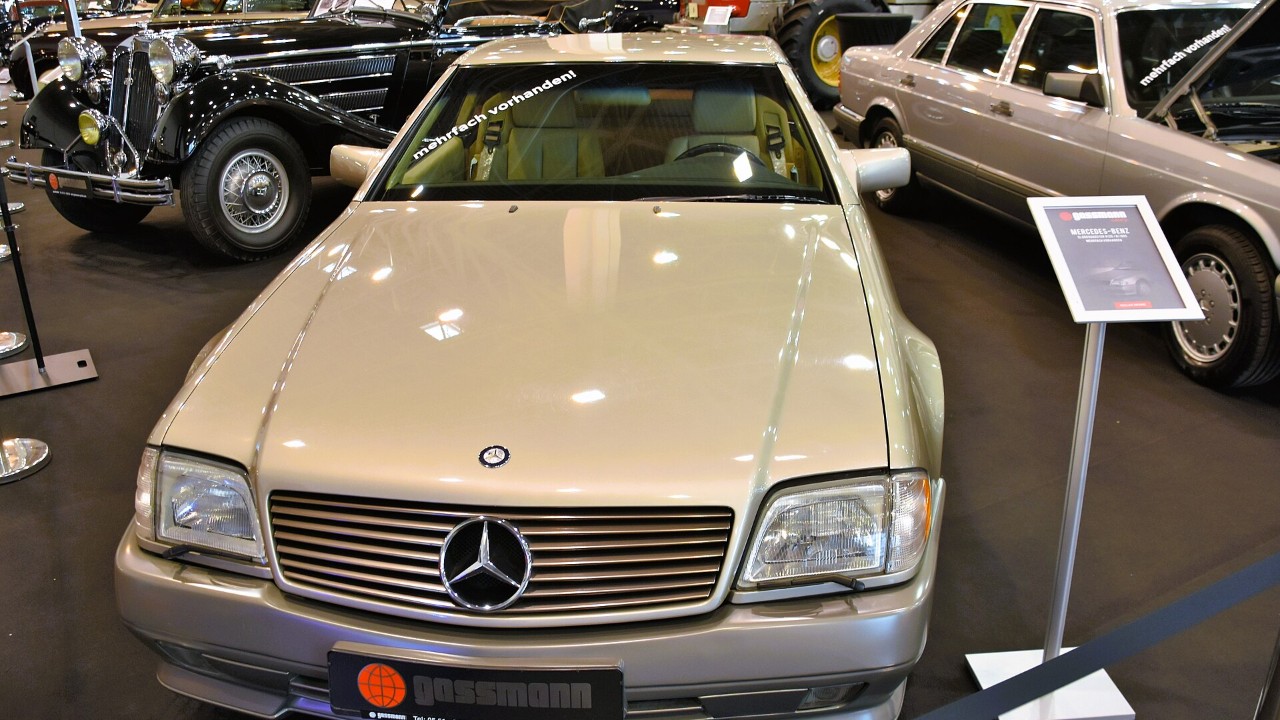
The SL 600 arrived in the U.S. for 1993 with the M120 6.0-liter V12, rated at 389 hp. It started at $119,500. Even so, Hagerty notes its factory 0–62 mph time was only a tenth of a second quicker than the V8 car’s.
The 1995 car sits on the wrong side of a key date. According to Hagerty’s R129 buyer’s guide, cars from 1995 and earlier use a biodegradable wiring harness that turns brittle. The main harness costs $900 to $1,500 for the part alone. Moreover, the roof runs on 11 or 12 hydraulic cylinders, and a full dealer replacement can reach $8,000 or $9,000.
Hagerty’s priciest example was a 2000 SL 600 in #2 condition at $26,600. That’s why we’d pass on restoring a 1995 V12. Buyer advice: buy a 1996 or later car, or one with the harness already replaced, and find an independent Mercedes shop.
4. Audi TT Roadster 8N
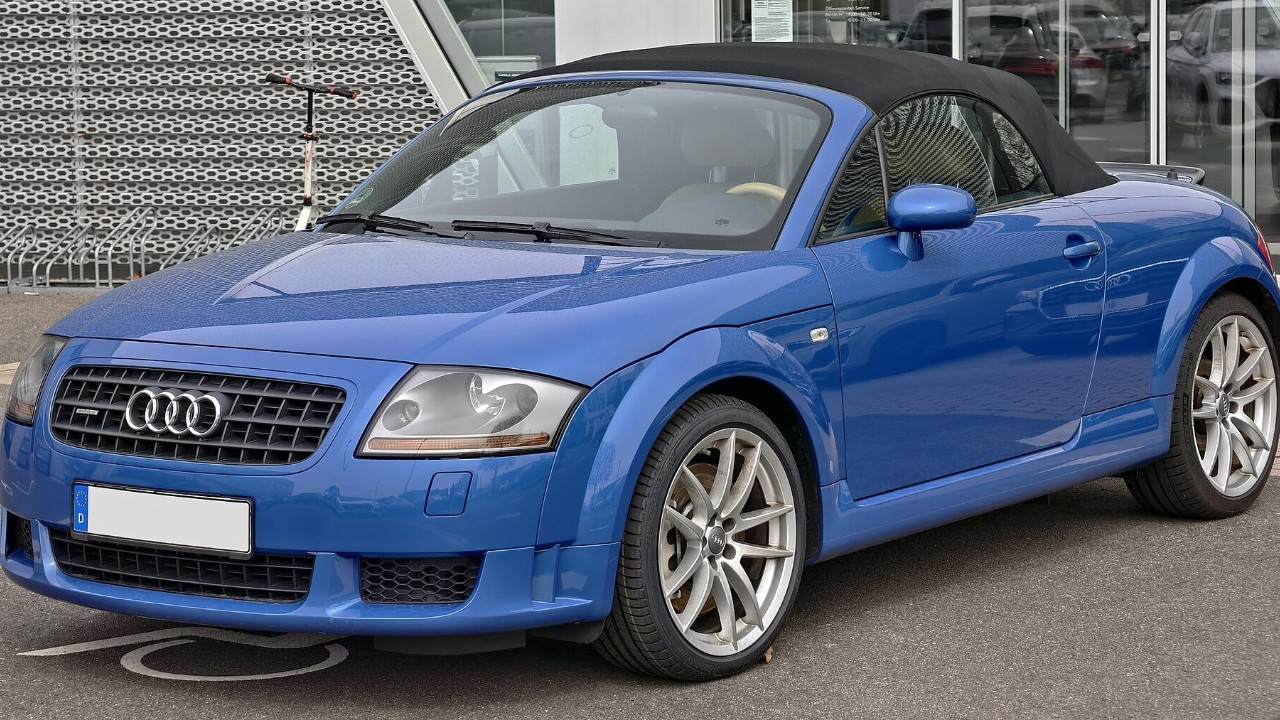
Audi released the TT Roadster in 1999, a year after the coupe. Classic Trader calls it the Bauhaus sports car. However, the early cars had what one guide calls “scary stability problems at high speed,” and Audi answered with a 2000 recall that added a rear spoiler and suspension changes.
Beyond that, ownership brings its own list. According to Classic Trader, the instrument cluster failed widely. The cambelt also needs changing every 60,000 miles or five years. A belt change runs about £500, while a broken belt can mean a £2,500 engine rebuild.
The guide adds that low values led to many abused cars. In our view, that’s the core problem: the bill for fixing a neglected TT outruns its worth. Buyer advice: pay more for a well-serviced roadster with the cluster fix and a recent belt on record.
5. 1998 BMW Z3 Roadster 2.8
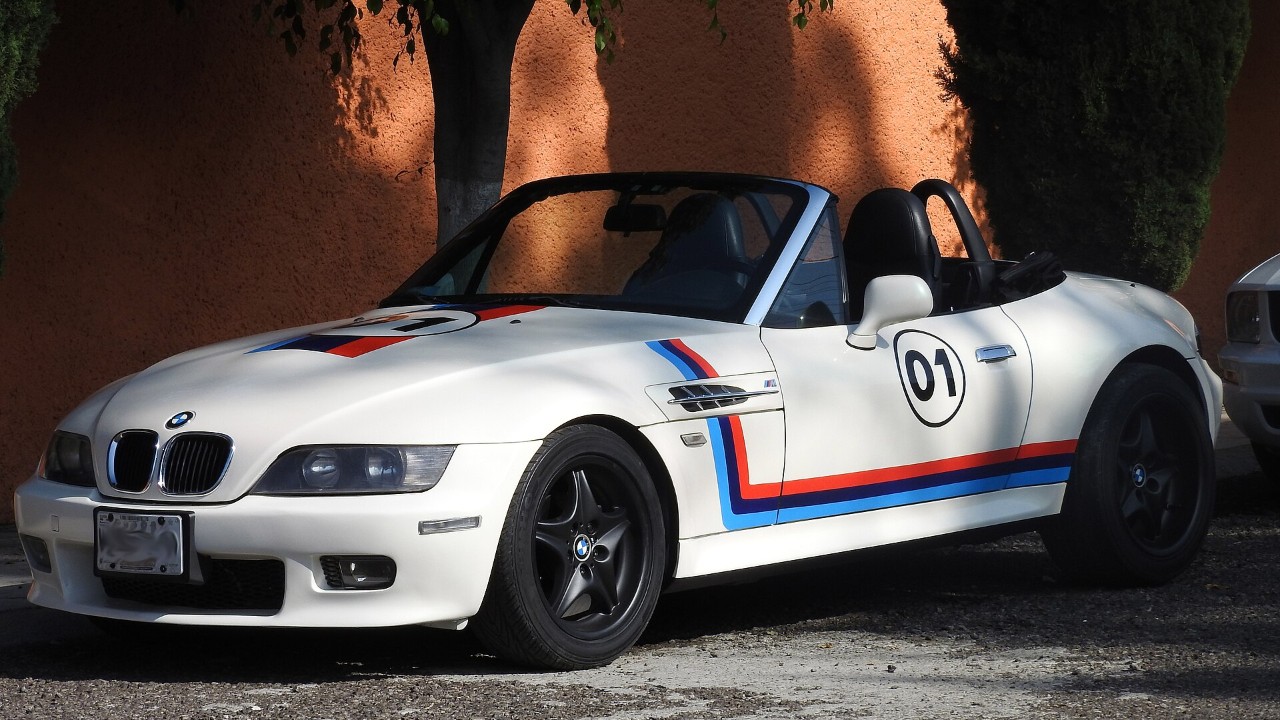
BMW built the Z3 in Spartanburg, South Carolina, the first BMW made solely outside Germany. The 2.8-liter inline-six joined the range in 1997. As a result, the roadster finally had the smooth six its looks deserved.
Since then, age has found its weak spots. According to Auto Express, rear subframe mounting points can crack on hard-driven cars. A plastic water pump can also cause overheating, so the guide advises checking for head gasket trouble.
Auto Express puts the best normal six-cylinder cars at around £5,000, with many under £3,000. For that reason, we’d never restore a cracked-subframe 2.8. Buyer advice: get the subframe mounts inspected before you buy, and ask whether the plastic water pump has been replaced.
6. Mercedes-Benz SLK 32 AMG
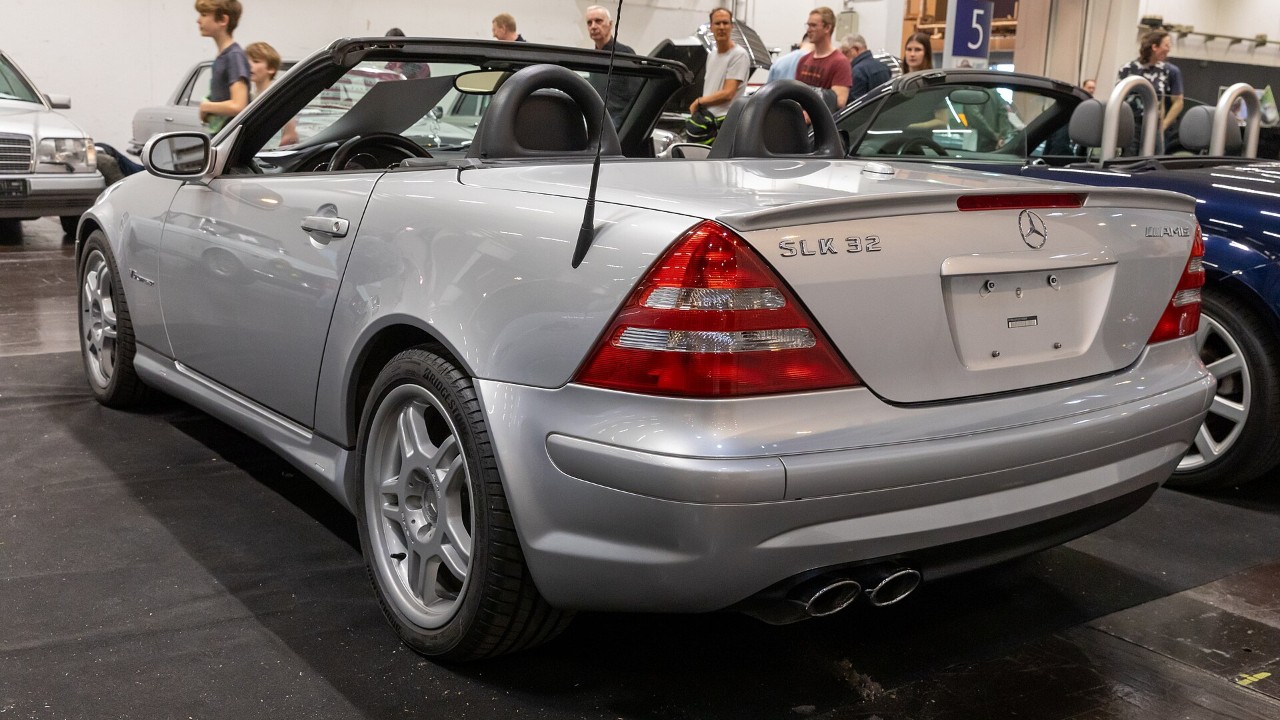
The SLK 32 AMG arrived in 2001 with a supercharged 3.2-liter V6 rated at 349 hp. It came only with a five-speed automatic. Mercedes built 4,333, and 2,056 of them went to the U.S.
The R170 body is the catch. According to Classics World, corrosion is common on the front wings, wheelarches, sills and screen pillars. The folding roof can also act up through failed micro-switches, tired hydraulic rams or the control module under the hood. The guide calls a full service history a must for the AMG.
Our take: the 32 is the R170 we’d most like to own, but not one we’d rebuild from a rusty shell. Buyer advice: buy a dry, documented car from 2003 or 2004, since those later cars are generally less prone to rot.
7. 2003 Porsche Boxster S 986
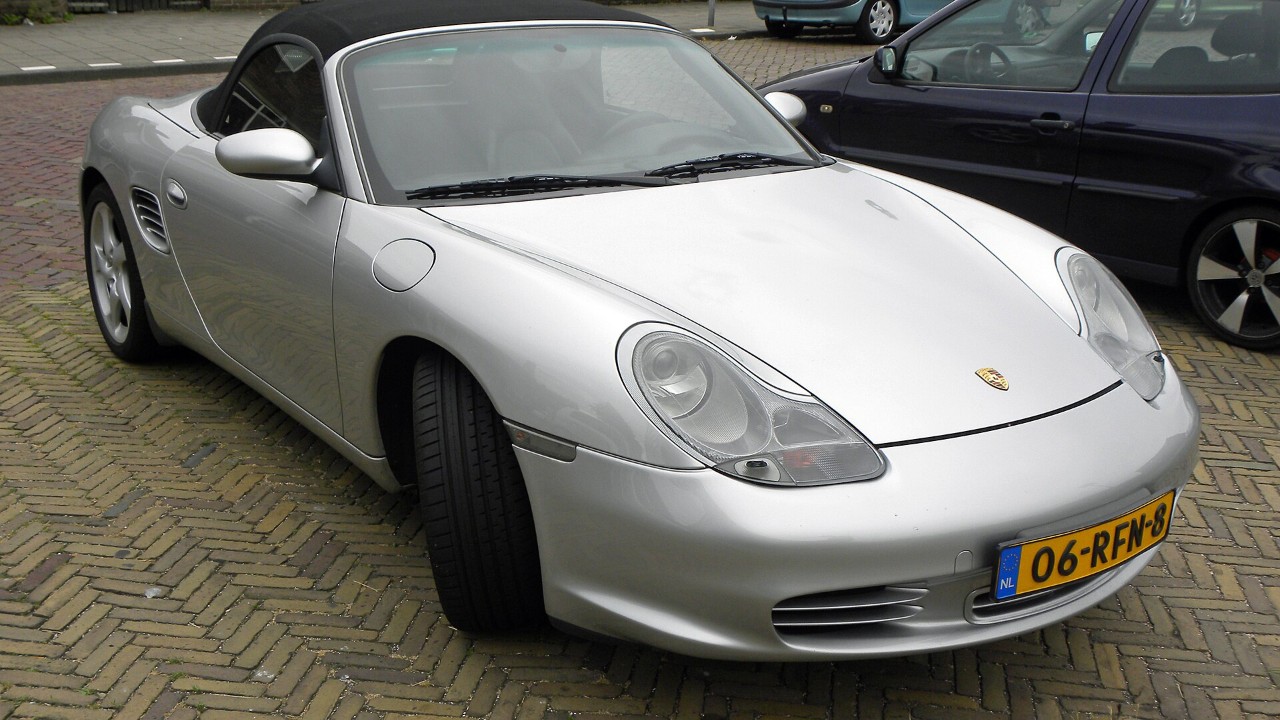
The 2003 facelift gave the Boxster clear-lens lights, a glass rear window with a defroster and revised top mechanisms. Meanwhile, the Boxster S kept its 3.2-liter flat-six.
Even so, its reputation hangs on one part. According to Stuttcars, the intermediate shaft bearing can fail and destroy the engine, with an estimated failure rate of 5% to 8% on 1999–2004 engines. An IMS upgrade costs about $2,000 to $3,000, often done alongside a clutch.
The same guide values 2003–2004 Boxster S cars at about $18,000 to $28,000. In our opinion, a blown-engine project at the bottom of that range is a trap. Buyer advice: buy a car with the IMS upgrade documented, and walk away from one that smokes on startup.
8. 1999 Mercedes-Benz SLK 230 Kompressor R170
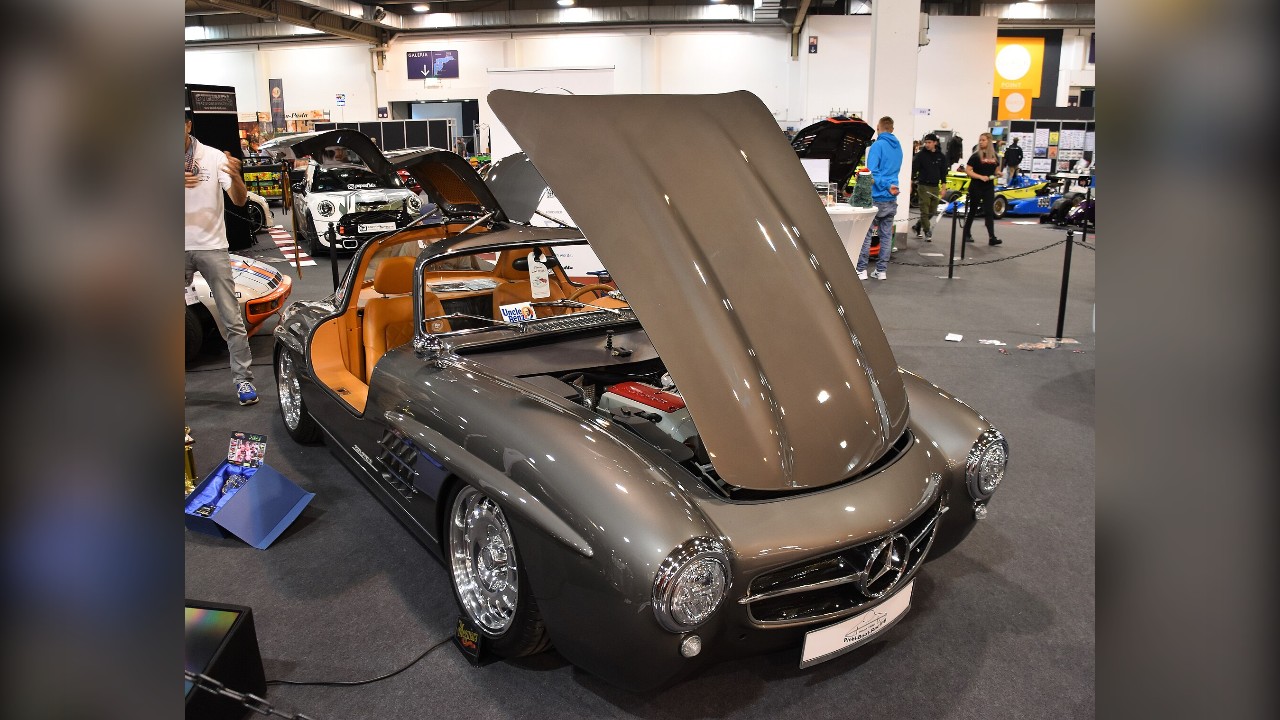
The SLK 230 Kompressor used a supercharged 2.3-liter four with 190 hp. Its party trick was the Vario-Roof, a folding steel top that tucks away in about 25 seconds. Back then, that roof was the whole reason to buy one.
Today, though, price is the problem. According to Drives Today, early cars with rust and mechanical problems sell for £1,000 to £2,000 and are best avoided. The guide suggests checking the wheelarches first, then the underbody, because some cars hide rust under filler.
We’d pass on restoring one because the numbers can’t work. Classics World says really nice examples cost only £2,500 to £3,500. Buyer advice: spend the extra on one of those, and test the roof through several cycles.
9. BMW Z4 Roadster 2.2i E85
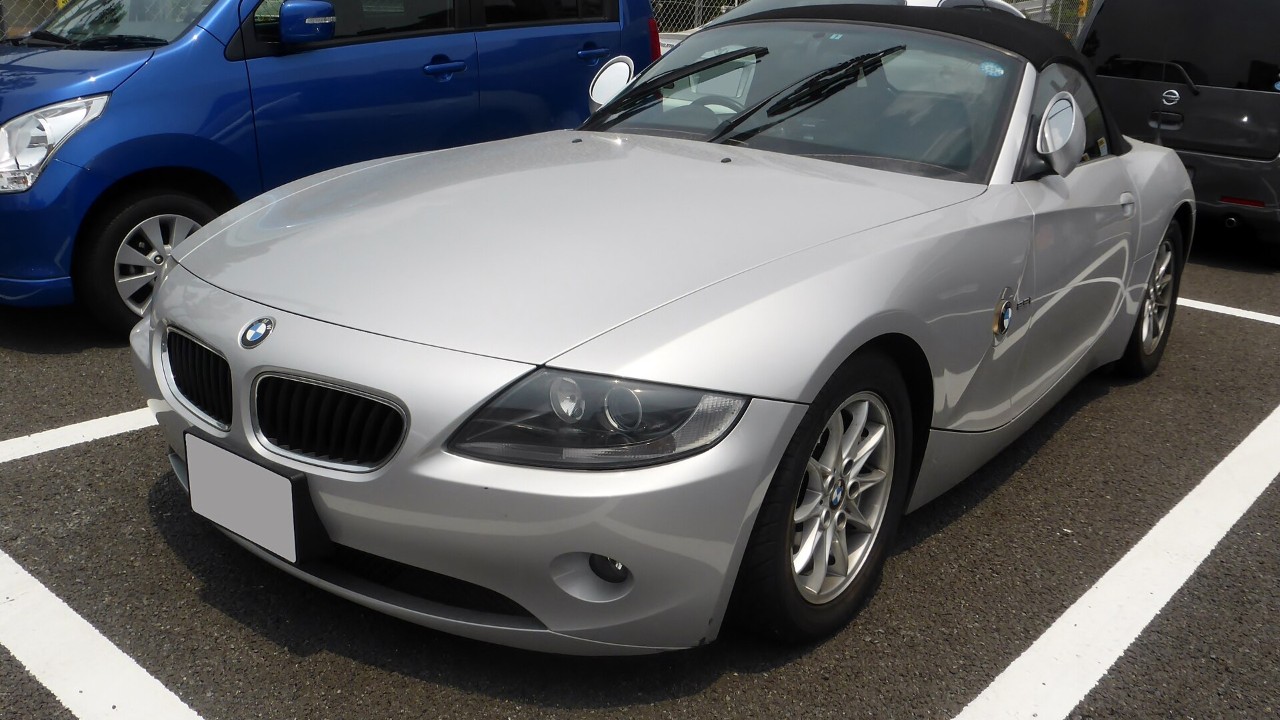
BMW built the E85 Z4 in Spartanburg from 2002. The 2.2i used a 2.2-liter inline-six with 168 hp and lasted only until the 2006 facelift. The E85 also brought electric power steering, replacing the hydraulic setup of the Z3.
That steering is one of the big bills. According to Drives Today, the electric system can suffer from stiffness, and a new rack costs £2,700. Similarly, the hood motor sits on the trunk floor and can flood if seals leak or drains block, with a dealer fix from £600.
The same guide lists non-M six-cylinder cars from £3,000. So we wouldn’t restore a 2.2i with a dead rack and a soaked trunk. Buyer advice: clear the roof drains, test the steering from lock to lock, and buy the best one you can find.
10. 1991 Lotus Elan M100 SE Turbo
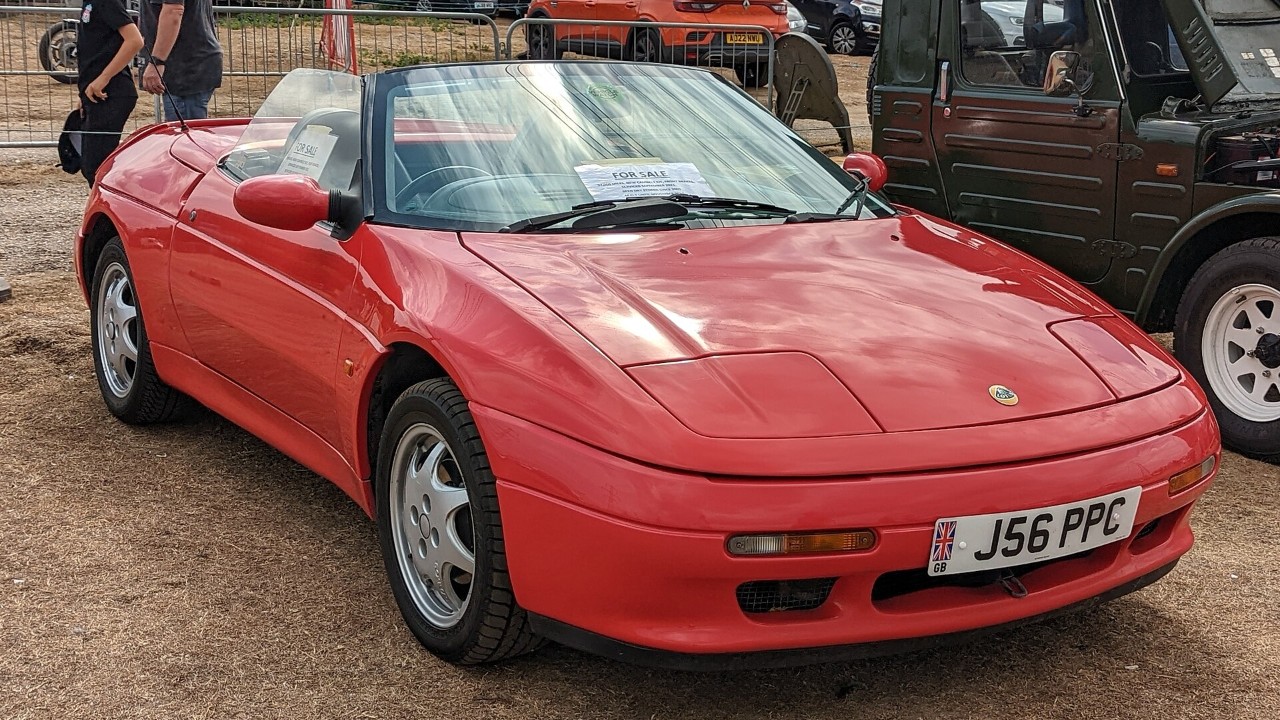
Lotus launched the M100 Elan in late 1989 with front-wheel drive and a 1,588 cc Isuzu engine. It was a bold move for a brand built on rear-drive sports cars. Lotus built 3,726 of the SE version.
In practice, restoring one is harder than it looks. According to Drives Today, replacement chassis are unavailable, and the steel chassis rusts if left unprotected. The folding roof never sealed fully, with a new one around £550 plus up to £400 for seals. Faded red paint needs a full respray at around £9,500.
Our take: no chassis supply plus a five-figure paint job makes a rough SE Turbo a bad bet. The guide says £6,000 to £8,500 buys a car that avoids serious work. Buyer advice: buy at that level and check the chassis first.
11. Toyota MR-S
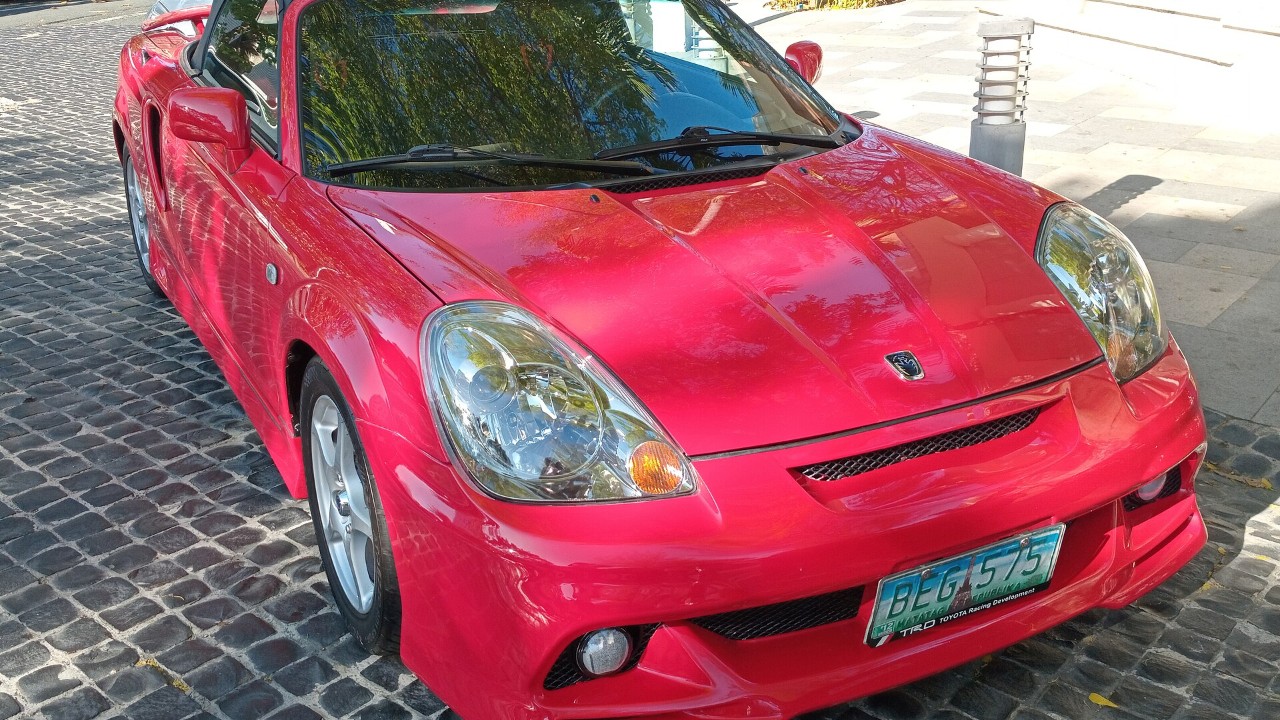
Toyota launched the MR-S in Japan in 1999 and sold it in Europe as the MR2. It was light and mid-engined, with a 1.8-liter 1ZZ-FE four rated at 138 bhp. Later, in 2001, a sequential manual gearbox joined the options.
Early engines carry a known risk. According to Octane, the pre-catalyst can break down on early cars, and oil use between services is a warning sign. Octane recommends a compression test, particularly on pre-2003 cars, and checks for rust on the floors and suspension mounts.
Octane puts a sound, well-kept car at £3,500 to £4,000. Therefore, rebuilding a smoky, rusty project makes little sense to us. Buyer advice: favor a 2003 or later car and get that compression test done.
12. Alfa Romeo Spider Type 916
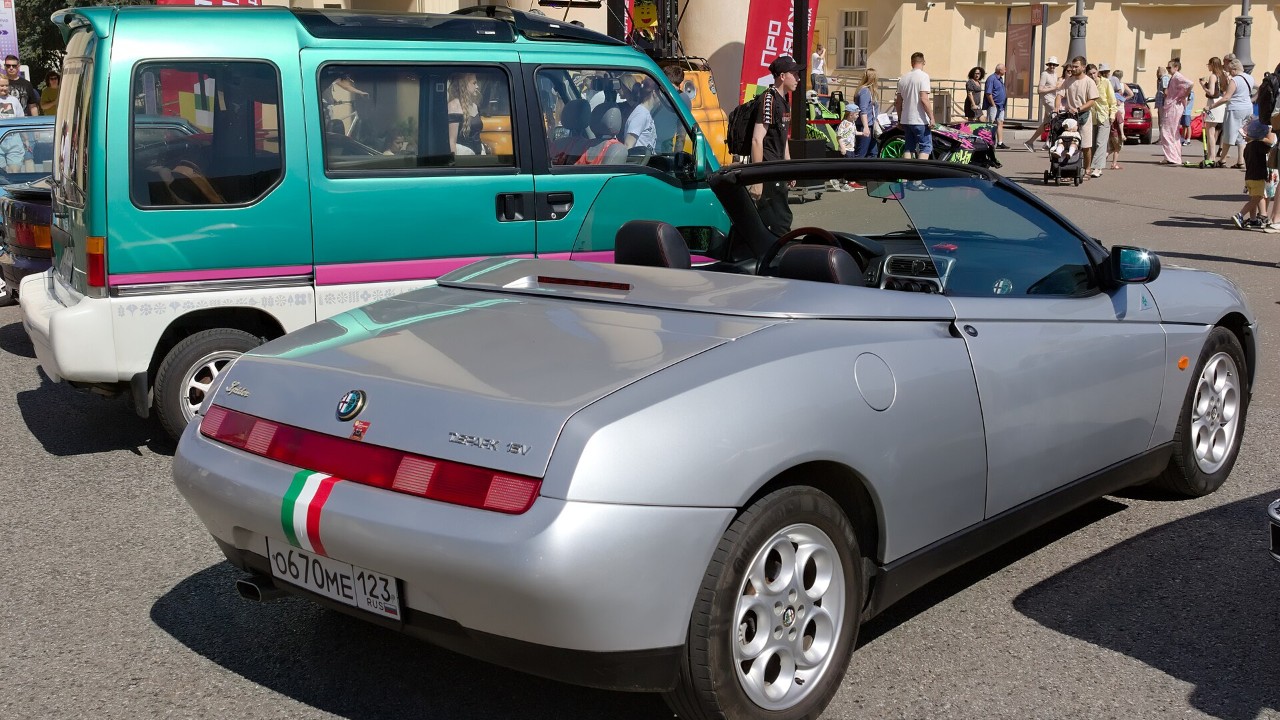
Enrico Fumia designed the 916 Spider at Pininfarina, and Alfa launched it at the Geneva show in March 1995. Unlike the old Spider, it used front-wheel drive. Most cars carry the 2.0-liter Twin Spark four with 150 bhp. Its predecessor was the Spider that Dustin Hoffman made famous in The Graduate.
Running one well takes discipline. According to Classic & Sports Car, the Twin Spark needs a cambelt every 36,000 miles or three years. Hood parts are scarce, and an airbag light on Phase 1 cars is very expensive to fix.
The magazine’s price guide lists an average Twin Spark at £2,400 against £7,000 for a show car. In our view, that gap won’t cover a full rebuild. Buyer advice: buy the best-documented Twin Spark you can find, with recent belt work on the receipts.
More from Fast Lane Only