When it comes to Army aviation, form always follows function. These aircraft weren’t designed to impress from the tarmac—they were built to work, survive, and adapt. Whether it’s dropping into tight terrain, hauling gear across continents, or providing cover from the sky, each machine on this list earned its place through performance and staying power.
This isn’t about nostalgia or marketing hype. These are the aircraft the Army has relied on—some for decades. From helicopters to fixed-wings to unmanned systems, here are ten that helped shape the mission from the air.
AH-64 Apache
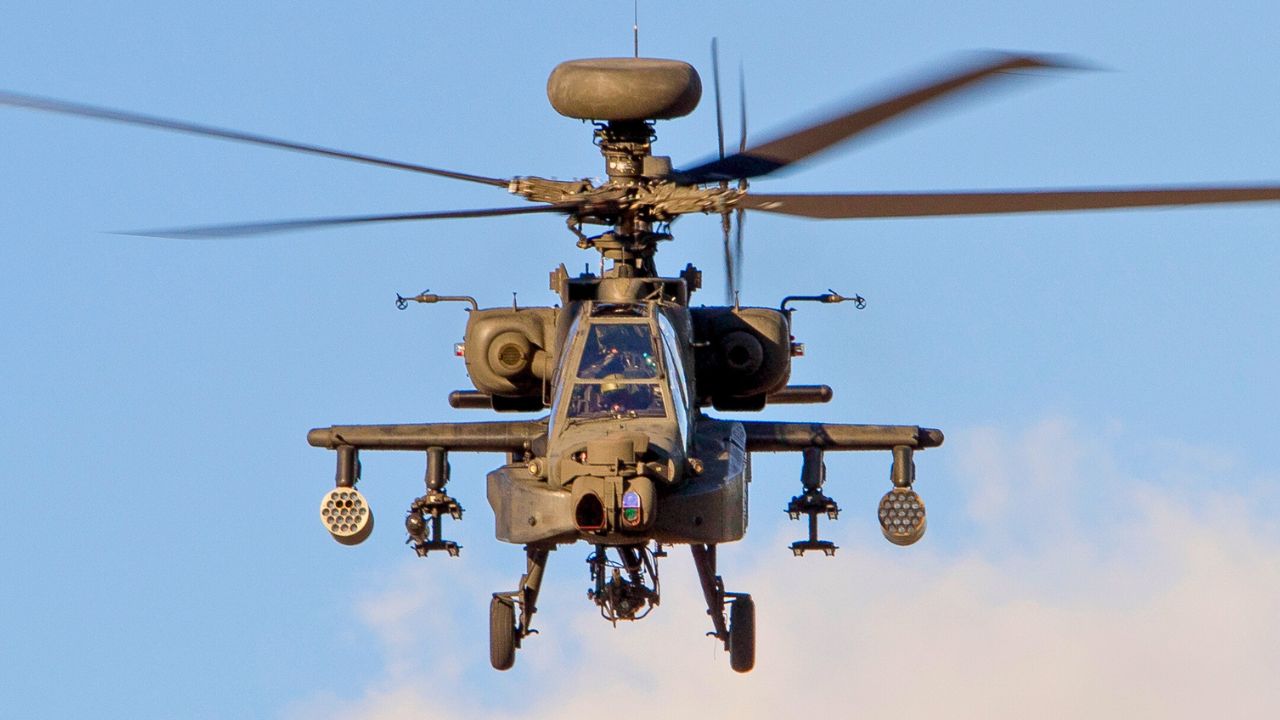
The AH-64 Apache is the Army’s go-to attack chopper, and it’s every bit as serious as it looks. Twin General Electric T700 turboshaft engines push it past 170 mph, and it packs a 30mm M230 chain gun plus Hellfire missiles.
It’s designed for low-altitude precision work, day or night. The tandem cockpit keeps the pilot and gunner in sync, with digital displays and infrared targeting. You don’t need to be in the air to respect it—this thing was built to get in, get the job done, and get out.
UH-60 Black Hawk
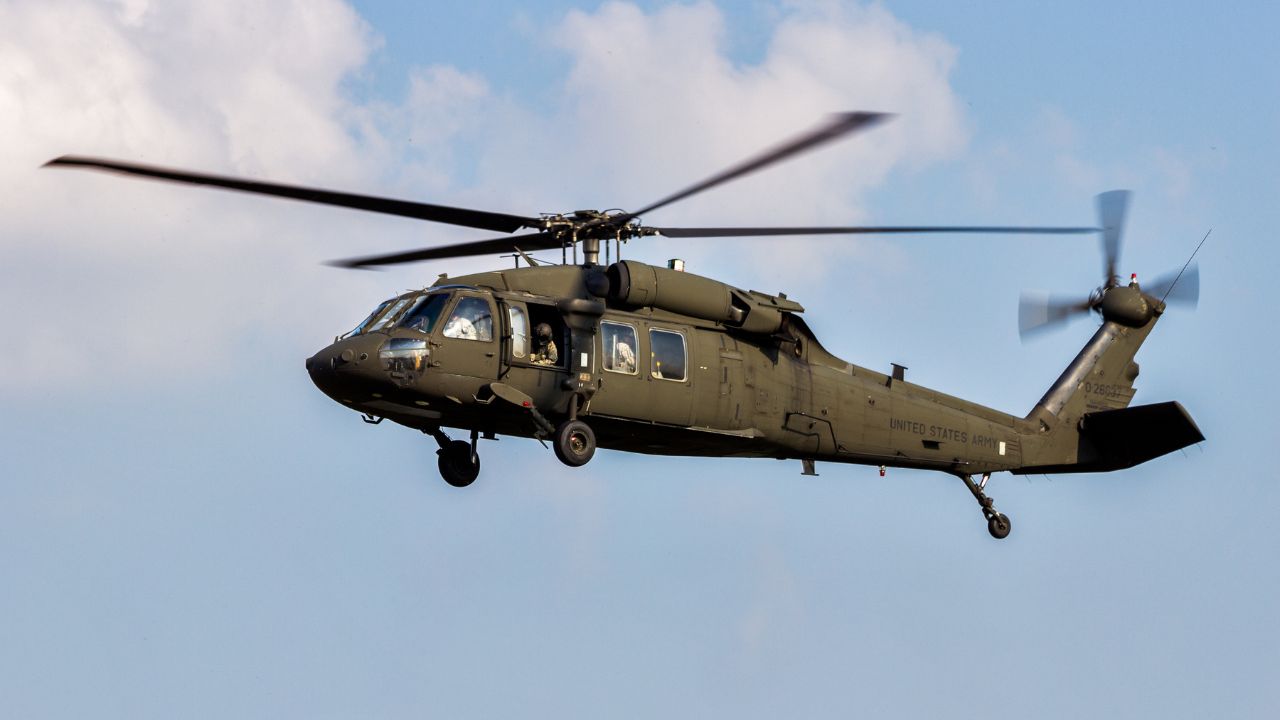
The UH-60 Black Hawk has been flying since 1979 and is still the Army’s utility backbone. Powered by twin GE T700 engines, it tops out around 183 mph with a max range just under 400 miles.
Inside, it holds up to 11 troops with a no-nonsense layout—everything is where it needs to be. The sliding doors, foldable seats, and rugged floor make it easy to configure for medevac, supply runs, or quick insertions. It’s not flashy, but it’s logged millions of miles and done just about everything.
CH-47 Chinook

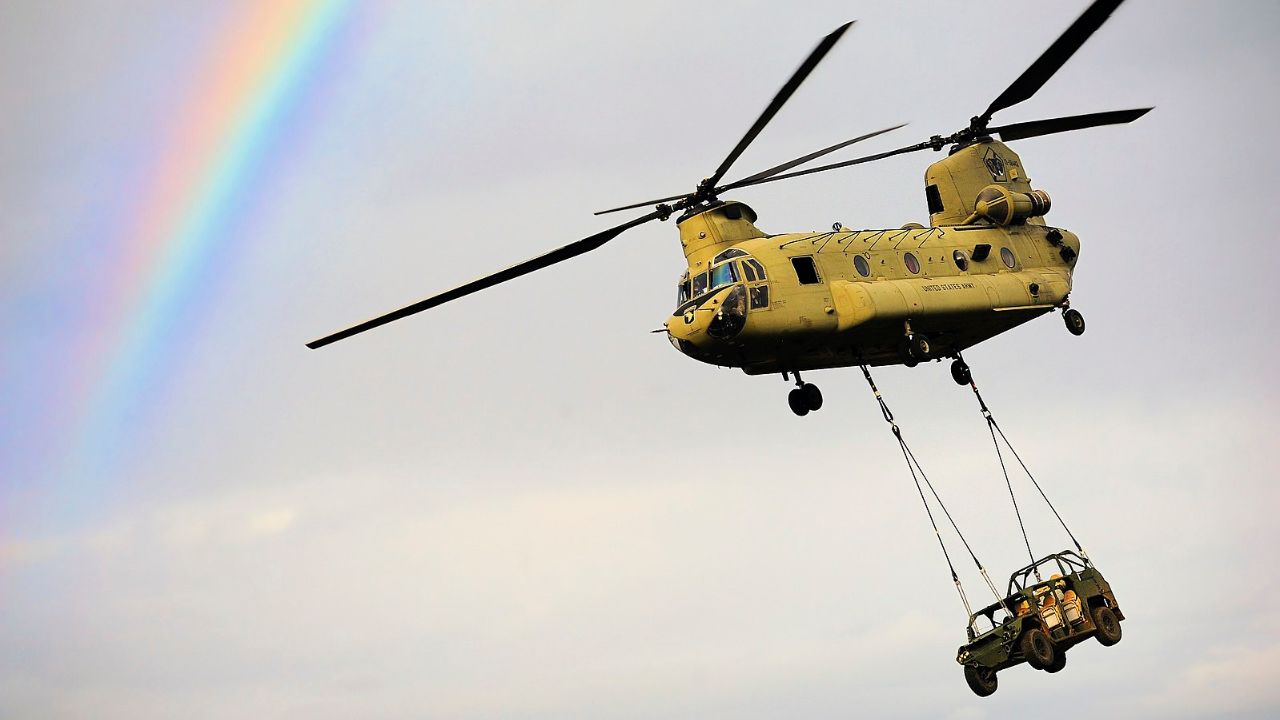
The CH-47 Chinook doesn’t need an intro if you’ve seen one lift a Humvee like it’s nothing. Dual counter-rotating rotors eliminate the tail rotor and give it serious lift capability—over 24,000 pounds.
It cruises around 180 mph, which is no slouch for a 50,000-pound machine. Inside, it’s all cargo—room for 33 troops or a handful of ATVs. The ramp in the back and huge internal bay make it one of the most versatile birds in service. If the Army needs it moved, this is what they send.
C-47 Skytrain

The C-47 Skytrain helped win WWII by flying supplies, dropping paratroopers, and doing whatever was needed. Based on the DC-3, it had two Pratt & Whitney R-1830 radial engines pushing it to about 230 mph.
It wasn’t pressurized or flashy, but it got the job done with a rugged frame and long range. Inside, the layout was spartan—just web seating and a wide-open fuselage for cargo or troops. These things landed on dirt strips, flew through flak, and kept going. Simple, durable, and mission-focused.
C-130 Hercules
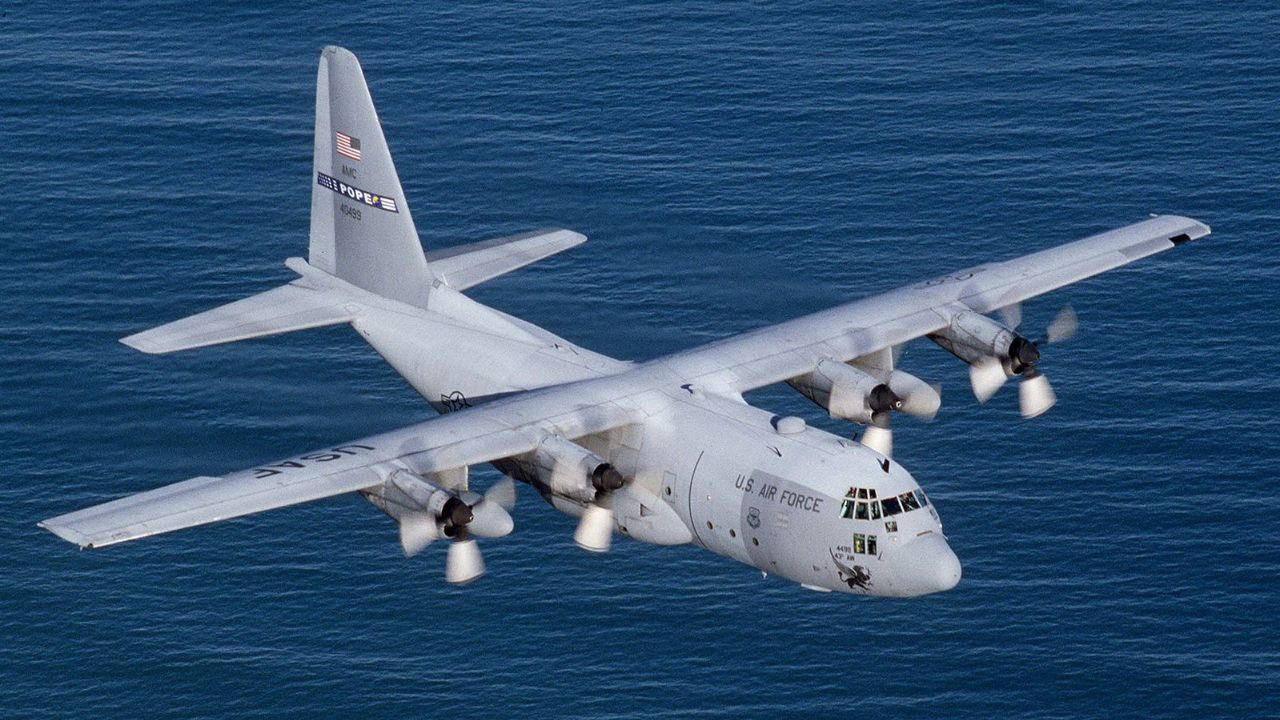
The C-130 Hercules is like a muscle truck with wings. Four turboprops, a top speed around 370 mph, and short takeoff capability on dirt runways. It’s been in constant use since the ‘50s—and it’s still flying missions today.
Inside, it’s pure function. A wide bay, rugged floor, and rear cargo ramp make loading and unloading fast. It can carry troops, vehicles, or pallets of gear. It’s been converted for everything from gunship duty to hurricane hunting. For a machine this big, it handles rough conditions without blinking.
AHC-1 Cobra
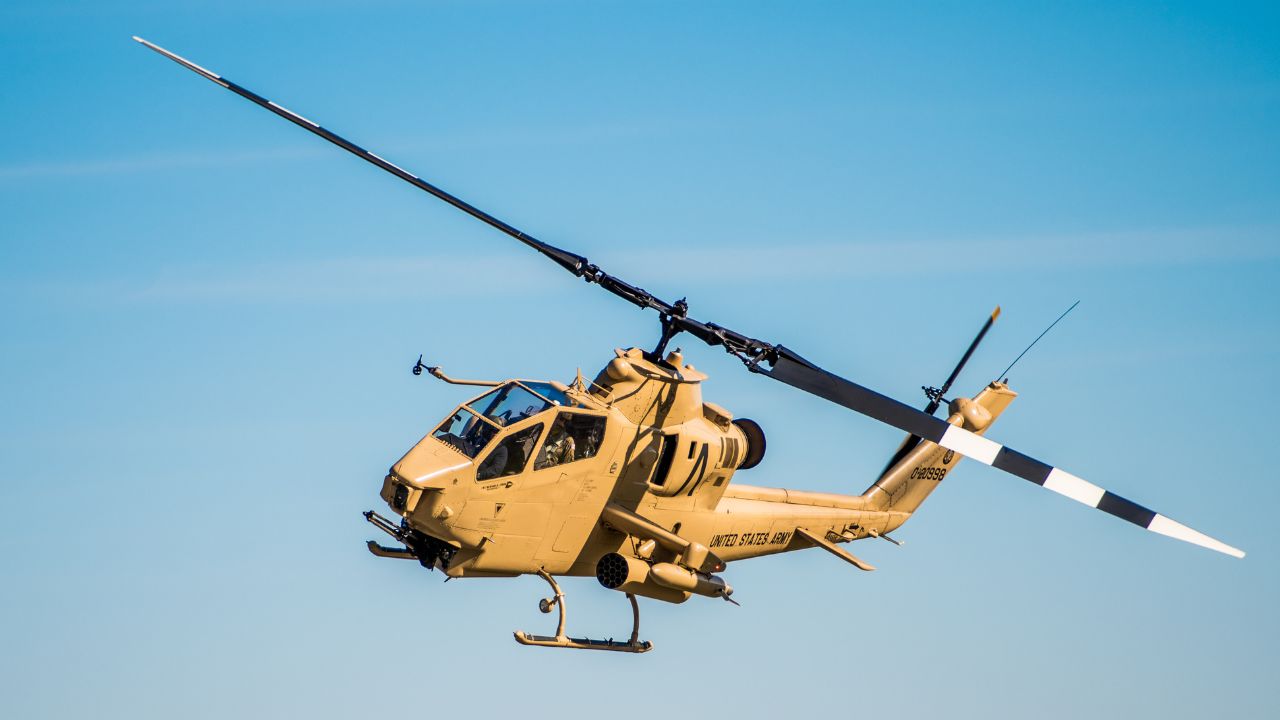
Before the Apache, there was the AH-1 Cobra. It was the Army’s first dedicated attack helicopter, built thin, fast, and aggressive. With a narrow fuselage and a 180 mph top speed, it brought speed and firepower to Vietnam in a way nothing else had.
Armed with a nose-mounted 20mm cannon and rocket pods on stub wings, it could hit hard and pull out quick. Tandem seating and bubble canopy gave pilots full visibility. It wasn’t armored like later models, but it brought maneuverability and striking power to a tight airspace.
OV-1 Mohawk
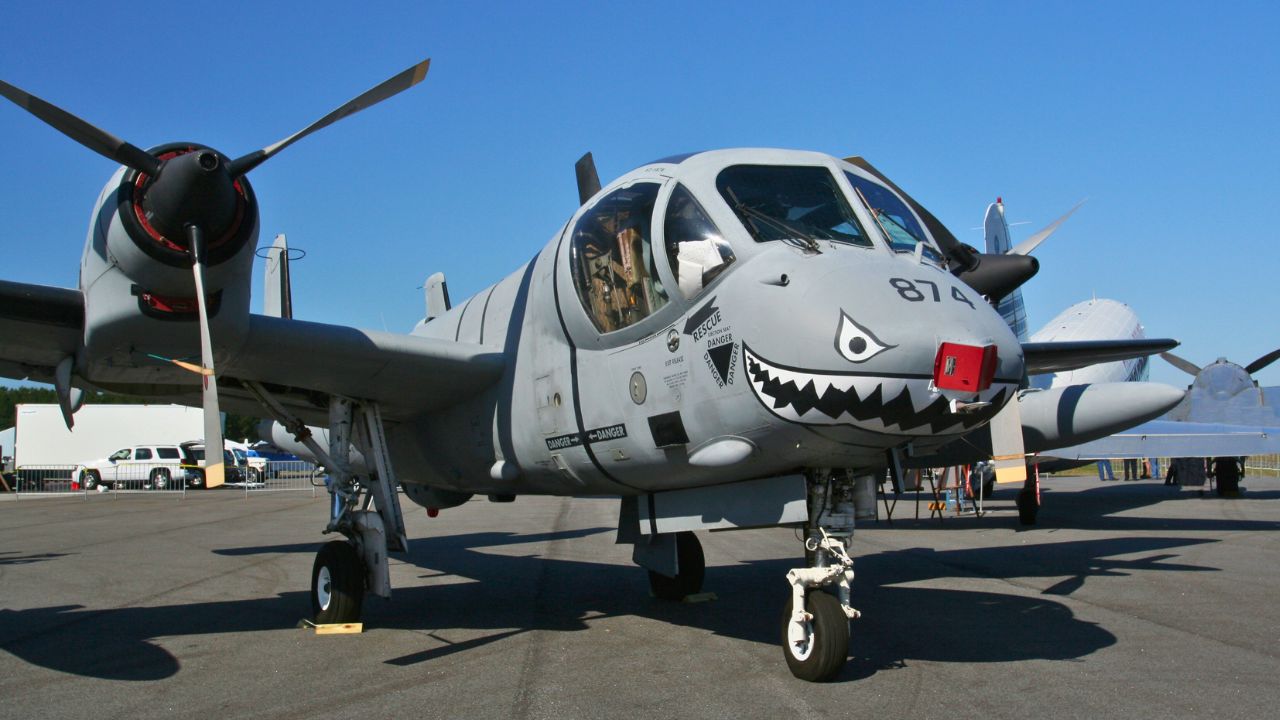
The OV-1 Mohawk was a twin-engine recon bird with short takeoff capability and a unique high-tail design. It cruised at around 215 mph, with side-looking radar and infrared sensors packed into its podded fuselage.
This wasn’t a combat platform—it was built for battlefield intelligence. Inside, the cockpit had room for a pilot and observer, both with excellent forward visibility. It could loiter low and slow over rough terrain, collecting images and data that helped shape ground decisions. Not flashy, but absolutely useful.
MQ-1C Gray Eagle
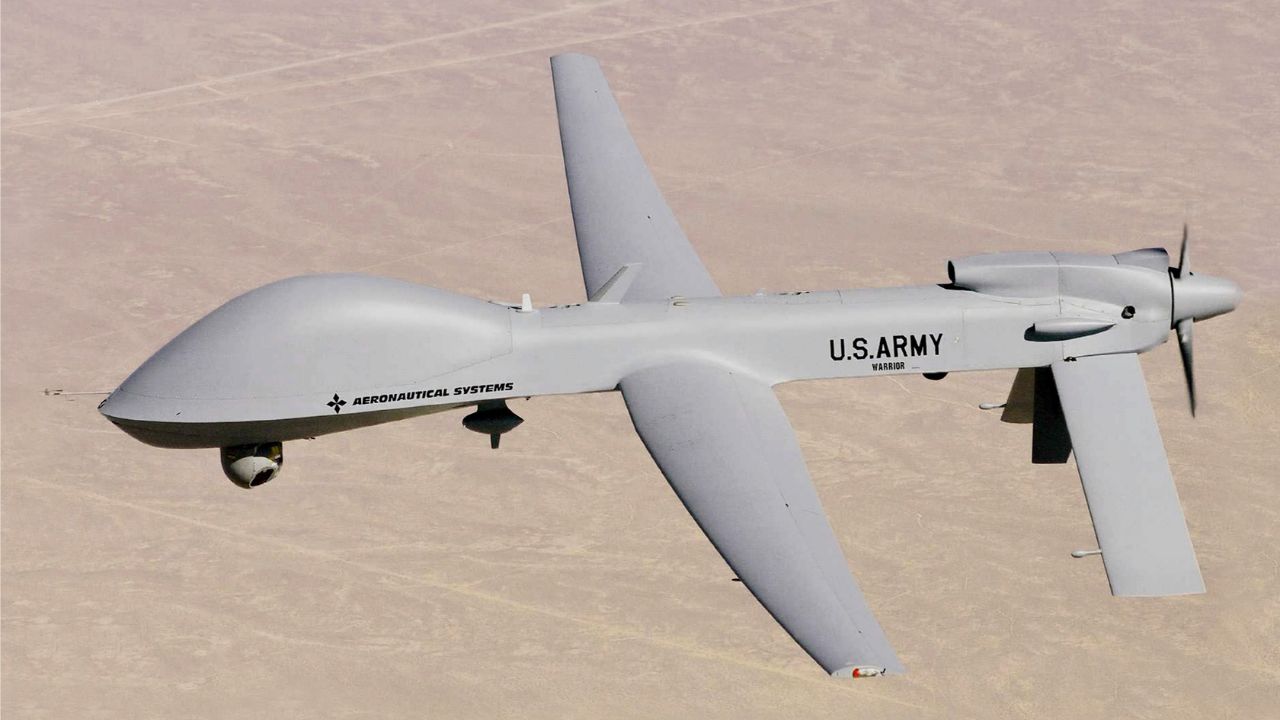
The MQ-1C Gray Eagle took the unmanned idea from the Air Force’s Predator and shaped it for Army missions. It’s not fast—max speed is around 167 mph—but it can stay in the air for over 25 hours.
Powered by a Thielert diesel engine, it burns jet fuel efficiently while carrying sensors and Hellfire missiles. Ground crews fly it via satellite link, with real-time data fed back to command. There’s no cockpit here—just a payload bay full of surveillance gear and a clean exterior designed for long, quiet missions.
RC-12 Guardrail
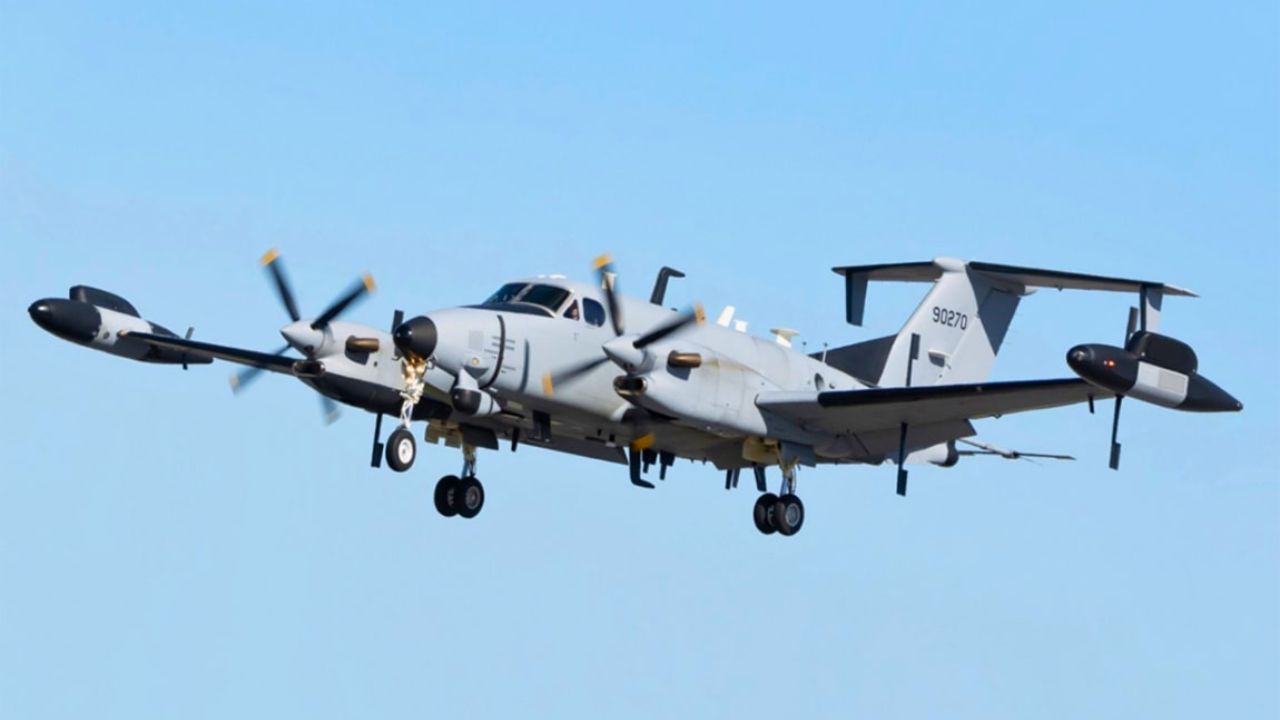
The RC-12 Guardrail is built for listening, not fighting. It’s a modified Beechcraft King Air loaded with electronic surveillance systems, often flying just outside combat zones to monitor enemy comms.
Twin turboprops push it over 300 mph, and it’s packed nose-to-tail with signal collection gear. The interior ditches passenger seating in favor of racks of electronics and an operator station. It’s quiet, light, and high-end in its own niche—part of a behind-the-scenes toolkit that keeps boots on the ground safer.
C-23 Sherpa
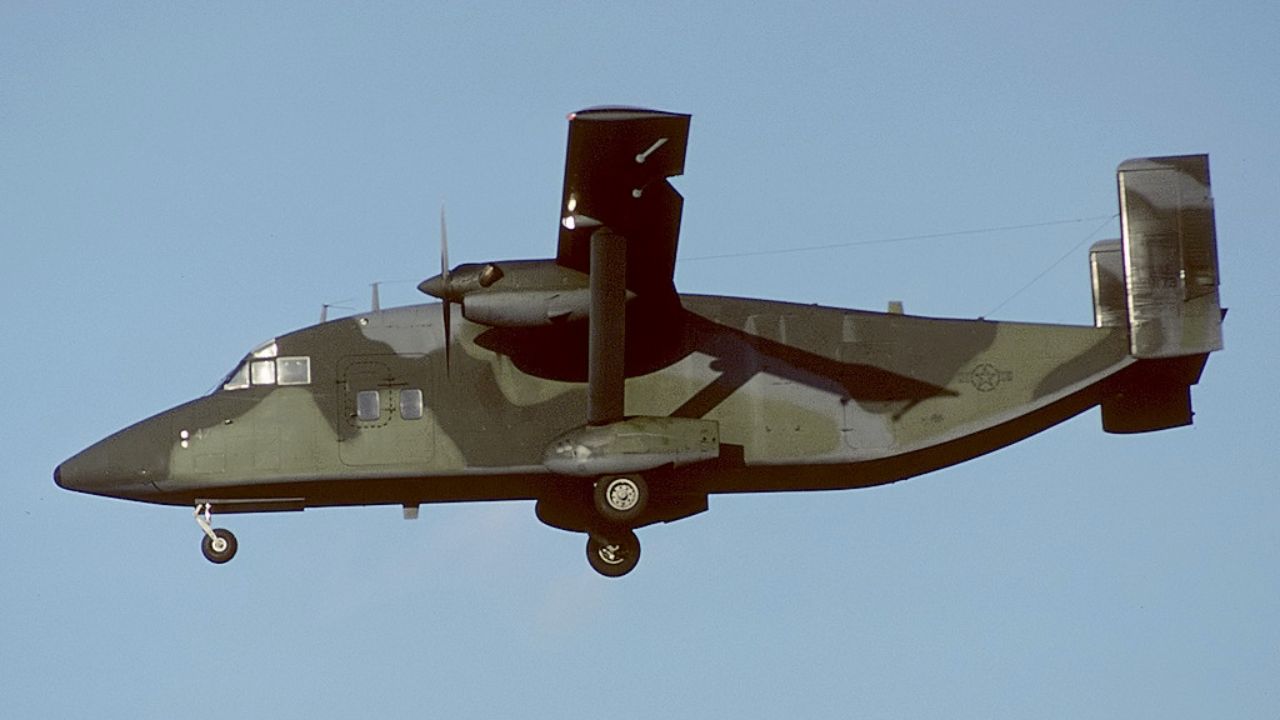
The C-23 Sherpa was all about short-haul logistics—basically an air van for the Army. With twin turboprops and a 230 mph top speed, it could get in and out of tight, unimproved strips with ease.
It had a straight, boxy fuselage and a cargo ramp that dropped like a garage door. Nothing elegant inside—just rails, tie-downs, and the space to haul gear and small vehicles. Its job wasn’t to be impressive—it was to be useful where runways were short and the clock was tight.
Like Fast Lane Only’s content? Be sure to follow us.
Here’s more from us:
*Created with AI assistance and editor review.