The United States is preparing to unload 172 million barrels of crude from its Strategic Petroleum Reserve in a dramatic bid to tame soaring energy prices and stabilize a market rattled by conflict. The move would represent one of the largest single draws from the stockpile since its creation, sharply reducing the buffer that has long underpinned America’s energy security.
Driven by a mix of geopolitics, domestic pressure, and international coordination, the decision signals how far Washington is willing to go to shield consumers and allies from a supply shock, even at the cost of thinning its own emergency defenses.
From strategic backstop to active weapon
President Trump has directed his administration to release 172 million barrels from the Strategic Petroleum Reserve, turning what was designed as a last-resort stockpile into an active policy tool to counter a price spike that has pushed oil to about $100 per barrel. Energy Secretary Chris Wright framed the plan as a necessary response to a crisis that has upended global flows and sent gasoline and diesel costs sharply higher for U.S. households and businesses.
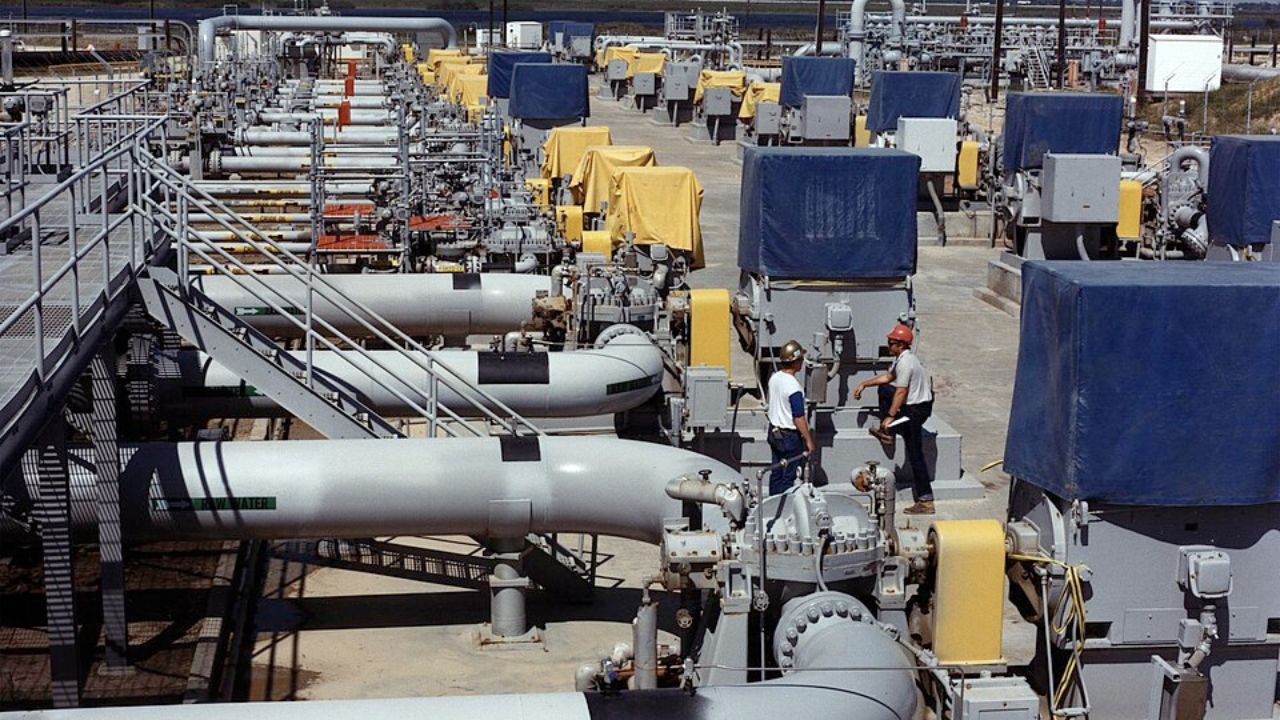
Under the plan, the United States will stage the release over several months, drawing from salt caverns along the Gulf Coast that currently hold the world’s largest government-controlled crude cache. Officials have portrayed the decision as consistent with long-standing statutory authority that allows the president to tap the reserve during severe supply disruptions or when a drawdown can significantly reduce the economic harm from high prices.
War, tankers on fire and a market on edge
The trigger for this intervention lies thousands of miles away, where conflict involving Israeli forces and Iran has spilled into key shipping lanes and rattled producers across the Persian Gulf. Video circulated earlier this week showed two oil tankers on fire in the Persian Gulf, forcing Iraq to suspend oil operations and heightening fears that a broader disruption could choke off supplies from one of the world’s most important export corridors. At the same time, U.S.-Israeli strikes on Iran have intensified concerns about retaliation against energy infrastructure, with traders bidding up crude contracts as they price in the risk of further attacks and shipping delays.
Market data cited by officials show oil now topping $100 per barrel, a level not seen in several years that quickly filters into higher prices for gasoline, jet fuel, and heating oil. President Trump has argued that the conflict and its spillover effects are the direct cause of the surge and has cast the reserve draw as a way to blunt what he describes as a war-driven shock to American consumers.
Coordinated push with global partners
The 172 m barrel release is not occurring in isolation but as part of a broader plan under the International Energy Agency for member countries to tap emergency reserves together. Under that initiative, participating governments are expected to contribute a combined 400 million barrels, with the U.S. share accounting for a large portion of the total. Officials involved in the talks describe the American contribution as both a signal of leadership and a recognition that the United States controls a disproportionate share of the world’s strategic stocks.
The Trump administration has presented the move as a way to reassure allies in Europe and Asia that supplies will remain available even if shipments from the Middle East are disrupted. Energy Secretary Chris Wright has said the plan reflects a balance between supporting partners and preserving enough domestic capacity to respond to future emergencies.
How much protection is left
Before the new drawdown, the Strategic Petroleum Reserve held enough crude to cover U.S. net imports for several months, a cushion that has steadily shrunk as domestic production has grown and as previous administrations sold off barrels to fund other priorities. Analysts estimate that removing 172 m barrels would cut the remaining stock by more than 40 percent, leaving the reserve at levels not seen since the early build-out period of the 1980s. The reduction has sparked concern among some lawmakers and former officials who argue that the reserve’s core mission is to guard against supply shocks, not to manage prices in response to market volatility.
Critics warn that a thinner reserve could leave the United States more vulnerable if a future crisis were to hit production in the Gulf of Mexico, disrupt imports from Canada or Mexico, or coincide with a major hurricane that shuts refineries along the Texas and Louisiana coasts. Supporters counter that the current shock is precisely the kind of event the reserve was designed to address, and that holding barrels in storage while consumers face $100 fuel undermines public confidence in the system.
Inside the administration’s calculus
President Trump has repeatedly linked his energy policy to a promise to protect America’s energy security by managing the Strategic Petroleum Reserve responsibly, and aides say the current plan flows from that pledge.
They argue that the United States, as the world’s largest producer of oil and gas, can afford to use its reserve more aggressively than in the past, especially if domestic output remains strong.
Officials also point to the political reality that sustained high gasoline prices can drag on consumer sentiment and broader economic growth, particularly in an election year when voters are acutely sensitive to costs at the pump.
Within the administration, Energy Secretary Chris Wright has emerged as a key advocate for the coordinated release, emphasizing that the IEA framework spreads the burden across multiple countries and reduces the strain on any single reserve.
Yet some internal voices have reportedly urged caution, pressing for clear criteria on when and how the government would begin refilling the reserve once prices moderate.
Market reaction and shipping risk
Traders initially greeted word of the planned draw with a pullback in futures prices, although the relief has been tempered by ongoing security concerns in the Persian Gulf. Shipping specialists have highlighted the tanker attacks and the fires at sea as a reminder that physical risks can overwhelm even large releases if conflict escalates or spreads to additional choke points. Coverage of the tanker incidents has shown dramatic images of burning vessels and emergency crews working to contain damage, underscoring how quickly a localized attack can ripple through global supply chains.
Port authorities in Iraq have already moved to suspend some oil operations as a precaution, a step that removes cargoes from the market and adds to the sense of fragility. Analysts at major trading houses say the combined effect of the U.S. release and the broader IEA plan should cap prices in the near term, but they caution that any further escalation involving Iran or Israeli forces could erase those gains.
Domestic politics and consumer stakes
At home, the decision lands in a polarized environment where energy prices are both an economic and cultural flashpoint. Republican allies of President Trump have largely praised the move as a muscular use of American resources to shield families from a conflict they did not choose. Some Democrats and budget hawks, however, have questioned whether the administration is sacrificing long-term resilience for short-term relief, particularly after earlier sales from the reserve were used to help pay for unrelated spending.
For consumers, the immediate question is whether the 172 m barrel draw will translate into lower prices at the pump and for home heating, and if so, how quickly. Industry experts say the impact should begin to appear within weeks as additional crude flows into refineries and global benchmarks adjust, although regional factors like refinery outages and transportation bottlenecks will still shape local prices.
What comes after the drawdown
Beyond the immediate crisis, the decision raises longer-term questions about how the United States thinks about strategic energy security in an era of abundant shale production and accelerating climate policy.
Some policymakers argue that as electric vehicles gain market share and efficiency standards tighten, the country might eventually need a smaller crude reserve and a greater focus on resilience in the power grid and critical minerals supply chains.
More from Fast Lane Only