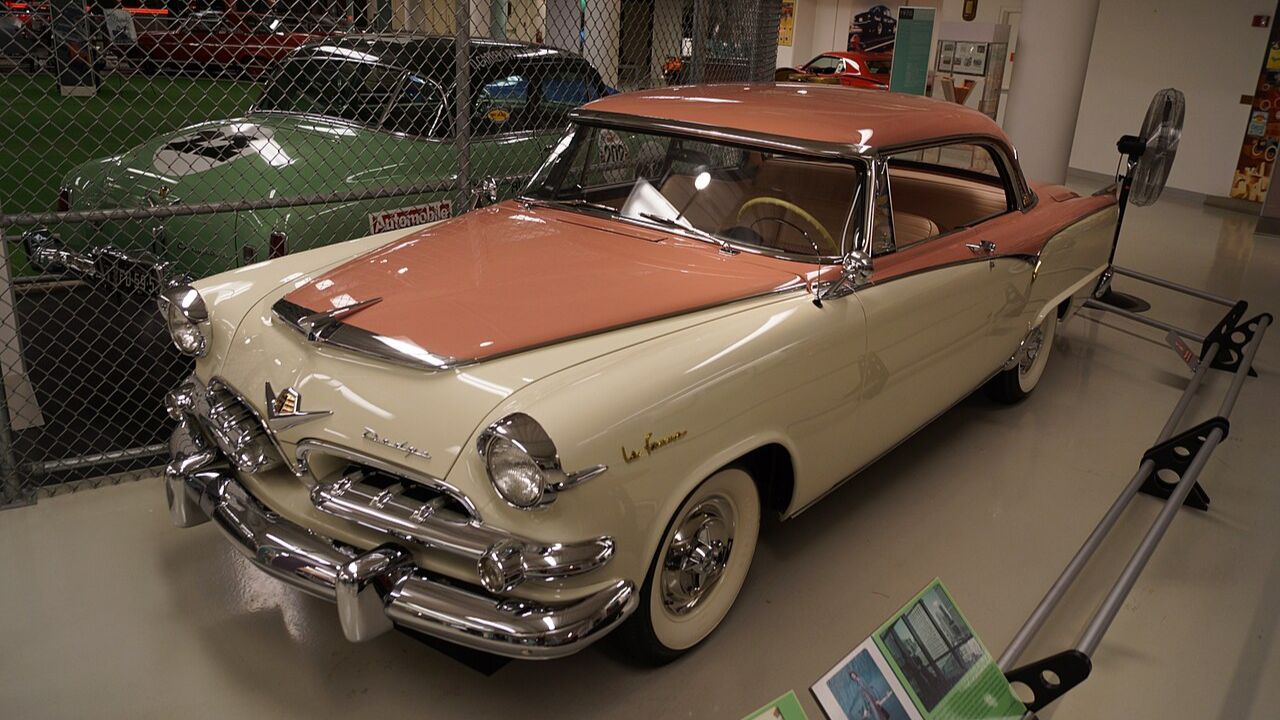
In the chrome-laden landscape of 1950s American automobiles, the 1955 Dodge La Femme stands out—not for its horsepower or tailfins, but for its unapologetically feminine focus. Marketed specifically to women and adorned with pink-and-rose trim, matching accessories, and even a built-in purse, the La Femme was Chrysler’s bold—and bizarre—attempt to tap into a new kind of car buyer. While it never found commercial success, it became a cultural curiosity and a symbol of a moment when automakers tried to define femininity through sheet metal and fabric. Equal parts novelty and social commentary, the La Femme remains one of the strangest icons of mid-century motoring.
Unique Target Audience
In the mid-1950s, the automotive industry was experiencing a pivotal shift, and Dodge seized this moment by introducing the La Femme. This vehicle was specifically targeted at women, a demographic largely overlooked by car manufacturers at the time. By tailoring the car to appeal to female consumers, Dodge attempted to carve out a niche in a male-dominated market. The La Femme was not just a car; it was a statement that women were becoming an influential consumer group.
The La Femme’s marketing strategy was built around the idea of a vehicle designed for the modern woman. This was a bold move, as it challenged traditional gender roles and expectations. The car symbolized a growing recognition of women’s independence and buying power in the post-war era.
Distinctive Color Scheme
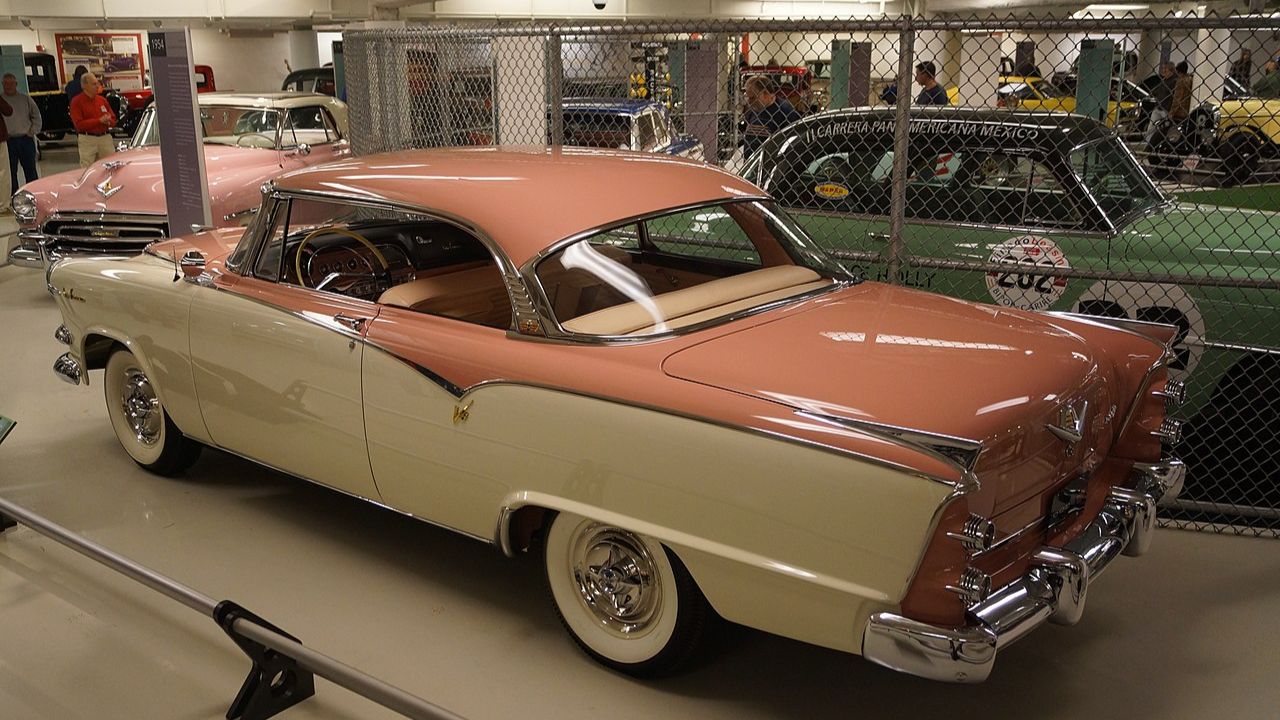
The Dodge La Femme was renowned for its unique color scheme, which set it apart from other vehicles of its time. The car featured a special two-tone paint job that combined “Sapphire White” and “Heather Rose” colors. This distinctive color combination was chosen to appeal to feminine tastes and reflected the era’s fashion trends.
This attention to aesthetics wasn’t just skin-deep. The interior of the car also mirrored the exterior’s color scheme, creating a cohesive and stylish look. The vibrant colors were intended to make the vehicle stand out and attract the attention of female drivers who valued both practicality and style.
Specialized Interior Features
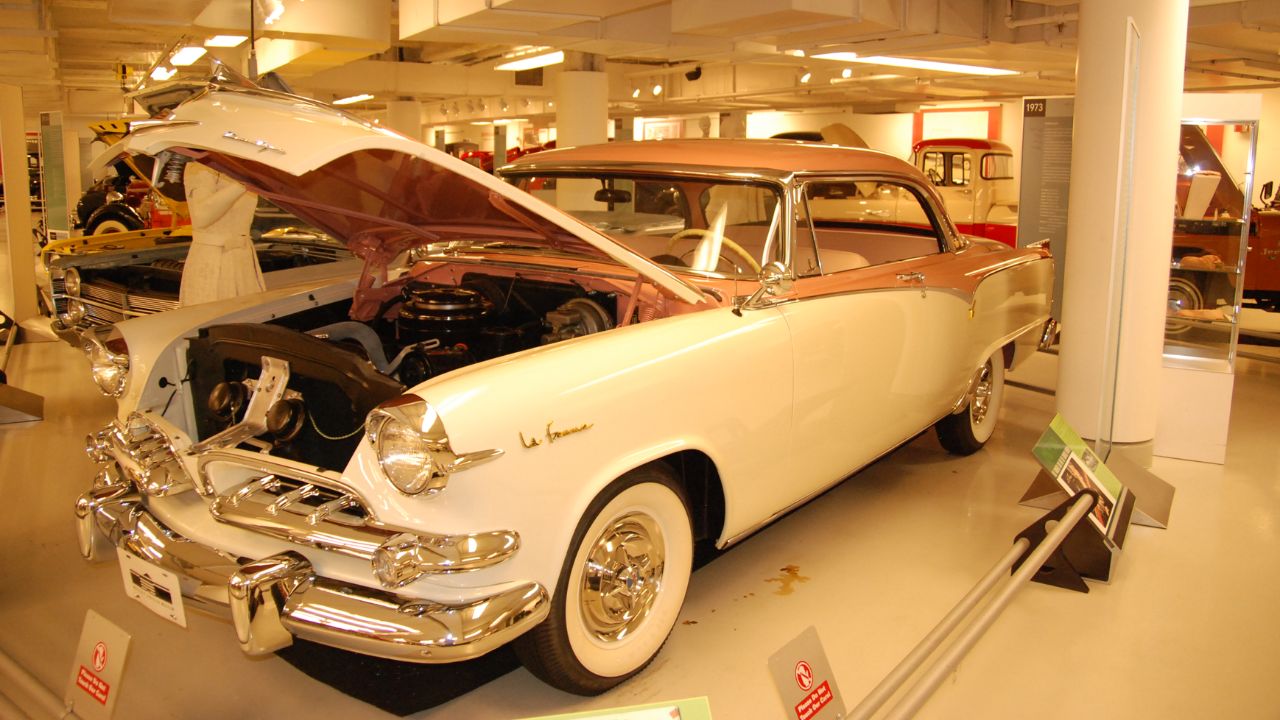
Inside the La Femme, the attention to detail was evident in the specialized interior features tailored for women. The car’s seats and door panels were adorned with rosebud tapestry fabric, creating an elegant and feminine atmosphere. This touch of luxury was designed to make women feel special and catered to.
Additionally, the dashboard and steering wheel were designed with a softer aesthetic to complement the car’s overall theme. Dodge’s approach to the interior design of the La Femme highlighted the importance of comfort and style, aiming to enhance the driving experience for women.
Exclusive Accessories
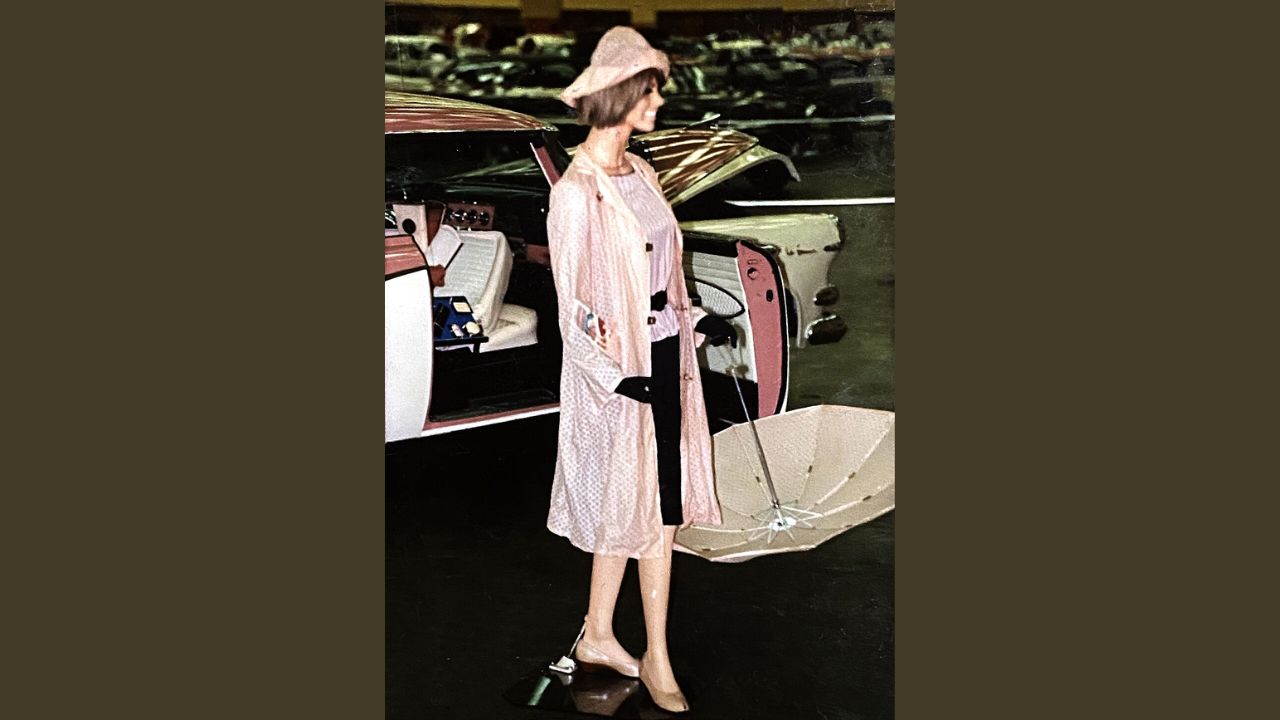
The Dodge La Femme came with a range of exclusive accessories that were innovative for its time. These included a matching raincoat, umbrella, and handbag, all designed to coordinate with the car’s color scheme. These accessories were stored in special compartments, ensuring they were always within reach.
This unique offering highlighted Dodge’s commitment to creating a complete package for the female driver. By providing these accessories, Dodge aimed to make driving the La Femme a holistic and stylish experience, where practicality met elegance.
Limited Production Run
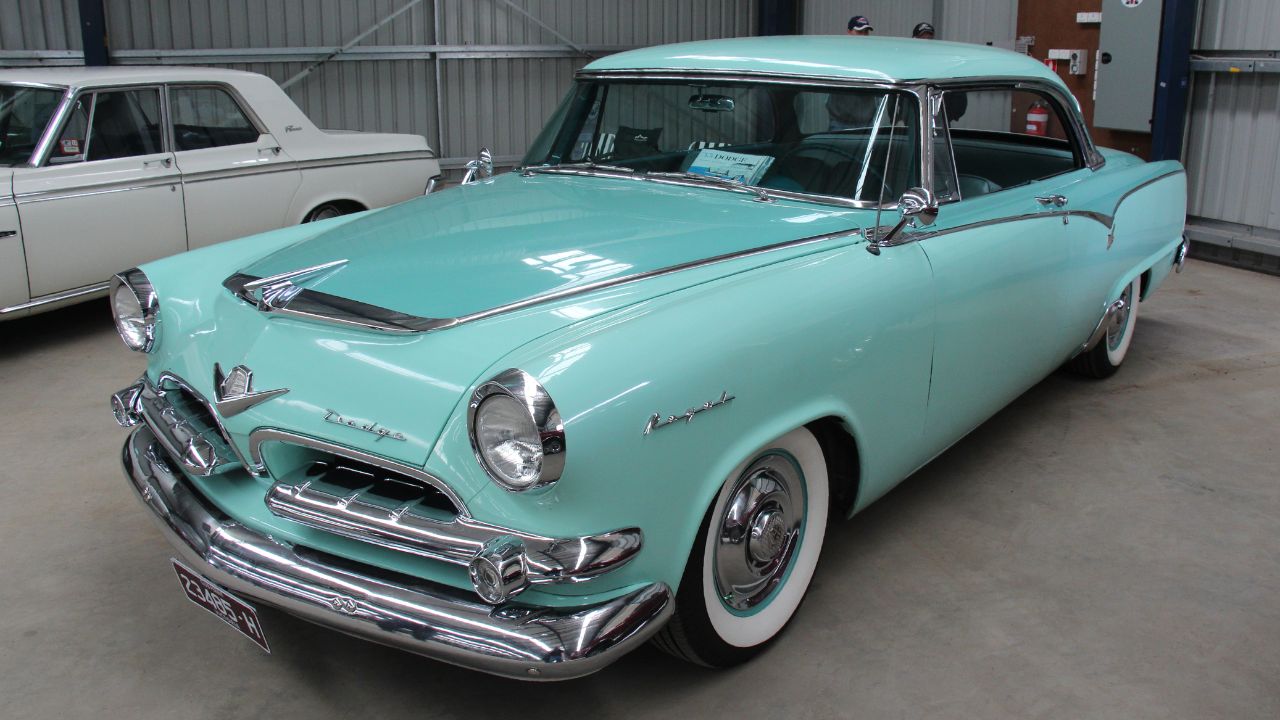
The La Femme was produced in limited numbers, with only a few thousand units manufactured over its two-year run from 1955 to 1956. This limited production was due, in part, to the niche market it targeted. Despite its innovative approach, the car struggled to gain widespread popularity.
The limited production run has contributed to the La Femme’s status as a rare and intriguing piece of automotive history. Today, the car is considered a collector’s item, with enthusiasts eager to own a piece of this unique automotive experiment.
Marketing Strategy
Dodge’s marketing strategy for the La Femme was groundbreaking. The company invested in advertisements that highlighted the car’s unique features, focusing on its appeal to women. This strategy was a departure from the typical advertising campaigns of the era, which predominantly targeted male consumers.
The La Femme’s marketing emphasized the car as a symbol of modern femininity and independence. By doing so, Dodge sought to align the car with the changing societal roles of women. The vehicle represented more than transportation; it was a lifestyle choice for the progressive woman of the 1950s.
Cultural Reflection
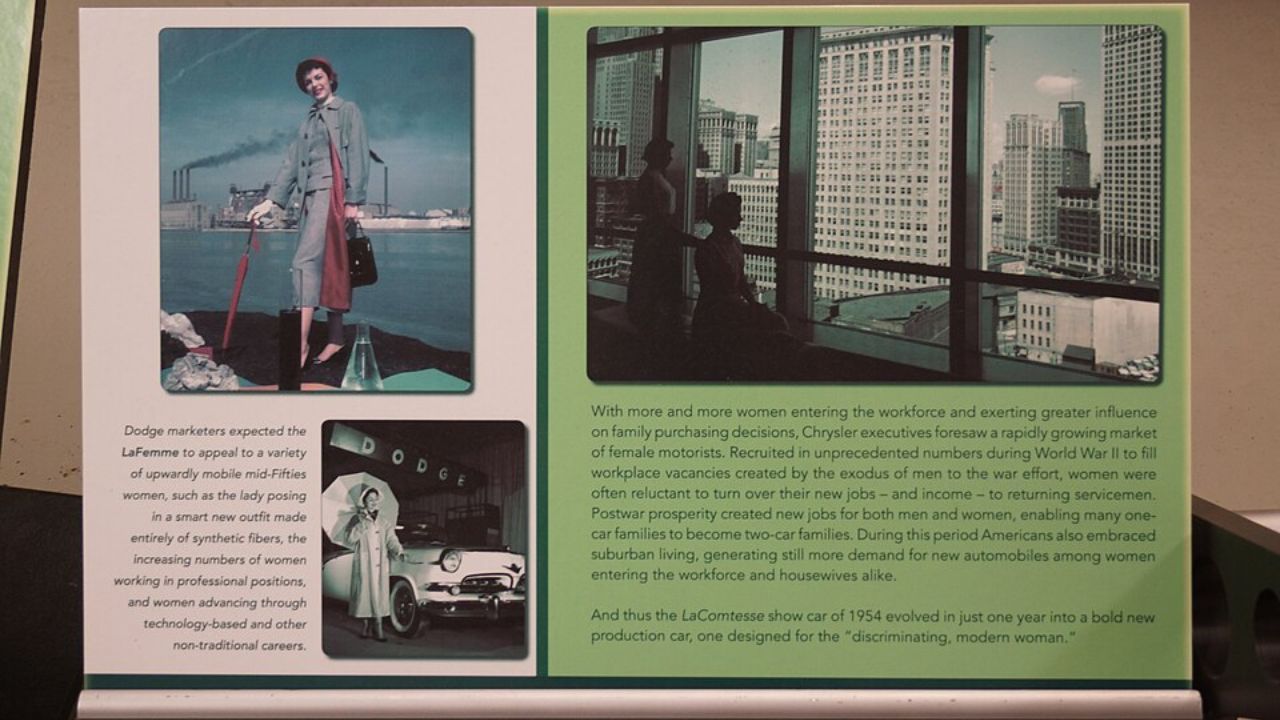
The Dodge La Femme was a reflection of the cultural shifts occurring in the 1950s. As women began to assert their independence and influence, the car stood as an emblem of the changing times. It signaled a recognition of women’s evolving roles in society and their increasing importance as consumers.
The La Femme captured the essence of a decade marked by transformation and growth. It was a product of its time, embodying both the hopes and challenges faced by women as they navigated a rapidly changing world.
Legacy and Collector Appeal
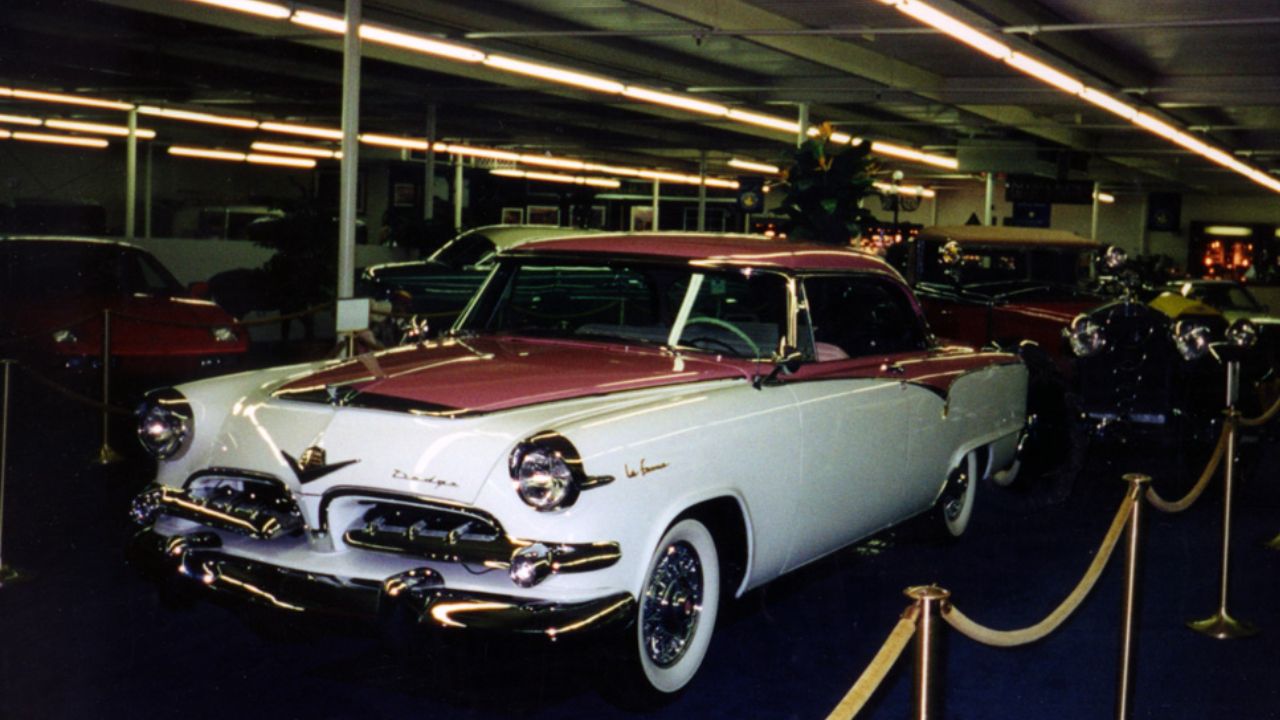
Despite its short-lived production, the Dodge La Femme has left a lasting legacy in the automotive world. The car’s unique concept and design have made it a sought-after collector’s item. Enthusiasts appreciate the La Femme not only for its rarity but also for its historical significance.
Today, the La Femme is celebrated as a quirky yet important chapter in automotive history. Its legacy continues to intrigue car collectors and historians alike, serving as a reminder of a time when the industry began to recognize and embrace the female driver.
Like Fast Lane Only’s content? Be sure to follow us.
Here’s more from us:
*Created with AI assistance and editor review.