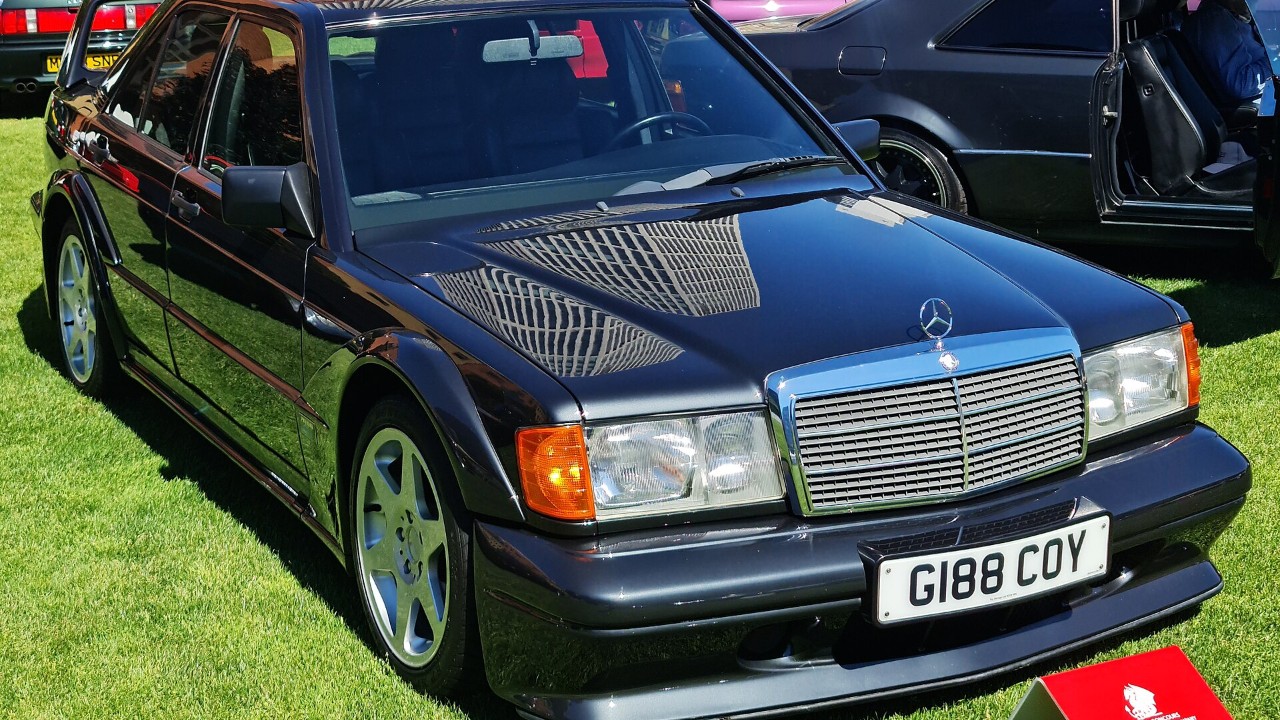
The 1969 Camaro Z/28 was engineered as a focused road racer, not just a stylish muscle coupe. Its standout performance came from a carefully balanced package of engine, chassis, gearing, and brakes that was tuned for competition rather than boulevard cruising.
That balance helped the Z/28 deliver sharp handling, high rev power, and race ready durability that set it apart from many larger engine rivals. The car was shaped by Trans Am rules, so every major component was chosen with lap times in mind instead of raw straight line bragging rights.
Trans Am roots and the 302 small block
The Z/28 package was created around the Sports Car Club of America Trans Am series, which capped displacement at 5.0 liters. Chevrolet engineers responded with a 302 cubic inch small block that combined a 4.00 inch bore with a 3.00 inch stroke, creating an engine that loved high rpm operation. This short stroke layout allowed the V8 to spin freely, which gave the car a very different character from big block muscle machines that relied on low end torque.
Officially, the 302 was rated at 290 horsepower, but that figure was widely regarded as conservative for insurance and class reasons. Period testing and later dyno work have indicated that real output was higher at the 6,000 rpm rating point, with even more power available closer to the 7,000 rpm redline, as documented in detailed Z/28 engine analyses. The engine used solid lifters, a high lift camshaft, and high flow cylinder heads, which were all chosen to support sustained high speed running in competition.
High rev hardware and race focused options
Performance hardware was not limited to the basic 302 block and heads. A dual plane aluminum intake manifold and a large Holley four barrel carburetor were fitted to improve breathing at high rpm. Many cars were ordered with the optional cowl induction hood, which fed cooler high pressure air from the base of the windshield into the carburetor at speed. That system improved mixture density and helped maintain power during long high speed runs, as described in period Camaro performance reports.
Buyers could also specify heavy duty cooling, transistorized ignition, and deep groove pulleys to keep belts in place at sustained high rpm. These details were not cosmetic upgrades, but were instead chosen to survive the demands of road racing and aggressive street use. Documentation of factory build sheets and option codes has shown how frequently these components were combined on genuine Z/28 cars, reinforcing the package’s competition intent in surviving factory specification records.
Close ratio gearing and aggressive axle choices
The Z/28’s standout character was shaped as much by its gearing as by its engine. A close ratio Muncie four speed manual transmission was standard, with gear spacing chosen to keep the 302 in its power band during acceleration. First gear was relatively tall compared with some muscle cars, which reduced wheelspin and allowed the engine to stay on the cam as speeds climbed. This transmission choice has been detailed in surviving drivetrain documentation that lists the specific Muncie codes used on Z/28 models.
Rear axle ratios were equally aggressive, with many cars equipped from the factory with 3.73:1 or 4.10:1 gears. Those ratios sacrificed relaxed highway cruising for rapid acceleration and strong pull out of corners, which suited both street performance and Trans Am style track use. Optional Positraction limited slip differentials were widely ordered, improving traction when both rear tires were loaded under power. Period road tests cited in later archived evaluations highlighted how the gearing allowed the 302 to stay near its sweet spot during hard driving.
Chassis tuning, brakes, and real world handling
Handling was treated as a core priority, not an afterthought. The Z/28 package included a special suspension with higher rate springs, heavy duty shocks, and larger diameter anti roll bars compared with base Camaros. Ride height was slightly lower, which reduced body roll and improved turn in response. These changes were documented in factory option sheets and later summarized in detailed suspension breakdowns that compare Z/28 components with other Camaro trims.
Braking hardware was upgraded to match the chassis and engine. Front disc brakes were standard on the Z/28, using larger rotors and calipers than the drum setups found on many contemporary muscle cars. Power assist was available, but even manual disc systems provided strong, fade resistant stopping on track. Surviving test data and restoration guides have noted that the combination of firm pedal feel and predictable modulation gave drivers confidence during repeated hard stops, as reflected in later buyer’s guides that emphasize the importance of correct brake components on authentic cars.
Weight balance, tires, and everyday drivability
Compared with big block Camaros, the Z/28 benefited from a lighter engine over the front axle. The small block 302 reduced nose weight, which improved turn in and mid corner balance. That weight distribution advantage helped the car feel more agile on winding roads and road courses, a trait that has been repeatedly highlighted in retrospective handling reviews. The lighter front end also reduced understeer, allowing skilled drivers to rotate the car with throttle inputs.
Factory tires were relatively narrow by modern standards, but were competitive for the era. Many Z/28 models were delivered with performance oriented bias ply tires mounted on 15 inch Rally or optional five spoke wheels. Those tires provided adequate grip while still allowing progressive breakaway, which made the car communicative at the limit. Contemporary road tests, later compiled in archived comparisons, noted that the Z/28 could be driven hard on public roads without feeling unruly, provided the driver respected the high rev nature of the engine and the period tire technology.
Visual cues, interior details, and homologation purpose
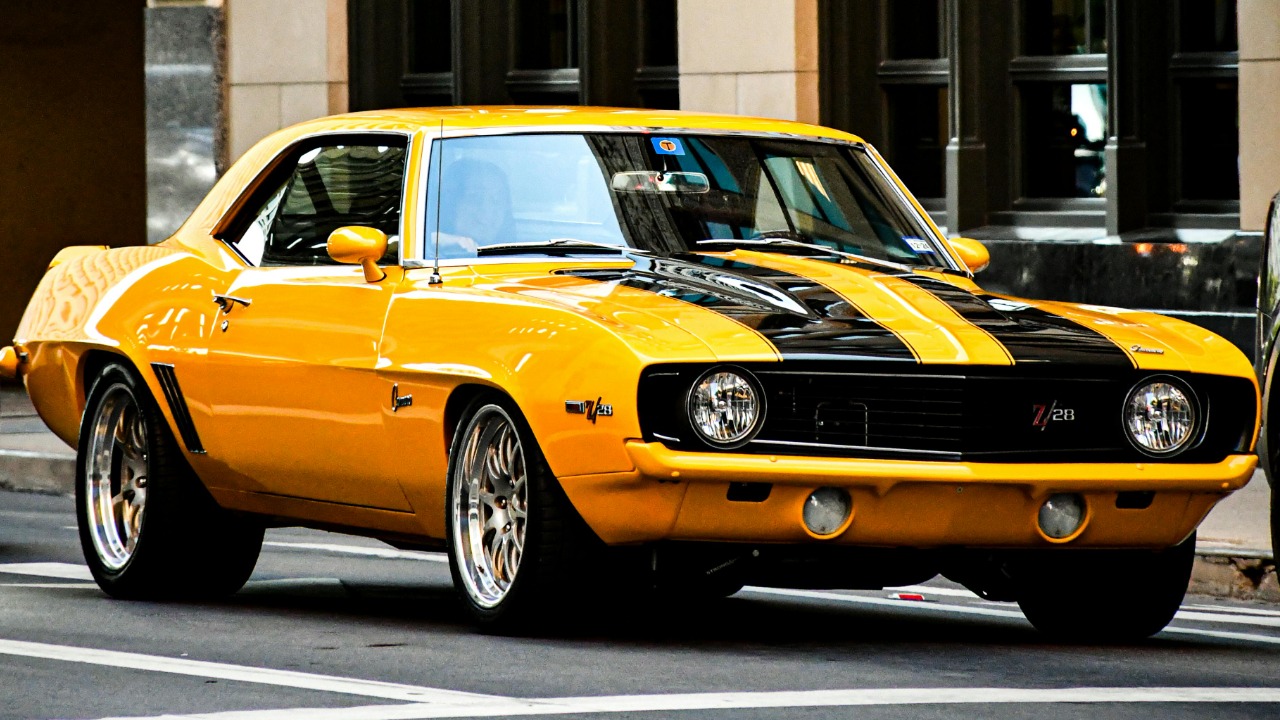
Styling details reinforced the performance mission without overwhelming the basic Camaro shape. Many Z/28 cars featured bold stripes on the hood and decklid, along with model specific badging on the grille and fenders. A functional front spoiler and optional rear deck spoiler improved high speed stability, as later wind tunnel and track evaluations have confirmed in aero focused writeups. These cues signaled the car’s intent while still keeping the overall design relatively clean.
Inside, the Z/28 remained closer to a standard Camaro than to a stripped race car, but key options supported serious driving. A full gauge package with tachometer and auxiliary instruments was widely specified, giving drivers better information during spirited use. Bucket seats, a three spoke steering wheel, and a Hurst shifter created a purposeful cockpit without sacrificing basic comfort. The car’s dual role as both a homologation special and a street machine has been emphasized in later historical overviews, which note that enough units had to be sold to qualify the model for Trans Am competition.
Legacy, collectability, and lasting performance reputation
The 1969 Z/28 has been regarded as one of the most balanced American performance cars of its era. Its combination of a high rev small block, close ratio manual transmission, and tuned suspension created a package that rewarded skilled drivers on both road and track. Later generations of enthusiasts and historians have consistently ranked it among the standout first generation Camaros, as reflected in numerous collector guides that track values and originality concerns.
Collectability has been driven by both performance credentials and relative rarity compared with mass market V8 Camaros. Authentic cars with correct drivetrains, documentation, and original performance options have commanded strong prices in the enthusiast market. That demand has encouraged detailed research into factory codes, build sheets, and component markings, which has further clarified how the Z/28 differed mechanically from other trims. Through that documentation, the model’s reputation as a purpose built, competition influenced performer has been reinforced in modern registry data and expert analyses.