The 1968 Dodge Charger R/T has cemented its place as a legendary muscle car, thanks to its bold design, powerful performance, and cultural significance. Delving into the unique characteristics and historical impact, the ’68 Charger R/T stands as an enduring icon in the automotive world.
HISTORIC DESIGN AND ENGINEERING
Image Credit: Bull-Doser – Public domain/Wiki Commons
Bold Aesthetic Design
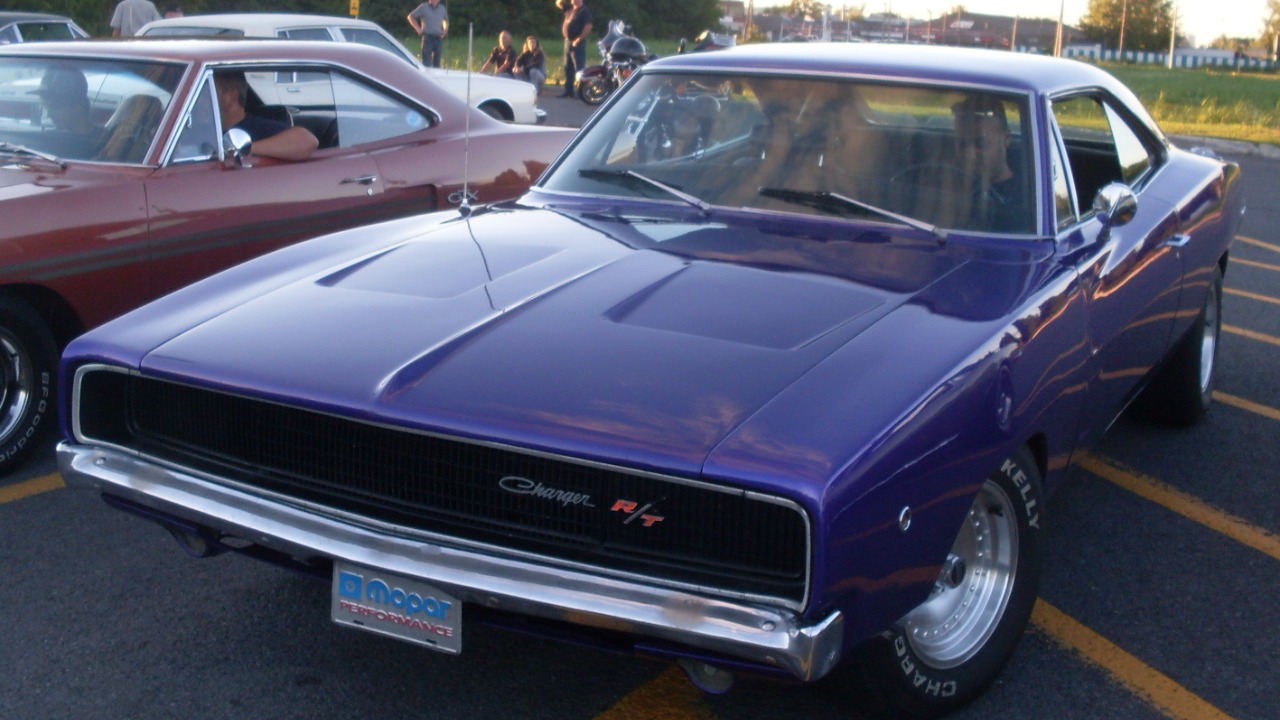
The 1968 Dodge Charger R/T is renowned for its distinctive coke-bottle styling and hidden headlights, which marked a sharp departure from previous designs. This model showcased a long hood, short deck, and a unique grille, creating an aggressive stance that captivated car enthusiasts. The sleek lines and muscular contours of the Charger gave it an unmatched visual appeal that continues to be celebrated today.
Its aesthetic impact was profound, influencing the direction of muscle car design for years to come. The Charger’s bold look resonated with a generation seeking power and style, cementing its status as a true icon. To explore more about its unique design, check out this in-depth analysis.
Innovative Engineering Features
The introduction of the R/T (Road/Track) package in the 1968 Charger brought performance-focused enhancements that set it apart from its contemporaries. The R/T package included heavy-duty suspension, improved brakes, and dual exhausts, all aimed at maximizing the car’s road and track capabilities. These features made the Charger R/T not just a powerful machine but also a versatile performer.
Under the hood, the Charger R/T offered the formidable 440 Magnum V8 engine and the legendary 426 Hemi, both of which delivered exceptional power. These engines became synonymous with high performance, offering exhilarating horsepower and torque that thrilled driving enthusiasts. Learn more about these engineering marvels in this detailed engineering study.
PERFORMANCE AND SPECIFICATIONS
Image Credit: Greg Gjerdingen from Willmar, USA – CC BY 2.0/Wiki Commons
Engine Power and Capabilities
The performance metrics of the 1968 Charger R/T set new standards in the muscle car segment. With the 440 Magnum V8 producing 375 horsepower and the 426 Hemi reaching up to 425 horsepower, the Charger R/T delivered impressive acceleration and top speed. These figures underscored the car’s ability to dominate both highways and racetracks, making it a favorite among speed enthusiasts.
The R/T’s remarkable acceleration and speed capabilities were crucial in defining its reputation as a high-performance vehicle. At a time when muscle cars were gaining popularity, the Charger R/T distinguished itself with raw power and engineering excellence, leaving a lasting impact on the industry.
Handling and Ride Quality
Beyond sheer power, the 1968 Charger R/T excelled in handling and ride quality, thanks to its advanced suspension and braking systems. The torsion bar front suspension and multi-leaf rear springs provided a balanced ride, allowing drivers to handle sharp corners with confidence. The addition of power-assisted brakes further enhanced control, making the Charger R/T a well-rounded performer.
Compared to its contemporaries, the Charger R/T offered superior ride comfort and stability, setting a benchmark in the late 1960s muscle car scene. Its ability to combine speed with smooth handling made it a standout choice for those seeking both excitement and comfort.
CULTURAL IMPACT AND POPULARITY
Image Credit: Greg Gjerdingen from Willmar, USA – CC BY 2.0/Wiki Commons
Role in Film and Television
The 1968 Charger R/T’s appearances in film and television have significantly contributed to its legendary status. Iconic movies like “Bullitt” and shows such as “The Dukes of Hazzard” featured the Charger in thrilling car chases and stunts, cementing its image as a quintessential muscle car. These media portrayals helped elevate the Charger R/T to a global audience, fostering a sense of excitement and admiration.
Through these appearances, the Charger R/T became more than just a car; it became a cultural symbol of power and rebellion. To explore its role in popular media, check out this list of famous Charger appearances.
Influence on Car Culture
The 1968 Charger R/T has played a pivotal role in shaping muscle car culture, influencing future designs and inspiring a dedicated fan base. Its combination of style, performance, and media presence resonated with car enthusiasts, setting trends that continue to influence the automotive industry. The community surrounding the Charger R/T remains active, celebrating the car through events, clubs, and online forums.
This strong community support has helped preserve the Charger R/T’s legacy, ensuring its place in automotive history. Enthusiasts continue to draw inspiration from its design and performance, influencing new generations of car lovers. Join the Charger community here.
LONGEVITY AND COLLECTIBILITY
Image Credit: Greg Gjerdingen from Willmar, USA – CC BY 2.0/Wiki Commons
Enduring Appeal Among Collectors
The 1968 Charger R/T remains highly sought after in the classic car market, with demand and value consistently high. Collectors prize the Charger for its iconic status, powerful engines, and distinctive styling. Its rarity and historical significance make it a valuable addition to any collection, drawing interest from enthusiasts worldwide.
Several factors contribute to its desirability, including its cultural impact and engineering excellence. As a result, the Charger R/T commands a premium price, reflecting its status as a legendary muscle car. Discover more about its collectibility in this comprehensive guide.
Restoration and Preservation Efforts
Restoring a 1968 Charger R/T to its original glory presents both challenges and rewards. Enthusiasts dedicated to preservation often face difficulties in sourcing authentic parts and ensuring accuracy in restoration projects. However, the satisfaction of bringing a classic muscle car back to life is unparalleled, and many resources and communities support these efforts.
The dedication to restoration helps maintain the Charger R/T’s legacy, allowing future generations to experience its power and beauty firsthand. Collectors and restorers play a crucial role in preserving this automotive icon, ensuring its story continues to inspire.
LEGACY AND MODERN INFLUENCE
Image Credit: Greg Gjerdingen from Willmar, USA – CC BY 2.0/Wiki Commons
Impact on Modern Automotive Design
The influence of the 1968 Charger R/T on modern automotive design is undeniable. Its bold styling and performance capabilities have inspired contemporary muscle cars, leading to a revival of interest in classic designs. The Charger R/T’s legacy can be seen in the aggressive lines and powerful engines of today’s models, which pay homage to the original’s spirit.
This resurgence of classic muscle car aesthetics has captivated new generations, blending nostalgia with modern engineering. The Charger R/T’s impact extends beyond its era, leaving a lasting mark on the industry and shaping the direction of automotive design in the 21st century.
Tributes and Modern Iterations
Modern Dodge Charger models continue to honor the 1968 classic through design elements and special editions that draw inspiration from the R/T legacy. Limited edition packages and performance enhancements pay tribute to the original, keeping the spirit of the Charger R/T alive in contemporary vehicles.
These tributes reflect the enduring appeal of the 1968 Charger R/T, ensuring its influence remains strong in the modern era. Car enthusiasts and collectors alike appreciate these nods to the past, celebrating the Charger R/T’s timeless impact on the world of muscle cars.
Welcome to Fast Lane Only—the ultimate destination for everything on wheels. Whether you’re into celebrity rides, classic icons, modern muscle, or the fastest supercars on the planet, we’ve got you covered.
From the rarest collector’s cars to the high-performance machines turning heads today, we bring you stories, specs, and insider looks at the rides that matter. If it’s fast, legendary, or owned by someone famous, you’ll find it here. Buckle up and stay in the fast lane!



Leave a Reply