Owning a classic car is more than just possessing a mode of transportation; it’s a statement about one’s lifestyle and values. It reveals an appreciation for history, a commitment to craftsmanship, and a unique personal aesthetic. For those who invest their time and resources into these automotive treasures, the rewards extend far beyond the driver’s seat.
A Nod to Nostalgia
Embracing the Past
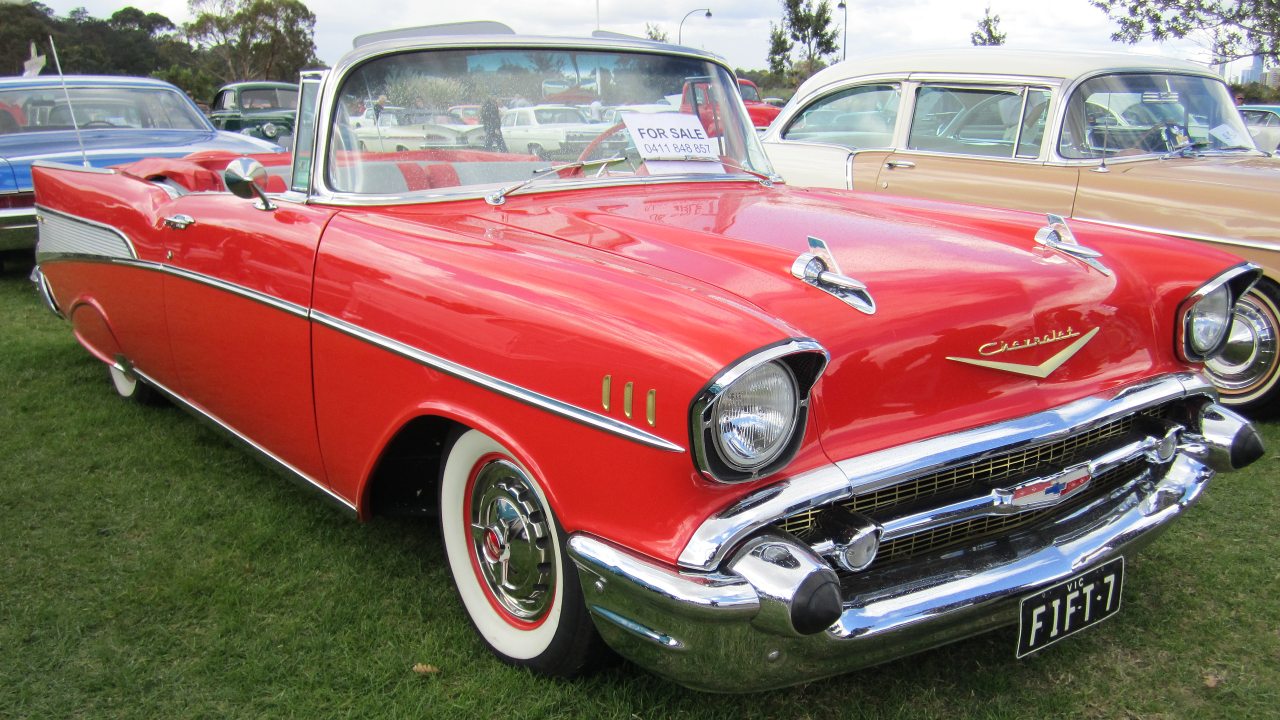
Classic car owners often have a deep appreciation for history and a longing for simpler times. Cars like the 1965 Ford Mustang or the 1957 Chevrolet Bel Air aren’t just vehicles; they’re time machines that transport us back to a bygone era. These models remind us of the days when driving was more than a necessity; it was a pleasure. The sleek lines and chrome accents echo a design philosophy that prioritized elegance and style, characteristics that many feel are missing from today’s more utilitarian vehicles.
Owning a classic car is a way to embrace a piece of the past and preserve it for the future. It’s about cherishing the craftsmanship and design elements that defined an era. When I slide behind the wheel of a classic car, I feel a connection to history, a bridge linking me to those who sat in the same seat decades ago, navigating through life’s journey with a similar sense of wonder and excitement.
Emotional Connection
The sentimental value and memories associated with classic cars often run deep. Vehicles like the 1963 Corvette Stingray or the 1971 Dodge Challenger can become family heirlooms, passed down through generations. These cars are more than metal and rubber; they’re part of the family history, carrying with them stories of road trips, Sunday drives, and summer evenings spent cruising with loved ones.
For many, the choice to own a classic car is deeply personal. It’s about reconnecting with fond memories or recreating experiences from childhood. The emotional connection to a classic car can be as strong as any bond, providing a sense of continuity and stability in an ever-changing world. Owning a classic car is like holding onto a piece of your own history, a tangible link to the past that remains relevant and cherished.
Commitment to Craftsmanship
Appreciation for Quality
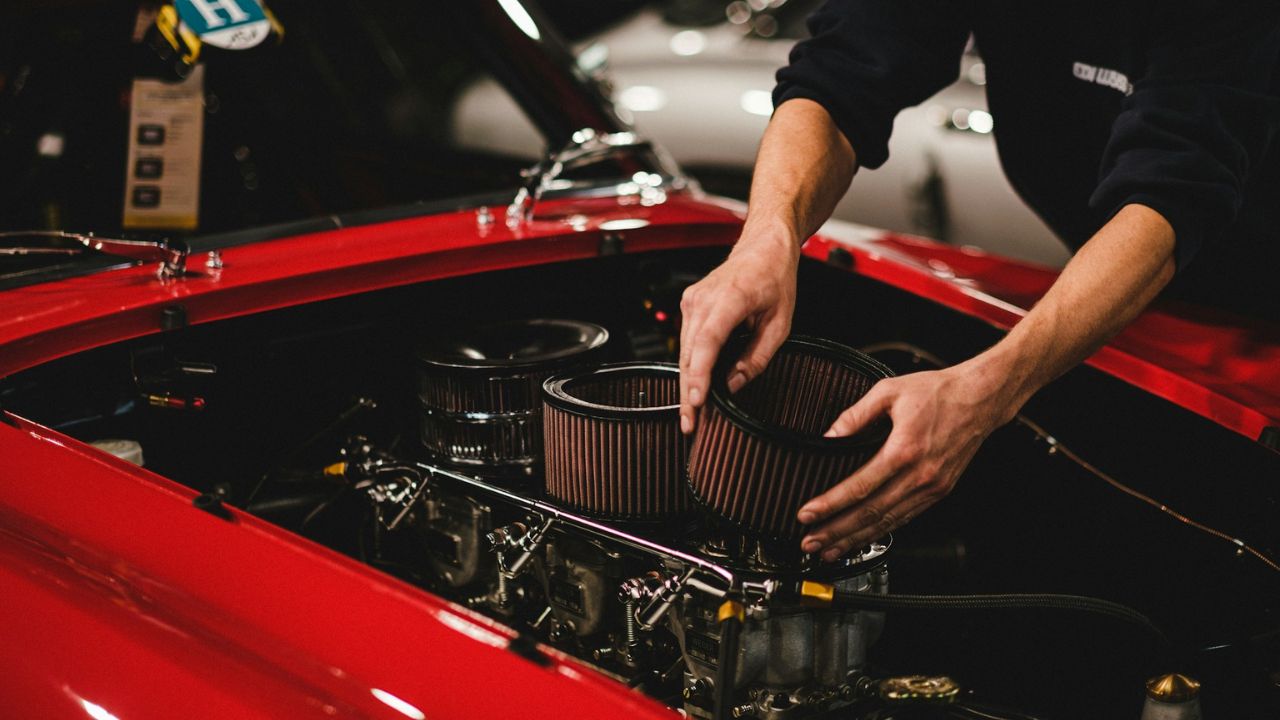
The dedication to maintaining and restoring classic cars showcases an appreciation for superior craftsmanship and attention to detail. When I look at a 1969 Jaguar E-Type or a 1959 Cadillac Eldorado, I’m reminded of the artistry and skill that went into their creation. These cars were built to last, with high-quality materials and meticulous engineering that stand the test of time.
Owning a classic car requires a commitment to preserving this quality. It’s about understanding the value of well-crafted components and the satisfaction that comes from maintaining them. For many enthusiasts, the journey of keeping a classic car in pristine condition is as rewarding as driving it. It reflects a respect for quality and an appreciation for the artistry involved in automotive design.
The Art of Restoration
The intricate and rewarding process of restoring a classic car to its former glory is an art form in itself. Whether it’s a 1970 Porsche 911 or a 1967 Volkswagen Beetle, the restoration process requires patience, skill, and a keen eye for detail. It’s about bringing a car back to life, breathing new energy into its tired frame while preserving its original character and charm.
Restoration is more than just a mechanical task; it’s a labor of love that requires dedication and perseverance. It’s about understanding the history of the vehicle and the techniques used in its original construction. The satisfaction of seeing a restored classic car roll out of the garage is unparalleled, a testament to the owner’s craftsmanship and passion for preserving automotive history.
Unique Personal Aesthetic
Making a Statement
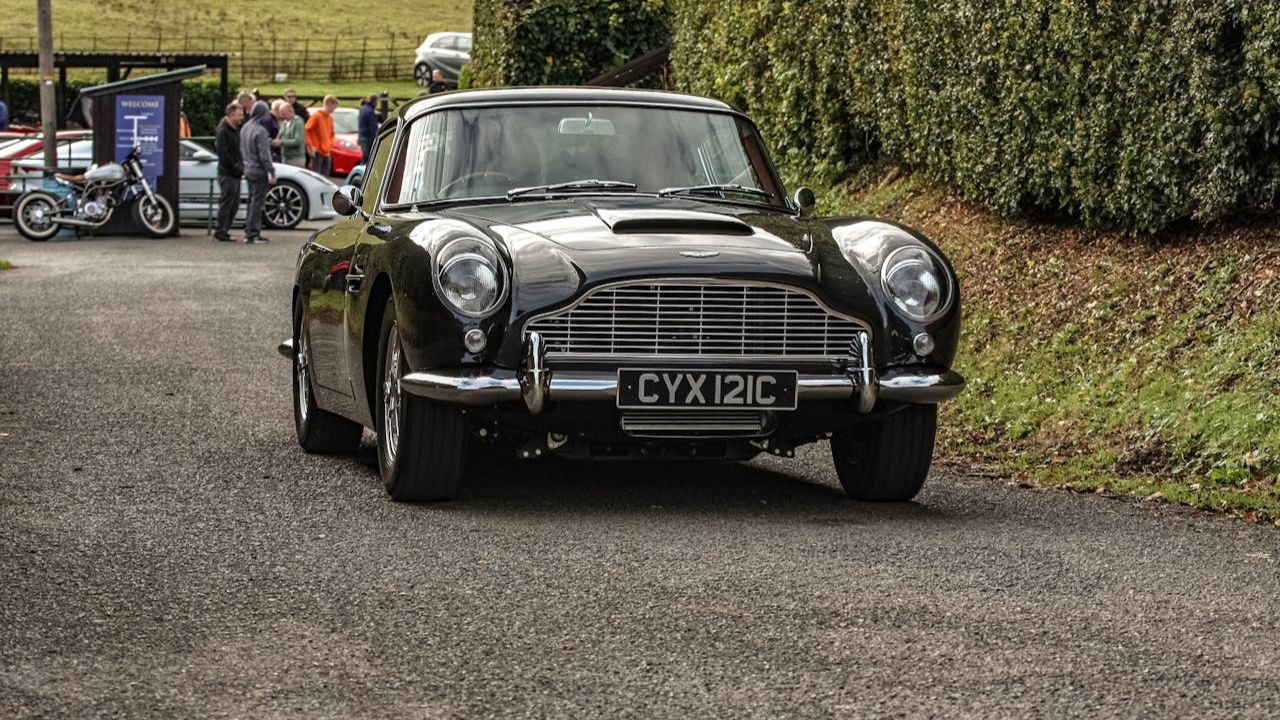
Owning a classic car sets you apart and reflects a unique personal style. Models like the 1966 Aston Martin DB5 or the 1973 BMW 2002 are not just cars; they’re expressions of individuality and taste. These vehicles stand out on the road, turning heads and sparking conversations wherever they go.
For many, a classic car is a statement piece, a way to show the world their appreciation for timeless design and elegance. It’s about embracing a style that transcends trends and reflects personal values. A classic car is more than just a vehicle; it’s a reflection of who you are and what you stand for, a testament to your unique perspective and love for the finer things in life.
Timeless Design
The allure of classic car designs continues to captivate enthusiasts across generations. Vehicles like the 1955 Mercedes-Benz 300SL Gullwing or the 1964 Aston Martin DB5 are admired not only for their performance but for their aesthetic appeal. These designs are timeless, their elegance and sophistication resonating with car lovers of all ages.
The design of a classic car is a work of art, a blend of form and function that has stood the test of time. It’s about recognizing beauty in simplicity and appreciating the lines and curves that define an era. A classic car is a testament to the designers and engineers who poured their creativity and passion into every detail, creating vehicles that continue to inspire and delight.
An Investment in Passion
Time and Effort
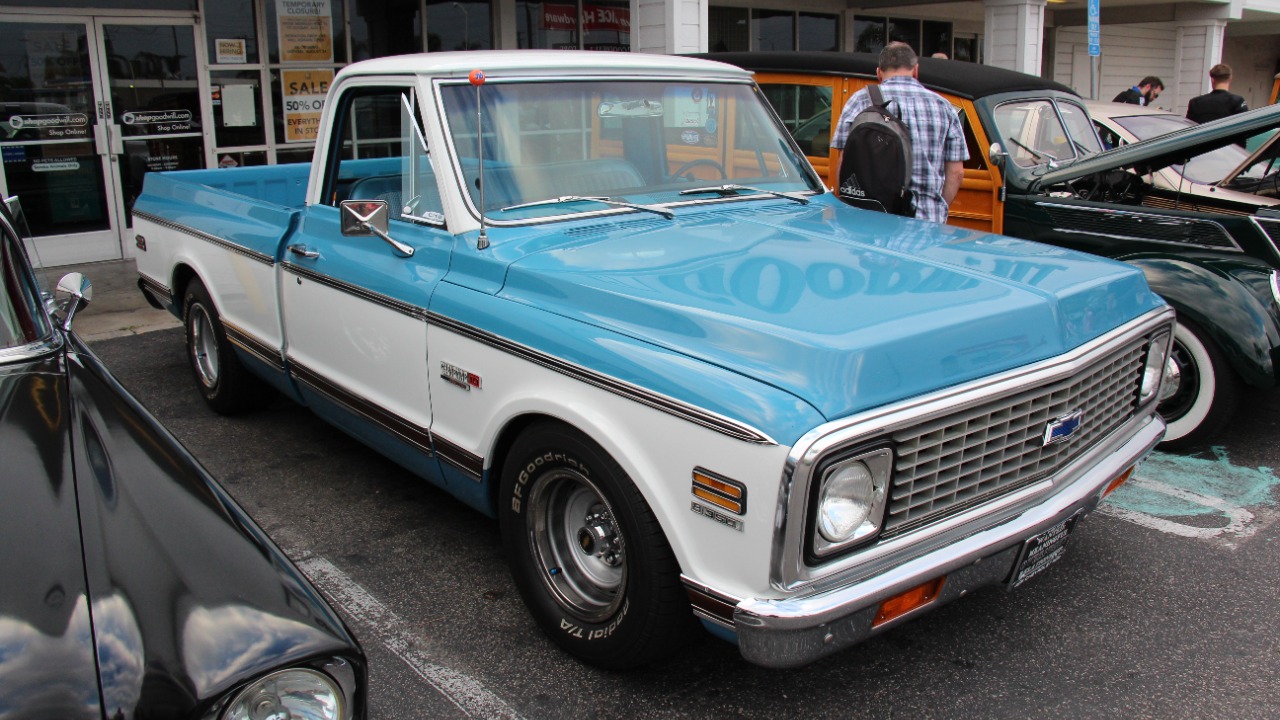
The dedication required in terms of maintenance and care reflects a strong passion for the hobby. Owning a classic car is not a passive experience; it demands time, effort, and a willingness to learn. Whether it’s a 1972 Chevrolet C10 or a 1968 Ford Bronco, these vehicles require regular upkeep to ensure they remain in top condition.
For many, this investment of time is part of the appeal. It’s about developing a deeper understanding of the vehicle, learning its quirks and idiosyncrasies, and taking pride in its upkeep. The time spent under the hood or polishing the chrome is an integral part of the classic car experience, a reflection of the owner’s dedication and passion for preserving automotive history.
Financial Commitment
Understanding the financial investment involved in purchasing and maintaining a classic car is crucial. These vehicles can be expensive to acquire, with prices for models like the 1962 Ferrari 250 GTO reaching astronomical figures at auction. Additionally, the cost of maintenance, restoration, and insurance can add up over time.
However, for many, the financial commitment is a reflection of their priorities. It’s about valuing the experience and joy that a classic car brings, recognizing it as an investment in both personal satisfaction and potentially, financial appreciation. Classic cars can increase in value over time, making them not only a source of enjoyment but also a sound financial asset.
Community and Camaraderie

Building Connections
The social aspect of owning a classic car is a significant part of the experience. Classic car clubs, events, and shows provide opportunities to connect with fellow enthusiasts who share a similar passion. Whether it’s a local meet-up or a national convention, these gatherings foster a sense of community and camaraderie among owners.
Sharing stories, tips, and experiences with other classic car enthusiasts is one of the joys of ownership. It’s about being part of a community that values the same things and understands the intricacies of classic car ownership. Building these connections enriches the experience, providing support, friendship, and a shared appreciation for these automotive treasures.
Shared Knowledge
The culture of exchanging tips, stories, and advice within the classic car community is invaluable. Whether it’s advice on sourcing rare parts for a 1954 Buick Skylark or tips on restoring a 1969 Pontiac GTO, the collective knowledge of the community is a resource that owners can tap into.
Classic car enthusiasts are often eager to share their expertise and experiences, helping others navigate the challenges and joys of ownership. This shared knowledge enriches the community, ensuring that the love for classic cars continues to thrive and grow. It’s about passing on insights and fostering a culture of learning and appreciation that spans generations.
Like Fast Lane Only’s content? Be sure to follow us.
Here’s more from us:
*Created with AI assistance and editor review.