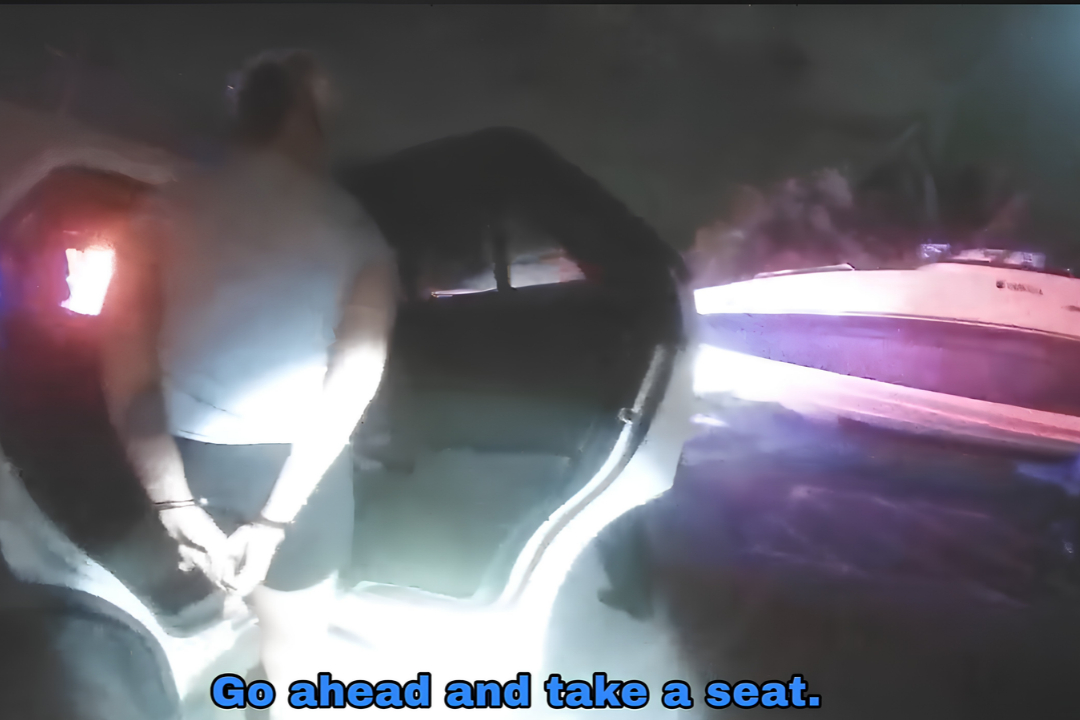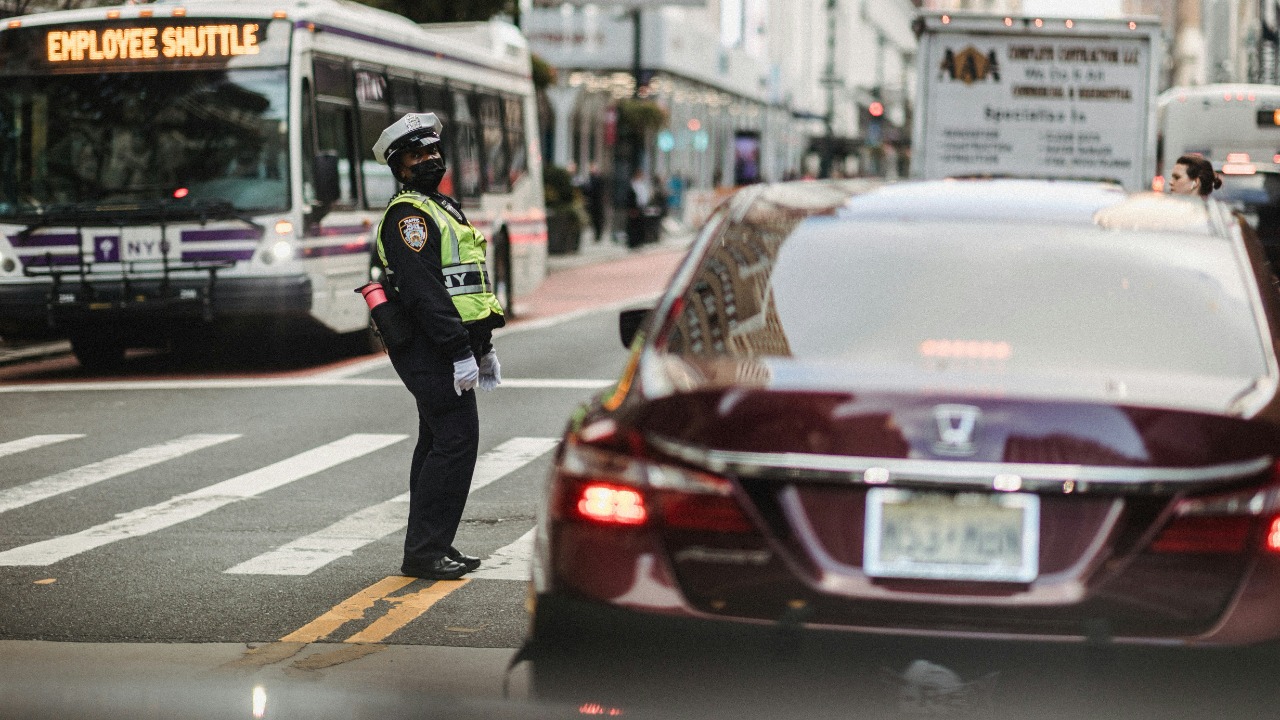
When a patrol car lights up behind you, your mind usually jumps to what you did wrong. The officer behind you is focused on something else first: staying safe while quickly sizing up you, your car, and the situation. Understanding what gets their attention in those first moments helps you stay calmer, communicate clearly, and protect your rights.
You cannot control everything about a traffic stop, but you can control how you present yourself, how you move, and how you speak. By seeing the stop through the officer’s eyes, you give yourself a better chance of a short, uneventful encounter instead of a tense one that spirals.
What officers notice before you even stop
Your interaction with an officer starts long before you roll down your window. As soon as a patrol car pulls in behind you, the officer is already watching how you react to their lights and siren. They look at how quickly you acknowledge them, whether you signal, and how smoothly you pull over. Guidance for drivers in Missouri and Kansas, for example, urges you to use your turn signal and move to a safe spot as soon as you see the lights, mirroring what officers are trained to look for when they evaluate a driver’s response to a stop signal.
Before they even commit to pulling you over, officers also scan the broader scene. They pay attention to the environment and location, such as whether they are in an area that has a history of crime or poor lighting, and whether there are safe shoulders or parking lots available. At the same time, they notice your car itself: its make and model, visible damage, and whether anything in or on the vehicle, like covered plates or heavily tinted windows, stands out. Reporting on what traffic officers first see notes that the type of car you drive, how well it is maintained, and even how cluttered it looks can shape an officer’s first impression before they ever speak to you.
Those first seconds at your window
Once you are stopped, the most intense moment for an officer is the walk from their car to your driver’s side or passenger side window. Training materials describe this as one of the four primary phases of a stop and emphasize that officers are taught to approach at an angle, watch your hands, and scan the interior for threats or hazards. In some cases they are encouraged to approach the passenger side to avoid traffic, which matches what legal guides explain about standard procedures when an officer comes up to your vehicle.
During those first seconds at the window, you are being evaluated on several fronts at once. Officers look at your hands and whether they can see them clearly on the wheel, your lap, or the dashboard. They notice how quickly you respond when they ask for a license and registration, something that detailed lists of officer observations highlight as an early clue to whether you are alert or possibly impaired. They also pick up on obvious signs like the smell of alcohol, slurred speech, or extremely shaky movements, which are the same cues featured in training scenarios about impaired or dangerous drivers.
Your body language, movements, and the inside of your car
From your perspective, reaching for your wallet or glove box feels routine. From the officer’s perspective, any sudden movement can look like you might be hiding something or reaching for a weapon. Legal advice for drivers in New Jersey warns that any sudden movement, even if you are just reaching for your license, can give police the suspicion that you are hiding contraband or that you or your passengers have committed a crime. That is why you are better off moving slowly, telling the officer what you are about to do, and waiting for them to agree before you reach.
Officers also read your overall body language. If you are breathing heavily, shaking, or avoiding eye contact, they may see that as extreme nervousness. Guidance for avoiding arrest during a stop notes that when an officer notices a driver who seems unreasonably nervous or whose answers do not line up, they may become more suspicious and continue questioning rather than wrapping up the encounter. At the same time, the inside of your car sends its own signals. Training discussions mention that things like blankets or newspapers covering parts of the cabin can be suspicious, and safety policies from departments such as the East Lansing Police Department stress that officers are expected to keep their own safety and the motorist’s safety at the top of their minds when they decide how close to stand, where to position themselves, and how long to remain at your window.
How you talk to the officer
What you say, and how you say it, shapes the rest of the stop. Defense attorneys who coach drivers on these encounters suggest that you let the officer lead the conversation and answer calmly rather than volunteering long explanations. One guide on how to talk to police during a stop advises you to stay polite, keep your responses short, and let the officer do the talking instead of rushing to fill the silence, which can lead you to say more than you intend. Officers are listening for inconsistent answers, overly rehearsed stories, or sudden changes in your tone that might hint at dishonesty or hidden stress.
You also have legal rights in this conversation, and officers know that. The American Civil Liberties Union’s guidance on being stopped by police explains that you have the right to remain silent, the right to refuse consent to a search in many situations, and the right to ask whether you are free to go. When you calmly assert those rights, for example by saying you do not consent to a search or that you choose to remain silent, officers may take note of your confidence and clarity. They still evaluate your demeanor, but they are also operating within a framework that recognizes those rights, and that can influence how far they push the interaction.
What keeps the stop short, safe, and uneventful
Officers are trained to think of a traffic stop in phases, from the initial observation to the roadside investigation and the decision to issue a warning, a ticket, or an arrest. Training materials on essential safety tactics describe a specific roadside investigation phase where officers ask questions, check documents, and watch your behavior for red flags that might signal danger. If you stay still, keep your hands visible, and respond in a straightforward way, you give the officer fewer reasons to extend that phase or escalate the stop.
Your preparation and cooperation also matter. Advice from local departments, such as the Traffic Stops guidance in Vernon Hills, Illinois, reminds you to pull over as soon as it is safe, turn off your engine, and wait for instructions rather than rummaging around. Civil rights information on what to do when you are stopped by police stresses that you should not physically resist, even if you believe the stop is unfair, and that you should save any legal challenges for later through a complaint or in court. When you combine that calm behavior with an understanding of what officers notice first, from your initial reaction to your final answer, you improve the odds that the stop ends as just a brief interruption instead of a lasting problem.
All of these split-second judgments may feel one-sided, but you are not powerless in the interaction. When you recognize that officers are watching your car, your movements, your words, and your surroundings, you can make deliberate choices that keep everyone safer. That awareness, more than any clever line or trick, is what helps you get through a routine stop and back on the road.
More from Fast Lane Only