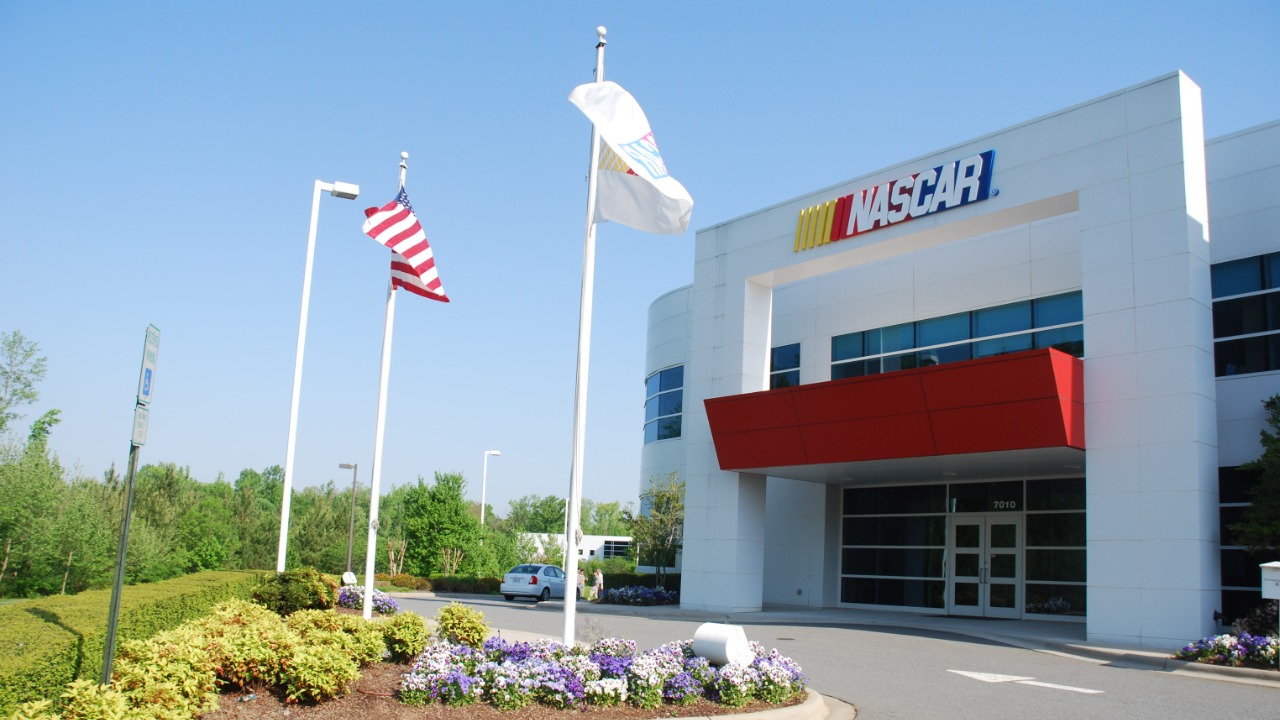
The charter system was supposed to bring stability to stock car racing, yet it has instead become the sport’s defining fault line. What began as a mechanism to guarantee starting spots and revenue has evolved into a high-stakes legal and political fight over who truly controls the business of racing and how much that control is worth.
At its core, the argument is about power, permanence, and the value of risk in a closed league. Team owners see charters as the only real asset protecting their investments, while the sanctioning body guards its authority to shape the series on its own terms. The result is a debate that now stretches from the garage to the courtroom, with the future of the model itself under scrutiny.
How a stability fix became the sport’s central fault line
When charters were introduced for the first time in 2016, they were framed as a way to bring order to a volatile ecosystem in which owners could spend heavily and still miss the show. The new system granted selected teams guaranteed entry to every race and a defined share of central revenues, and it capped each organization at a maximum of four charters to prevent unchecked expansion. As reporting on the original agreement makes clear, the intent was to replace the old scramble for qualifying spots with a more predictable structure that would encourage long term investment and sponsorship commitments by tying them to a recognized asset.
That logic mirrored a broader shift in elite motorsport. Before charters, a car owner could pour tens of millions of dollars into equipment and personnel only to see the operation collapse if sponsorship dried up or results dipped, with no tangible franchise value to recover. The charter concept, later echoed when IndyCar announced its own version, was meant to give teams something closer to equity in the series, a tradable right that could be bought, sold, or leveraged. In theory, this would align incentives between the sanctioning body and its competitors by making everyone a stakeholder in the long term health of the championship.
Why teams say they need charters to survive
From the owners’ perspective, charters are not a luxury but a lifeline. For most of NASCAR’s existence, the France family collected any profits the league made and retained full control over who raced and how money flowed, while teams shouldered the bulk of the competitive and financial risk. The charter system changed that balance by guaranteeing a revenue stream to those who held one, and by creating an asset that could, at least in principle, be sold to recoup some of the capital sunk into cars, facilities, and personnel. That is why teams have fought so hard to protect and expand the model, arguing that without it, the business case for fielding cars collapses.
The financial stakes are explicit. NASCAR has said that each chartered car now receives a guaranteed $12.5 m in annual revenue, up from $9 million, a figure that does not cover full operating costs or a driver’s salary but that still represents a crucial baseline. Owners argue that this guaranteed $12.5 million per car is the only predictable income they can count on in a sponsorship market that can turn abruptly. For newer entrants such as 23XI Racing, co owned by Michael Jordan and Cup driver Denny Hamlin, and for organizations like Front Row Motorsports, that baseline is central to their claim that charters are the difference between sustainable competition and a return to the days when even well funded teams could vanish overnight.
The monopoly fight and why owners went to court
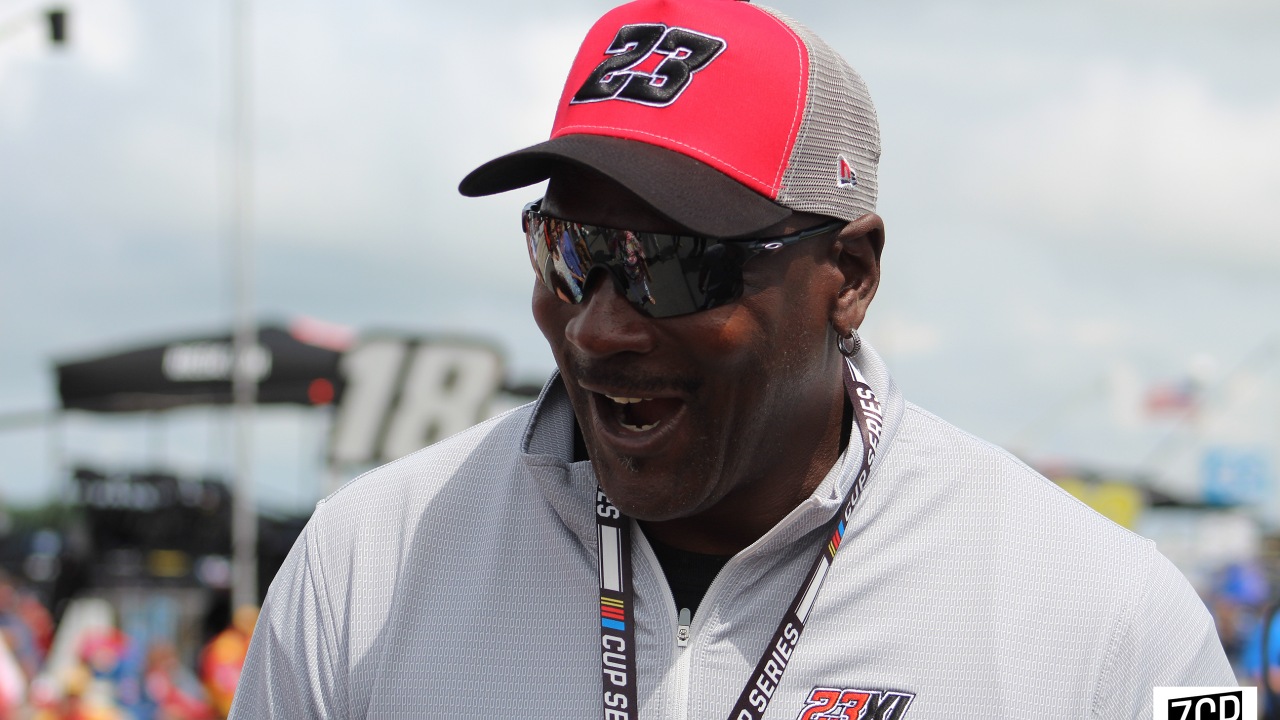
As the current charter agreement approached its expiration, the dispute stopped being a quiet negotiation and became an antitrust battle. 23XI Racing, co owned by Michael Jordan and Cup driver Denny Hamlin, and Front Row Motorsports sued NASCAR on the grounds that NASCAR is a monopoly that uses its control over race access and revenue to dictate terms to teams. In their telling, the sanctioning body’s ability to decide who holds charters, how long they last, and what they pay out gives it overwhelming leverage, leaving owners with little choice but to accept deals they consider unfair if they want to keep racing at the top level.
The testimony that has emerged from the federal case underscores how fraught those negotiations became. Veteran owner Richard Childress described the charter talks as one of the most challenging and longest negotiations he had ever been part of, and he said NASCAR made it impossible for him not to sign the revenue model that was on the table. Denny Hamlin went further, likening the charter deal he signed to his own “death certificate,” a stark phrase that captured how trapped he felt by the structure even as each chartered car was promised that $12.5 million in annual revenue. For these owners, the lawsuit is not only about money but about breaking what they see as a system in which NASCAR can unilaterally set the rules for the only game in town.
Inside the negotiating room: leverage, fear, and “burn it down” rhetoric
From the league’s side, the charter fight is framed very differently. Jim France, the leader of the France family that has long controlled NASCAR, has taken a stubborn stance on charters even amid emotional pleas from owners for more security. His position reflects a belief that the sanctioning body must retain ultimate authority over the structure of the series, including who participates and on what terms, to protect its flexibility and long term vision. Granting permanent or irrevocable rights to teams, in this view, would tie the hands of the organization that is supposed to steward the sport as a whole.
Other NASCAR executives have echoed that resistance to sweeping change. Steve Phelps, who helped lead the negotiations, acknowledged that the charter talks were among the most difficult he had ever experienced, yet he maintained that the resulting revenue model was a fair deal. Greg Wallace, another senior figure, has pushed back against what he described as a “burn it down” strategy from some in the garage, questioning whether dismantling the existing framework would actually improve the future of the sport. Their argument is that while owners understandably want more guaranteed value, the league cannot simply hand over control of its core economic levers without risking the ability to adapt to new markets, media models, or competitive formats.
Why the charter debate now shapes the entire sport’s future
What began as a technical conversation about guaranteed starting spots has become a referendum on how a modern racing series should be governed. One of the major talking points of the current season is the ongoing dispute over the charter system and what it means for the next generation of drivers and fans. Advocates for stronger, more permanent charters argue that without them, teams will be reluctant to invest in young talent or new technology, knowing that their place in the field and their share of revenue could be altered by a unilateral decision from NASCAR. They see the charter as the only mechanism that turns their annual spending into something resembling an asset.
The ripple effects extend beyond stock cars. When IndyCar announced its own charter style system, it explicitly cited the problem that, prior to charters, a car owner could spend tens of millions of dollars and still go out of business if sponsorship faltered, with nothing to show for the effort. That other major series are now adopting similar models underscores how central the concept has become to the economics of elite motorsport. Yet the unresolved lawsuit, the hard line from Jim France, and the raw testimony from figures like Childress and Hamlin show that in NASCAR, the question is no longer whether charters exist, but who ultimately controls their terms. Until that power struggle is settled, the charter system will remain the sport’s most contentious and consequential debate.
More from Fast Lane Only: