The Ford Mustang Boss 302 is an iconic vehicle that represents a key piece of American automotive history. Originally developed for racing, it quickly became a fan favorite for its power and distinctive design. Understanding the specific years of production for the Boss 302 Mustang and its current market value can provide enthusiasts insight into this legendary vehicle’s enduring appeal.
History of the Boss 302 Mustang
Initial Production Years (1969-1970)
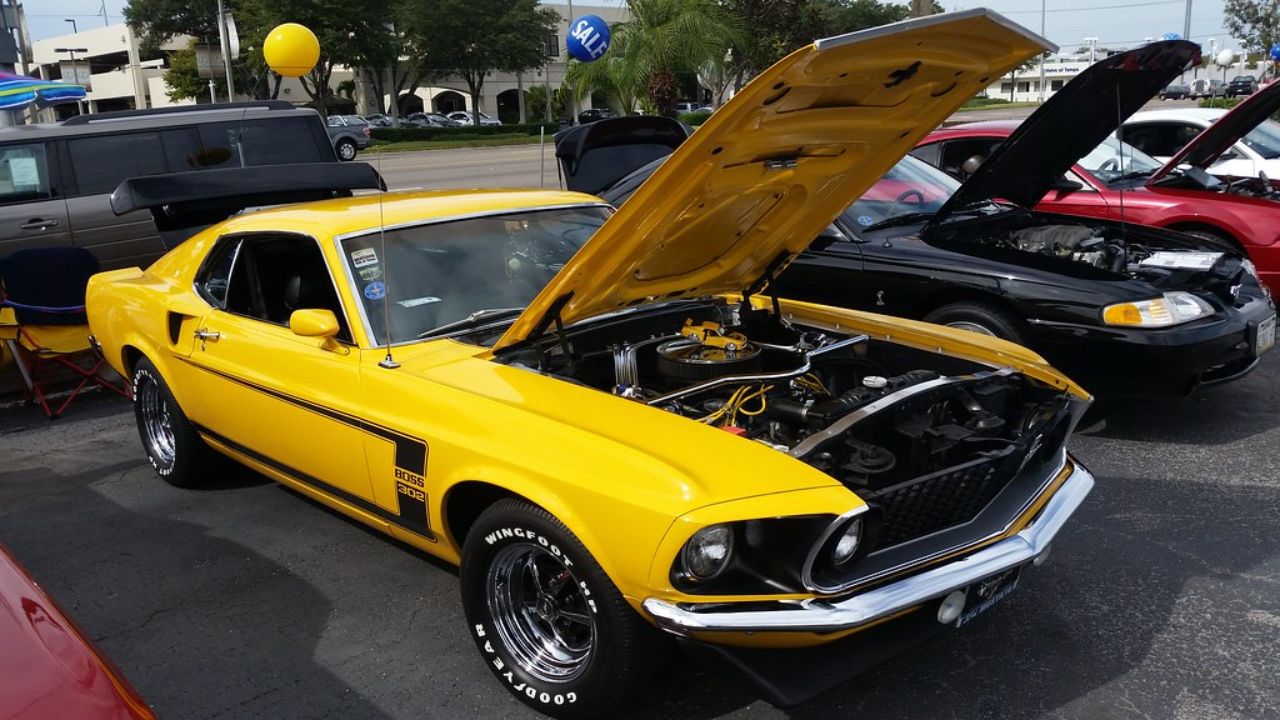
The Boss 302 Mustang made its debut in 1969, a time when Ford was intent on dominating the Trans-Am racing series. The car was designed to meet homologation requirements, meaning it needed to be available to the public in a form close to its racing version. With its high-revving 302 cubic inch V8 engine, the Boss 302 was a powerhouse on the track and quickly became known for its performance and handling. Key features included a unique front grille, racing stripes, and a functional rear spoiler, all contributing to its aggressive stance.
This initial production phase was brief, ending in 1970, yet it left a lasting mark on the muscle car era. The original models are now highly prized among collectors, not just for their performance but also for their historical significance.
Revival in the 21st Century (2012-2013)

Ford revived the Boss 302 Mustang for a limited production run in 2012 and 2013, a move that thrilled fans of the original model. This modern iteration was designed to capture the spirit of the original while incorporating contemporary technology and engineering. The new Boss 302 featured a 5.0-liter V8 that delivered 444 horsepower, along with an updated suspension system and modern amenities like advanced aerodynamics and improved safety features.
Compared to the original models, the revival offered a substantially different driving experience, combining classic muscle with modern precision. The 2012-2013 models were particularly noted for their balance of raw power and refined handling, serving as a bridge between past and present Mustang design philosophies. This successful reintroduction only cemented the Boss 302’s status as a beloved figure in the Mustang lineup.
Market Value and Collectibility

Factors Influencing Value
The market value of a Boss 302 Mustang is influenced by several factors, including condition, rarity, and originality. Original models from 1969-1970, particularly those in pristine condition, are highly sought after. Factors such as matching numbers, original paint, and intact interiors can significantly enhance a vehicle’s value. Historical significance also plays a role, as does the demand among collectors and automotive enthusiasts.
In recent years, there has been a noticeable increase in the interest for classic Boss 302s. For instance, a pristine 1969 Boss 302 can fetch anywhere from $70,000 to over $100,000 at auction, depending on its provenance and condition. The 2012-2013 models, while not as rare, still command respectable prices due to their modern performance capabilities and limited production numbers.
Current Market Trends
Current market trends indicate a strong interest in both the original and revival models of the Boss 302. According to recent sales data, the average sale prices have been steadily appreciating, reflecting the enduring appeal of this model. Notable auctions, such as those conducted by Mecum and Barrett-Jackson, have featured Boss 302 Mustangs that sold for impressive sums, underscoring the model’s status as a collector’s favorite.
Cultural Impact and Legacy
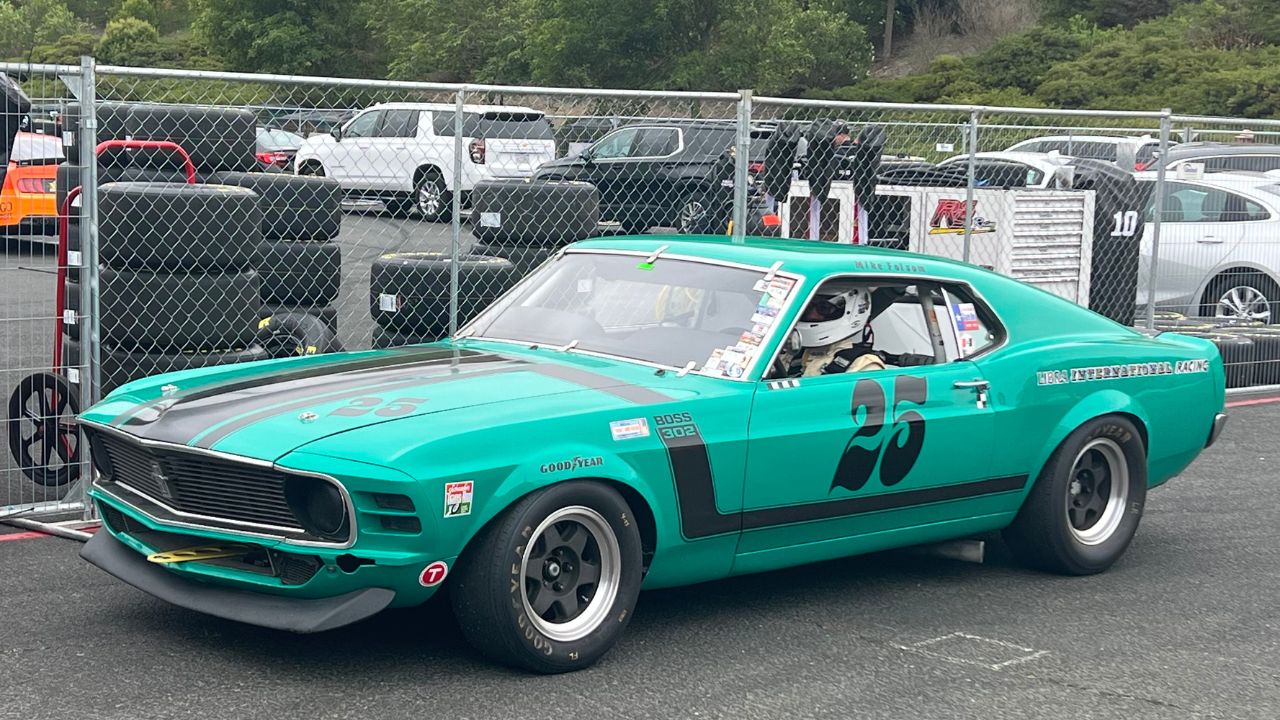
Racing Heritage and Achievements
The Boss 302’s racing pedigree is one of its most defining characteristics. It was originally developed to compete in the Trans-Am series, where it achieved significant success. Famous drivers like Parnelli Jones and George Follmer piloted the Boss 302 to numerous victories, establishing it as a formidable contender on the track. The car’s success in motorsports helped solidify its reputation and contributed to its lasting legacy in racing culture.
With its aggressive styling and performance-oriented design, the Boss 302 has left an indelible mark on the racing world. Its achievements continue to inspire both professional and amateur drivers, with many choosing to restore and race vintage models even today.
Influence on Modern Muscle Cars
The design and performance elements of the Boss 302 have influenced numerous modern muscle cars. The focus on power, handling, and distinctive styling has been adopted by later Mustang models and other muscle cars in the industry. The Boss 302’s legacy is reflected in the continued popularity of performance-oriented vehicles that prioritize driving dynamics and aesthetic appeal.
As the Mustang brand continues to evolve, the Boss 302 remains a touchstone for enthusiasts and designers alike. Its impact is evident in the design cues and engineering principles seen in recent Mustang models, which strive to balance performance with everyday usability. The Boss 302’s role in the evolution of the Mustang brand is a testament to its enduring influence.
Investing in a Boss 302 Mustang

What to Look for When Buying
Investing in a Boss 302 Mustang requires due diligence to ensure authenticity and value. Potential buyers should focus on verifying the car’s originality, checking for matching numbers, and assessing the condition of both the exterior and interior. It’s also important to be aware of common pitfalls, such as aftermarket modifications that may detract from the vehicle’s value.
When evaluating a potential purchase, it’s wise to consult with experts or utilize resources on classic car investments. This can help prospective buyers understand what to look for and avoid costly mistakes.
Long-term Investment Potential
The Boss 302 Mustang has demonstrated strong appreciation rates over the years, making it an attractive option for collectors and investors. Its historical significance, combined with a limited production run and enduring popularity, suggests a positive future outlook for value appreciation. However, potential investors should also consider the costs associated with maintenance and restoration, which can impact long-term profitability.
For those willing to invest in the preservation of a Boss 302, the rewards can be substantial. As the market for classic cars continues to grow, the Boss 302 remains a highly coveted model, promising both driving enjoyment and financial return. The key to a successful investment lies in careful selection and proper upkeep, ensuring that the vehicle remains a valuable asset for years to come.
Like Fast Lane Only’s content? Be sure to follow us.
Here’s more from us:
*Created with AI assistance and editor review.