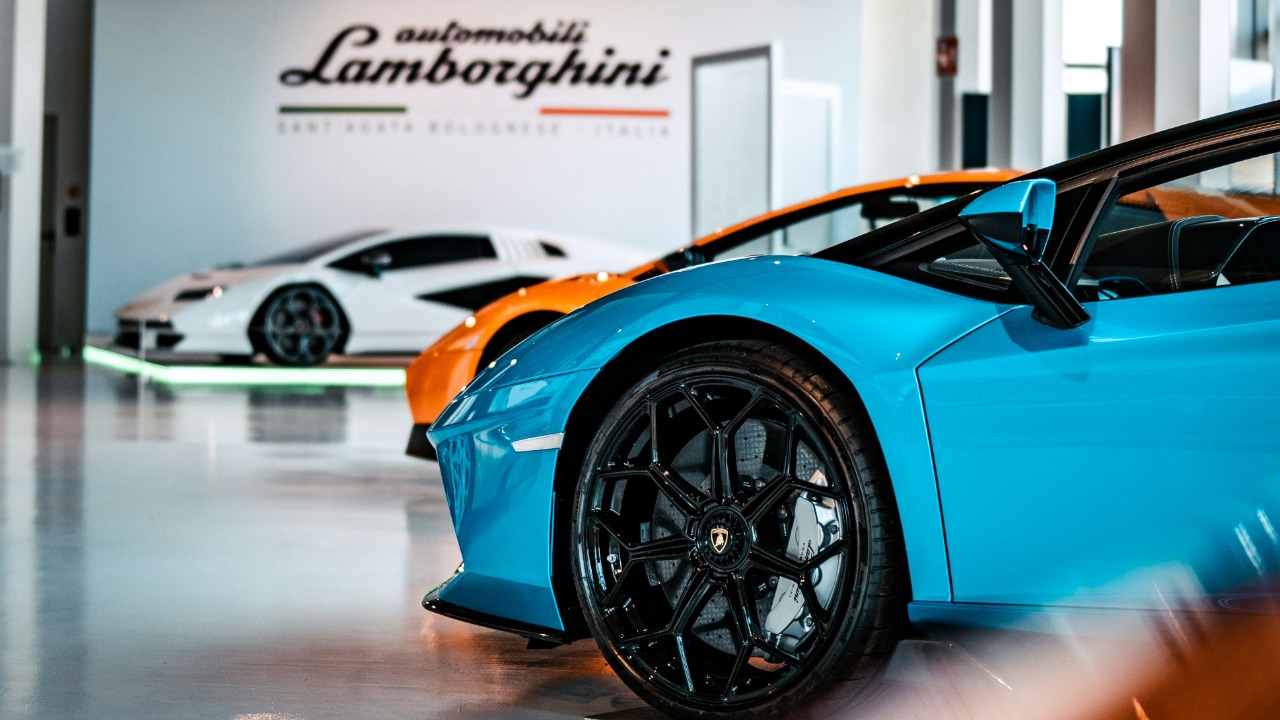
Lamborghini prices keep climbing because collectors now treat the raging bull as a financial instrument as much as a fantasy purchase. Values reflect a mix of heritage, scarcity, and cultural heat that has turned certain models into blue chip assets rather than garage ornaments.
Heritage models that created a cult investment base
Collectors increasingly trace today’s valuations back to the rebellious streak that defined Lamborghini from its earliest years. The company built a reputation for daring shapes and aggressive engineering that gave cars like the Miura an aura of defiance, which now underpins their appeal as long term holdings.
Investors view that history as a moat because the brand’s cult following grew around specific Models that never chased mass market tastes. Analysts highlight how Lamborghini icons such as the Miura and other early flagships have shown strong potential for appreciation, reinforcing confidence that the back catalog anchors modern demand.
Modern demand, record sales, and the YOLO effect
Contemporary buyers are not just chasing nostalgia, they are responding to a sense that time is short for unfiltered combustion drama. Executives describe a YOLO mindset among affluent enthusiasts who want to experience twelve cylinder excess now, before regulations and electrification reshape the segment.
That urgency shows up in hard numbers, with the company reporting that Through the first half of the year Lamborghini delivered 5,558 cars worldwide, a figure that signals intense demand feeding the secondary market.
Corporate performance reinforces that story, because strong primary sales usually translate into confidence among used buyers and auction bidders. Reports on Automobili Lamb describe impressive delivery numbers, revenue growth, and operating profit that together signal continued leadership in the industry and help justify firmer resale expectations.
Limited editions and the power of scarcity
Scarcity sits at the heart of the current value surge, especially for limited production flagships that function like rolling art. Collectors understand that when a manufacturer caps output, the supply side of the equation becomes fixed forever, which magnifies any future wave of demand.
One of the clearest examples involves the Sián, a hybrid halo car that commands around three million dollars when new. Analysts point out that Limited Availability remains one of the key factors supporting that price, because One of the strongest drivers of its valuation is the expectation that such a Lamborghini will hold and possibly increase in value.
Scarcity also extends beyond headline hypercars into numbered runs and special trims that quietly build cult status. When the company introduced the Revuelto as a new generation flagship, observers noted that earlier V12 models without hybrid assistance suddenly looked like the last of a purer era, and corporate updates on the absence of the Revuelto in certain record setting years only sharpened focus on the finite supply of its predecessors.
Diablo and the rise of 1990s investment grade supercars
Values for 1990s supercars have shifted from nostalgia pricing into what many market watchers now call investment grade territory. The Lamborghini Diablo sits at the center of that reappraisal, benefiting from both period aesthetics and mechanical drama that younger collectors increasingly crave.
Auction data from the end of 2024 showed that the appreciation trend extended across virtually every Diablo variant, not just the headline specifications. Analysts examining those Auction results concluded that the pattern reflected a new era of investment grade 1990s supercars rather than speculative bubble dynamics around the Diablo.
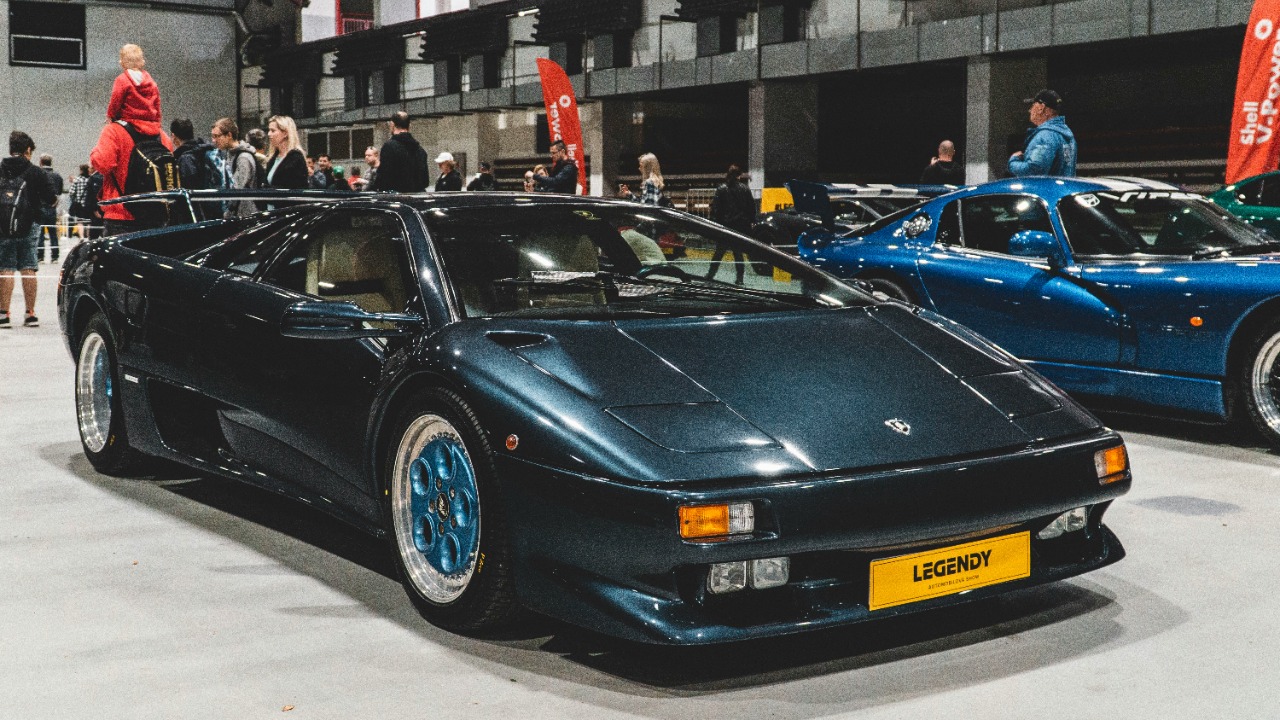
Buyers in this segment increasingly lean toward V12 Lamborghinis when they allocate capital across collectible garages. Market commentary describes how Buyers are leaning hard into V12 Lamborghinis at high profile sales, suggesting that demand for models like the Diablo could keep outpacing supply for some time.
Pricing strategy, marketing, and the psychology of status
Brand strategy plays a crucial role in why these cars hold value once they leave the showroom. Executives have long treated pricing as a signal rather than a simple revenue lever, using high stickers to reinforce the perception that ownership confers membership in a rarefied club.
Analysts describe how Lamborghini employs a premium pricing strategy that deliberately targets affluent individuals seeking status symbols, which means buyers expect exclusivity and therefore resist discounting when they resell.
Marketing also leans heavily on heritage and lifestyle, not just performance figures, which helps cars transcend their mechanical specifications. Owners often treat the badge as a social credential, and that psychology supports firm prices because few want to be seen capitulating on value when they exit a car that signals success so loudly.
Resale dynamics and the role of the dealer network
Resale performance depends not only on brand mystique but also on how cars move through the secondary market. Dealers and brokers shape expectations by controlling how many examples appear publicly and how aggressively they chase top dollar on behalf of clients.
Guides for prospective owners emphasize that understanding How Much Is a new or used Lamborghini really costs requires attention to exit values as well as entry prices. Analysts note that How Much Is a Lamborghini worth at resale depends heavily on factors like mileage, specification, asking price, and broad syndication across high visibility platforms.
Specialist dealers increasingly curate inventory to highlight rare colors, low production options, and documented histories, which all support stronger bids. That curation reinforces the perception that even used cars remain part of an exclusive ecosystem, which in turn encourages new buyers to stretch for higher specifications because they trust the exit market.
Why the surge looks structural, not fleeting hype
Several forces now converge to make the current value spike look more like a structural repricing than a passing fad. Heritage models provide a historical floor, limited editions lock in scarcity, and modern demand fueled by YOLO psychology keeps fresh money flowing into both showrooms and auctions.
Corporate performance adds another layer of confidence, because investors tend to favor brands that demonstrate consistent profitability and strategic clarity. Company updates describing how Mar results closed with unprecedented records on the luxury automotive scene suggest that management sees a long runway for growth rather than a short lived spike.
Investment analysts who compare supercar marques increasingly highlight how the Lamborghini story blends cultural relevance with disciplined scarcity. Reports on Lamborghini Investment Trends argue that the brand has shown strong potential for appreciation relative to rivals, which helps explain why more collectors now treat the raging bull as a core holding rather than a speculative indulgence.