Ferrari’s uneven 2025 Formula 1 campaign has pushed attention away from the front of the grid and toward the margins. Enthusiasts now scrutinize the overlooked corners of Maranello’s story, searching for context that explains how a giant can stumble.
Collectors and fans increasingly study forgotten seasons, transitional projects, and underappreciated machinery that once sat in the shadows. They see value in understanding how Ferrari responds when dominance slips, and why the most interesting stories sometimes unfold far from the spotlight.
How Ferrari’s 2025 slump reframed expectations
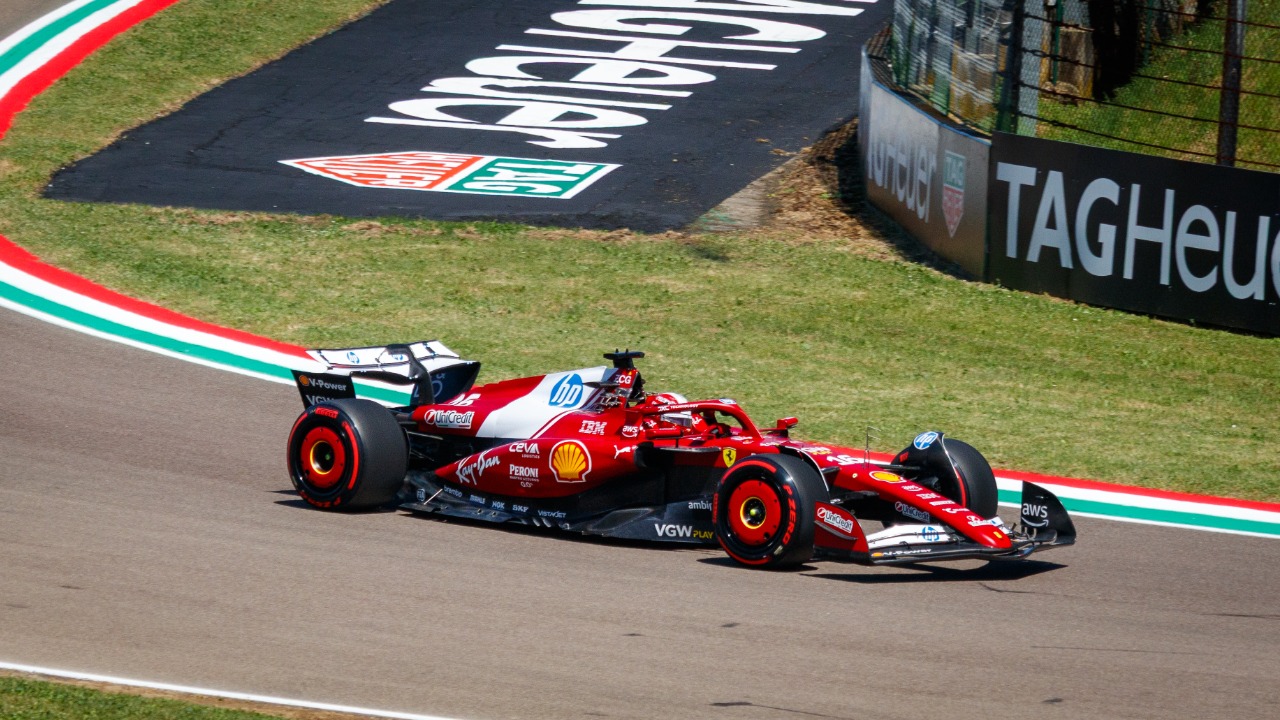
Ferrari entered 2025 with optimism, yet the team quickly slipped from contention and started chasing rivals instead of leading. Analysts highlighted how momentum evaporated as the Scuderia struggled to convert promise into consistent performance. Fans watched a season that initially promised a title challenge instead deliver frustration and introspection. Supporters who once focused only on victories now examined the underlying structure that shaped the campaign.
Observers noted that the 2025 car failed to deliver the step forward many expected after earlier progress. Reports described how Ferrari lost ground through a combination of technical missteps and strategic uncertainty that left the team reacting instead of dictating. Commentators pointed out that this shift forced followers to reassess what success really means for a modern Ferrari program. Attention moved from pure results toward the processes, compromises, and internal decisions that define each season’s narrative.
Project 678 and the long view toward 2026
Strategists inside Maranello chose to prioritize the future, even as the current campaign faltered. Engineers committed significant resources to Project 678, described as Ferrari’s Vision for 2026, and accepted sacrifices during the current season. Decision makers argued that the next rules cycle offered a rare opportunity to reset the competitive order. Supporters who follow the team’s long arc recognized that such choices often shape reputations years later.
Despite the near term focus on the SF-25, leadership did not overlook the importance of preparing for the new regulations. Engineers balanced incremental updates with a broader shift in development energy toward the 2026 concept. Insiders framed this as a calculated gamble that might deepen short term pain while strengthening long term prospects. Fans who track Ferrari’s history understood that similar crossroads have previously produced both breakthroughs and disappointments.
SF-25 problems and the pressure on drivers

Looking at the SF-25’s performance, analysts saw a car that never fully escaped its early limitations. Reports described how Looking at the data raised doubts about the development path and the team’s ability to fully solve the issues. Engineers faced persistent balance problems that undermined confidence during qualifying and long runs. Supporters watched the car oscillate between flashes of speed and weekends dominated by damage limitation.
Despite Charles Leclerc and Lewis Hamilton remaining winless, the car continued to expose its drivers to strategic and mechanical risk. Commentators noted how Despite Charles Leclerc and Lewis Hamilton delivering strong individual performances, they lacked a platform capable of sustaining a title push. Analysts argued that the gap between driver talent and machinery sharpened scrutiny on internal decision making. Fans increasingly evaluated not only lap times but also how effectively Ferrari built around its star pairing.
External criticism and internal accountability
Commentators outside Maranello did not accept every explanation offered for the downturn. Former driver Martin Brundle rejected Ferrari’s explanation for their 2025 decline and highlighted how rivals continued finding improvements. Analysts argued that such criticism reflected broader frustration with the team’s inability to translate resources into consistent gains. Fans heard a message that focused less on bad luck and more on structural shortcomings. Observers interpreted this as a call for deeper accountability within the organization.
Investigations into the campaign’s trajectory traced Ferrari’s 2025 F1 season problems to an internal culprit rather than external circumstances. Reports suggested that the origins of Ferrari’s difficulties lay in SF-25 design choices and development priorities. Analysts emphasized that the team should be building around the drivers instead of forcing them to compensate for structural weaknesses. Supporters who follow the technical side of the sport saw this as evidence that culture and process matter as much as raw pace.
Fred Vasseur’s strategic pivot and development halt
Team principal Fred Vasseur explained that Ferrari’s 2025 season has been defined by tough calls and strategic sacrifices. He acknowledged that shifting focus to the 2026 car back in April represented a difficult decision. Observers noted that such an early pivot effectively capped the ceiling for the current campaign. Analysts argued that this choice underlined how seriously Ferrari treated the upcoming regulation change.
Ferrari, also known as Scuderia Ferrari, ceased SF-25 development amid attention on new 2026 F1 regulations. Fred Vasseur confirmed that no further significant changes would arrive, even as rivals continued to evolve their cars. Charles Leclerc and Lewis Hamilton downplayed the impact of a new rear suspension introduced at the Belgian Grand Prix. Analysts interpreted this as a sign that the team viewed 2025 primarily as preparation for the next era rather than a final push for immediate glory.
Why overlooked seasons now command fresh attention
Fans who once focused exclusively on championship years now revisit campaigns like 2025 to understand Ferrari’s resilience under pressure. Observers study how Oct reporting on Ferrari’s struggles framed what went wrong for the Scuderia and why expectations misaligned with reality. Analysts argue that such seasons reveal more about organizational character than straightforward title runs. Supporters increasingly value the insight gained from examining missteps, course corrections, and internal debates.
Historians of the team’s modern era now treat 2025 as a case study in strategic trade offs. They highlight how Feb discussions around Project planning, Nov analysis of internal causes, and public criticism from figures like Martin Brundle intersected. Observers see a narrative that stretches from early optimism to hard choices and eventual recalibration. Enthusiasts who follow these threads gain a richer understanding of how Ferrari navigates adversity and prepares for whatever comes next.