The Pontiac GTO Ram Air II sits at the intersection of factory performance bravado and modern collector obsession, a short-lived option that now commands long money. Pontiac offered the package for only a brief window in the late 1960s, yet its blend of engineering upgrades and rarity has turned these cars into some of the most closely watched muscle machines in the market today.
Understanding when Pontiac offered the GTO Ram Air II, what made it different from other GTOs, and how values have evolved helps explain why collectors now pay a premium that would have stunned original buyers. I want to trace that arc from showroom option to blue-chip collectible, using both period context and current valuation data to show how this once obscure code became a benchmark.
The road to Ram Air II: how Pontiac sharpened the GTO
Pontiac did not arrive at the Ram Air II formula overnight. The division had been steadily escalating the GTO’s performance image, starting with early hood induction experiments that previewed the idea of feeding cooler, denser air to high-compression engines. Late in the 1965 model year, Pontiac introduced an Air Scoop Package that hinted at what was coming, pairing functional hood hardware with internal engine tweaks and signaling that Ram Air would become a recurring theme. That early package set the template: subtle visual cues on the outside, serious airflow and breathing improvements underneath.
By the time Pontiac moved into the 1968 model year, the GTO had already become a symbol of Detroit’s horsepower race, and the company was ready to push the concept further. The Ram Air I option laid the groundwork, but engineers were already developing a more aggressive combination that would become the Ram Air II. Period coverage of Pontiac GTO Ram Air II Specs and History makes clear that Pontiac treated this as a distinct step up, not just a mild revision, with internal engine changes that went beyond the earlier Ram Air hardware. In other words, Ram Air II was the culmination of several years of incremental experimentation that started with that 1965 Air Scoop Package and ended with one of the fiercest factory GTOs ever sold.
What made the Pontiac GTO Ram Air II so special
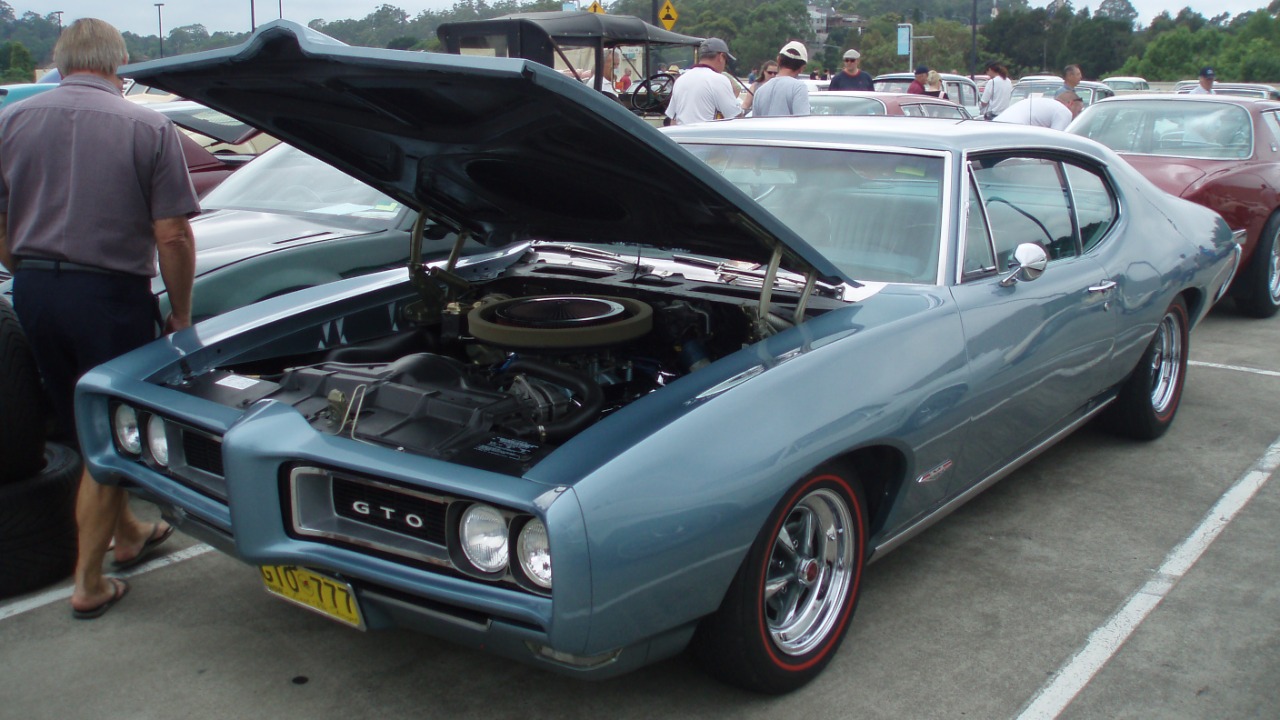
The Ram Air II package transformed the Pontiac GTO from a quick street car into a purpose-built weapon aimed at drag strips and stoplight showdowns. At its core was a heavily revised 400 cubic inch V8, with high-flow cylinder heads, a more aggressive camshaft, and a recalibrated induction system that took full advantage of the functional hood scoops. Contemporary technical breakdowns of the Ram Air II engine and specifications emphasize how far Pontiac went beyond simple bolt-ons, with internal upgrades that allowed the engine to breathe and rev in a way ordinary GTOs could not match. The result was a car that punched above its official horsepower rating and could embarrass many contemporary rivals.
Rarity is the other half of the Ram Air II story. Pontiac offered the option for a limited period across the 1968 and 1969 model years, and production never approached the volumes of standard GTOs. Auction descriptions of individual cars, such as a 1968 GTO described as the ultra-rare and desirable Ram Air II model from the private collection of Jim Mattison, underline how few were built and how carefully documented survivors tend to be. That combination of serious mechanical upgrades and low production has made the Ram Air II a halo variant within the broader Pontiac GTO family, a car that collectors treat as a separate tier rather than just another option code.
From showroom sleeper to six-figure auction star
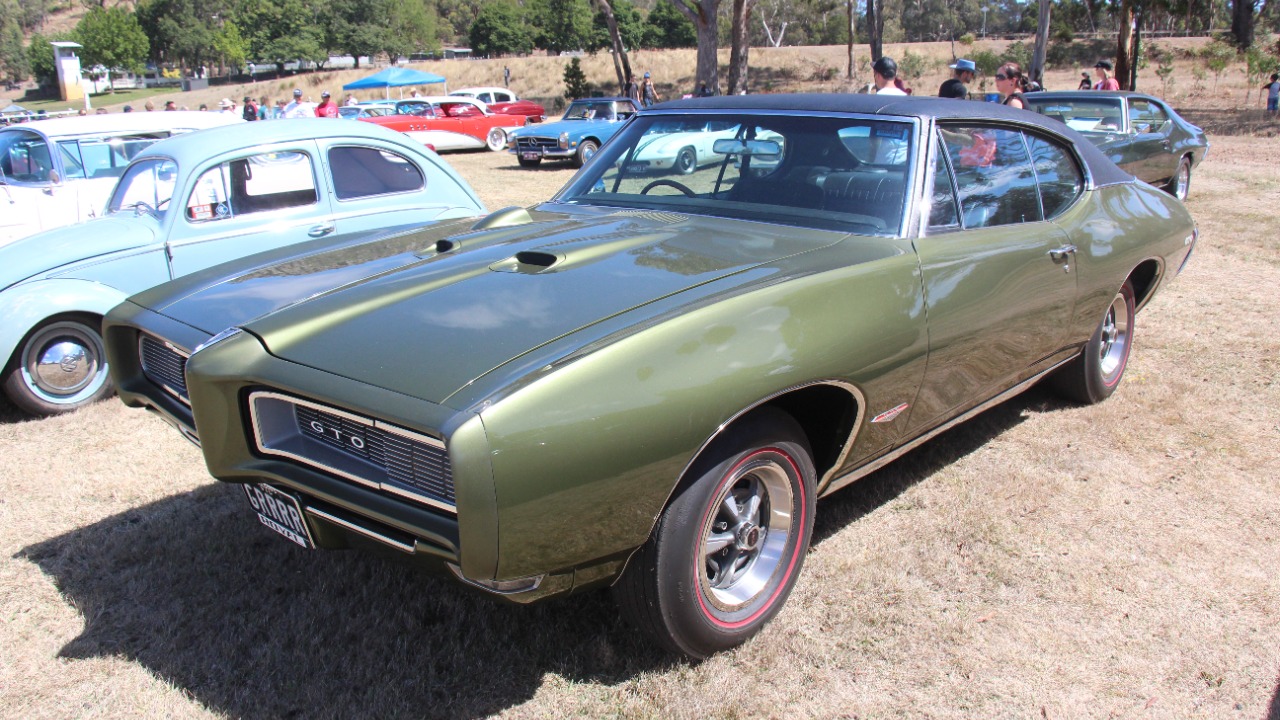
When these cars were new, the Ram Air II option was a niche choice for buyers who cared more about quarter-mile times than creature comforts. Today, the same specification has become a ticket into the upper reaches of the muscle car market. A telling example comes from a profile of a 1968 GTO hardtop where the owner’s purchase price of $132,000 is framed as the kind of number that makes casual observers ask if the car is gold plated. That reaction captures how far values have climbed: what was once a relatively affordable performance option now trades in a price bracket that rivals European exotics from the same era.
Market tracking for specific cars reinforces that this was not an isolated outlier. A valuation record for a 1968 Pontiac GTO Ram Air II with VIN 242378B136340 notes that There are 30 comps for this Pontiac GTO Ram Air II indicating a price range from $29,893 to $123,905, a spread that reflects differences in condition, originality, and documentation. Even at the lower end, those figures sit well above typical driver-grade muscle cars, and at the top they approach the six-figure territory that only the most coveted American performance models occupy. The fact that multiple sales cluster near that upper band suggests sustained demand rather than a single headline-grabbing auction.
How Ram Air II values compare with other 1968 GTOs
To understand just how far Ram Air II pricing has separated from the rest of the lineup, it helps to look at baseline values for a standard 1968 Pontiac GTO. Valuation tools that track the broader market for the 1968 Pontiac GTO explain in their Common Questions section that the value of a 1968 Pontiac GTO can vary greatly depending on its condition, mileage, options, and history, and they note that Typ examples in good driver condition sit in a very different price band than concours-level restorations. Even so, the typical spread for non-Ram Air cars rarely reaches the consistent six-figure marks seen in documented Ram Air II sales, underscoring how much the option amplifies value.
Broader trend data for the nameplate backs up the idea that the entire category has been moving upward, with the most desirable variants pulling hardest. A report on Valuation Trends for Pontiac notes that, in general, GTOs are on the rise, and According to the Hagerty Price Guide, all GTOs (condition 3, good value) have increased in the past five years. That broad lift provides a rising tide, but the Ram Air II’s rarity and performance credentials mean it benefits disproportionately, with its own curve sitting well above the average 1968 GTO. For collectors, that gap is precisely the point: paying a premium for a Ram Air II buys entry into a narrower, more historically significant slice of the market.
Why collectors still chase Ram Air II cars
Part of the Ram Air II’s enduring appeal is that it represents a peak moment in Pontiac’s performance story, one that enthusiasts can trace through both engineering and marketing. Historical overviews of Pontiac Ram Air GTOs through the years point out that the 1968½ Ram Air II is, for some, also the fastest of the factory GTOs, a reputation that carries real weight in a hobby obsessed with performance benchmarks. When I talk to collectors, they often describe the Ram Air II as the sweet spot between raw speed and street usability, a car that can still be driven while holding its own against more radical, less practical muscle machines.
The human stories attached to individual cars add another layer of desirability. The 1968 GTO Ram Air II once owned by Jim Mattison, highlighted in the Details of that auction listing, is a case in point: its connection to a well-known Pontiac historian and the documentation of its delivery to the first owner give it a provenance that goes beyond the option code. When such cars cross the block, they do more than set price records; they reinforce the narrative that Ram Air II GTOs are not just old muscle cars but historically important artifacts. That perception, supported by the performance data, the production rarity, and the valuation trends, is why collectors continue to pay a premium and why the Ram Air II remains one of the most closely watched corners of the Pontiac GTO market.
More from Fast Lane Only