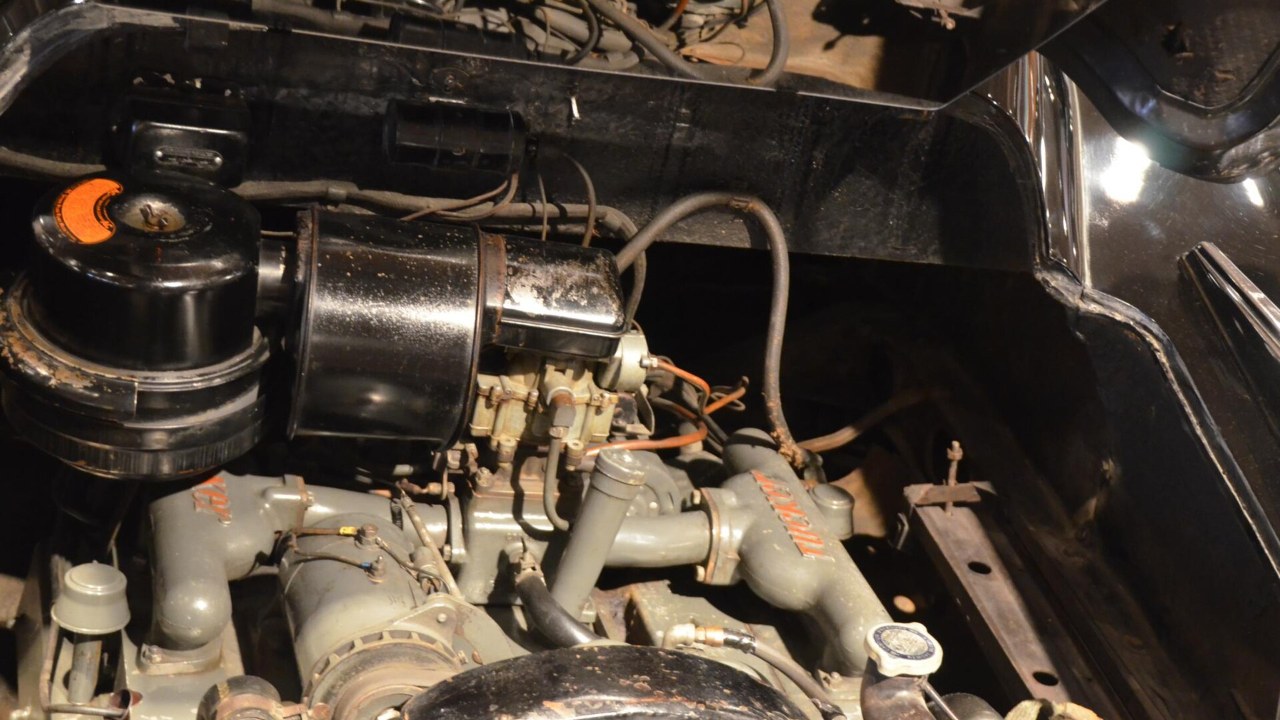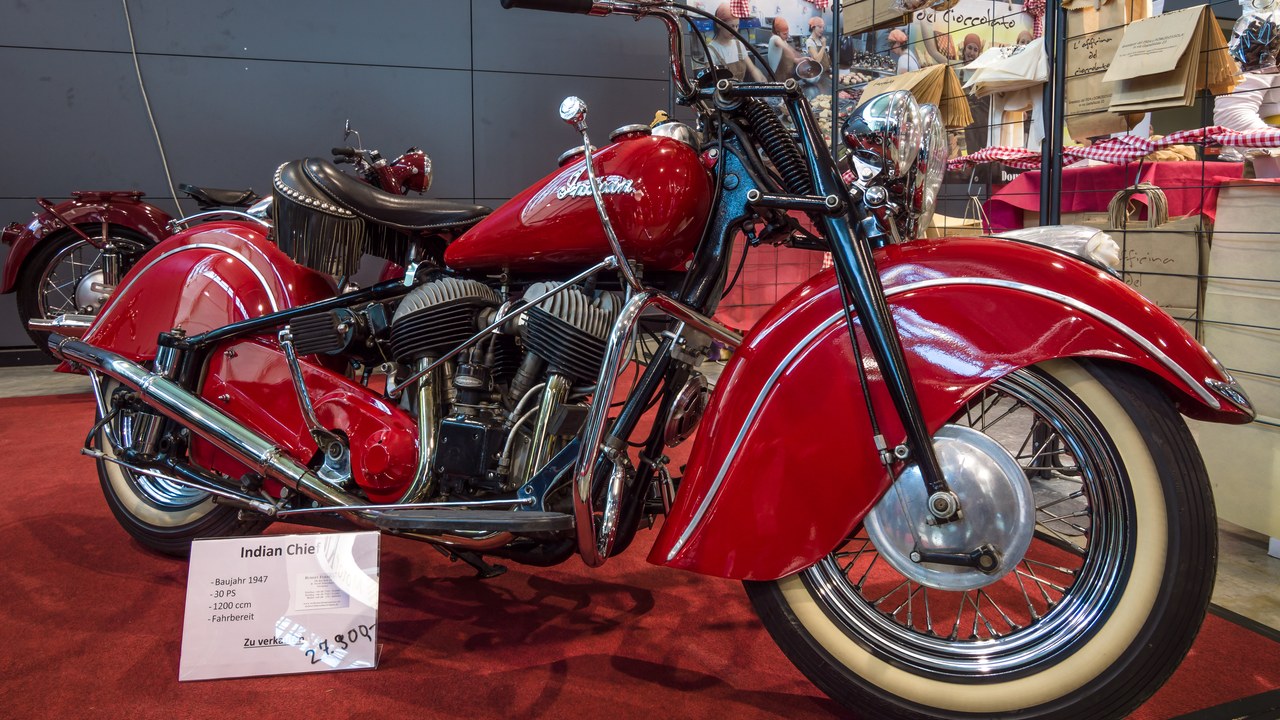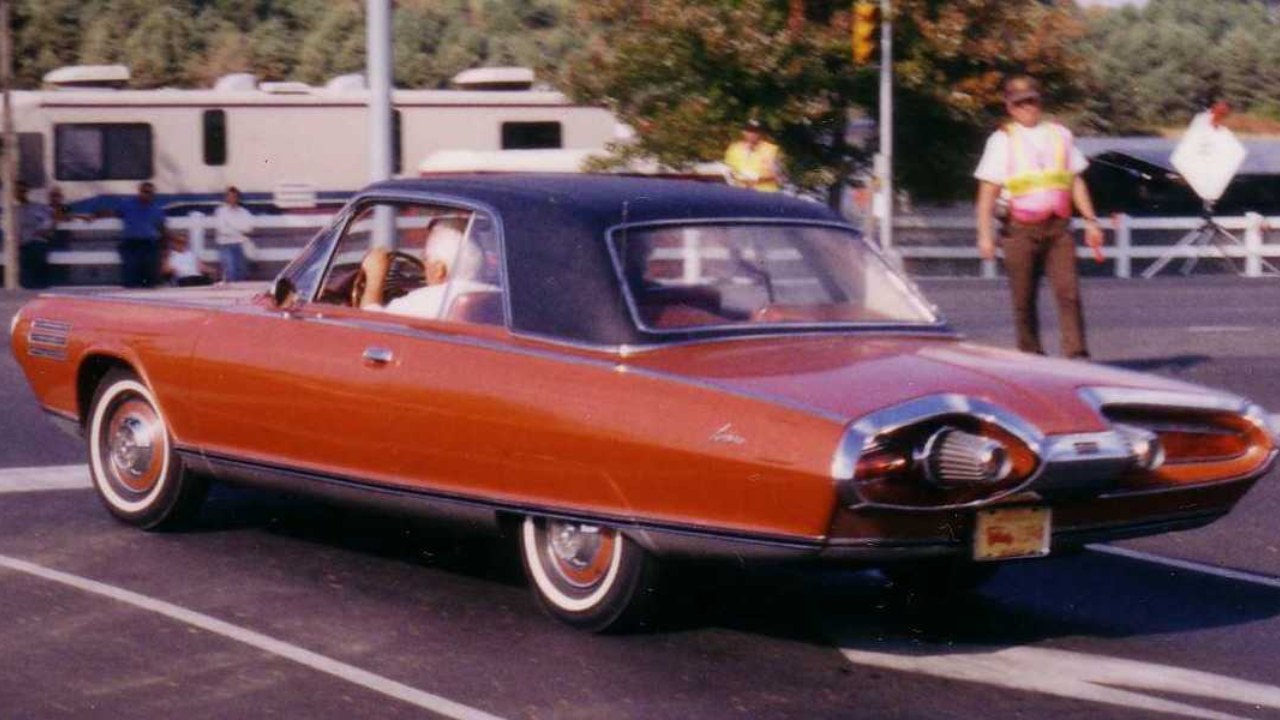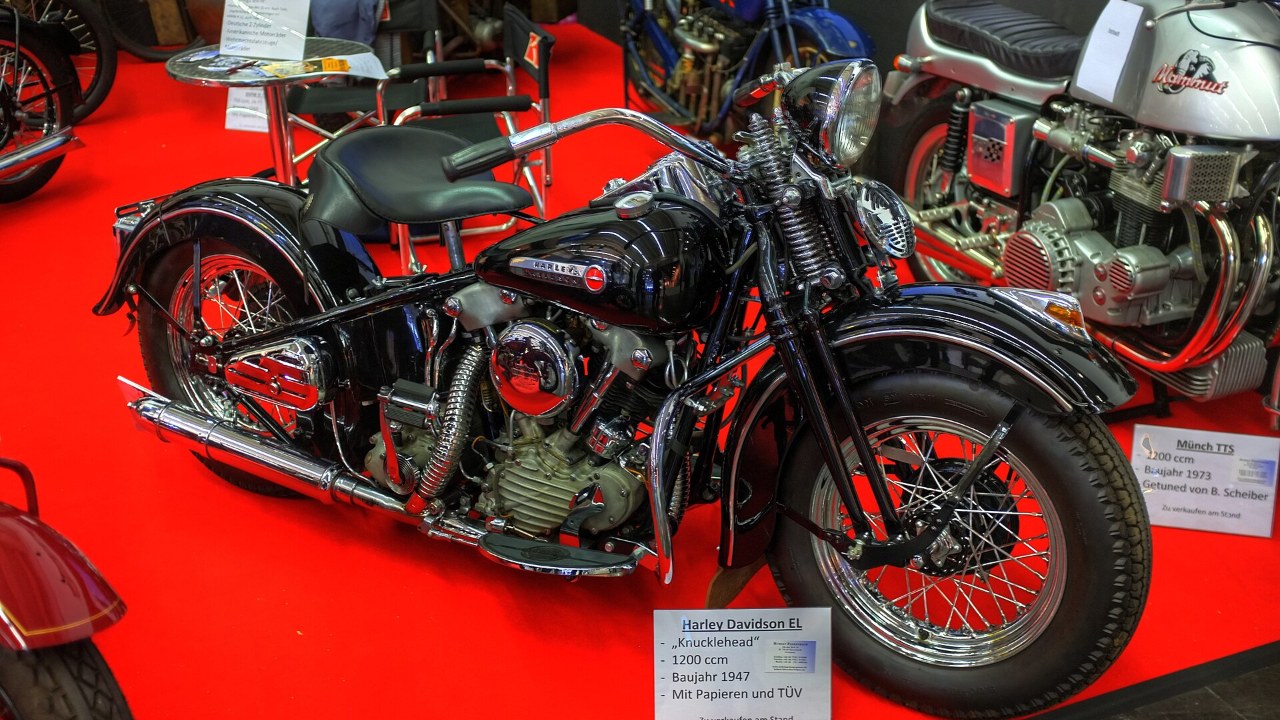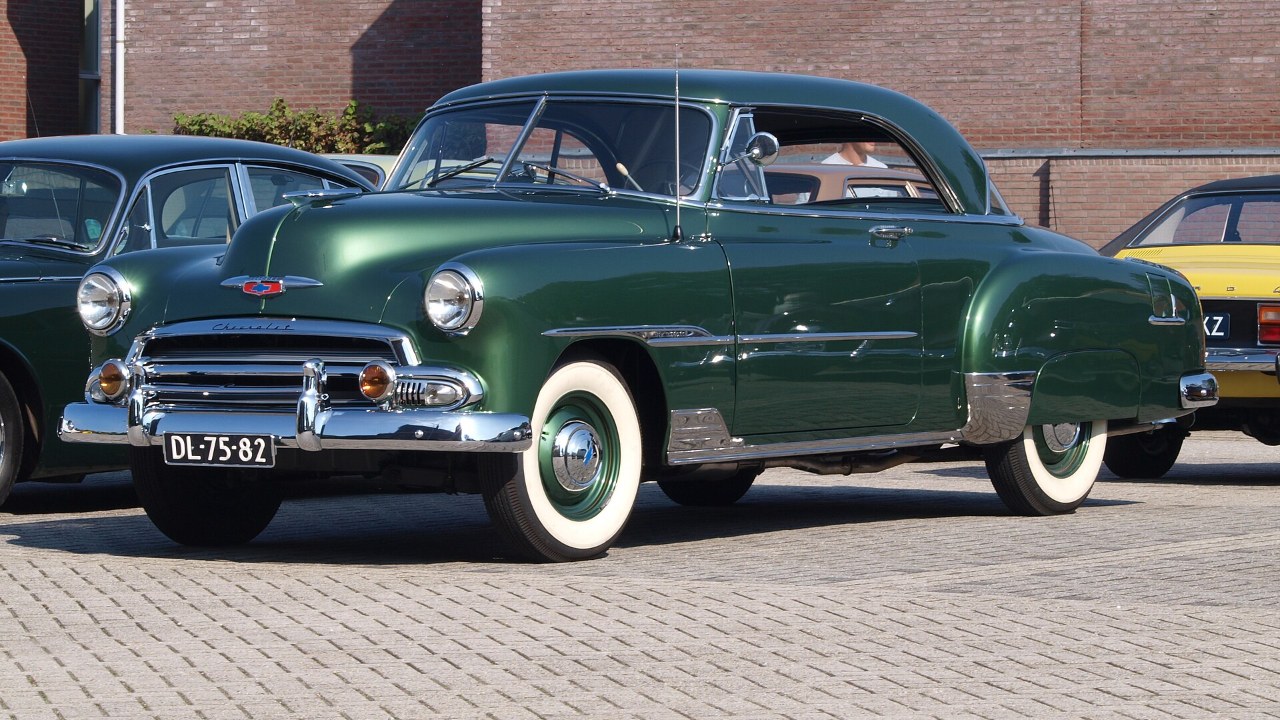
In recent years, there has been a noticeable trend of car enthusiasts gravitating towards older vehicles. This resurgence in interest is driven by a combination of nostalgia, the unique characteristics of vintage models, and the changing landscape of car ownership and technology. Whether it’s the thrill of driving a classic muscle car or the satisfaction of restoring a vintage gem, older cars offer a distinct charm that captivates a growing number of automotive aficionados.
Nostalgia and Emotional Connection
The allure of older cars often lies in the nostalgia they evoke. For many enthusiasts, these vehicles are more than just modes of transportation; they are a gateway to relive cherished memories. Cars like the 1969 Ford Mustang or the Volkswagen Beetle are not just iconic designs; they are symbols of eras gone by, encapsulating the cultural and social dynamics of their times. Driving or even just seeing these cars can transport individuals back to simpler times, sparking a sense of connection to the past.
Classic car culture plays a significant role in this resurgence. Events like the Goodwood Festival of Speed in the UK or the Pebble Beach Concours d’Elegance in California attract thousands of visitors, all eager to witness the beauty and engineering of bygone eras. These gatherings foster a deep-seated appreciation and community among enthusiasts, further fueling interest in owning and maintaining older vehicles. The emotional bond that develops through the ownership of a vintage car is often intertwined with personal stories and family histories, making the car more than just a possession but a cherished heirloom.
Unique Driving Experience
One of the undeniable attractions of older vehicles is the unique driving experience they offer. Unlike modern cars, which are often laden with technology and electronic aids, vintage cars provide a raw, unfiltered connection between the driver and the machine. The tactile feedback from a manual gearbox or the distinctive engine purr of a classic Jaguar E-Type delivers a level of engagement that many modern cars simply cannot replicate. Enthusiasts relish the mechanical purity and simplicity of these vehicles, which require a more hands-on approach to driving.
Moreover, driving older cars presents a unique challenge and satisfaction. With no traction control or automated braking systems, the responsibility lies entirely with the driver to maneuver and control the vehicle. This can be incredibly rewarding for those who appreciate the skill and finesse required to master such machines. In an age where cars are increasingly becoming autonomous, these vintage models offer a refreshing reminder of what it means to truly drive.

Investment Potential
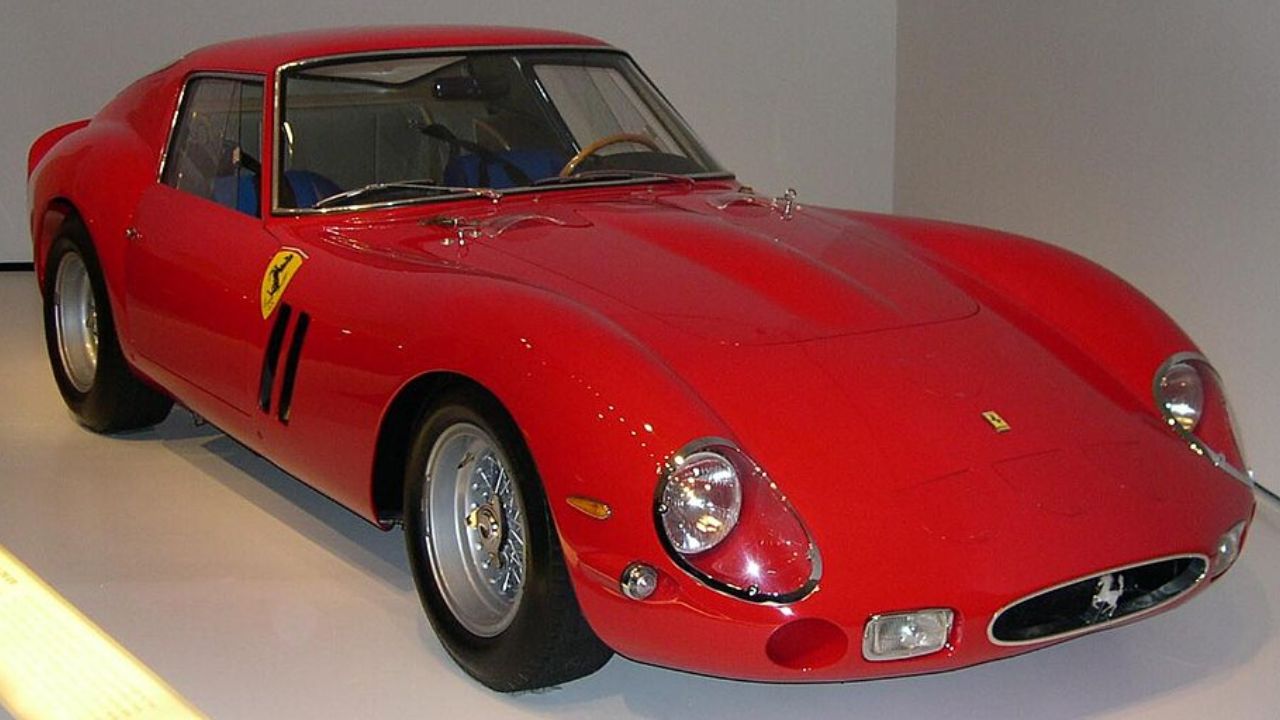
Beyond the emotional and experiential appeals, older cars also present a viable investment opportunity. The value of certain classic cars has seen a significant increase over the years, with models like the Ferrari 250 GTO or the Aston Martin DB5 fetching astronomical prices at auctions. The rarity and historical significance of these vehicles play a crucial role in driving up their value, making them highly sought-after by collectors and investors alike.
For those looking to diversify their investment portfolios, classic cars can serve as a tangible asset with the potential for significant returns. The market for collectible cars has remained robust, with classic car indices often outperforming traditional financial markets. However, it’s essential for potential investors to conduct thorough research and consult with experts, as the market can be volatile and subject to trends and tastes that can shift over time.
Customization and Restoration
The realm of customization and restoration offers another compelling reason for the growing interest in older cars. Vintage vehicles provide a blank canvas for creativity, allowing owners to personalize and modify their cars to reflect their unique tastes and preferences. From custom paint jobs to performance upgrades, the possibilities are nearly endless, limited only by the owner’s imagination and budget.
Restoration projects are particularly popular among enthusiasts who derive satisfaction from bringing a classic car back to life. The restoration industry is thriving, with a wide array of services and parts available to assist in these endeavors. Enthusiasts are often drawn to the challenge of restoring a classic car to its original condition or reimagining it with modern enhancements. This process not only preserves automotive history but also fosters a sense of accomplishment and pride in the finished product.
Environmental and Economic Factors
In today’s environmentally conscious world, the decision to own an older car may seem counterintuitive. However, the debate over the environmental impact of maintaining and driving older vehicles versus producing new ones is nuanced. While classic cars are generally less fuel-efficient and produce more emissions, the environmental cost of manufacturing new vehicles is substantial. Enthusiasts argue that preserving and maintaining existing vehicles can be a more sustainable option, reducing the need for new production.
From an economic standpoint, owning older cars can be cost-effective. Many vintage models are relatively simple to repair and maintain, with parts often being more affordable and accessible than those for modern vehicles. This can make older cars an attractive option for those looking to avoid the depreciation associated with new car purchases. Additionally, regulations and incentives in various regions, such as tax breaks for classic car owners, can further influence the decision to invest in older vehicles.
More from Fast Lane Only