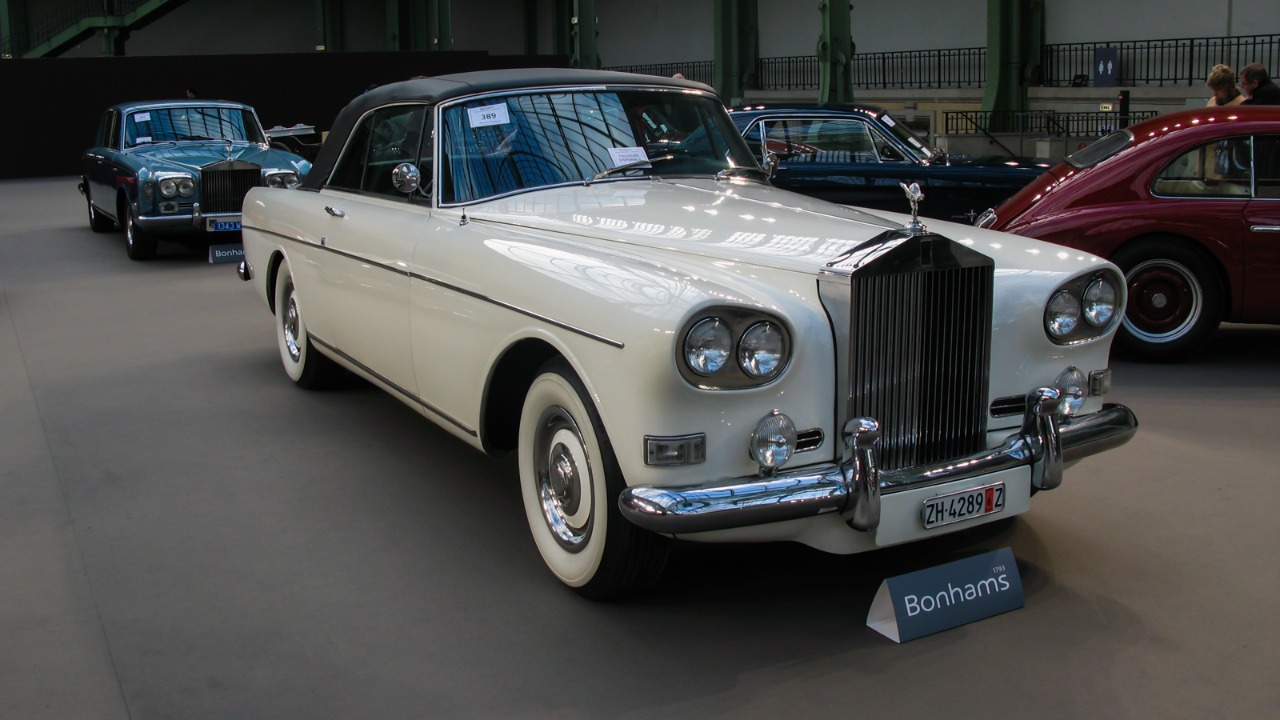
The 1958 Rolls-Royce Silver Cloud did not simply transport its passengers, it announced them. Arriving in one of these cars meant stepping into a world where comfort, craftsmanship and quiet confidence mattered more than speed or flash. When I look at how we talk about luxury today, I keep finding myself drawn back to this car as the moment when understated elegance became the benchmark everyone else tried to match.
The car that reset the standard for quiet luxury
By the late 1950s, luxury motoring was at a crossroads, and the 1958 Rolls-Royce Silver Cloud showed what the future could look like without abandoning tradition. The model had been launched earlier in the decade as the successor to the Silver Dawn, and by 1958 it had settled into its role as the definitive Rolls, with long, flowing lines, a tall grille and a stance that looked more like a moving country house than a machine. It was not about drama or aggression, it was about projecting calm authority, the kind of presence that made chauffeurs sit a little straighter and hotel porters move a little faster.
That sense of authority was no accident. The car sat at the heart of the range from April 1955 to March 1966, when The Rolls, Royce Silver Cloud was the core model produced by Rolls, Royce Limited, replacing the earlier Silver Dawn and defining the company’s public image. Period descriptions of the Silver Cloud stress how thoroughly it was engineered and how carefully it was built, with bodies and interiors finished to the most exacting standards that buyers of the time expected from the marque. In that context, the 1958 cars sit right in the sweet spot, early enough to retain the classic proportions yet modern enough to feel fully resolved as a postwar luxury flagship.
Inside the 1958 experience: craftsmanship over spectacle
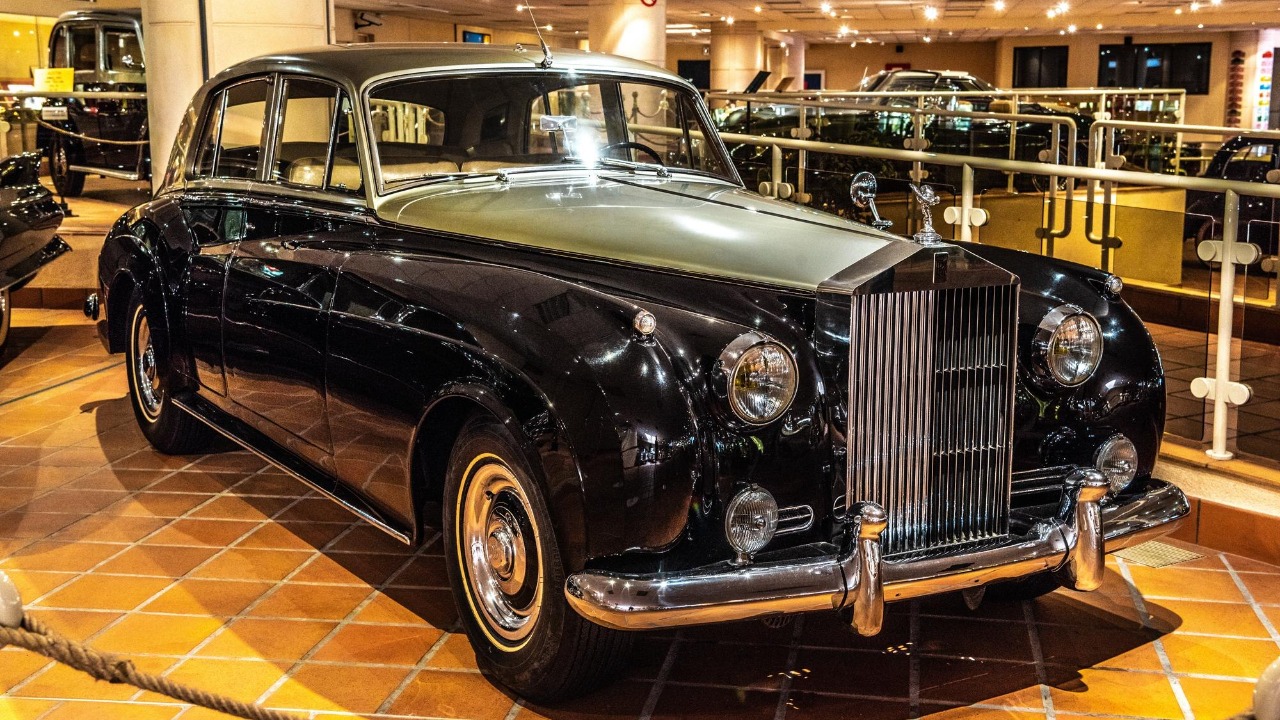
Open the door of a well-kept 1958 Silver Cloud and the first impression is not technology, it is texture. I am always struck by how the cabin feels like a small drawing room, with polished wood, deep carpets and leather that invites you to sit rather than perch. Everything you touch is substantial, from the door pulls to the column stalks, and the layout is simple enough that you can take it in at a glance. It is a very different idea of luxury from the screen-filled cabins we see today, and that difference is exactly what gives the car its enduring appeal.
That atmosphere is rooted in the way the car was built. Contemporary accounts describe how the Silver Cloud was manufactured to the most exacting standards, with coachbuilt bodies and interiors that were effectively hand finished for each customer, a process that helped secure its classic car status in later years. Modern sellers still lean on that heritage, presenting the model as the pinnacle of traditional craftsmanship, and highlighting how the History of the Rolls, Royce Silver Cloud shows it was launched to replace the Silver Dawn while preserving the quiet, tailored feel that owners expected. In 1958, that meant a cabin that was hushed, beautifully finished and deliberately free of distractions, a rolling sanctuary rather than a gadget showcase.
Romance, weddings and the “Honeymoon Express” mystique
Over time, the 1958 Rolls-Royce Silver Cloud has taken on a second life as a symbol of romance, and I think that tells us a lot about how people see the car. When couples choose a classic Rolls for their wedding, they are not just renting transport, they are buying into a story of grace and ceremony. One modern operator describes the 1958 Rolls, Royce Silver Cloud I as a Timeless Symbol of Luxury and Romance, introduced in 1955 as the car that would carry newlyweds and dignitaries with equal poise, and marketed today as a way to set the spirit of your journey ahead from the moment the door closes on the outside world.
That romantic image is not just marketing spin. It is anchored in specific cars, like the 1958 Rolls-Royce Silver Cloud I “Honeymoon Express” two-seater drophead coupe by Freestone & Webb, whose history is documented through Owen chassis cards that confirm it left the factory with every single option. Another 1958 Silver Cloud I drophead coupe, also known as a “Honeymoon Express,” has been restored so that virtually every component was properly rebuilt, including the original engine, while the body remained very solid and in fine condition, ready again to mark one of life’s most beautiful occasions, as detailed in the description that notes how Virtually every part was renewed. When I see how carefully these cars are preserved for weddings and anniversaries, it reinforces the idea that the Silver Cloud is as much a stage for personal milestones as it is a piece of engineering.
From period flagship to pop‑culture shorthand
Even if you have never ridden in one, chances are you know what a Silver Cloud represents, and that is not an accident. The model etched itself into public consciousness through advertising and appearances that played up its mix of dignity and self-awareness. One account of the car’s cultural life notes how a later Rolls, Royce Silver Cloud II even became the straight man in an irreverent television commercial that asked, “Do you have any Grey Poupon?”, turning the car into a visual shorthand for old-money taste while gently poking fun at that image. For me, that balance between seriousness and self-parody is part of why the Silver Cloud still feels relevant rather than stuffy.
That cultural presence rests on the foundation laid by the original car. Commentators looking back at the model describe how a Star was Born when The Silver Cloud arrived, with Aug references to how it quickly became the archetypal Rolls in the public imagination, its tall grille and long bonnet instantly recognisable even in silhouette. A detailed review of the model’s legacy explains how the Star, Born, The Silver Cloud narrative was reinforced by that Grey Poupon moment and by the way the car appeared in films and television as a visual cue for wealth that did not need to shout. By 1958, the Silver Cloud was not just a product, it was a character in the broader story of postwar affluence.
How the Silver Cloud keeps evolving without losing its soul
What fascinates me today is how the 1958 Silver Cloud continues to evolve while holding on to its core identity. Some owners are determined to keep their cars exactly as they left Crewe, and specialist dealers present the Rolls, Royce Silver Cloud I “as they should be,” focusing on originality, mechanical correctness and the way the car feels from behind the wheel when everything is set up properly. A detailed presentation of one such car, titled Rolls, Royce Silver Cloud I: As They Should Be, walks through the driving experience and the care required before you buy this car, underlining how a well maintained example still delivers the same hushed, unhurried progress that defined luxury in its era, as shown in the video Rolls, Royce Silver Cloud I: As They Should Be.
At the same time, a new generation is reimagining the 1958 Rolls Royce Silver Cloud through carefully executed restomods. One California based firm, ICON, has become known for projects where There are resto mods and then there are resto mods, replacing tired mechanical components with modern equivalents while preserving the original body and interior so that the car still looks like a period Silver Cloud from the outside. A feature on a 1958 Rolls Royce Silver Cloud highlights how Aug references to There, California and ICON frame the car as a bridge between eras, with updated performance and reliability hidden beneath the familiar shape, as described in the piece that notes how Aug, There, California, ICON combine modern components with those original models. Whether preserved or reengineered, the 1958 Silver Cloud keeps proving that true luxury is about how a car makes you feel, not just what it can do on paper.
Why the 1958 Silver Cloud still feels like the last word in arrival
When I watch a 1958 Silver Cloud glide up to a curb today, it still has the power to quiet a busy street. Part of that is the shape and the history, but part of it is the way the car invites you to slow down. Modern wedding and chauffeur services lean into that quality, describing how the Silver Cloud was Originally manufactured between 1955 and 1966 by Rolls, Royce Motors and quickly became a symbol of prestige, with everything from the handcrafted wood interior and leather seating to the way the doors close reinforcing that sense of occasion. One such service explains that Originally the Silver Cloud was built for the world’s elite, and that heritage is exactly what makes it so appealing for couples and clients who want their big day to feel timeless rather than trendy.
For me, that is why the 1958 Rolls-Royce Silver Cloud still defines luxury, even in an age of silent electric flagships and self-driving prototypes. It represents a moment when craftsmanship, comfort and quiet confidence came together in a way that has proved remarkably durable, from the Owen documented “Honeymoon Express” to the ICON restomod and the carefully preserved cars that specialists present as they should be. The Silver Cloud may no longer be the newest or the fastest way to arrive, but when it pulls up, it still feels like the most complete expression of what arrival is supposed to mean.
More from Fast Lane Only: