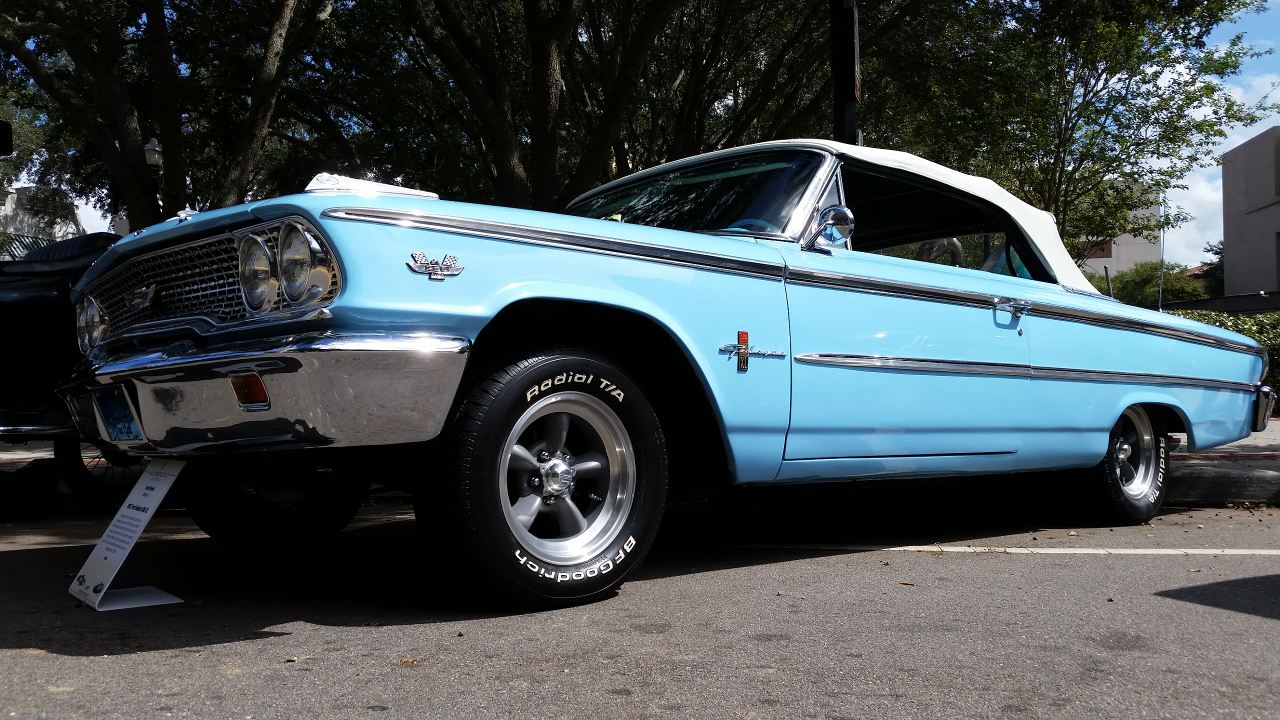
The 1963 Ford Galaxie 427 arrived as a blunt instrument aimed squarely at stock car supremacy, a full-size family sedan reworked into a purpose-built hunter of NASCAR trophies. Ford treated it as a rolling manifesto for its Total Performance push, turning a conservative cruiser into a weapon that could run flat out on superspeedways and still look at home in a dealer showroom.
When that big Galaxie went NASCAR hunting, it did more than win races. It forced rivals to respond, reshaped how Detroit thought about aerodynamics and engine rules, and left behind a small but fiercely coveted group of road cars that still carry the aura of a factory-built race program.
Total Performance and the birth of a stock car weapon
Ford did not stumble into the 427 Galaxie by accident, it engineered the car as a centerpiece of its Total Performance campaign to dominate organized racing. Executives wanted victories in high-visibility arenas, and that meant building a full-size car that could survive 500 miles at race pace while still qualifying as a production model. The Galaxie platform gave Ford the right footprint, but the company needed a more focused body and a serious engine to turn marketing ambition into lap time.
The answer was a midyear evolution that enthusiasts now recognize as the 1963-1/2 fastback, a sleeker roofline grafted onto the existing Galaxie shell to cut drag on high-speed ovals. Collectors later labeled these special cars 1963-1/2 models because they arrived partway through the model year, a timing quirk that only adds to their mystique among people who chase rare Galaxies. Under the hood, Ford paired that new profile with a 427 cubic inch FE V8, the same basic architecture that would later underpin some of the company’s most serious racing efforts, turning the big sedan into a credible threat in NASCAR competition.
From showroom to superspeedway: how the 427 Galaxie attacked NASCAR
On track, the 427 Galaxie was built to exploit NASCAR’s insistence that race cars remain closely tied to production models. Once officials set a maximum engine displacement, Ford responded with a big block that sat right at the limit and then wrapped it in a body that could slice through the air more cleanly than the earlier square-roof sedans. The result was a car that looked familiar to fans in the grandstands but behaved very differently at 170 miles per hour, especially on long, banked tracks where aerodynamic stability mattered as much as raw horsepower.
That combination paid off at marquee events, including NASCAR’s premier race at Daytona, where the Galaxie used its new fastback shape and 427 power to underline Ford’s seriousness about stock car racing. The same basic package also appeared in a factory-backed lightweight drag racing program, proof that the company saw the 427 G as a flexible tool for multiple forms of competition rather than a one-track experiment. By tying both oval and quarter-mile success to the same core hardware, Ford reinforced the idea that its big sedan was more than a commuter car with decals, it was a genuine racing platform that happened to carry license plates.
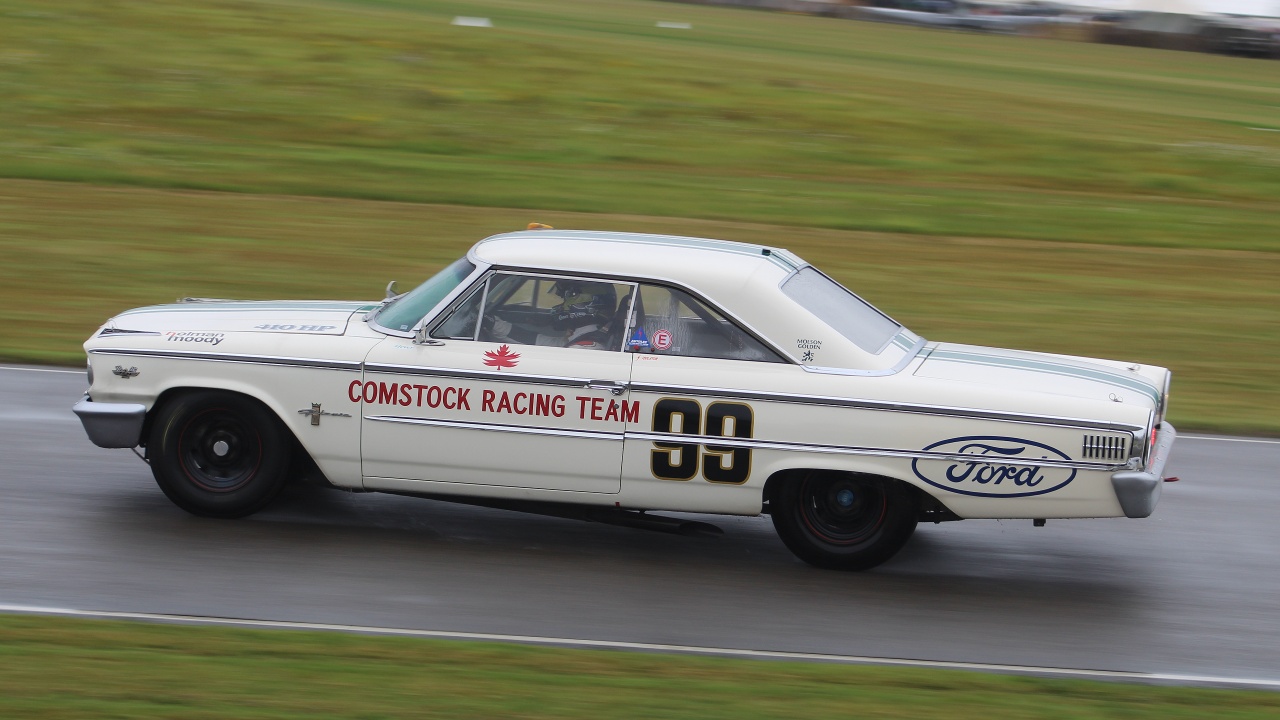
Engineering the 1963-1/2 fastback: subtle sheetmetal, big gains
The visual changes that turned a regular Galaxie into a 1963-1/2 fastback were subtle enough that casual observers might miss them, but racers understood the stakes. The new roofline flowed more gently into the trunk, reducing the turbulence that had plagued the earlier notchback design at high speed. Even though 63 G fastbacks did not have as steeply raked a rear backlight as later Mustangs, the revised profile still delivered a measurable aerodynamic advantage on superspeedways, where a few miles per hour of top speed could decide a race.
That bodywork sat on the Galaxie 500 two-door coupe configuration, which quickly proved successful enough in competition to be seen as a natural candidate for historic events and vintage racing. Period accounts describe how the fastback shape helped balance the car on long straights and through high-speed corners, making it easier for drivers to keep the big sedan planted while the 427 worked at full song. The engineering lesson was clear, even in the early 1960s: careful attention to airflow over a production shell could transform a heavy family car into a credible stock car and, eventually, into a Goodwood-level crowd pleaser.
R-Code, Q-Code and the thin line between race car and road car
Ford’s decision to homologate its racing hardware created a small ecosystem of road-going Galaxies that shared serious DNA with their NASCAR counterparts. The most coveted examples carried R-Code designation, signaling a 427 cubic inch FE engine tuned for maximum performance and often paired with a four speed manual transmission. These cars were not stripped-out specials in the modern sense, but they were clearly built with competition in mind, from their drivetrain choices to their relatively sparse options lists.
Alongside the R-Code cars, Ford also offered Q-Code versions that used a slightly different specification but still delivered formidable output, including 476 lb-ft of torque from their big block V8s. One such 1963.5 Ford Galaxie 500XL Sport Hardtop Q-Code is documented as part of a season in which Ford captured 23 Grand National victories, a reminder that the showroom and the speedway were tightly linked. Buyers who signed for these cars were not just purchasing transportation, they were buying into the same engineering that was carrying Ford drivers to the front of the field.
Legacy, values and why the Galaxie still matters
Decades later, the 1963-1/2 Galaxie 427 has shifted from fresh hardware to rolling history, but its reputation as a NASCAR hunter has only grown. Collectors now treat surviving high performance Galaxies, especially genuine R-Code and Q-Code examples, as time capsules that preserve the moment when a full-size Ford could leave a dealership and head straight for a stock car or drag racing grid. Auction listings for well preserved cars emphasize their original drivetrains and body configurations, reflecting how tightly enthusiasts tie authenticity to the car’s competition heritage.
The broader legacy of the 427 Galaxie sits inside Ford’s Total Performance story, a chapter that also produced icons like the Le Mans winning GT40 but began with big sedans proving their worth in Grand National competition. When I look at the way modern manufacturers chase racing relevance with limited run specials and track-focused variants, I see a direct line back to that early 1960s strategy of turning family cars into race winners. The 1963 Galaxie 500, especially in its 1963-1/2 fastback 427 form, shows how a company can use rulebook creativity, aerodynamic tweaks and serious engine development to turn a conservative platform into a feared competitor, and that is why its legend still resonates every time one fires up in the paddock.