The 1965 Pontiac Catalina arrived in showrooms looking like a straight‑laced full‑size family car, yet it quietly carried the hardware to embarrass purpose‑built muscle machines. Under its long hood, especially in 421 form, Pontiac hid serious performance in a body that could pass for a grandfather’s Sunday driver, a combination that still feels subversive today. I want to trace how that contrast between appearance and ability turned the Catalina into one of the era’s most intriguing sleepers.
The full‑size Pontiac that did not look like trouble
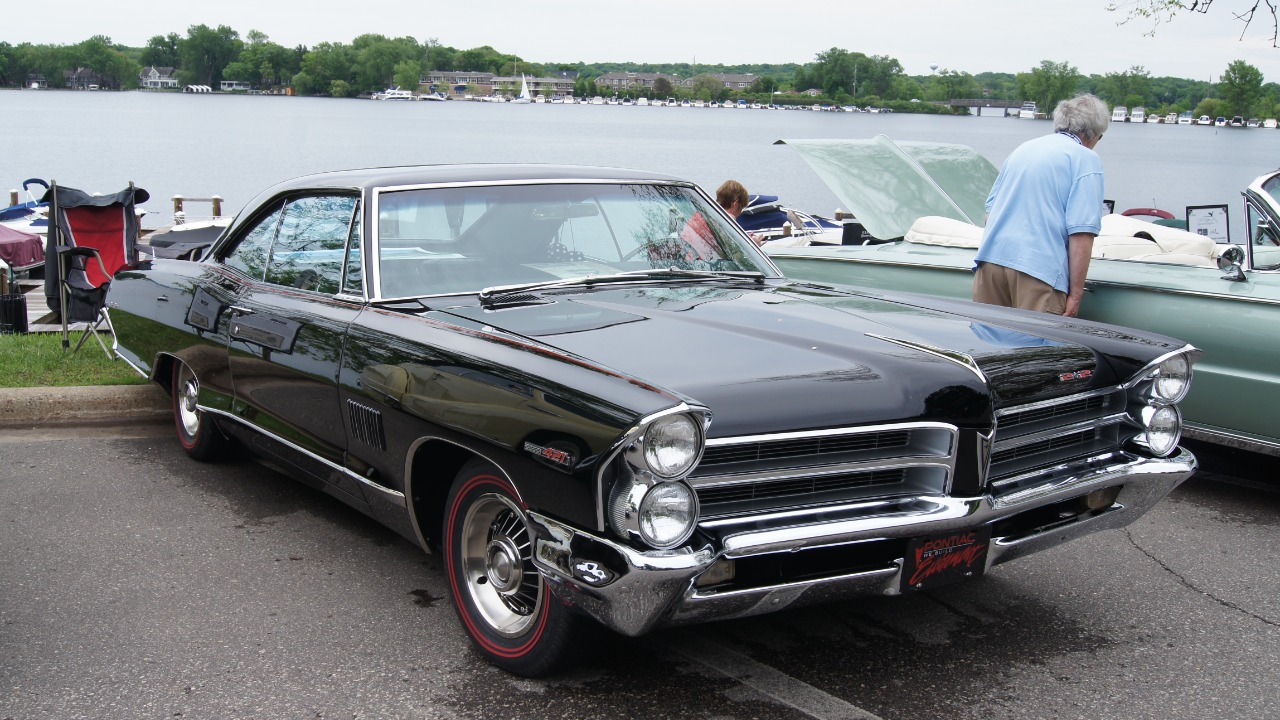
From the curb, the 1965 Pontiac Catalina projected restraint rather than menace, with clean lines, a formal roofline on hardtops, and the sort of brightwork that made it look ready for church parking lots instead of drag strips. I picture the scene described by enthusiasts who talk about pulling up to a light in what seems like your grandfather’s Sunday car, only to reveal a very different personality when the light turns green. That tension between conservative styling and hidden speed is what first drew me to the Catalina, because it shows how Pontiac understood that some buyers wanted to go very fast without advertising it.
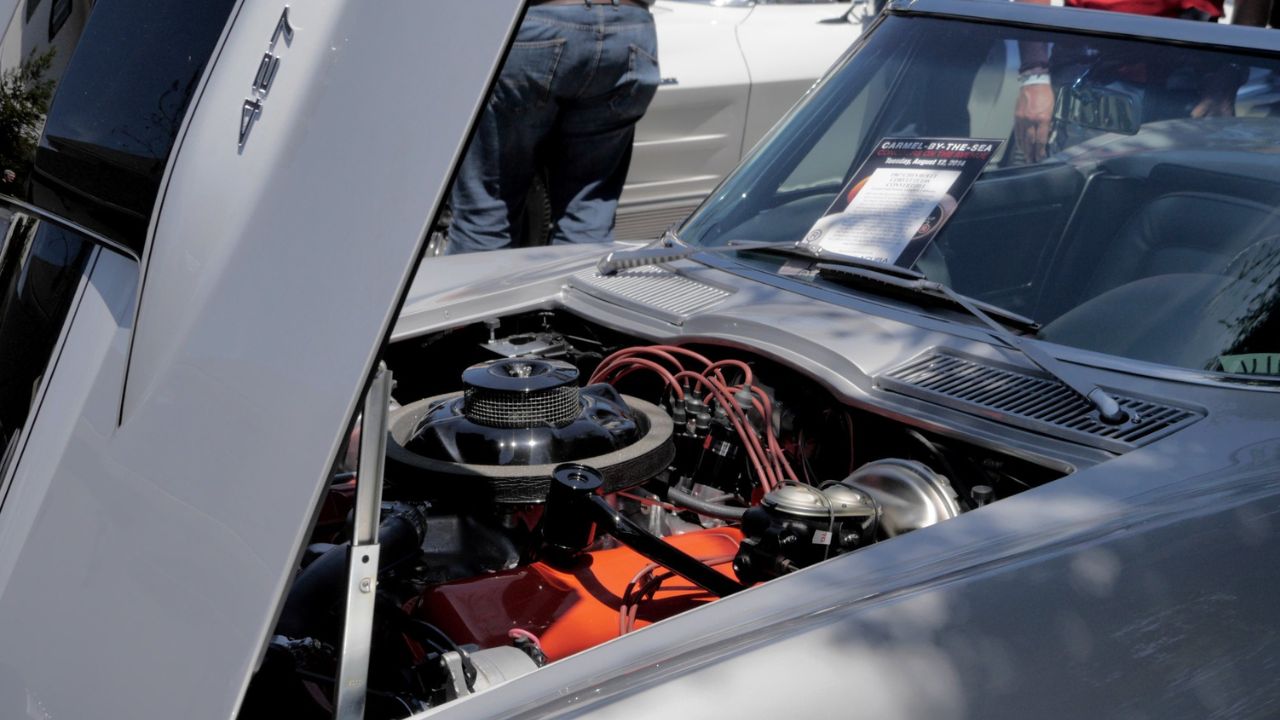
Underneath that quiet exterior, the Catalina could be ordered with the 421 cubic inch V8 that turned the big Pontiac into a serious threat in stoplight duels. In period footage that sets the scene in 1965, drivers talk about easing up in traffic in a car that looks like a family sedan, then letting the 421 breathe and watching surprised rivals fade in the mirror, a story that captures how a seemingly mild Nov stoplight encounter could turn into an impromptu performance test. I see that as the essence of the Catalina’s appeal: it was not the loudest car in the lot, but it often turned out to be the quickest.
Why the 2+2 package mattered
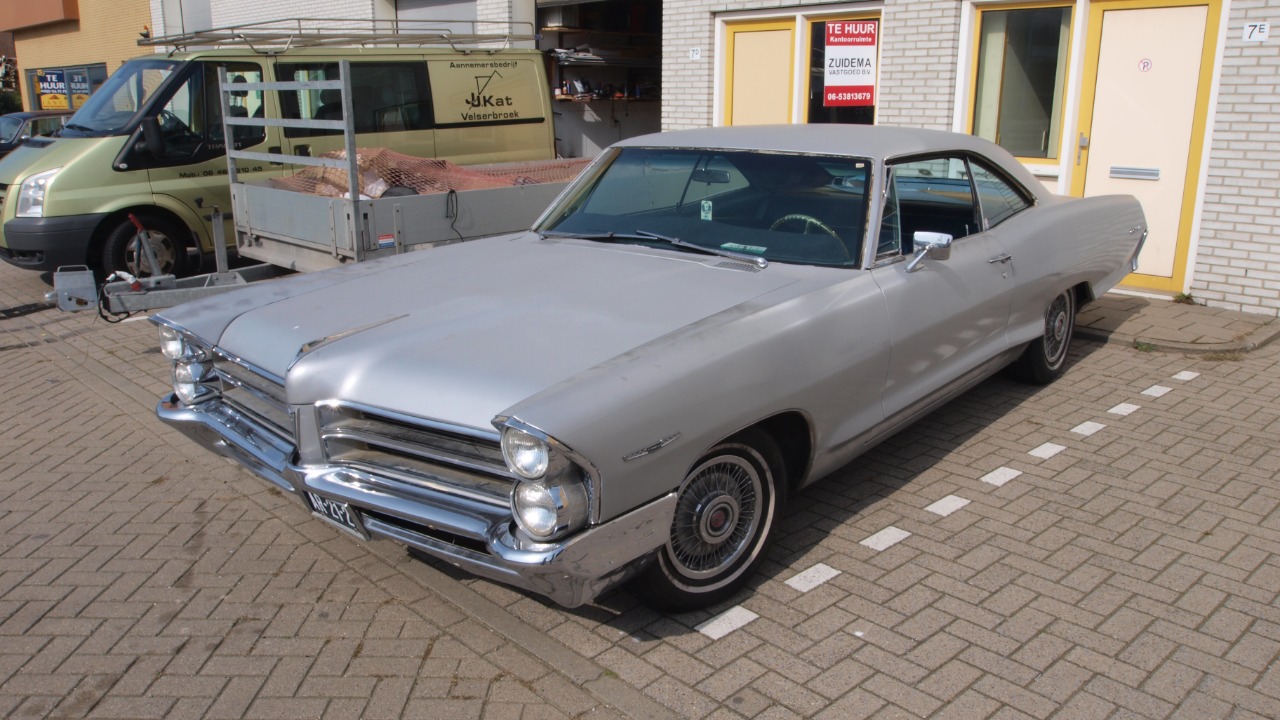
When Pontiac created the Catalina 2+2, it sharpened that sleeper formula into something more focused without losing the full‑size comfort that made the car livable. The 2+2 badge signaled bucket seats, a sportier interior, and a chassis tuned for drivers who cared about more than straight‑line blasts, yet the car still wore the same broad‑shouldered body that blended into suburban driveways. I read the 2+2 as Pontiac’s way of telling enthusiasts that they did not have to downsize to a compact to get a genuinely engaging big‑car experience.
Contemporary descriptions of the 1965 Pontiac Catalina 2+2 call it a brute with brains, a phrase that captures how the car combined raw torque with a more thoughtful suspension and brake package. Under the hood, the 2+2 could be fitted with serious power, and that is why one modern clip describes how Pontiac Catalina 2+2 buyers ended up with a full‑size machine that felt closer to a grand touring coupe than a barge. I find that balance compelling, because it shows Pontiac refusing to accept that a big car had to be soft or dull.
Living with a quiet performance car
Part of what makes the 1965 Catalina so interesting to me is how it fits into real life, not just quarter‑mile times. Owners talk about these cars sitting for years in barns or fields, then being pulled back into the light and coaxed into running again, a process that reveals how robust the underlying engineering really was. When I watch someone walk around a weathered 1965 Pontiac Catalina 2+2 Convertible, pointing out the long‑dormant engine and the dust‑covered interior, I see the bones of a car that was built to handle both family duty and spirited driving before it ever became a restoration project.
In one such walk‑through, the host explains that these cars have been sitting for quite a few years before a deal was struck to buy them and start the rescue, and the camera lingers on the convertible’s lines as the plan to revive it takes shape. That moment, captured in a video of a Feb discovery, underlines how the Catalina’s understated design ages gracefully, even when the paint is tired and the chrome is pitted. I come away thinking that the same qualities that made the car a subtle performer in 1965 now make it a rewarding candidate for enthusiasts who want something different from the usual muscle car roster.
Numbers that back up the reputation
For all the romance around sleeper sedans, the 1965 Catalina 2+2 also has hard numbers on its side. The car rode on a wheelbase of 121 inches, stretched to an overall length of 214.5 inches, and carried a test weight of 4400 lbs, figures that make its performance all the more impressive. When I picture that much sheet metal and mass getting hustled through a corner or launched off the line, I understand why period testers treated the car with a mix of respect and surprise.
Those same reports quote Walt Hansgen, a respected racer, giving his basic impression of the Pontiac 2+2 after sampling its power and handling, and his comments help validate what owners still say about the car today. When someone who spent his life at the limit talks about how a full‑size Pontiac behaves, it gives me confidence that the Catalina’s reputation is not just nostalgia talking but grounded in how the chassis and drivetrain actually worked together. I see that blend of objective measurements and subjective praise as the final piece of evidence that the Catalina quietly delivered performance in a way that still feels special.
More from Fast Lane Only: