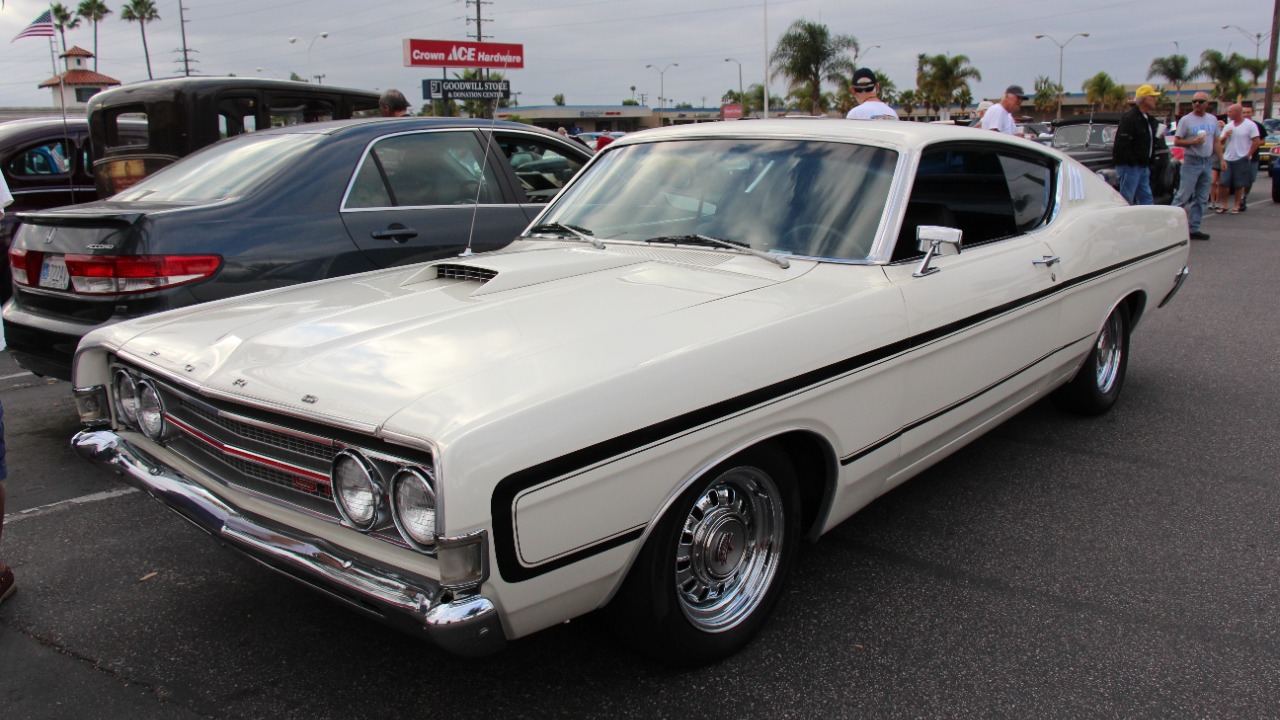
The 1969 Ford Torino Cobra did not have to shout to be taken seriously. It arrived in the thick of Detroit’s horsepower wars as a midsize fastback that could run hard at the strip, behave in traffic, and still look understated enough to pass for a commuter car. That balance of brute force and everyday usefulness is exactly why it earned the kind of street respect that still follows it today.
Built to hunt Chevrolets, not just pose at the curb
When I look at the 1969 Ford Torino Cobra, I see a car engineered with a very specific rival in mind. Ford positioned the Cobra as a midsize performance machine meant to go after the likewise midsize Chevr models that were dominating stoplight showdowns. Underneath the clean fastback sheet metal, the car was sold as a serious weapon, not a styling exercise, and that intent shows in the way owners still talk about it as a purpose built street fighter rather than a weekend toy.
That mission comes through clearly in the story of an Original owner who later bought back and resuscitated his own 1969 Cobra, treating the car less like a museum piece and more like a trusted accomplice he was not ready to give up. In that account, Ford is described as having poised the Cobra to take on the Chevr competition head on, a reminder that this model was conceived as a direct answer to rival muscle, not a side project or appearance package, and that clarity of purpose is a big part of why the Torino Cobra commanded respect on the street in period and still does for enthusiasts who know what it was built to do. I see that same intent in the way the car’s history is framed in coverage of the Original Cobra and its Chevr rivals.
Power that could uncoil on command
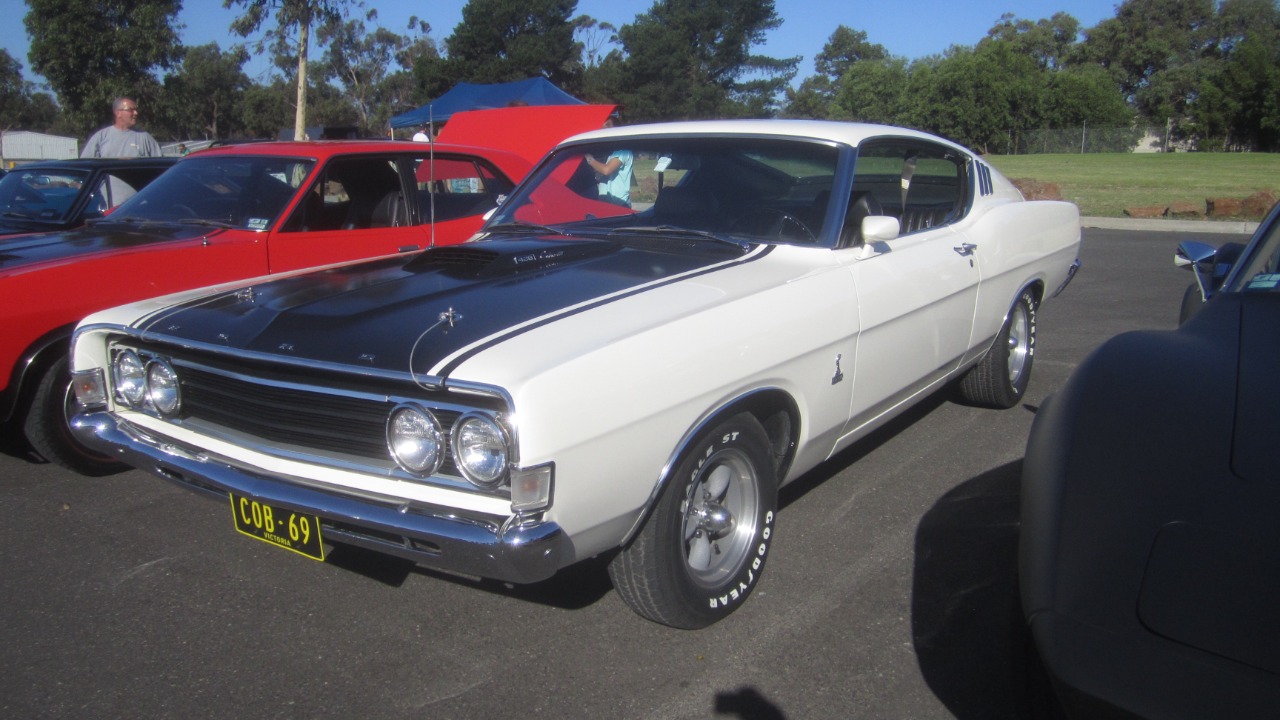
Respect on the street always starts with what happens when the light turns green, and the 1969 Ford Torino Cobra had the power to back up its name. Ford’s own brochure language captured the dual personality that made the car so effective, describing “Power to spare, yet well-behaved in city traffic,” and promising that a Cobra “uncoils for action on command.” I read that as more than marketing copy, because it speaks to a car that could idle through downtown without drama, then instantly turn into something far more serious when the driver dipped into the throttle.
That blend of manners and muscle is exactly what separates a respected street car from a temperamental drag-only build. When a factory brochure can credibly claim that Ford pushed Cobras “for folks who wanted to go first class at a modest price,” it tells me the company understood that buyers wanted a car that could live in both worlds, the daily commute and the late night run. The fact that this description of Power, Ford, Cobra, and the line that begins with Maybe still resonates in enthusiast circles today shows how accurately it captured the car’s character, and it is preserved in period material that describes how the Torino Cobra and its Talladega sibling were positioned in the market, as seen in detailed histories of the 1969 Ford Cobra and Talladega.
Real-world toughness, not just brochure bravado
Street respect is earned in the real world, and the Torino Cobra’s reputation was built on how it held up in the hands of people who drove it hard. When I read about that Original owner tracking down his old 1969 Cobra decades later and bringing it back to life, I see more than nostalgia. I see a car that made such an impression in everyday use that its first driver felt compelled to rescue it, restore it, and put it back on the road. That kind of long-term loyalty usually belongs to machines that proved themselves over thousands of miles, not just a few passes at the drag strip.
The same account of the resuscitated 1969 Cobra makes clear that this was not a pampered showpiece in its early life, but a working performance car that had been used, parked, and then painstakingly revived. The fact that the owner went to the trouble of buying back that specific Cobra, rather than finding a cleaner example, tells me the bond between driver and car was forged in shared history, the kind of history that only accumulates when a car is tough enough to survive real use. That durability is part of why the Torino Cobra’s name still carries weight among people who remember how these cars were driven when they were just used vehicles, a point underscored in the detailed narrative of the Original 1969 Cobra that was bought back and resuscitated.
How the Torino Cobra stacked up in the muscle car pecking order
In any era, street respect is relative, and the 1969 Ford Torino Cobra had to earn its place among some very serious muscle. I think part of its appeal is that it was never the obvious choice. While Chevr models grabbed headlines and some Mopar machines became legends for their wild styling and outrageous power, the Torino Cobra played a quieter game. It offered big performance in a slightly larger, more understated package, which meant that people who knew what it was were often pleasantly surprised by how hard it could run.
That dynamic is still visible when enthusiasts compare Fords and Mopars today. In one widely shared clip, a 1970 Ford Torino is lined up in a drag race scenario, with the narrator joking about a “GTX eating a Torino Super Cobra Jet breakfast” and then admitting “and this thing is big and I like it oh baby i want to drag race you until you shoot hot antifreeze.” The tone is playful, but the subtext is clear: even among fans of rival brands, a Ford Torino with serious hardware commands attention. The way that Apr commentary lingers on the size and presence of the Ford Torino, and the eagerness to see it run, shows that the car still occupies a respected spot in the muscle car hierarchy, as captured in the enthusiast video that pits a 1970 Ford Torino against a GTX.
A legacy that still feels personal
What strikes me most about the 1969 Ford Torino Cobra is how personal its legacy feels. When I read about the Original owner who could not let his Cobra disappear, or hear someone in a modern video get excited about lining up a big Ford Torino against a rival, I am reminded that this car’s reputation was not built in ad campaigns. It was built in driveways, on back roads, and at drag strips where people learned that a Torino Cobra could be trusted to deliver the goods without drama. That kind of trust is the foundation of real respect.
The period descriptions of Power that is “well-behaved in city traffic” and a Cobra that “uncoils for action on command” help explain why the car fit so seamlessly into its owners’ lives. It was fast enough to matter, civil enough to live with, and tough enough to be worth saving decades later. When I put those threads together, from Ford’s decision to aim the Cobra squarely at Chevr rivals to the way a 1970 Ford Torino still draws admiration in modern drag race banter, it is clear to me that the 1969 Torino Cobra earned its street reputation the hard way, one satisfied driver and one surprised opponent at a time.
More from Fast Lane Only: