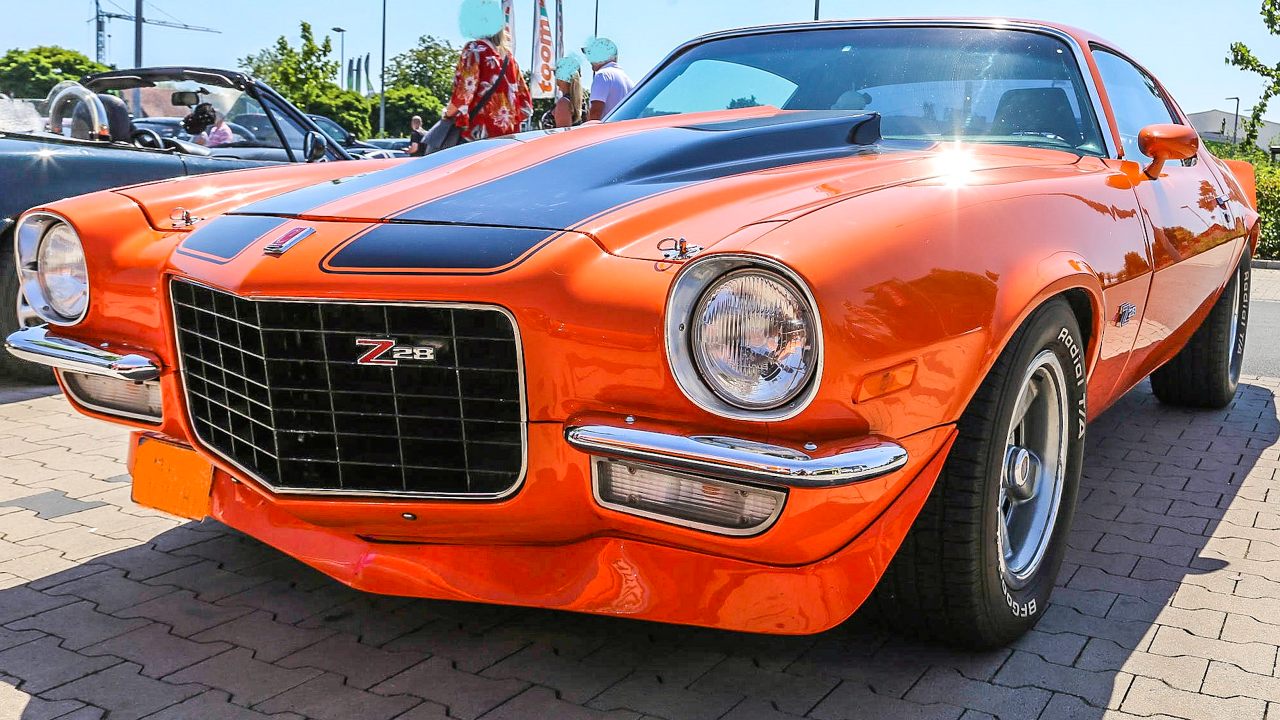
The early 1970s were supposed to spell the end of the classic American muscle formula, yet the second-generation Camaro managed to stay in the hunt even as regulations, fuel crises, and shifting tastes closed in. Rather than fading with the first wave of high-compression bruisers, the 1970 to 1973 cars evolved just enough in engineering, design, and positioning to remain serious performance players. I want to unpack how that happened, and why those years still anchor any honest conversation about Camaro credibility in a changing era.
A new generation built for more than straight-line speed
The second-generation Camaro arrived as a clean-sheet car that traded the boxy first-gen look for a lower, wider, more European profile, and that change was not just cosmetic. Under the skin, the chassis was reworked for better balance, with a stiffer body, improved suspension geometry, and steering that finally matched the power under the hood. Even the base version delivered a level of steering precision, brake strength, and structural solidity that critics compared favorably with contemporary European coupes, a rare compliment for a Detroit pony car and a key reason the platform stayed relevant as raw horsepower began to ebb.
General Motors leaned into that more sophisticated character with the so-called New Camaro, marketed as the “Super Hugger,” a nickname that telegraphed its cornering focus rather than just quarter-mile bravado. Contemporary descriptions of the New Camaro highlight how the “Super Hugger” branding was backed up by a cockpit dominated by a serious, driver-oriented Interior and a chassis tuned for grip and control, not just smoky launches, as seen in retrospectives on the Super Hugger. By building a car that could credibly carve corners as well as blast in a straight line, Chevrolet gave the Camaro a performance identity that could survive even as compression ratios fell and emissions rules tightened.
The LT-1 Z28: last of the high-compression heroes
At the sharp end of the lineup, the 1970 Z28 carried the LT-1 small-block V8, a high-compression, solid-lifter engine that represented the final flourish of the classic muscle era. That LT-1 was the last of the high-compression Z28 powerplants before stricter emissions standards forced a retreat, and it delivered a factory-rated 360 horsepower in period, a figure that kept the Camaro squarely in the top tier of street performance cars. Reporting on the 1970 Z28 notes that this LT-1 marked a milestone for the nameplate, both as a technical high point and as the end of an era before regulations reshaped the landscape.
That engine, and the package around it, is why enthusiasts still argue that the 1970 Z28 might be the greatest Camaro Z28 ever built. Deep dives into the model’s legacy frame the LT-1 Z28 as a car that combined serious track-capable hardware with real-world drivability, a blend that helped it stay competitive even as the market shifted away from all-out muscle. Video analyses of the 1970 Z28, including one that directly asks whether this is the greatest Camaro Z28 ever, emphasize how its performance envelope and character set a benchmark that later, emissions-strangled versions struggled to match, as explored in enthusiast coverage of the 1970 Z28 Camaro. By anchoring the early second generation with such a standout flagship, Chevrolet bought the Camaro nameplate lasting credibility that carried through the tougher years that followed.
Staying quick in a decade of transition
The early 1970s are often lumped into the broader Malaise era, a period when new emissions rules, fuel economy concerns, and changing safety standards forced American performance cars to pull back. Yet within that context, the 1970 to 1973 Camaro still ranked among the decade’s most respected muscle machines. Lists of standout 1970s performance cars consistently place the 1970 to 1973 Chevy Camaro in the top tier, noting that You simply could not have a serious discussion of the era’s muscle without including it, as seen in roundups of Chevy Camaro standouts. That kind of recognition reflects more than nostalgia; it shows that even as compression ratios dropped and insurance rates climbed, the Camaro’s overall package remained compelling enough to compete with the best of its peers.
Part of that staying power came from how the Camaro adapted as the decade’s pressures mounted. Analyses of the Malaise era describe how automakers had to respond to new demands for lower emissions and better fuel economy, which inevitably cut into the big horsepower numbers that had defined late 1960s muscle, as outlined in discussions of the Malaise period. Within that environment, the Camaro’s relatively sophisticated chassis and balanced handling gave it an edge. Even as engines were detuned, the car could still deliver engaging performance on real roads, which helped it remain competitive against rivals that had leaned more heavily on straight-line power and had less to fall back on once that advantage eroded.
Engineering focus that outlasted the horsepower war
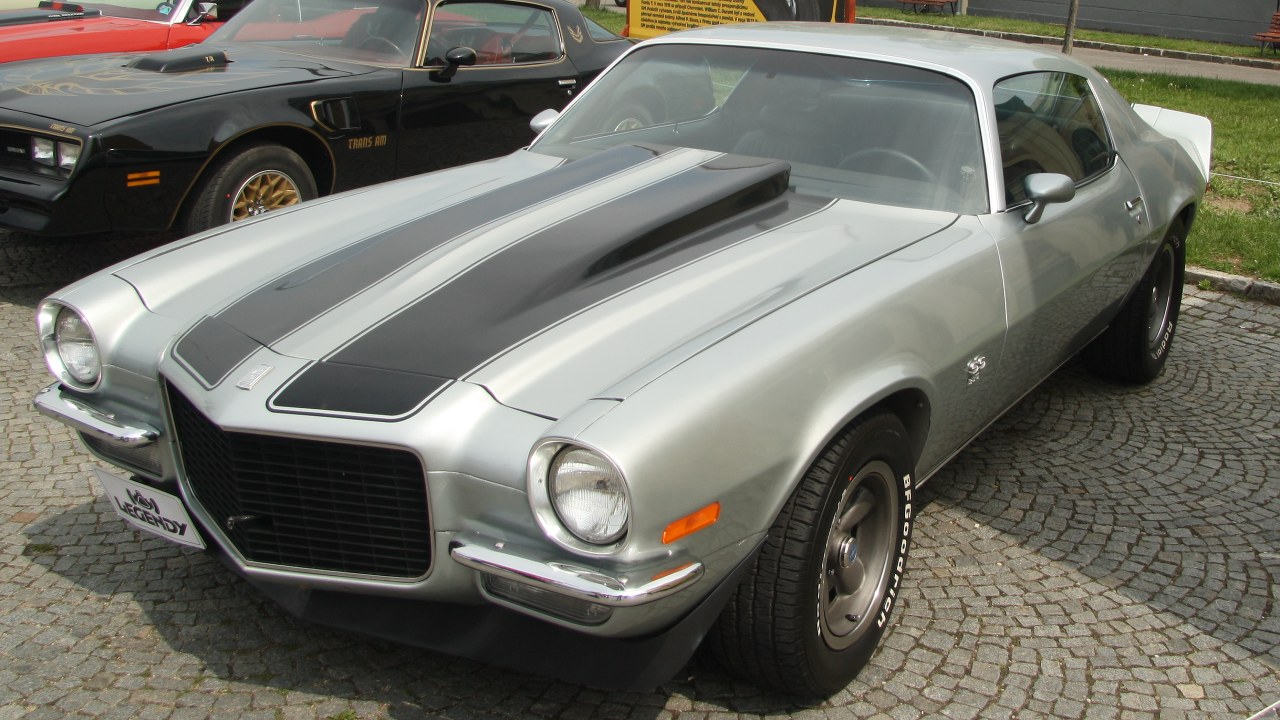
What really kept the early 1970s Camaro in the game was a shift in emphasis from raw output to overall driving experience, a move that looks prescient in hindsight. Contemporary evaluations of the 1970 Camaro highlight how Even the base car offered a level of balance, steering feel, and braking that set it apart from typical Detroit iron, and that foundation mattered more as the horsepower war cooled. The stiff body structure and carefully tuned suspension meant that even lower-output versions still felt like serious driver’s cars, a point reinforced in detailed looks at the 1970 Camaro. By prioritizing chassis integrity and handling, Chevrolet gave the Camaro a kind of performance resilience that pure horsepower could not provide.
That approach fits into a broader pattern in performance-car development, where the most enduring models are often those that balance comfort and control rather than chasing peak numbers alone. Modern reviews of cars like the mid-engined Corvette, for example, praise how Ride quality and bump isolation coexist with serious capability, with the gap between relaxed cruising and hair-on-fire driving kept remarkably small, as seen in road tests of the Ride and handling balance. The early second-generation Camaro was an early expression of that philosophy in an American pony car, and that is a major reason it stayed competitive even as the spec-sheet numbers began to slide.
Surviving corporate doubt and market headwinds
Behind the scenes, the Camaro’s continued competitiveness was not guaranteed. Internal histories of the 1970 to 1981 Camaro and its F-body sibling, the Pontiac Firebird, describe how General Motors, Facing mounting regulatory pressure and changing buyer priorities, seriously considered dropping both models altogether. Those accounts note that the company weighed whether the Camaro and Pontiac Firebird still justified their development and compliance costs in a market that seemed to be turning away from traditional performance coupes, as detailed in analyses of the 1970 to 1981 Camaro and Firebird. The fact that the Camaro survived those debates owes a lot to how well the early second-generation cars had established its reputation as more than a relic of the 1960s.
At the same time, Chevrolet continued to refine the Camaro’s appeal with incremental improvements and careful marketing. The New Camaro “Super Hugger” positioning leaned on extra refinements, easy handling, and advanced engineering, echoing the kind of language that had long been used to sell American cars as both comfortable and capable. Historical advertising analysis notes how similar claims about extra refinements and easy handling were used to win buyers over to other domestic brands, with promises that such qualities would be “more than enough to win you over,” as seen in period dealership-focused discussions of extra refinements. By pairing that kind of messaging with a genuinely capable chassis and, in the case of the Z28, serious performance hardware, Chevrolet gave buyers reasons to stick with the Camaro even as the broader muscle-car field thinned out.
Why the early ’70s Camaro still matters
Looking back, the early 1970s Camaro occupies a pivotal spot between the unrestrained muscle era and the more nuanced performance landscape that followed. The 1970 Z28’s LT-1 engine stands as a last high-compression milestone before emissions rules reshaped the segment, while the broader second-generation platform introduced a level of handling sophistication that helped the car stay relevant when big horsepower alone was no longer enough. Enthusiast and historical accounts consistently treat the 1970 to 1973 Chevy Camaro as essential to any ranking of the decade’s best muscle cars, a status that reflects how effectively it bridged those two worlds, as highlighted in overviews of 1970s muscle cars and focused histories of the 1970 Z28 Camaro.
In a decade often shorthand as the Malaise era, the early second-generation Camaro shows how a car could stay competitive by evolving rather than simply resisting change. By combining a landmark high-performance variant with a fundamentally capable chassis, and by adapting its image from drag-strip brawler to “Super Hugger” driver’s car, the Camaro managed to keep its performance credibility intact even as regulations, fuel concerns, and corporate doubts closed in. That balance of heritage and adaptation is why the early 1970s Camaro still resonates today, not just as a nostalgic favorite, but as a case study in how a muscle car survived a decade that was supposed to end the party, a story preserved in detailed examinations of the New Camaro Chevrolet and the broader 1970 to 1981 Camaro and Firebird story.
More from Fast Lane Only: